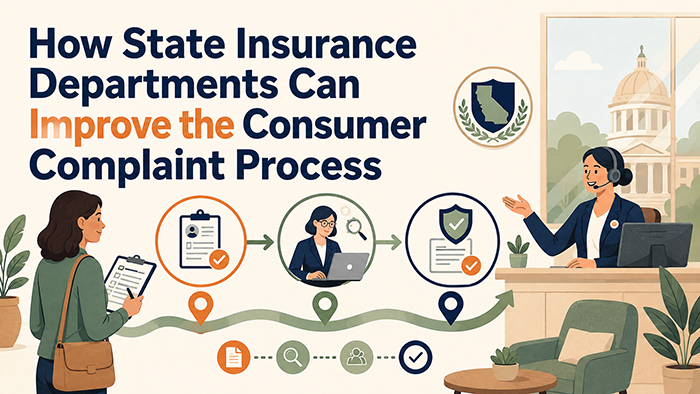
How State Insurance Departments Can Improve the Consumer Complaint Process
A policyholder who has just had a claim denied after a house fire, a flood, or a major medical event is not in an ideal state to navigate a complex regulatory complaint process. They are already managing a crisis. They may be confused about what happened with their claim, anxious about their financial situation, and uncertain about what options remain open to them. When they turn to the state insurance department for help, the quality of that experience matters. How easy the complaint process is to find, how clearly it is explained, how promptly they receive responses, and how clearly those responses describe what happens next are all part of the public service the department delivers to policyholders at one of the most difficult moments they will face.
Many state insurance departments have complaint processes that were designed primarily around the department’s operational needs rather than around the consumer’s experience of using them. The intake form captures the information the department needs to categorize and process complaints. The acknowledgment confirms receipt. The resolution notice closes the case. But the consumer experience of moving through this process may be disorienting, slow, and ultimately unsatisfying even when the department has done its job appropriately from a regulatory standpoint. The gap between a technically compliant complaint process and a consumer-serving complaint process is wide, and closing it requires deliberate attention to communication at every stage.
Improving the consumer complaint process means designing and refining every element from the consumer’s perspective: what they need to know before they submit, what friction they encounter during intake, whether they understand the acknowledgment they receive, whether they are kept informed during the review period, and whether the resolution they receive gives them a complete and useful account of what was found and what they can do next. None of these improvements requires the department to do less rigorous regulatory work. All of them require the department to communicate about that work more effectively.
This article provides practical guidance for state insurance departments seeking to review and improve their consumer complaint process from intake through resolution. It addresses complaint portal design, intake form clarity, acknowledgment messages, case update mechanisms, resolution notice structure, and the consumer assistance materials that help policyholders navigate both the complaint process and the underlying insurance dispute. The emphasis throughout is on reducing confusion for policyholders who are already under stress and who deserve a complaint process that respects both their time and their situation.
Improving the complaint process is not simply a matter of adding more information to each communication. It is a matter of presenting the right information in the right format at the right moment. A consumer who submits a complaint wants to know what happens next, not the full history of the department’s regulatory authority. A consumer who receives a resolution wants to know what was found and what they can do, not a recitation of the procedural steps that led to the finding. Each communication in the complaint process should be designed around what the consumer needs at that specific moment in the process, not around what the department finds convenient to communicate.
Starting With a Consumer-Eye Review of the Complaint Portal
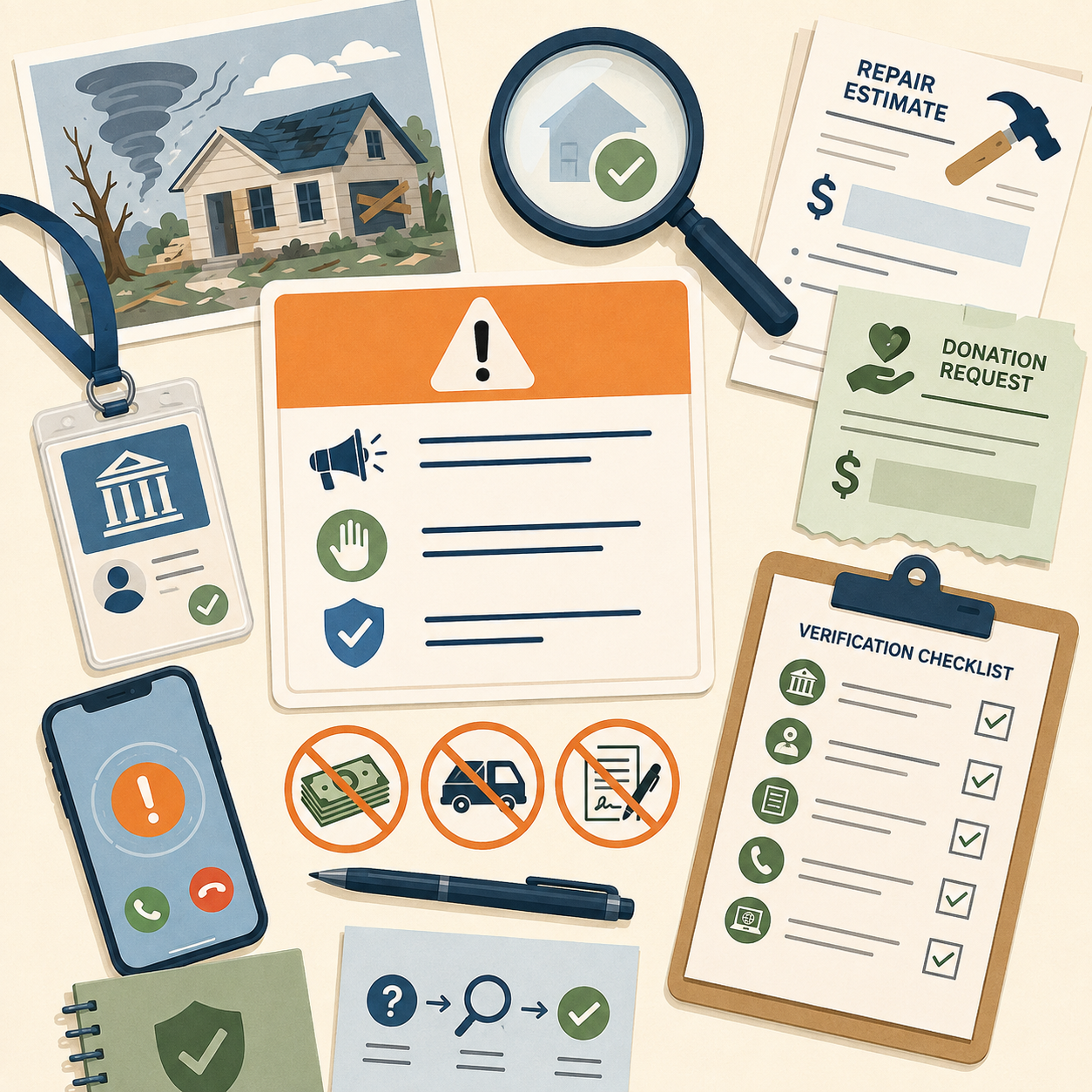 The complaint portal is the first substantive interaction many consumers will have with the insurance department, and first impressions shape the entire experience that follows. A portal that is difficult to find on the department’s website, confusing to navigate, or poorly organized for a consumer who is trying to submit a dispute about an insurance company teaches consumers immediately that the complaint process is not designed with their needs in mind. A portal that is clearly labeled, easily found, and logically organized teaches the opposite.
The most efficient starting point for improving the complaint portal is to have someone unfamiliar with the department’s internal structure attempt to submit a test complaint from scratch, using only the information available on the portal itself, and to observe and document every point of confusion, difficulty, or uncertainty they encounter. This consumer-eye review will typically reveal problems that are invisible to staff who are familiar with the system: navigation labels that assume knowledge the consumer does not have, required form fields that are not clearly explained, upload requirements that present technical challenges, and error messages that do not tell the consumer what they need to do differently.
Portal findability from the department’s home page should be tested specifically. A consumer who visits the department’s home page because they have a problem with their insurance company should be able to reach the complaint portal within one or two clicks without knowing the name of the specific unit, office, or division that handles consumer complaints. If reaching the complaint portal requires navigating through multiple levels of organizational menu items that mean nothing to a member of the public, the portal is not effectively accessible even if it technically exists.
The language used to label the complaint portal and to describe the complaint service should match the language consumers use to describe their situation. Consumers think about problems, disputes, and disagreements with insurance companies. They may not immediately think of their situation as a complaint or as a regulatory matter. Navigation labels and descriptions that use consumer language, such as I have a problem with my insurance company or My claim was denied and I need help, are more immediately recognizable as relevant to the consumer’s situation than labels that use the department’s internal terminology.
Protecting the Public Interest: Communication Strategies for Financial Regulation, Insurance, and Consumer Protection Agencies
This article is part of our series on strategic communication for Financial Regulatory Agencies, State Insurance Departments, and Consumer Protection Agencies. To learn more and to see the parent article, which links to other content just like this, click the button below.
Intake Form Design and Reducing Submission Barriers
The intake form is where most consumer friction occurs in the complaint process. A well-designed intake form guides consumers through the information they need to provide in a logical sequence, explains what each field requires in plain language, and validates inputs in a way that helps consumers understand and correct errors. A poorly designed intake form creates barriers at every field that result in form abandonment, incomplete submissions, and consumer frustration before the substantive complaint process has even begun.
Information Architecture of the Form
The intake form should be organized around how consumers think about their dispute, not around how the department categorizes complaints. Most consumers begin their experience of a complaint with a narrative: what happened to them, in approximately the order it happened. A form that asks the consumer to begin by categorizing their complaint by regulatory type, by the specific section of insurance law they believe was violated, or by the internal classification system the department uses for processing assumes a level of regulatory sophistication that most policyholders do not have.
Starting with open-ended narrative fields that allow consumers to describe their situation in their own words, and then collecting the more structured categorical information that the department needs for processing, reflects how consumers actually know their dispute. This sequence does not prevent the department from categorizing the complaint accurately. It simply allows the consumer to begin with what they know well, which is what happened to them, before asking for information they may need to look up or estimate.
Required fields should represent only the information that the department genuinely cannot process the complaint without. Every additional required field increases the time and effort required to submit, which increases the rate at which consumers abandon the process before completing submission. Fields for information that the department would find useful but can gather from the company’s response, or that can be collected in a follow-up if needed, should be optional rather than required. The test for a required field is whether the department can take any processing action on the complaint without that specific piece of information.
Field-Level Clarity and Validation
Each field in the intake form should include a clear label and, where needed, brief explanatory text that tells the consumer exactly what information is needed and in what format. A field labeled Policy Number should indicate where the policy number can be found on the consumer’s documents if it is not obvious, what format to use if there are multiple formats on the policy, and what to do if the consumer cannot locate their policy number. This supporting text does not need to be long. A sentence or two is usually sufficient.
Validation messages that appear when a consumer enters information incorrectly or leaves a required field blank should be written specifically enough to tell the consumer how to fix the problem. A message that says this field is required is marginally more useful than no message at all, but a message that says please enter your policy number as it appears on your declarations page is genuinely helpful. The investment in writing specific, useful validation messages for each field is modest and has a significant impact on form completion rates.
File upload requirements are among the most common sources of consumer difficulty in complaint intake forms. Consumers who need to upload supporting documents may be working from paper documents that they will need to scan or photograph, from PDFs that may have file size limitations, or from file formats that the portal does not accept. Clear, specific instructions about what documents to include, what file formats are acceptable, what file size limits apply, and what to do if the consumer cannot provide electronic documents should accompany every upload field. An alternative process for consumers who cannot submit electronic documents, such as a mailing address for paper submissions, should be clearly identified.
Acknowledgment Messages That Reduce Uncertainty
The acknowledgment message is the consumer’s first signal that their complaint has been received and that something will happen next. A well-designed acknowledgment actively reduces the uncertainty that the consumer has been experiencing since the insurance problem arose. It does this by telling the consumer clearly and specifically what the department will do, when they can expect to hear more, what reference number to use for any follow-up contact, and what the consumer should do in the meantime.
Acknowledgments should be sent immediately upon submission or within one business day at most. The longer the gap between submission and acknowledgment, the more likely the consumer is to assume that something went wrong with the submission, to contact the department to confirm receipt, or to submit duplicate complaints. Each of these outcomes adds to the department’s workload and undermines consumer confidence in the complaint process. Immediate or next-day acknowledgment is the single most efficient investment in reducing inbound contact volume during the complaint intake period.
The body of the acknowledgment should walk the consumer through the next steps in a specific and realistic way. It should explain that the department will contact the insurance company and request a response to the complaint. It should give a realistic estimate of how long that initial review period is expected to take. It should note that the consumer may receive contact from the insurance company as part of this process and should explain what the consumer should do if they receive such contact, whether they have additional documents to provide, or whether their situation changes during the review period.
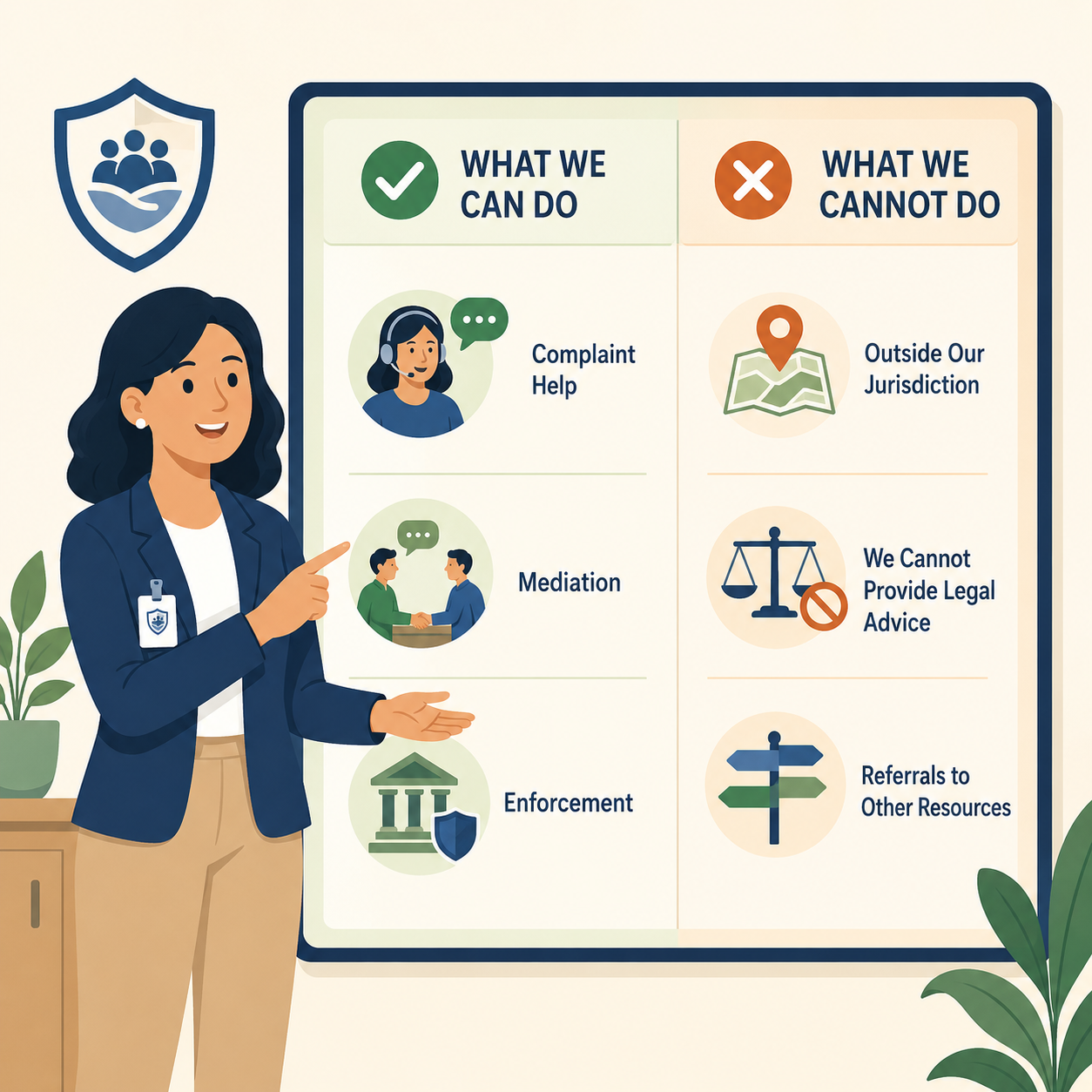
Setting expectations about what the complaint process can and cannot accomplish is an important function of the acknowledgment communication. Policyholders who believe that filing a complaint will automatically result in their claim being paid, their policy being reinstated, or other specific outcomes they desire are likely to be disappointed regardless of the department’s actual findings. A clear acknowledgment statement that explains what the department reviews and what types of outcomes the regulatory process can and cannot produce helps consumers develop realistic expectations before the process unfolds.
For policyholders who are simultaneously managing an active insurance process alongside their complaint, such as a pending claim, a renewal decision, or a coverage dispute that is still in the company’s internal review process, the acknowledgment should clarify that the complaint does not pause or interrupt the company’s own processes and deadlines. This clarification prevents consumers from inadvertently missing deadlines or failing to take steps in the company’s process because they believe the regulatory complaint is managing the situation for them.
Keeping Consumers Informed During the Review Period
The period between acknowledgment and resolution is where consumer confidence in the complaint process most commonly erodes. Consumers who submitted a complaint weeks ago and have heard nothing since are likely to assume the worst: that their complaint was lost, that the department is not paying attention, or that the company has somehow influenced the outcome. Regular updates, even brief ones, prevent this erosion by demonstrating that the process is active and that the consumer’s complaint is receiving attention.
A structured update program should identify the key milestones in the complaint process and send a brief, specific status message at each one. The receipt of the company’s response to the complaint is a natural update trigger: the consumer should know that the response has been received and that the department is reviewing it. The completion of the department’s initial analysis is another update point. Any request for additional information from the consumer is an opportunity to explain why the information is needed and how it will be used.
Update messages should be brief but specific. They should name the complaint by reference number, describe the current stage of the process in plain language, give an updated estimate of the timeline to resolution, and provide contact information for the consumer to use if they have questions or additional information. They should not be generic status updates that provide no information about the specific complaint. A message that says your complaint is currently under review is technically an update but provides no information that the consumer did not already know. A message that says we have received the company’s response to your complaint and are currently reviewing it provides specific, useful information.
For complaints that will take longer than the initial estimate suggested, proactive communication explaining the delay is essential. Consumers who were told to expect a response within thirty days and who receive nothing until forty-five days have elapsed will call to inquire about their case, adding to the department’s contact volume and demonstrating to the consumer that the department does not follow through on its communications. A proactive delay notice, sent as soon as it becomes clear that the initial timeline will not be met, that explains the reason for the delay and provides a revised estimate, is far better for both the consumer’s experience and the department’s contact volume than silence.
Resolution Notices That Complete the Consumer Experience
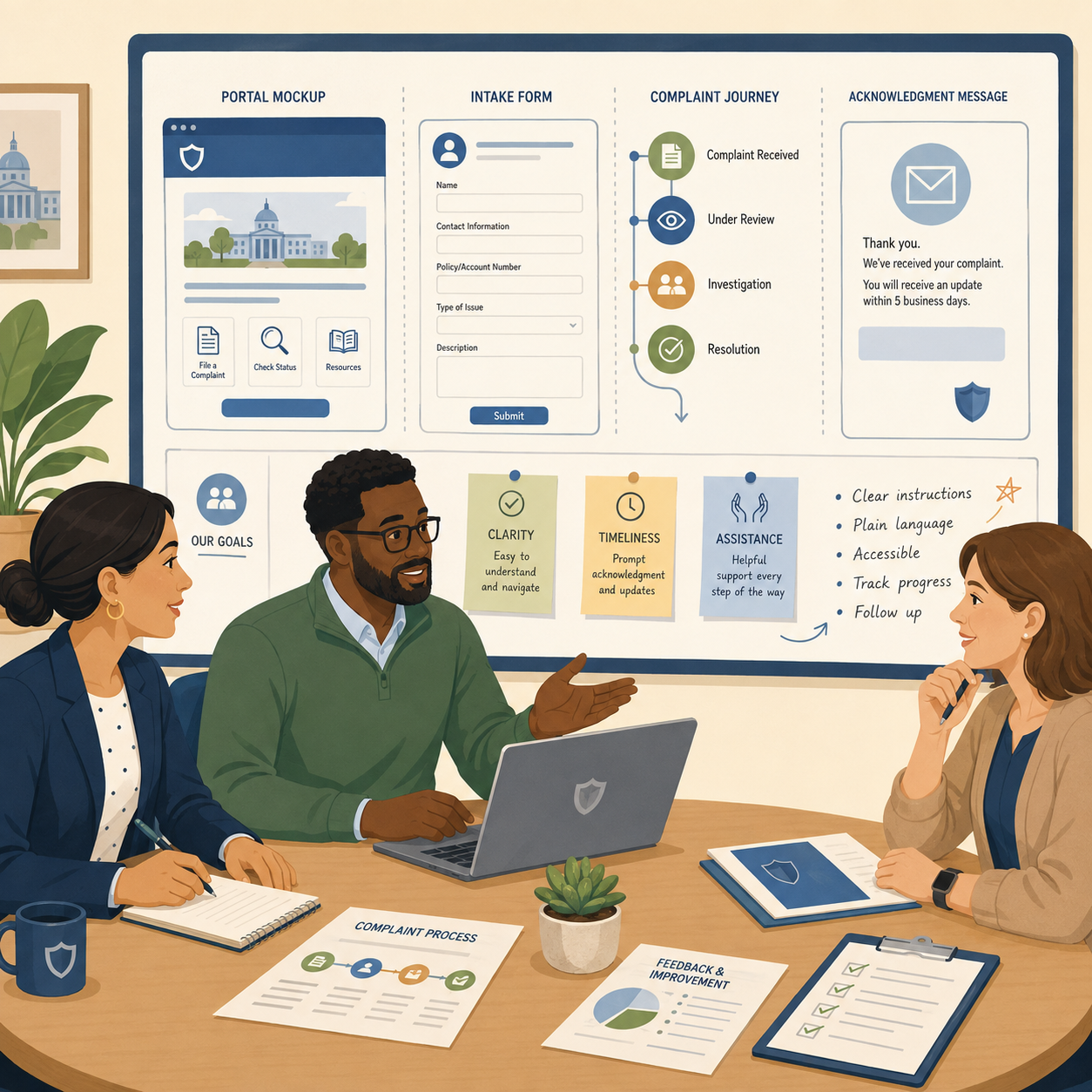 The resolution notice is the most consequential communication in the complaint process because it is the final word the consumer receives on a matter they care deeply about. A resolution notice that is clear, complete, respectful, and actionable transforms the complaint process into a meaningful public service even when the regulatory finding is that no violation occurred. A notice that is bureaucratic, vague, or dismissive leaves the consumer feeling that the process was a waste of time regardless of how carefully the department conducted its review.
Structure and Clarity of the Finding
The resolution notice should begin with a clear, direct statement of the finding. Not a procedural preamble about what was reviewed, not a recitation of the complaint history, not a description of the applicable regulatory standards. The finding, stated in plain language. The consumer’s primary question after submitting a complaint is what did the department find, and the resolution notice should answer that question in the first paragraph.
The explanation of how the finding was reached should follow the finding statement and should be written at a level of detail that gives the consumer genuine understanding without requiring expertise in insurance law or regulation. What the department reviewed, what the key factors were, and why those factors led to the finding should be explained in terms a non-specialist can follow. The goal is not to provide a legal analysis but to give the consumer a coherent account of the reasoning behind the determination.
Regulatory findings and consumer experiences are not always aligned, and the resolution notice must acknowledge this honestly. A finding that the company’s handling of the claim was consistent with the policy language and applicable regulation does not mean that the consumer’s coverage was adequate for their needs, that the company’s communication with them was respectful and clear, or that the policy as sold was appropriate for their situation. Resolution notices that acknowledge the consumer’s underlying experience and loss, while being clear about the regulatory finding, demonstrate that the department treats policyholders with respect even when the regulatory answer is not the answer they hoped for.
Next Steps and Resources
Every resolution notice should include a clear and specific description of the options available to the consumer if they are not satisfied with the outcome. For complaints where no regulatory violation was found, these options might include the company’s formal internal appeals process if it has not yet been exhausted, the state’s independent external review process for health insurance coverage disputes, the consumer’s right to consult with a private attorney, referral to the state’s insurance consumer advocate or ombudsman if one exists, and contact information for the relevant resources.
Contact information for each referenced resource should appear directly in the resolution notice, not require the consumer to search for it separately. A resolution notice that mentions the independent external review process but does not tell the consumer how to initiate it has provided an incomplete next step. A notice that includes the contact information and a brief description of how to begin the external review process gives the consumer everything they need to take the next step without additional research.
For resolutions where the department found a regulatory violation and took action against the company, the notice should explain specifically what action was taken, what the company is required to do, how the action might affect the consumer’s individual situation, and whether the consumer needs to take any steps to benefit from the regulatory action. The distinction between regulatory action taken in the public interest and direct individual benefit to the specific complainant should be explained honestly to avoid creating expectations that the regulatory action will automatically resolve the individual dispute.
Consumer Assistance Materials
A well-functioning complaint process is supported by consumer education materials that help policyholders understand both the complaint process and the underlying insurance issues before and during the process. Consumers who understand what the complaint process can and cannot do, what their insurance policy requires of the company, what standards apply to claim handling, and what documentation supports their position are better equipped to use the complaint process productively and to evaluate the resolution they receive.
A consumer guide to the insurance complaint process should be available on the department’s website, written in plain language, and organized around the questions consumers actually ask rather than the information the department finds easiest to provide. What happens to my complaint after I submit it? Will the company know I filed a complaint? How long does the process take? Can I still negotiate with the company while my complaint is under review? What if I disagree with the department’s decision? These questions, answered directly and honestly, prepare consumers for the process and reduce the volume of inquiries the department receives during the review period.
For specific types of disputes that generate significant complaint volumes, targeted consumer guides that address the specific issues relevant to those disputes can be more valuable than a general complaint process overview. A guide specifically addressing the complaint process for denied claims after natural disasters, for example, would address the specific documentation challenges consumers face after disasters, the typical timelines for post-disaster complaint resolution, the specific regulatory standards that apply to catastrophe claims handling, and the resources available to policyholders who need immediate assistance while their complaint is pending.
Consumer assistance materials should be reviewed and updated regularly to reflect changes in the complaint process, changes in the types of disputes the department is seeing, and feedback from consumers and complaint staff about what information is most needed. A FAQ that was accurate two years ago may not reflect the current process or the current landscape of consumer insurance disputes. The materials are most valuable when they are current and specific rather than general and out of date.
Using Consumer Feedback to Drive Process Improvement
The complaint process generates its own evidence about where communication is working and where it is not. High abandonment rates on the intake form indicate that the form is creating barriers consumers cannot overcome. High volumes of status inquiry calls during the review period indicate that the update communication is insufficient. High rates of requests for clarification after resolution indicate that resolution notices are not clear enough. Each of these patterns points to a specific communication improvement that can reduce consumer friction and improve the department’s operational efficiency simultaneously.
Post-resolution consumer satisfaction surveys, even brief ones with a small number of focused questions, provide direct evidence of how consumers experienced the complaint process. Surveys that ask specifically about the clarity of each communication, the timeliness of each stage, and the usefulness of the resolution notice can identify precisely which elements of the process need improvement. The distinction between dissatisfaction with the process and dissatisfaction with the outcome is important: a consumer can be satisfied with a clear, fair, well-communicated process even when the outcome was not what they hoped for, and that distinction is worth measuring.
Complaint staff insight is among the most underutilized sources of process improvement information available to insurance departments. Staff who answer the phones know which questions consumers ask repeatedly after receiving the acknowledgment, which instructions on the intake form generate the most calls for clarification, and which types of resolution notices generate the most follow-up calls about what the consumer should do next. Regular, structured conversations with complaint staff about the consumer communication challenges they observe most frequently produce the kind of specific, actionable insight that aggregate data alone cannot provide.
Accessibility of the Complaint Process for All Policyholders
An insurance complaint process that is accessible only to consumers who are digitally literate, English-speaking, and able to navigate complex bureaucratic procedures is not accessible to all policyholders. The consumers who most need regulatory assistance, including older adults who may not be comfortable with online forms, non-English speakers who encounter English-only complaint processes, rural residents with limited internet access, and consumers with disabilities that make standard digital interfaces difficult to use, are also among the consumers who are most likely to face significant insurance disputes.
Digital accessibility of the complaint portal is a legal and ethical requirement for government agencies serving diverse public populations. This includes ensuring that the portal can be navigated using keyboard controls alone, that all form fields are properly labeled for screen readers, that color is not the only method used to convey important information, and that the portal functions effectively on the mobile devices that are the primary or only internet access point for a significant share of low-income consumers.
Language access is a specific dimension of complaint process accessibility that requires deliberate investment. A complaint process that is available only in English will not serve consumers whose primary language is Spanish, Vietnamese, Chinese, or any of the other languages spoken by significant populations in many states. At minimum, the intake form, acknowledgment, and resolution notice should be available in the languages most commonly spoken in the state’s population. The most critical notices, particularly those that describe the consumer’s next options after a resolution, should be available in translation so that consumers can understand and act on the information they receive.
For consumers who cannot navigate the online complaint process regardless of how well it is designed, an accessible alternative intake process is essential. A telephone intake option staffed by personnel who can assist consumers in completing complaints over the phone, a paper intake option with a clear mailing address and instructions, and language interpretation services for consumers who call with complaints in languages other than English are all components of a truly accessible complaint process. The online portal is the most efficient channel for complaint intake, but it cannot be the only channel if the department is to serve all of the consumers its regulatory authority covers.
Communication Between the Department and the Consumer’s Insurer
The complaint process necessarily involves communication between the department and the insurance company that is the subject of the complaint. How the department communicates with the company, what it requests, what timeline it sets, and what it does when the company’s response is delayed or inadequate, affects both the quality of the regulatory review and the consumer’s experience of the process. The department’s communication protocols with companies should reflect the same expectations for clarity, timeliness, and specificity that the department expects from its own consumer communications.
The request the department sends to the insurance company should be specific about what documentation and information is required, what the deadline for response is, and what will happen if the company does not respond within the specified period. A vague or open-ended information request gives the company latitude to provide incomplete information that may extend the review period and delay the consumer’s resolution. A specific, well-structured information request produces more useful responses in less time.
The department’s handling of company responses that are incomplete, evasive, or late affects both the quality of the regulatory finding and the consumer’s confidence in the process. A complaint process that routinely accepts inadequate company responses without consequences sends a signal both to companies and to consumers about the department’s regulatory seriousness. Establishing and consistently enforcing clear expectations for company responsiveness to complaint inquiries is a regulatory practice with direct consumer communication implications.
When the company’s response reveals information that is materially different from what the consumer described in the complaint, the department’s communication with the consumer should acknowledge that difference and give the consumer an opportunity to respond. A consumer whose complaint was based on a misunderstanding of their policy terms, or whose account of events is contradicted by records the company has provided, deserves to know what the company has said and to provide any additional information that might change the analysis. This opportunity to respond is both fair process and good consumer communication.
Coordinating the Complaint Process With Other Regulatory Actions
Insurance complaint reviews sometimes reveal patterns that warrant regulatory action beyond the resolution of the individual complaint. A company that has received multiple complaints about the same claims handling practice may be subject to a market conduct examination. An agent whose multiple complaints suggest a pattern of misrepresentation may be referred to the department’s licensing division for review. A complaint that reveals a potential violation of insurance fraud statutes may be referred to the fraud division.
The consumer who filed the individual complaint that triggered a broader regulatory action is generally not entitled to detailed information about that broader action, particularly if it involves other consumers whose privacy is protected. But the consumer should be told that their complaint has been referred or that a broader review is underway, in terms that explain why their individual resolution may look different from what they expected without disclosing protected information about other consumers or compromising the integrity of the ongoing regulatory process.
Coordination between the complaint function and other regulatory functions within the department is a communication as well as an operational challenge. When a market conduct examination is underway involving a company that is also the subject of individual complaints, the complaint staff need clear guidance about what they can communicate to individual complainants about the examination, what information about examination findings can be shared with complainants when the examination is complete, and how individual complaint resolutions will be coordinated with any examination-driven remediation.
Strategic Communication Support for Financial and Insurance Regulators
 The consumer complaint process is a direct expression of the insurance department’s relationship with the public it serves. A complaint process that is accessible, clear, informative, and respectful of the policyholder’s situation demonstrates that the department treats policyholders as its primary constituency. A process that is difficult to navigate, poorly communicated, and opaque about its outcomes signals the opposite, regardless of the rigor of the regulatory review conducted behind the scenes.
Stegmeier Consulting Group (SCG) helps state insurance departments and financial regulatory agencies develop consumer complaint processes that serve policyholders effectively at every stage. That work includes complaint portal and form review, acknowledgment and update communication design, resolution notice templates, consumer assistance material development, and the feedback systems that allow departments to continuously improve based on consumer experience data.
Whether your department is addressing a specific complaint process communication problem or seeking a comprehensive review of the consumer experience from intake through resolution, SCG can help you develop the targeted improvements that make the most difference for the policyholders who rely on your department when they most need it.
Future Trends in Insurance Complaint Communication
Consumer expectations for complaint process communication are rising, driven by the digital service experiences consumers encounter in commercial contexts. An insurance department whose complaint portal is less accessible, less informative, and slower than the service portals consumers use for commercial transactions is falling behind expectations in ways that reduce public confidence in the regulatory system.
Real-time case status visibility, similar to package tracking, is becoming an expectation rather than a premium feature for government service processes. Consumers who can check the status of their complaint at any time through a secure portal without calling the department have a better experience and generate less inbound contact volume for the department. Investment in complaint case management systems that support consumer-facing status visibility is a worthwhile efficiency and experience investment for most departments.
Automated communications triggered by specific case management events, such as the receipt of the company’s response, can provide timely updates without requiring manual communication at each stage. When the messages generated by these automations are well-written and appropriately specific to the stage they describe, they improve both consumer experience and operational efficiency. When they generate generic messages that do not provide useful information, they add to the communication noise without providing value.
Conclusion
Improving the insurance complaint process is fundamentally a communication challenge. The regulatory work the department does remains the same. What improves is the consumer’s experience of that work: how easy it is to begin, how well-informed they are at each stage, and how complete and useful the final communication is. A department that is willing to review its complaint process from the consumer’s perspective and to make targeted communication improvements at each stage will find that those improvements serve both consumers and the department’s operational efficiency simultaneously.
Stegmeier Consulting Group’s Strategic Approach to Communication Systems
Align your complaint process with the consumer experience your policyholders deserve.
State insurance departments need complaint process communication that reduces friction at intake, keeps consumers informed during the review period, and delivers resolution notices that are clear, complete, and actionable. SCG helps insurance departments develop the communication improvements that make the most difference for policyholders who turn to the department when they need it most.
Use the form below to connect with our team and explore how improved complaint process communication can strengthen your department’s service to policyholders.