
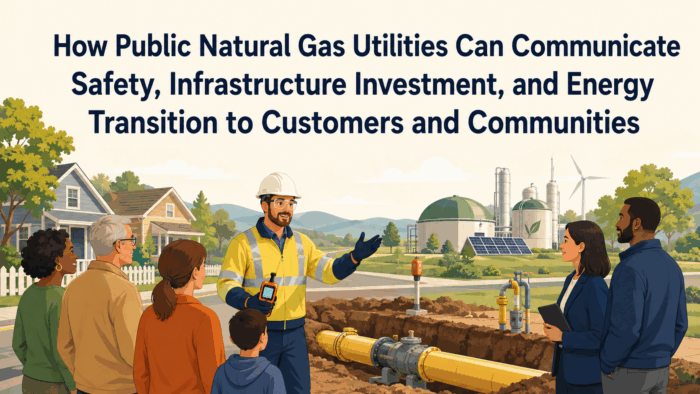
How Public Natural Gas Utilities Can Communicate Safety, Infrastructure Investment, and Energy Transition to Customers and Communities
Natural gas utilities communicate within a safety-first environment that no other utility type fully shares. The combustible nature of natural gas, its potential for explosive concentration in enclosed spaces, and the direct safety consequences of leaks, incidents, and improperly maintained infrastructure and appliances, mean that every natural gas utility communication program operates against a backdrop of public safety risk that shapes how operational communications are received and what consequences communication failures carry. A water utility that communicates inadequately about a service disruption creates an inconvenience. A natural gas utility that communicates inadequately about a leak event or a service disruption may be contributing to public safety exposure that has consequences far beyond inconvenience.
The safety-first communication environment also creates a specific communication posture for natural gas utilities that other utilities do not need to maintain as continuously. The safety information that natural gas utilities must communicate, including how to recognize the smell of gas, what to do if a leak is suspected, and how to maintain gas appliances safely, is information that the utility must reach every customer in its service area, not only those who have experienced a problem or who have sought out safety information. Unlike program communication that targets interested or eligible customers, safety communication must be designed to reach the full customer base continuously, because the safety consequence of a customer who does not know what to do in a gas emergency is not a missed opportunity to participate in a beneficial program but a potential contribution to a dangerous situation.
The energy transition context that natural gas utilities now operate in adds a layer of communication complexity that no previous generation of gas utility management has had to navigate. The long-term trajectory of natural gas as an energy source is genuinely uncertain in a way that shapes how ratepayers, elected officials, and the financial markets that fund gas infrastructure investment respond to natural gas utility communications. A gas utility that is investing in new pipeline infrastructure must communicate that investment in the context of public conversations about whether long-term gas system investment is prudent given the policy and market trajectory of natural gas as an energy source. The communication challenge is to be honest about this uncertainty without undermining the safety and service reliability rationale for the infrastructure investments that current gas service requires.
This article examines how public natural gas utilities can communicate safety as the foundational priority of all their programs, manage leak and incident response communication, explain pipeline replacement investments, navigate the energy transition narrative, communicate with customers in areas facing gas service discontinuation, communicate rate increases tied to safety mandates, and serve commercial customers whose operational preferences for gas service create specific communication challenges.
Safety as the Communication Foundation
 The safety-first communication posture of natural gas utilities is not simply a matter of regulatory requirement or institutional risk management. It is the communication culture that most directly determines whether customers treat gas safety information as important and actionable guidance or as routine institutional messaging that they can safely tune out. A utility that communicates safety information primarily through regulatory compliance notices, in the legally mandated formats and at the legally required frequencies, may satisfy its compliance obligations while producing the customer safety awareness outcomes that genuine safety communication requires. A utility that treats safety communication as the most important and the most continuously maintained element of its customer communication program produces a different customer safety culture.
Odor recognition communication is the most basic and most essential element of natural gas safety customer education, and it is the communication that most directly determines whether customers respond appropriately when they smell gas rather than ignoring the odor or delaying their response while they evaluate whether their concern is justified. The distinctive sulfur-based odorant that is added to natural gas for exactly this detection purpose is the primary safety mechanism that the customer is the frontline for, and communication that makes odor recognition automatic and response behavior immediate is the safety communication investment that most reduces leak incident consequences. Every new customer, every customer who moves into a home with gas service, and every customer who has not recently been reminded of the odor recognition and response protocol deserves this communication delivered through the channels and in the terms that will most reliably reach them.
Appliance safety communication, which covers the proper maintenance, operation, and ventilation requirements for gas-fired appliances including furnaces, water heaters, ranges, and dryers, addresses the most common source of natural gas-related incidents: improperly maintained or operated appliances that produce carbon monoxide, create combustion risks, or generate gas leaks in the home. Communication that is specific enough to be actionable, including the specific maintenance schedule recommended for specific appliance types, the warning signs of appliance problems that require professional service, and the ventilation requirements for appliances in enclosed spaces, provides the customer safety education that generic reminders to maintain appliances safely cannot match.
Carbon monoxide communication deserves specific attention in natural gas utility safety programs because carbon monoxide, produced by the incomplete combustion of gas in appliances or heating systems, is an odorless hazard that odor recognition alone cannot detect. Every natural gas customer whose home has gas-fired appliances is a potential carbon monoxide risk if those appliances malfunction or are improperly maintained, and communication that explains carbon monoxide risk, symptoms, and the importance of carbon monoxide detectors, supplements the gas odor recognition communication that alone cannot address this specific hazard.
From Fragmentation to Coordination: Communication Strategies for Councils of Governments, Metropolitan Planning Organizations, and Regional Planning Agencies
This case study is part of SCG’s series on communication for councils of governments, metropolitan planning organizations, and regional planning agencies. To learn more and to see the parent article, which links to other content just like this, click the button below.
Leak and Incident Response Communication
Gas leak response communication is the most time-sensitive and most safety-critical communication that natural gas utilities produce, and it must function reliably under the operational pressure of an active incident that is simultaneously demanding emergency response, regulatory notification, and media management attention. A natural gas utility that has not developed pre-approved message frameworks for its most likely leak and incident scenarios, that has not established the coordination relationships with emergency services and regulatory agencies that incident response communication requires, and that has not built the multi-channel notification systems that immediate community alert demands, is a utility that will improvise its incident communication under exactly the conditions that make improvisation most dangerous.
Initial leak notification to customers in the immediate area of a detected gas leak must be rapid, geographically specific, and actionable. Customers who are being told to evacuate their homes or to leave a specific area until the leak is controlled need to know specifically who they are, what they should do, where they should go, and whom they should contact with questions. A notification that is geographically vague, that provides an action that is unclear, or that arrives only through channels that some affected customers do not access, has failed the basic functionality of an emergency notification. Geographically targeted emergency alert systems, automated phone calls to affected addresses, and coordination with local emergency management for broadcast alerts, are the multi-channel notification components that immediate-area leak notifications require.
Cause and scope communication for gas incidents, which explains what caused the leak or incident, what the scope of the affected area is, and what measures are being taken to secure the situation, must balance the speed that public safety requires with the accuracy that credibility demands. A communication that provides a premature cause assessment that subsequent investigation revises is less problematic than a communication that delays cause information while the incident is still active, because community members who do not know what is happening are more likely to make unsafe decisions than those who have partial information about a situation that is being managed. The communication principle is to share what is known accurately and to identify clearly what is not yet known rather than waiting until the full picture is available before communicating anything.
Post-incident communication that accounts for what happened, what the utility found in its investigation, what factors contributed to the incident, and what corrective measures are being implemented, provides the accountability communication that gas incidents require. A utility that investigates a gas incident and communicates its findings publicly, including honest acknowledgment of any operational or maintenance factors that contributed to the incident, is demonstrating the safety accountability that public trust in gas utility management requires. A utility that manages incidents internally without public accounting of the causes and corrective measures is building the credibility problem that eventual regulatory disclosure of those findings will create.
Pipeline Replacement Communication
Pipeline replacement programs, which replace aging bare steel or cast iron distribution mains with modern polyethylene or coated steel pipe, are the capital investment that most directly addresses the long-term safety risks of an aging gas distribution system, and they are also among the most expensive and most disruptive infrastructure investments that gas utilities make. Communication about these programs must accomplish several functions simultaneously: explain the safety rationale for the investment in terms that justify its cost to ratepayers who are not experiencing visible safety problems, manage the community disruption that excavation and pipe replacement creates, and navigate the energy transition context that makes long-term gas infrastructure investment politically contested in ways it was not a decade ago.
Safety rationale communication for pipeline replacement must make the specific safety case for why aging pipe requires replacement, in terms that connect to the public safety experience that ratepayers can understand. The corrosion rate of bare steel pipe in specific soil conditions, the leak frequency of specific pipe vintages in the utility’s system, and the consequences of corrosion-related leaks in terms of the incidents they have caused and the near-misses they have produced, are all specific evidence of replacement necessity that is more compelling than abstract statements about the importance of modernizing aging infrastructure. This evidence is available in the utility’s own incident and maintenance records, and communicating it honestly, with the specific data that makes the safety case specific rather than general, is the communication standard that pipeline replacement investment requires.
Rate impact communication for pipeline replacement programs must be honest about the cost of the investment and its implications for the long-term rate trajectory of gas service. A pipeline replacement program that will require rate increases over a decade-long program is a financial commitment that ratepayers deserve to understand fully, including the pace of rate adjustments, the program cost assumptions and their uncertainty, and the alternative scenario of continuing to operate the aging infrastructure that the replacement program is designed to address. The deferred investment cost argument, which shows that operating aging infrastructure with increasing leak frequency is more expensive in emergency repair costs, regulatory penalties, and incident consequences than planned replacement, is a specific financial argument that makes the rate increase more comprehensible and more justifiable than a general appeal to infrastructure safety.
Navigating the Energy Transition Narrative
The energy transition narrative for natural gas utilities is the most politically contested communication challenge in the gas sector, and it is one whose management will determine the long-term political sustainability of gas utility operations in communities where the transition debate is most active. The debate about whether natural gas should continue to be used for space heating, water heating, and cooking in residential and commercial buildings, set against the climate policy commitments of many states and municipalities that require decarbonization of the building sector, is a values-based policy debate that natural gas utilities cannot avoid but that most have not developed the communication frameworks to navigate effectively.
Honest energy transition communication for natural gas utilities requires acknowledging the genuine uncertainty about the long-term role of natural gas in a decarbonizing energy system without either dismissing that uncertainty as manageable or catastrophizing it in ways that undermine the utility’s capacity to serve its current customers well. A utility that communicates about the energy transition primarily through the lens of defending natural gas’s continued role, without acknowledging the legitimate environmental concerns that are driving the transition, will be perceived as an advocacy actor rather than an honest institutional communicator. A utility that communicates honestly about both the current value of natural gas service and the genuine challenges that decarbonization goals create for long-term gas infrastructure investment is communicating within the epistemic honesty that public trust requires.
Green gas and renewable natural gas communication, which explains the emerging role of biomethane, hydrogen blends, and other low-carbon gas substitutes in the long-term evolution of the gas distribution system, provides a transition narrative that acknowledges the decarbonization trajectory while explaining how the gas distribution infrastructure may continue to serve a role in a decarbonized energy system. This communication is most credible when it is specific about the current scale of green gas availability, honest about the cost and scale challenges that broad adoption of green gas alternatives would require, and clear about the specific investments and regulatory developments that would be needed to make the green gas transition viable at the scale that decarbonization goals require.
Stakeholder engagement on the energy transition, which convenes the elected officials, environmental organizations, business associations, and community members who have stakes in the outcome of local energy transition decisions, provides the governance communication context that utility-to-customer communication alone cannot supply. A gas utility that engages stakeholders honestly in conversations about the energy transition trajectory of the gas system, that provides the specific technical and financial analysis that stakeholders need to participate meaningfully in those conversations, and that treats the conversation as a genuine governance dialogue rather than as a public relations management challenge, is building the kind of institutional credibility that the energy transition communication environment demands.
Communicating With Customers Facing Gas Service Discontinuation
Customers in areas where the gas utility is discontinuing service, either because the economics of serving low-density areas with aging infrastructure no longer justify continued investment or because a municipal decarbonization commitment has led to a gas service discontinuation program, face a transition that most customers did not anticipate and that may require significant household investment in alternative heating and cooking equipment. Communication with these customers requires a specific combination of advance notice, transition support information, financial assistance program information, and ongoing status updates that is more intensive and more personally responsive than standard utility customer communication.
Advance discontinuation notice must be sufficiently early to allow customers to plan and complete the appliance replacements and contractor work that transitioning from gas to electric service requires. A notice that arrives six months before gas service is discontinued may be adequate for customers who can quickly complete the transition and who have the financial resources to do so without assistance. A notice that arrives six months before service discontinuation for a customer who needs to replace a gas furnace, a gas water heater, and a gas range, and who qualifies for financial assistance programs that take additional time to access, may not be adequate for the customer to complete the transition without a period of living without working heating or cooking. Communication that is specific about the transition timeline, that provides a realistic account of the time and resources required to complete the appliance transition, and that identifies the financial assistance programs available for customers who need them, is the communication standard that gas service discontinuation requires.
Financial assistance program communication for gas service discontinuation must reach every eligible customer proactively rather than requiring customers to seek out assistance programs on their own. The customers most likely to need financial assistance with appliance replacement are also the customers least likely to successfully navigate a complex assistance program application without support, and communication that provides not only program information but actual enrollment assistance through community organization partners, utility customer service outreach, and income-qualified customer identification programs, demonstrates the institutional commitment to customer support that the hardship implications of gas service discontinuation require.
Commercial Customer Communication
Commercial natural gas customers, including restaurants, industrial facilities, and other businesses with significant gas usage, have a relationship with gas service that is different from residential customers in several important ways. Gas is not simply a commodity for these customers; it is in many cases the specific fuel whose combustion characteristics, temperature range, and operational flexibility make it the preferred or in some cases the only practical fuel for specific commercial and industrial processes. A restaurant whose cuisine depends on the heat characteristics of gas flames, an industrial facility whose processes are designed around natural gas combustion temperatures and response characteristics, and a laundry or food processing operation whose capital equipment is designed for gas operation, are all commercial customers for whom the suggestion that they simply switch to electricity as gas service becomes more expensive or less reliable is not a straightforward alternative.
Rate increase communication for commercial customers with significant gas usage must provide the business-specific rate impact information that allows commercial operators to plan for the cost changes, evaluate their alternatives, and make the capital investment decisions that a rate trajectory makes relevant. A restaurant operator who is told that commercial gas rates will increase by fifteen percent over the next three years, and who has been given a realistic estimate of what that means for their monthly gas cost, is in a position to evaluate whether the rate trajectory makes investment in alternative equipment worth considering. A restaurant operator who receives a generic rate increase communication that describes average household impacts has received communication that is not relevant to their business situation.
Operational safety communication for commercial customers must address the specific safety requirements of commercial gas equipment that residential safety communication does not cover. The maintenance requirements of commercial cooking equipment, the safety protocols for industrial process equipment that uses gas at pressures or in configurations not used in residential settings, and the specific ventilation and combustion air requirements of commercial gas appliances, are all safety communication topics that require sector-specific communication rather than the residential-focused safety messaging that dominates most gas utility safety programs. Trade association partnerships, business association channels, and direct commercial account relationship communication are the most effective channels for reaching commercial gas customers with the sector-specific safety information their operations require.
How Natural Gas Utility Communication Compares With Electric Utility Communication
Natural gas and electric utility communication share the fundamental challenge of communicating about essential energy services whose continuous, reliable delivery most customers take for granted until a disruption or a rate increase makes them attend to the service. Both must communicate about infrastructure investment rationale, safety incidents, and an energy transition that creates genuine uncertainty about the long-term trajectory of their respective energy sources. What distinguishes gas utility communication is the safety dimension that pervades every communication program in ways that electric utility communication does not require.
The energy transition communication challenge is more acute for natural gas utilities than for electric utilities because the direction of the transition, toward decarbonization of the building sector through electrification, is fundamentally a transition away from natural gas rather than toward a lower-carbon version of it. Electric utilities can communicate about the clean energy transition as a transformation of their generation portfolio while retaining their essential function as electricity providers. Natural gas utilities must communicate about a transition whose ultimate trajectory, if fully realized, is the discontinuation of natural gas as a fuel for the end uses their customers currently depend on them to serve. This existential dimension of the energy transition is unique to gas utilities and requires communication that is more honest about uncertainty and more engaged with long-term scenario planning than most utility communication programs have been designed to provide.
Emergency Gas Service Restoration Communication
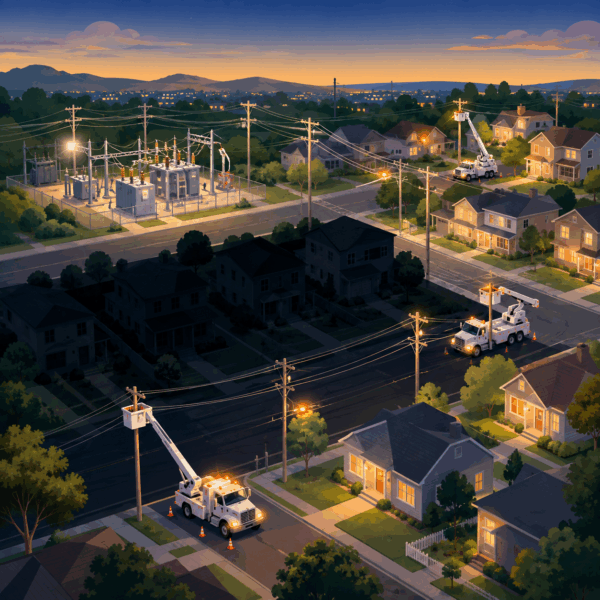 Gas service restoration following a major incident that requires shutdown of a distribution system segment, such as a significant leak, a main rupture, or an explosion event, is among the most operationally complex and community-communication-intensive events that a natural gas utility faces. Restoring gas service to a distribution system that has been shut down requires systematic purging, pressure testing, and customer notification before service can be reestablished, and it requires the utility to coordinate with every affected customer to arrange an access appointment for the relighting of pilot lights and the verification of appliance safety before gas service is restored to each address.
Service restoration communication must reach every affected customer proactively, provide specific information about the restoration timeline for their address, explain what the customer must do to prepare for the restoration appointment, and provide the customer contact information for scheduling the appointment and for reporting if they are unable to be home during the offered appointment window. A restoration communication program that relies on general public notification rather than address-specific direct contact will leave some customers without service past the restoration of the main system because they did not know that an appointment was required or did not know how to schedule one. The operational consequence of failed restoration communication is customers without gas service in situations where extended gas outage may have heating, safety, or food preparation consequences.
Multi-language restoration communication for service areas with significant non-English-speaking populations is a safety obligation as well as an equity communication requirement during gas service restoration events. A customer who does not understand the restoration process communication, who does not know that an appointment is needed, or who cannot navigate the appointment scheduling process because it is available only in English, may remain without gas service after the main system is restored in ways that affect their household safety and wellbeing. Restoration communication in the languages of the service area’s non-English-speaking populations is among the most operationally essential multilingual communication investments that natural gas utilities can make.
Vulnerable customer priority restoration programs that identify elderly customers, customers with medical needs, and households with infants or young children in the affected service area, and that prioritize their restoration appointments, demonstrate the safety-first community care that gas utility governance requires during major service restoration events. Communication about these priority restoration programs, including how customers can self-identify as needing priority restoration and how the utility identifies customers for proactive priority outreach, provides the information that vulnerable customers need to access the priority restoration services available to them.
Rate Increase Communication Tied to Safety Mandates
Natural gas rate increases that are driven by safety mandate compliance, including pipeline replacement requirements, leak detection technology investments, and enhanced inspection programs required by regulatory action, present a specific communication challenge because the investment is driven by external regulatory requirements rather than by the utility’s discretionary capital investment decisions. Communication that explains this regulatory driver honestly, including what the specific safety regulation requires, which regulatory agency has set the requirement, and what the consequences of non-compliance would be, gives ratepayers the external accountability context that makes the safety mandate rate increase more comprehensible and more credible than a utility-initiated capital investment.
Safety mandate rate communication should connect the specific regulatory requirements to the specific community safety outcomes they are designed to produce. A pipeline replacement mandate that is driven by a regulatory finding that a specific vintage of pipe has elevated leak rates in the utility’s system is a mandate whose safety rationale is grounded in the utility’s own infrastructure condition data and in the regulatory analysis that determined the replacement priority. Communicating this safety rationale with the infrastructure condition data that supports it, explaining what the regulatory finding was and what it means for the leak frequency and incident risk of the affected pipe, makes the safety mandate rate increase specific and evidentially grounded rather than abstract.
Long-term safety investment program communication, which situates individual safety mandate rate adjustments within the multi-year safety investment program they are part of, gives ratepayers the full picture of the financial commitment the utility is making to safety infrastructure and the trajectory of rate adjustments that program will produce. A safety investment program that requires rate adjustments in each of the next seven years deserves communication that shows the full trajectory, explains the safety progress that each year’s investment will produce, and acknowledges the cumulative rate impact with the same honesty that the annual rate adjustments deserve. Presenting each annual adjustment as a standalone event, without the multi-year context that allows ratepayers to evaluate the full commitment, is incomplete communication about a financial obligation that ratepayers deserve to understand fully.
Contractor and workforce communication for safety-driven pipeline replacement programs provides a dimension of safety investment transparency that most utilities do not address in their public-facing communication. The specific credentials required of contractors performing safety-critical pipeline replacement work, the inspection and quality assurance processes that verify the work is done correctly, and the utility’s own role in overseeing contractor performance on safety-critical programs, are all accountability communications that demonstrate the institutional seriousness about safety execution that safety investment communication claims.
Communicating About Gas Service in Cold-Climate Communities
In cold-climate communities where natural gas is the primary heating fuel for a significant share of residences, the safety and service reliability implications of gas utility communication take on a seasonal urgency that moderate-climate communities do not experience to the same degree. A gas service disruption during extreme cold weather is not simply an inconvenience. It is a potential health emergency for elderly residents, for households with infants or young children, and for residents who cannot quickly access alternative heating sources. The communication that accompanies cold-weather gas service disruptions in cold-climate communities must reflect this urgency in its speed, its specificity, and its attention to the vulnerable populations most at risk during heating system outages.
Winter preparedness communication for natural gas customers in cold climates is an annual communication investment that most utilities make inadequately. A pre-winter communication that helps customers identify whether their heating system is functioning properly before cold weather arrives, that explains the utility’s emergency service protocols and how to access them, that provides information about weatherization programs that reduce heating demand and therefore reduce heating system stress during extreme cold events, and that identifies community warming center resources available to customers who cannot maintain safe temperatures in their homes during heating emergencies, provides genuine winter safety preparation that most utility pre-winter communications do not approach.
Disconnection moratorium communication for cold-weather periods, where regulatory or policy protections restrict gas utility service disconnection for non-payment during cold weather, is a specific communication obligation that reaches the most financially vulnerable gas customers at the moment when they are most at risk of both payment difficulty and heating system disruption. Communication that clearly explains the disconnection protections available during cold-weather periods, the income thresholds and application processes for extended protections, and the utility’s commitment to working with customers experiencing payment difficulty before considering disconnection actions, demonstrates the safety-first community care that cold-climate gas utility governance requires.
Communicating With Municipalities on Gas Service Policy
Municipalities that have adopted net-zero or building decarbonization policies are increasingly making decisions about the long-term role of natural gas in their communities that affect the regulatory and political environment in which local gas utilities operate. A city that has adopted a commitment to eliminate natural gas use in new construction, that is considering restrictions on gas service in specific building types or zones, or that is exploring whether to support gas service discontinuation in specific service areas as part of a building electrification program, is a city whose energy policy direction creates specific communication obligations for the natural gas utility that serves it.
Municipality engagement for natural gas utilities on building electrification and decarbonization policy requires communication that is honest about the technical and financial implications of decarbonization policies for existing gas customers and for the utility’s infrastructure investment decisions, without being defensive or dismissive of the legitimate environmental motivations behind those policies. A utility that provides honest, detailed technical and financial analysis of proposed building electrification policies to the municipal government considering them is serving both its obligation to provide accurate information to the governance bodies that oversee its service territory and its obligation to its customers who depend on gas service and who deserve honest communication about the policy discussions that may affect their service.
Regional coordination on energy transition policy, where multiple municipalities, utilities, and regional planning agencies are working toward aligned decarbonization strategies that address both electric and gas system planning, creates communication opportunities that individual utility-to-municipality engagement does not. A natural gas utility that participates actively in regional energy transition planning processes, that provides technical analysis that helps align gas system planning with the regional decarbonization trajectory, and that communicates transparently about its participation in those processes to its ratepayers, is demonstrating the institutional engagement with the energy transition that its community governance obligations require.
Communicating About Gas Infrastructure in the Context of Climate Policy
The conversation about natural gas infrastructure investment in the context of climate policy is one of the most consequential and most difficult communication challenges that publicly owned gas utilities face. State climate policies that set ambitious greenhouse gas reduction targets, municipal building electrification ordinances that restrict gas connections in new construction, and federal infrastructure investment programs that explicitly exclude fossil fuel infrastructure, are all creating a policy environment in which significant long-term gas infrastructure investment requires specific justification against the climate policy backdrop that public institutions must acknowledge.
Climate policy context communication for gas utilities does not require the utility to endorse or advocate for specific climate policies that its governing board has not adopted. It requires the utility to communicate honestly about the policy environment in which it is making infrastructure investment decisions, and about how those decisions have been made in light of that environment. A utility that is investing in pipeline infrastructure with a thirty-year design life must communicate about what that investment assumes about the trajectory of gas demand over that period, and what risk management the utility has built into the investment decision to account for the possibility that the policy environment shifts in ways that affect that trajectory.
Risk disclosure communication for long-term gas infrastructure investment, which acknowledges the specific policy and market risks that a gas infrastructure investment faces over its full design life, is the financial and governance accountability communication that ratepayers and investors in publicly owned gas utilities deserve. A utility that acknowledges that its pipeline replacement investment faces policy risk from state building electrification requirements, market risk from declining gas demand in a transition scenario, and regulatory risk from changing safety requirements, and that explains how it has evaluated and is managing those risks in the specific investment decisions it is making, is providing the honest, forward-looking communication that responsible long-term infrastructure governance requires.
Stranded asset risk communication is the most difficult element of gas infrastructure communication in the energy transition context because it requires the utility to acknowledge explicitly that some of its planned or existing infrastructure may not serve its full designed economic life if the energy transition proceeds at the pace that policy commitments imply. Most gas utilities have been reluctant to provide this communication because it raises questions about the prudence of current infrastructure investment that governing boards and regulators may find uncomfortable. But the ratepayers who fund gas infrastructure investment through their rates deserve honest communication about the stranded asset risk that long-term gas infrastructure investment creates in the current policy environment, and the utilities that provide that communication demonstrate the institutional integrity that public trust in utility governance requires.
Building Safety Culture Through Customer Communication
The safety culture that natural gas utilities need to maintain in their customer base is not built through annual safety notices and required regulatory disclosures alone. It is built through the consistent integration of safety information into every customer communication touchpoint, the normalization of safety awareness as a natural component of the customer-utility relationship, and the demonstrated responsiveness to safety concerns that shows customers that their safety reports are taken seriously and acted on promptly. These safety culture elements are the product of sustained, consistent communication investment rather than periodic safety campaigns, and they produce a customer population that is more reliably aware of gas safety risks and more reliably responsive to safety guidance than periodic safety communication can achieve.
Safety reporting normalization, which communicates regularly about the safety reports that customers have made and the utility’s responses to those reports, demonstrates that customer safety reporting is both valued and consequential. A utility that publishes a regular safety communication reporting on the number of gas leak reports received, the response times achieved, and the outcomes of those responses, including the proportion that resulted in confirmed leaks and the proportion that found no leak after investigation, is normalizing safety reporting as an ordinary and valuable customer behavior rather than treating it as an exceptional action reserved for obvious emergencies. This normalization produces more frequent reporting of ambiguous or uncertain odor detections that may be early warnings of developing leaks.
Safety education at community events and through community partner organizations extends gas safety communication into community contexts where it reaches customer populations who may not be engaged with standard utility communication channels. A natural gas utility that staffs a booth at a community fair with safety information and hands-on demonstrations of odor recognition, that partners with apartment building managers to provide tenant safety education for residential gas users, and that provides gas safety training through the local fire department’s community education programs, is embedding safety communication into the community fabric in ways that periodic utility mailings cannot match.
Tying It All Together
Natural gas utility communication is built on a safety foundation that makes it fundamentally different from every other utility communication program, and that safety foundation is not simply a regulatory compliance requirement but a genuine operational reality that every customer must understand at a basic level to participate safely in gas service. The communication programs that serve safety, infrastructure investment, and energy transition goals are all built on this foundation, and their effectiveness depends on the safety communication culture that the utility has built through consistent, accessible, and genuinely useful safety information delivered to every customer in every communication context.
The energy transition challenge that natural gas utilities now face is the communication test that will define their institutional character for the next generation. Utilities that communicate the transition honestly, that engage community members genuinely in the difficult conversations about the long-term trajectory of gas service, and that treat the legitimate concerns of customers who depend on gas service with the respect and specificity those concerns deserve, will build the institutional credibility that makes the transition, however it unfolds, more manageable. Utilities that communicate defensively, that avoid honest engagement with transition uncertainty, and that treat transition concerns as a public relations problem to be managed rather than a governance challenge to be addressed, will find the transition progressively more contested and more damaging to the institutional trust they need to serve their customers well in whatever energy future emerges.
Strategic Communication Support for Natural Gas Utilities
 Developing the safety communication programs, incident response frameworks, pipeline replacement communication strategies, energy transition engagement programs, service discontinuation customer support communications, and commercial customer outreach that natural gas utilities require is work that most utility communication teams have not been fully staffed or resourced to accomplish. The safety-first communication culture that gas utilities require is particularly demanding because it cannot be delegated to periodic campaign cycles: it requires continuous integration of safety messaging into every customer communication touchpoint throughout the year.
Stegmeier Consulting Group (SCG) works with natural gas utilities to develop communication programs that are built around the specific safety culture, infrastructure investment priorities, and energy transition context of each utility’s situation. This includes developing the safety communication frameworks that build customer safety awareness through every interaction touchpoint, designing the incident response communication systems that serve both the immediate public safety function and the long-term institutional credibility function of gas incident communication, creating the pipeline replacement communication programs that explain safety investment rationale honestly to ratepayers navigating the energy transition context, and building the customer support communication systems that serve residential and commercial customers facing service discontinuation with the specificity and personal responsiveness their situations require.
Future Trends in Natural Gas Utility Communication
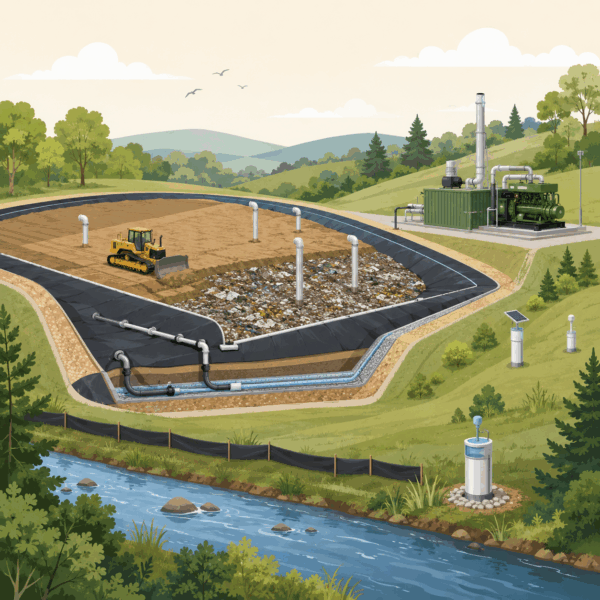
The natural gas utility communication landscape is being reshaped by three converging forces that utilities need to anticipate and prepare for. The first is the accelerating pace of building electrification policy in states and municipalities with aggressive climate commitments, which is creating a regulatory and policy environment where gas utilities must communicate about service changes, discontinuation areas, and transition support programs at a scale and frequency that current communication programs are not designed to handle. The second is the emerging market for green gas alternatives, including biomethane from landfills and agricultural operations and hydrogen from electrolysis, which may extend the role of the gas distribution infrastructure in a decarbonizing energy system but which requires communication that is honest about the current scale constraints and cost challenges of these alternatives.
The third force is the increasing safety regulatory scrutiny that gas distribution systems are receiving in the wake of significant pipeline incidents in recent years, which has produced new leak detection requirements, pipeline replacement mandates, and safety management program standards that create both new communication obligations and new opportunities for safety accountability communication that demonstrates the utility’s genuine commitment to the safety mission that gas service requires. A utility that communicates proactively about its new safety monitoring programs, its progress against pipeline replacement schedules, and its safety performance metrics, is using the regulatory safety agenda to build the safety credibility that customer trust in gas service requires.
Digital safety tools, including smartphone applications that allow customers to report suspected leaks, track the status of reported safety concerns, and access real-time information about gas incidents in their area, are creating new customer-facing safety communication capabilities that supplement the traditional utility communication channels. A customer who can report a gas odor through a mobile app and receive a real-time status update as the utility investigates, rather than waiting on hold for a customer service representative, is a customer whose safety response is more likely to be timely and whose experience of the utility’s safety responsiveness is more direct and more credible than a phone-based reporting system can provide.
Conclusion
Natural gas utility communication is safety communication first, and everything else second. The infrastructure investment programs, the rate increase communications, the energy transition narratives, and the commercial customer outreach programs are all important, but they all exist within the safety communication context that makes natural gas a uniquely consequential utility to communicate about. The utility that loses sight of this safety primacy, that allows the energy transition debate or the rate case management pressure to crowd out the continuous safety communication investment that gas service requires, is a utility that is failing its most fundamental communication obligation.
The energy transition will reshape the natural gas utility sector in ways that are not yet fully predictable, and the communication that accompanies that reshaping will determine whether the transition is experienced by customers and communities as a managed evolution of their energy systems or as a series of disruptions that were imposed on them without adequate preparation, support, or honest engagement with their concerns. Gas utilities that commit to the honest, specific, and genuinely responsive communication that the transition requires are utilities that will earn the institutional credibility to help manage the transition rather than simply experiencing it.
Stegmeier Consulting Group’s Strategic Approach to Communication Systems
Build natural gas utility communication on the safety-first culture that gas service requires, integrating safety communication into every customer touchpoint while navigating infrastructure investment and energy transition with the honesty and specificity that public trust demands.
Natural gas utilities that build their communication programs on a genuine safety-first culture, that communicate infrastructure investment and energy transition honestly within that safety context, and that serve commercial and residential customers facing service changes with the specificity and support their situations require, build the institutional credibility that makes gas utility operations sustainable in communities navigating the energy transition. Stegmeier Consulting Group (SCG) helps utilities develop the safety communication frameworks, incident response systems, pipeline replacement programs, and energy transition engagement strategies that serve the full range of natural gas utility communication challenges.
Use the form below to connect with our team and explore how strategic communication support can strengthen your utility’s communication program.