How Insurance Regulators Can Communicate After a Natural Disaster
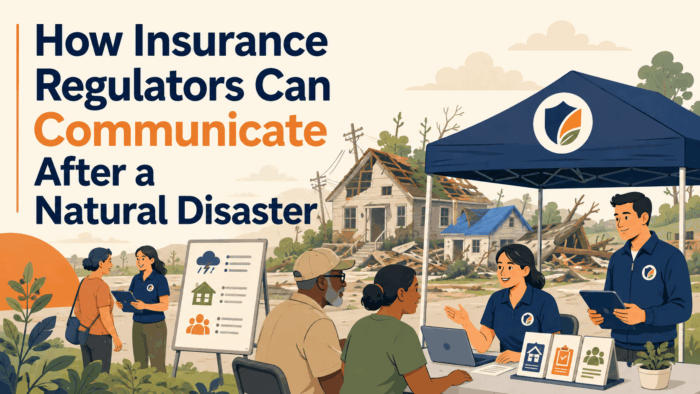
When a major natural disaster strikes, state insurance regulators face an immediate and intense communication responsibility. Policyholders who have lost homes, vehicles, and personal property need specific, accurate, timely information about what to do next. They need to know how to document their damage, how to contact their insurer, how to protect their property from further loss, how to work with adjusters, how to recognize and avoid scams, and where to find assistance if their insurer is slow to respond or if they encounter problems with their claim. All of this must be communicated quickly, through channels that reach disaster-affected communities, in conditions where normal communication infrastructure may itself have been damaged.
Post-disaster insurance communication is one of the most operationally demanding forms of regulatory communication because it combines the urgency of emergency communication with the complexity of insurance technical content, the geographic targeting of localized communication, and the sensitivity of reaching people who are already in acute distress. Getting it right requires advance preparation, established relationships with distribution partners, pre-drafted message templates that can be quickly adapted to specific events, and the flexibility to reach communities where standard communication channels may not be functioning.
This article addresses how insurance regulators can communicate effectively with consumers in the aftermath of a natural disaster. It covers the messages consumers need immediately after a disaster, including documenting damage before cleanup begins, contacting insurers and understanding claim timelines, protecting property from further loss, working productively with adjusters, avoiding post-disaster scams, locating government and nonprofit assistance, and understanding what to expect and when from the insurance claims process. It also covers how to reach affected populations through disrupted communication channels and how to sustain communication as the recovery period extends.
The First 24 to 72 Hours: Immediate Priority Messages
 The first messages that insurance regulators must communicate after a disaster are the ones that protect policyholders’ ability to file and recover on their insurance claims. These are time-sensitive messages because the actions they motivate, particularly documenting damage before cleanup begins, must happen quickly or the opportunity to document is lost. If a policyholder’s damaged property is cleaned up, repaired, or discarded before it is documented, the evidence needed to support their insurance claim may be irretrievably gone.
Document your damage before you begin any cleanup or repair. This is the single most important message for disaster-affected policyholders in the immediate aftermath of a loss. The documentation should include photographs and videos of all affected areas of the home and its contents, taken from multiple angles and in sufficient detail to show the nature and extent of the damage. If items must be removed or discarded for health or safety reasons before a full documentation can be completed, at minimum photograph each item before it is removed. This documentation will be critical for supporting the insurance claim, particularly for contents claims where the damaged items may otherwise need to be verified by the adjuster in person.
Contact your insurance company as soon as it is safe to do so. Most insurance policies require prompt notification of a loss, and delays in reporting can create complications in the claims process. The insurer’s claims number should be called as soon as possible after the loss is discovered. If the policyholder cannot reach their insurer by phone, they should try the company’s website, mobile app, or email contact. If they do not have their insurance company’s contact information, their agent can provide it. The insurance department’s website should also provide contact information for major insurers operating in the state.
Protect your property from further damage to the extent that you can do so safely. Insurance policies typically require policyholders to take reasonable steps to prevent additional damage to their property after a loss. Covering a damaged roof with a tarp to prevent additional water intrusion, boarding up broken windows or doors to prevent further damage or theft, and removing undamaged property from a structure at risk of further damage are all steps that policyholders should take if they can do so safely. Policyholders should keep receipts for any materials purchased for temporary protection measures, as these costs may be covered under their policy.
Protecting the Public Interest: Communication Strategies for Financial Regulation, Insurance, and Consumer Protection Agencies
This article is part of our series on strategic communication for Financial Regulatory Agencies, State Insurance Departments, and Consumer Protection Agencies. To learn more and to see the parent article, which links to other content just like this, click the button below.
Explaining the Claims Process and What to Expect
A policyholder who does not know what the claims process looks like is a policyholder who is likely to misinterpret normal process steps as problems, who may not know what to do when they do not hear from their insurer, and who is vulnerable to exploitation by bad actors who offer to accelerate or simplify the process in exchange for their cooperation with fraudulent arrangements. Post-disaster communication should explain the claims process in enough detail that policyholders understand what is happening and what to expect at each stage.
After a loss is reported, the insurer will assign a claims adjuster to assess the damage. In the aftermath of a major disaster, when many claims are filed simultaneously, this assignment may take longer than normal because the demand for adjusters exceeds the supply. Policyholders should be informed that delays in adjuster assignment after a major disaster are common and do not mean their claim has been lost or deprioritized. The regulator’s communication should provide realistic timeline expectations based on the scale of the disaster and the typical post-disaster claims processing experience in the state.
The adjuster’s role is to assess the damage to the property and estimate the cost to repair or replace it in accordance with the terms of the policy. Policyholders should be encouraged to be present during the adjuster’s inspection if at all possible, to point out all areas of damage including those that may not be immediately visible, and to ask questions if they do not understand what the adjuster is documenting or how specific items are being assessed. Policyholders who have a contractor estimate or an independent assessment from their own expert should share that documentation with the adjuster during the inspection.
The adjuster will provide an estimate of the covered loss, but that estimate is not always the final word on what the insurer will pay. If the policyholder disagrees with the adjuster’s estimate, they have options: they can ask the insurer to review the estimate, they can submit their own contractor estimate for comparison, and they can invoke the policy’s appraisal process if one exists. They can also file a complaint with the insurance department if they believe the insurer has not handled their claim fairly. Post-disaster communication should explain these options clearly so that policyholders who are dissatisfied with an estimate know they have recourse.
Additional Living Expenses and Immediate Financial Assistance
Policyholders who have been displaced from their homes by a disaster may have coverage for additional living expenses under their homeowners or renters insurance policy. This coverage pays for hotel costs, rental housing, meals, and other reasonable additional expenses incurred while the insured property is being repaired or rebuilt and the policyholder cannot occupy their home. Post-disaster communication should prominently inform displaced policyholders that this coverage may be available and how to access it.
The process for accessing additional living expense coverage should be explained specifically: policyholders should notify their insurer that they are displaced and request advance payment or reimbursement of additional living expenses; they should keep all receipts for hotel stays, restaurant meals, and other additional costs; they should understand the coverage limits that apply; and they should understand any time limits on the coverage. Policyholders who do not know about additional living expense coverage may forgo it entirely or may incur costs they cannot later document for reimbursement.
For policyholders who do not have additional living expense coverage or whose coverage is insufficient to meet their needs, the post-disaster communication should direct them to government assistance programs and nonprofit disaster relief organizations that can provide emergency shelter, meals, and other immediate assistance. The specific programs available will depend on whether the disaster has triggered federal disaster declarations that activate Federal Emergency Management Agency assistance programs, and the regulator’s communication should be updated as the assistance landscape becomes clearer in the days following the disaster.
Working With Adjusters Productively
The adjuster relationship is the most important direct interaction most policyholders will have with the claims process, and the quality of that interaction significantly affects both the efficiency of the claims process and the policyholder’s satisfaction with the outcome. Post-disaster communication should give policyholders practical guidance on how to work productively with the adjuster assigned to their claim.
Policyholders should document the adjuster’s name, the name of the adjusting company if different from the insurer, and the contact information for both. They should keep notes of each conversation with the adjuster, including the date, what was discussed, and what was agreed. If they receive written communications from the adjuster, they should keep copies. This documentation protects the policyholder if there are later disputes about what the adjuster said or agreed to and provides a paper trail that the insurance department can review if a complaint becomes necessary.
Policyholders who believe the adjuster is undervaluing their damage should ask for a detailed written explanation of how the estimate was calculated, including any depreciation applied and the basis for specific line items that seem low. They should compare the estimate to independent contractor estimates for the same work. If significant differences exist, they should discuss those differences with the adjuster and ask what documentation would support a higher estimate. Policyholders should be encouraged to advocate for themselves throughout the claims process rather than accepting the first offer if they believe it is inadequate.
For policyholders who are uncertain about how to assess whether the adjuster’s estimate is fair, the insurance department’s post-disaster consumer assistance resources should be prominently advertised. The department’s consumer assistance staff can provide information about typical repair costs, about the rights policyholders have under their policies and applicable regulations, and about the complaint process if the adjuster’s conduct appears to fall below required standards. This assistance is most valuable when policyholders know about it early in the claims process rather than discovering it only after a dispute has escalated.
Avoiding Post-Disaster Scams
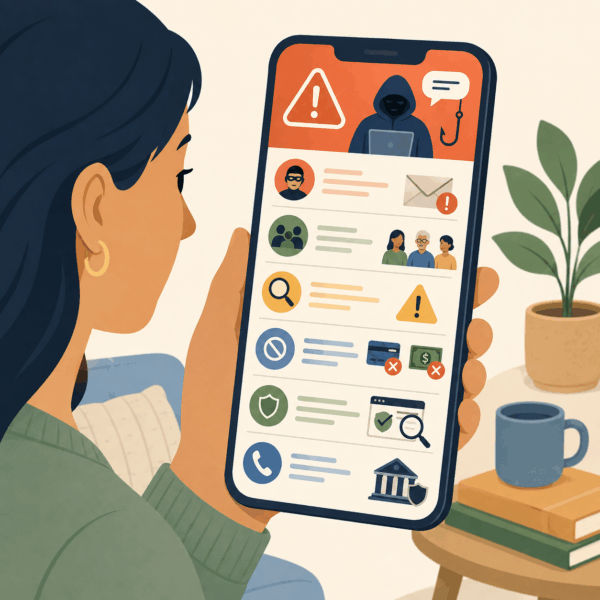
Major disasters attract fraud. Within hours of a significant disaster event, fraudulent contractors, unlicensed public adjusters, assignment of benefits scheme operators, fake charity solicitors, and impersonators of government officials and insurance company employees will be approaching disaster-affected residents with offers that are designed to exploit their vulnerability, urgency, and lack of information about legitimate resources. Post-disaster communication from the insurance regulator must specifically and prominently warn affected consumers about these scams.
Contractor Fraud
Fraudulent contractors are among the most common and most costly post-disaster scams. These actors solicit homeowners door-to-door in disaster-affected areas immediately after an event, often before the homeowner has contacted their insurer or understood what their insurance covers. They may offer to perform emergency repairs immediately, to work directly with the insurer so the homeowner does not have to deal with the claims process, or to complete the full repair job for whatever amount the insurance pays. Warning signs include contractors who cannot provide a local address or license number, who pressure the homeowner to sign a contract immediately, who request a large upfront payment before beginning work, or who discourage the homeowner from getting other estimates.
Policyholders should be specifically warned not to sign any contract that assigns their insurance benefits to a contractor. Assignment of benefits agreements, in which the policyholder transfers their rights to the insurance payment directly to the contractor, remove the policyholder from the claims process and can result in disputes between the contractor and the insurer that delay or reduce the policyholder’s recovery. Policyholders who have signed such agreements should contact the insurance department immediately for assistance.
Unlicensed Public Adjusters
Public adjusters who are licensed to represent policyholders in the claims process are a legitimate and potentially valuable resource for policyholders with complex claims. Unlicensed persons who claim to be public adjusters and who solicit disaster victims with promises of maximizing their claims recovery are committing unlicensed practice and should be reported to the insurance department. Post-disaster communication should explain the distinction between licensed and unlicensed public adjusters, how to verify a public adjuster’s license through the department’s online database, and what fee arrangements are typical and regulated for licensed public adjusters.
Locating Government and Nonprofit Assistance
Insurance is not the only source of post-disaster financial assistance, and post-disaster communication from the insurance regulator should acknowledge and direct policyholders to the full landscape of assistance that may be available to them. Many disaster-affected policyholders do not know what government assistance programs are available, how to apply for them, or how they interact with insurance coverage.
Federal disaster assistance through federal emergency management programs may be available if the disaster has resulted in a federal disaster declaration for the affected area. This assistance can include grants for housing repair or replacement for uninsured or underinsured losses, rental assistance for displaced households, and low-interest disaster loans. Policyholders should be informed that federal assistance is typically available only for losses not covered by insurance, that they should apply promptly because assistance programs have deadlines, and that accepting federal assistance does not affect their right to also pursue their insurance claim.
State assistance programs, nonprofit disaster relief organizations, and community foundations may also be operating in the disaster-affected area. Post-disaster communication should provide current, specific information about these resources as they become available, updated as the assistance landscape evolves in the weeks and months following the event.
Sustaining Communication Through the Recovery Period
Disaster recovery is not a single event. It is a process that unfolds over months and in many cases years. The insurance claims process, the repair and rebuilding process, the resolution of coverage disputes, and the financial recovery of affected households all extend well beyond the immediate post-disaster period. Insurance regulator communication must be sustained throughout this extended recovery period, not just in the immediate aftermath.
As the recovery period extends, the communication needs of disaster-affected policyholders change. The immediate messages about documenting damage and filing claims are replaced by longer-term messages about managing the claims adjustment process, understanding supplemental claims for damage discovered during repair, navigating coverage disputes, and understanding the rights that apply if a claim is denied or an offered settlement is inadequate. Post-disaster communication programs should be planned for the full recovery timeline, with message content that evolves to match the changing information needs of policyholders at each stage.
Regulatory actions that the department takes in response to the disaster, including any emergency orders that modify claims handling requirements, any market conduct investigations of insurer conduct after the disaster, and any enforcement actions against fraudulent contractors or unlicensed public adjusters, should be communicated to the public as they occur. This ongoing enforcement and oversight communication demonstrates that the department is actively monitoring the recovery process and taking action to protect policyholders, which builds public confidence in the regulatory response.
Communicating When Insurers Are Slow or Unresponsive
One of the most common and most distressing post-disaster experiences for policyholders is difficulty reaching their insurer, receiving no response after filing a claim, or waiting weeks without any contact from an adjuster. In the aftermath of a major disaster, when insurer staff and independent adjusters are overwhelmed with simultaneous claims across a large affected area, some delay in the normal claims process is inevitable. But excessive delay that leaves policyholders without information or resources is not just frustrating. It may also violate state regulations that set specific timeframes for insurer response to claims.
Post-disaster communication should inform policyholders of the specific regulatory requirements that apply to claims handling in the state, including the maximum number of days the insurer has to acknowledge receipt of a claim, begin investigation, and provide an initial payment or written denial. Policyholders who know these requirements are better positioned to recognize when their insurer is falling behind regulatory requirements and to seek assistance from the department before the delay causes additional harm.
The insurance department’s post-disaster consumer assistance resources should be specifically promoted for policyholders who are experiencing significant delays or non-responsiveness from their insurer. A dedicated post-disaster consumer assistance hotline, staffed by personnel who can intervene with insurers on behalf of policyholders experiencing specific problems, is among the most valuable services a department can offer in the post-disaster period. Policyholders who know this resource exists and who use it when they have problems often achieve faster and better outcomes than those who try to navigate insurer delays on their own.
Emergency orders that modify claims handling requirements during the post-disaster period, such as orders requiring insurers to issue advance payments to displaced policyholders or to expedite adjustments for certain categories of loss, should be communicated immediately and prominently to affected policyholders. These orders exist to accelerate the recovery process, and they can only benefit policyholders who know about them and who invoke them in their dealings with their insurer.
Reaching Affected Populations Through Disrupted Channels
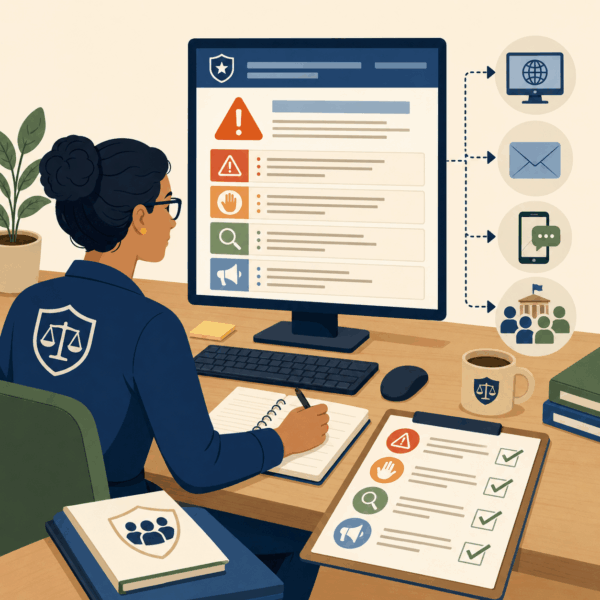 Natural disasters frequently disrupt the communication infrastructure through which government agencies normally reach the public. Power outages disable internet and cable service. Cell tower damage reduces cellular connectivity. Evacuation removes populations from the geographic area that local media and community networks are designed to serve. Post-disaster insurance communication must be designed for the disrupted communication environment that disaster creates, not for the normal communication environment that existed before the disaster.
Multiple simultaneous channels are essential for post-disaster communication precisely because any single channel may be unavailable to a significant portion of the affected population. Text messaging through cellular networks remains available in many situations where landline and internet service is disrupted. Social media platforms accessible through cellular internet may be available when cable internet is not. Local radio broadcasts can reach listeners whose internet service is unavailable and whose devices are battery-powered. Partner organizations that maintain physical presence in affected communities can distribute printed materials and provide verbal information when digital channels are inaccessible.
The department’s relationships with partner organizations that have physical presence and trusted community connections in disaster-prone areas should be established before disasters occur, so that those partners can be activated immediately when a disaster strikes. Community organizations, faith communities, emergency management partners, local government agencies, and assistance organizations that are already serving affected populations can carry the department’s post-disaster communication to community members who are not accessing the department’s own channels.
Language access in post-disaster communication is especially critical because communities with significant non-English-speaking populations are often among the most severely affected by disasters and are the least likely to receive accurate information through English-only communication channels. Post-disaster messages should be translated and distributed in the languages spoken by significant portions of the affected population, through the community organizations and ethnic media that those populations trust. The stress and vulnerability of the post-disaster period makes clear communication in the recipient’s primary language more important, not less, than under normal conditions.
Coordinating With State Emergency Management
State insurance departments do not operate in isolation in the post-disaster environment. They are one component of a broader state emergency management response that includes the emergency management agency, public health, housing, transportation, and other agencies that are simultaneously communicating with affected populations about their specific services and requirements. Coordination among these agencies on communication timing, content, and channels prevents the confusing and sometimes contradictory message environment that characterizes poorly coordinated multi-agency disaster responses.
Pre-established relationships between the insurance department and the state emergency management agency allow the department’s consumer protection and insurance-specific communication to be integrated into the broader state emergency response communication rather than operating as a separate, parallel effort that reaches some portions of the affected population and misses others. Joint communication products, coordinated press briefings, and shared distribution through the state’s emergency notification systems extend the reach of insurance-specific communication to populations who are receiving official disaster information but who might not independently seek out the insurance department’s communications.
The insurance department’s post-disaster communication should reference and be consistent with the communication from the state emergency management agency, federal disaster response, and other official sources rather than presenting information that creates confusion when compared to other official communications. A policyholder who receives inconsistent information from the insurance department and the emergency management agency about the availability of assistance or the requirements for accessing it has received inadequate communication from both agencies. Coordination before communication is released prevents these inconsistencies.
Regulatory Actions in the Post-Disaster Period
Insurance regulators typically take a range of emergency regulatory actions in the immediate aftermath of a major disaster, and communicating those actions to affected policyholders is as important as the actions themselves. Emergency orders that extend claim reporting deadlines, require insurers to issue advance payments to displaced policyholders, suspend cancellations and non-renewals in affected areas, or mandate specific claims handling practices have direct, concrete benefits for policyholders who know about them and invoke them in their dealings with their insurers.
Post-disaster emergency orders should be communicated immediately and prominently to affected policyholders through all available channels, with plain-language explanations of what each order requires of insurers and what policyholders can expect as a result. An emergency order that requires insurers to issue advance payments of up to a specified amount to displaced policyholders for additional living expenses is valuable only to policyholders who know the order exists and who ask their insurer for the advance payment. Communication that announces the order without explaining how policyholders can benefit from it is incomplete regulatory communication.
Market conduct examinations and investigations initiated in response to post-disaster complaints about insurer behavior are a form of regulatory accountability that policyholders who are experiencing problems with their claims should know about. When the department is investigating a specific insurer’s claims handling practices after a disaster, communicating that investigation tells affected policyholders that their complaints are being taken seriously at a regulatory level. When the investigation results in enforcement action, that outcome should be communicated to close the loop for policyholders who may have been directly affected by the conduct under investigation.
Regulatory actions that result in consumer restitution programs should be communicated immediately and specifically to potentially affected policyholders. An enforcement action that requires an insurer to review and supplement payments to a class of disaster claimants who were underpaid is of no benefit to those claimants if they do not know the review is occurring and do not participate in it. The communication about restitution programs should describe who is potentially eligible, what the review process involves, what policyholders need to do to participate, and what the timeline for the program is.
Communicating Expected Timelines Throughout Recovery
The post-disaster recovery period can extend for months or years, particularly for policyholders with major structural losses who are navigating the full rebuild process. Throughout this extended period, policyholders need updated information about what to expect and when, because the timelines and processes they were told about in the immediate aftermath of the disaster may change significantly as recovery progresses.
Regular post-disaster status communications from the department, issued at defined intervals throughout the recovery period, keep the public informed about the aggregate state of claims processing, the availability of assistance resources, any regulatory actions that have been taken to address claims handling problems, and any changes in the assistance landscape that affect policyholders still in recovery. These communications need not be lengthy, but they should be regular enough that policyholders still in recovery know the department remains engaged.
For policyholders who are in extended disputes with their insurers, specific communication about how long those disputes typically take to resolve and what options are available at each stage of a protracted dispute is especially important. A policyholder who has waited six months for resolution of a coverage dispute and who does not know that the dispute can be escalated to the department’s complaint process, submitted to mediation, or referred to an attorney, is a policyholder who may be waiting passively when active steps are available. Post-disaster communication should specifically address the options available to policyholders in extended disputes and provide the contact information needed to pursue each option.
The anniversary of a major disaster is a communication opportunity that many insurance departments overlook. At the one-year mark of a significant disaster, a status update that describes the aggregate state of claims resolution, the assistance that the department has provided, the regulatory actions that have resulted from post-disaster oversight activity, and the resources that remain available for policyholders who are still in the recovery process, serves both the policyholders who are still recovering and the broader public understanding of how the insurance and regulatory systems respond to major disasters.
Reaching Affected Populations Through Disrupted Channels
Natural disasters frequently disrupt the communication infrastructure through which government agencies normally reach the public. Power outages disable internet and cable service. Cell tower damage reduces cellular connectivity. Evacuation removes populations from the geographic area that local media and community networks are designed to serve. Post-disaster insurance communication must be designed for the disrupted communication environment that disaster creates, not for the normal environment that existed before the event.
Multiple simultaneous channels are essential for post-disaster communication precisely because any single channel may be unavailable to a significant portion of the affected population. Text messaging through cellular networks remains available in many situations where landline and internet service is disrupted. Social media platforms accessible through cellular internet may be available when cable internet is not. Local radio broadcasts can reach listeners whose internet service is unavailable and whose devices are battery-powered. Partner organizations that maintain physical presence in affected communities can distribute printed materials and provide verbal information when digital channels are inaccessible.
The department’s relationships with partner organizations that have physical presence and trusted community connections in disaster-prone areas should be established before disasters occur, so that those partners can be activated immediately when a disaster strikes. Community organizations, faith communities, emergency management partners, local government agencies, and assistance organizations that are already serving affected populations can carry the department’s post-disaster communication to community members who are not accessing the department’s own channels. The communication plan for any major disaster scenario should identify these partners by name and include their contact information and activation protocols.
Language access in post-disaster communication is especially critical because communities with significant non-English-speaking populations are often among the most severely affected by disasters and are the least likely to receive accurate information through English-only channels. Post-disaster messages should be translated and distributed in the languages spoken by significant portions of the affected population, through the community organizations and ethnic media that those populations trust. The stress and vulnerability of the post-disaster period make clear communication in the recipient’s primary language more important, not less, than under normal conditions.
Coordinating With State Emergency Management
State insurance departments do not operate in isolation in the post-disaster environment. They are one component of a broader state emergency management response that includes the emergency management agency, public health, housing, transportation, and other agencies that are simultaneously communicating with affected populations about their specific services and requirements. Coordination among these agencies on communication timing, content, and channels prevents the confusing message environment that characterizes poorly coordinated multi-agency disaster responses.
Pre-established relationships between the insurance department and the state emergency management agency allow the department’s consumer protection and insurance-specific communication to be integrated into the broader state emergency response communication rather than operating as a separate, parallel effort that reaches some portions of the affected population and misses others. Joint communication products, coordinated press briefings, and shared distribution through the state’s emergency notification systems extend the reach of insurance-specific communication to populations who are receiving official disaster information but who might not independently seek out the insurance department’s communications.
The insurance department’s post-disaster communication should reference and be consistent with the communication from the state emergency management agency, federal disaster response, and other official sources rather than presenting information that creates confusion when compared to other official communications. A policyholder who receives inconsistent information from the insurance department and the emergency management agency about the availability of assistance or the requirements for accessing it has received inadequate communication from both agencies. Coordination before communication is released prevents these inconsistencies and ensures that the full emergency response presents a coherent, trustworthy information environment for affected policyholders.
Strategic Communication Support for Financial and Insurance Regulators
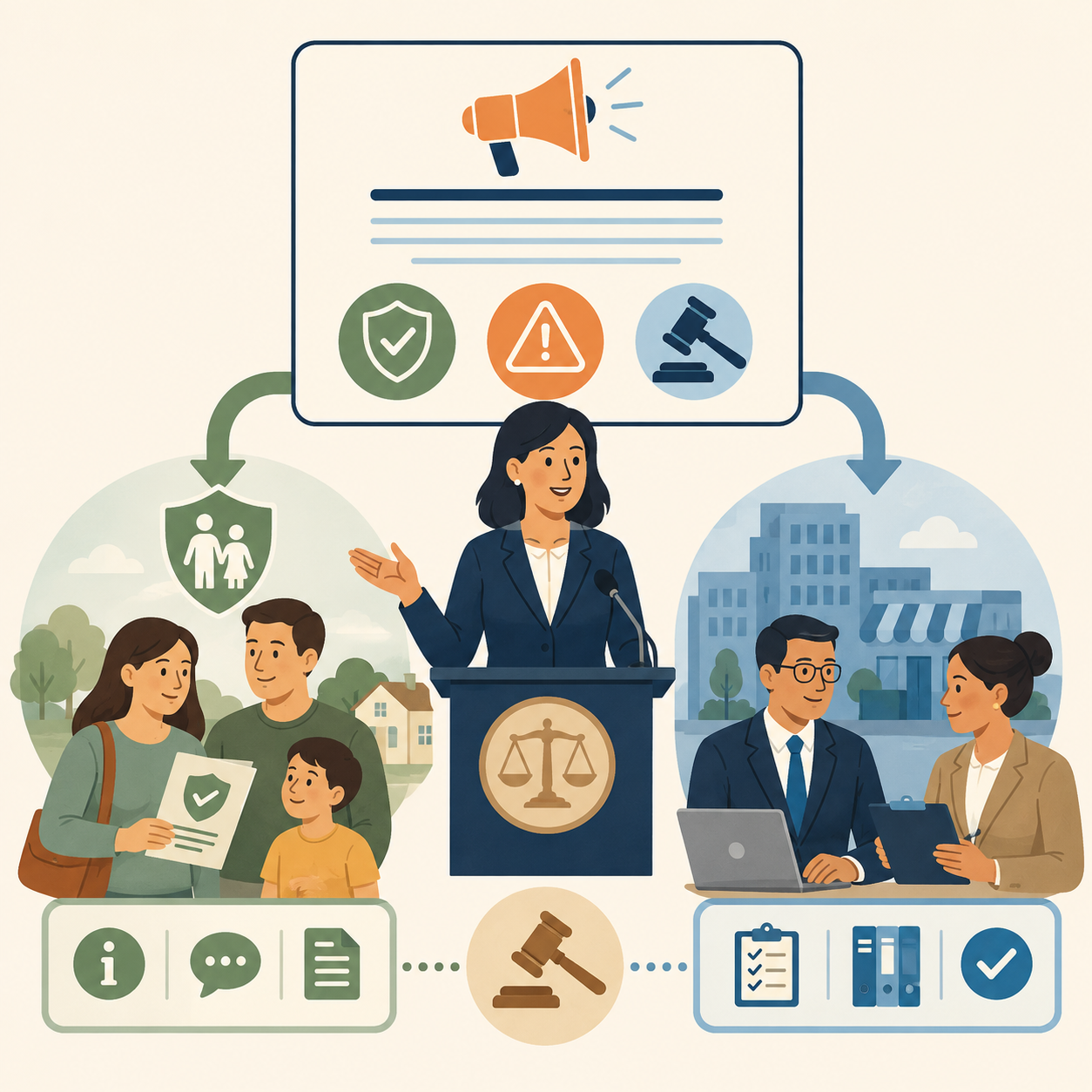 When a disaster strikes, policyholders need more than general reassurance. They need timely information about claims, coverage questions, insurer contacts, disaster assistance, fraud risks, and the steps they should take to protect themselves. Because these needs emerge while consumers may be displaced, overwhelmed, or dealing with damaged property, post-disaster communication must be designed for urgency and accessibility while remaining accurate enough to prevent additional confusion.
Effective post-disaster insurance communication combines rapid response protocols, audience-specific messaging, multiple distribution channels, trusted partner networks, plain-language guidance, and continuous monitoring. Different communities may experience different levels of damage and face different communication needs, while traditional communication channels may be disrupted or difficult to access. A prepared system allows agencies to adapt messages quickly, coordinate information across partners, and maintain a reliable source of guidance throughout the recovery process.
Developing this type of communication system requires specialized expertise in crisis communication, rapid message development, audience segmentation, channel strategy, partner coordination, content governance, and communication evaluation. Many financial and insurance regulators choose to partner with external communication specialists such as Stegmeier Consulting Group (SCG) because these capabilities complement the agency’s regulatory and insurance expertise while providing the strategic communication capacity needed to respond quickly without sacrificing clarity, consistency, or accuracy during a high-pressure recovery period.
Working alongside state insurance departments, SCG develops post-disaster communication systems designed to function under real-world emergency conditions. Support may include preparing message templates for common disaster scenarios, developing communication protocols for activating partner networks, creating consumer assistance and recovery guides, developing scam and fraud warning communications, establishing geographic and audience targeting strategies, and creating communication frameworks that explain regulatory actions and available resources as recovery progresses.
Post-disaster communication also requires continuous adjustment as conditions change. SCG helps agencies establish repeatable response processes, governance practices, partner coordination protocols, and review frameworks that allow communication to evolve as new consumer concerns emerge, claims patterns become clearer, and recovery efforts progress. These systems help departments maintain consistent public communication while identifying and addressing information gaps before they become larger sources of confusion or consumer harm.
The objective is to create a communication environment in which policyholders can quickly find reliable information when they need it most. By strengthening post-disaster communication systems before a crisis occurs, state insurance departments are better positioned to protect consumers from misinformation and fraud, support informed claims decisions, and maintain public confidence throughout the recovery process.
Future Trends in Post-Disaster Insurance Communication
The frequency and severity of natural disasters is increasing, and state insurance departments should expect to be activating post-disaster communication programs more often and for larger events than was historically the norm. Building and maintaining robust post-disaster communication capacity is an investment that will be used. Preparation, including current partner contact lists, tested message templates, and established social media protocols, converts the chaos of the first post-disaster hours into a structured response that serves policyholders more effectively than improvised communication under pressure.
Mobile-first communication design is increasingly important for post-disaster contexts, where many affected residents may have lost power and internet access but may retain cellular connectivity for text messaging and basic internet access. Post-disaster messages designed for SMS distribution, for mobile-optimized websites, and for social media platforms that remain accessible in degraded connectivity environments reach a broader post-disaster audience than those designed primarily for desktop internet access.
Conclusion
Post-disaster insurance communication becomes especially important when consumers are navigating uncertainty, damaged property, disrupted routines, and complicated claims decisions. In that environment, delays or unclear information can create opportunities for misinformation, confusion, and fraud to spread. A state insurance department that can provide timely, specific guidance gives policyholders a reliable source of information when they may have difficulty determining which advice to trust.
The value of that communication extends beyond the immediate aftermath of a disaster. Clear guidance about claims, consumer protections, assistance resources, fraud risks, and regulatory actions helps policyholders make better decisions throughout the recovery process. When departments prepare these systems in advance and activate them quickly when disasters occur, communication becomes a meaningful part of consumer protection that helps reduce preventable harm and supports more informed, resilient recovery.
Stegmeier Consulting Group’s Strategic Approach to Communication Systems
Align your post-disaster communication with the speed, specificity, and reach that disaster-affected policyholders need.
State insurance departments need post-disaster communication that reaches affected policyholders quickly through disrupted channels, provides specific actionable guidance on documenting damage and filing claims, warns specifically about post-disaster scams, connects policyholders with assistance resources, and is sustained through the full recovery period. SCG helps departments develop the post-disaster communication systems and templates that serve policyholders effectively when they need it most.
Use the form below to connect with our team and explore how better post-disaster communication systems can improve policyholder outcomes and demonstrate your department’s commitment to consumer protection in the aftermath of the disasters your state faces.