
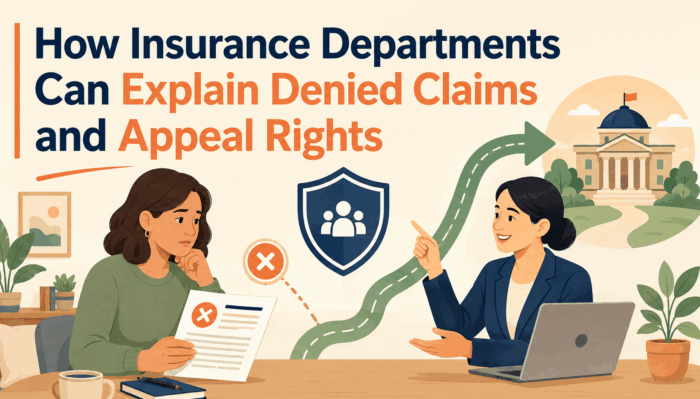
How Insurance Departments Can Explain Denied Claims and Appeal Rights
A claim denial is one of the most stressful communications a policyholder can receive. They purchased insurance to protect against exactly the kind of loss they have just experienced. The denial tells them that the protection they thought they had is not what they understood it to be. Whether the denial is legally correct, whether the coverage was never intended to apply to their specific situation, or whether the insurer has misapplied the policy, the policyholder’s immediate experience is the same: they are facing a significant loss and the financial protection they paid for is not responding as they expected.
State insurance departments have an important role to play in this moment. Not as the policyholder’s attorney, and not as an advocate for any particular outcome, but as an authoritative source of information about what the denial means, what appeal rights the policyholder has, what the review processes look like, what documentation the policyholder will need, and what the realistic range of outcomes is. That information, clearly communicated at the right moment, can change the trajectory of the policyholder’s experience significantly.
Many insurance departments, however, communicate about claim denials and appeal rights in ways that are either too technical to be useful to a policyholder who is not a lawyer, or too generic to provide the specific guidance the policyholder needs for their particular type of denial. A guide to appeal rights that does not distinguish between internal appeal and external review, or that does not explain the deadlines that apply to each, is a guide that may give the policyholder a general sense of their options without giving them what they actually need to exercise those options.
This article provides a communication framework for helping policyholders understand claim denials, internal appeals, external reviews, documentation requirements, complaint options, and relevant deadlines. Throughout, the emphasis is on specificity, honesty, and the distinction between what the insurance department can tell policyholders about their rights and what would constitute legal advice that the department is not authorized to provide. The goal is communication that genuinely helps policyholders navigate one of the most consequential insurance situations they will face.
Explaining What a Claim Denial Means
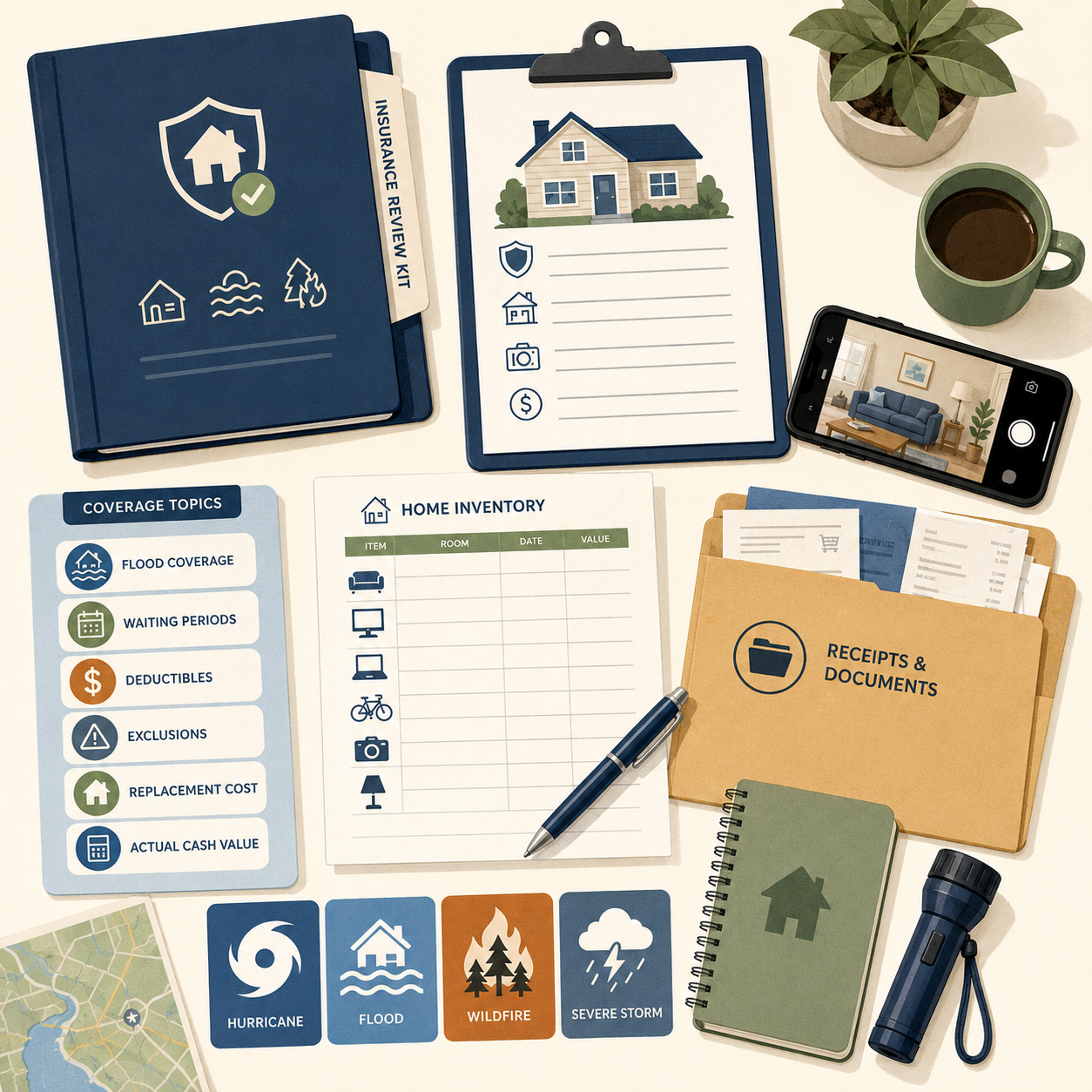 Before policyholders can meaningfully exercise their rights in response to a claim denial, they need to understand what the denial actually says and what it means. Many policyholders receive denial letters that are written in insurance and legal terminology that they cannot fully interpret without assistance. They know the claim was denied, but they may not clearly understand why, what specific provision of the policy the insurer is relying on, or whether the denial is based on a coverage exclusion, a procedural requirement, a factual determination, or something else entirely.
A clear explanation of what a claim denial means should cover the following: the specific reason the claim was denied, which provision of the policy applies to that reason, what the insurer is saying about how that provision applies to the policyholder’s specific situation, and what factual findings or determinations the insurer made in reaching its decision. Most denial letters provide some of this information, but frequently in language that is difficult for a non-specialist to understand or in a form that is technically complete without being genuinely informative.
Insurance departments can help policyholders understand their denial letters by providing a guide to common denial reasons that explains, in plain language, what each type of denial means and how policyholders should respond. A denial based on a policy exclusion means something different from a denial based on late notice of the claim, which means something different from a denial based on a factual determination that the damage was not caused by a covered event. Each of these denial types triggers different rights, different documentation needs, and different appeal considerations.
The most common denial reasons in each major insurance line, whether homeowners, auto, health, or life insurance, should be addressed specifically in the department’s consumer guidance. These common reasons are the situations that generate the most policyholder confusion and the most complaints, and addressing them specifically in the department’s public materials serves the policyholders who are most likely to seek assistance from the department.
For policyholders who do not understand the basis for their denial even after reading the denial letter, the insurance department’s consumer assistance line or website should be a resource for getting a plain-language explanation of what the denial letter says. Staff who can explain in plain terms what a specific type of denial means, without providing legal advice about whether the denial is correct, provide a valuable service that significantly improves the policyholder’s ability to make informed decisions about how to proceed.
Protecting the Public Interest: Communication Strategies for Financial Regulation, Insurance, and Consumer Protection Agencies
This article is part of our series on strategic communication for Financial Regulatory Agencies, State Insurance Departments, and Consumer Protection Agencies. To learn more and to see the parent article, which links to other content just like this, click the button below.
Internal Appeals: What They Are and How They Work
Most insurance companies have internal appeal or review processes that allow policyholders to challenge a claim denial before seeking external review or filing a regulatory complaint. Internal appeals are typically the first and often the most accessible step in the claims dispute process. Insurance department communication about internal appeals should explain clearly what they are, when they must be filed, what the process looks like, what the policyholder should include in the appeal, and what outcomes are possible.
Understanding the Internal Appeal Process
The internal appeal process requires the policyholder to submit a formal challenge to the initial claim decision, typically in writing, within a specified timeframe. The insurer then reviews the appeal, which may involve a different claims handler or a higher level of claims management than reviewed the initial claim, and issues an appeal decision. The appeal decision may uphold the denial, modify it, or reverse it in the policyholder’s favor.
Insurance departments should communicate clearly about what policyholders can do to strengthen their internal appeal. This includes gathering and submitting additional documentation that supports the claim, obtaining an independent professional assessment of the loss if the denial was based on a damage estimate or causation determination, and clearly articulating why the policyholder believes the denial was incorrect. A policyholder who understands that an internal appeal is not simply repeating the original claim but is an opportunity to present additional evidence and argument is better positioned to file an effective appeal.
The timeframe for filing an internal appeal varies by policy type, by state law, and by the specific terms of the insurance policy. Insurance departments should communicate the relevant deadline clearly and prominently, with guidance about how to calculate it and what happens if the deadline is missed. For health insurance claims specifically, federal law imposes specific timeframes for internal appeals that apply regardless of state law or policy terms, and policyholders should be informed of both the specific deadline and its legal basis.
Documentation for Internal Appeals
Documentation is among the most critical elements of a successful internal appeal, and policyholders who do not know what documentation to gather and submit are at a significant disadvantage in the appeal process. Insurance department guidance should address the specific types of documentation that are most relevant to appeals in different contexts.
For property damage claims, relevant documentation typically includes photographs and videos of the damage, contractor or repair professional estimates and assessments, any reports from independent experts such as engineers or restoration specialists, and any prior documentation of the property’s condition that establishes the pre-loss state. For health insurance claims, relevant documentation includes the treating provider’s medical records and notes supporting the claim, any relevant medical literature supporting the appropriateness of the treatment, and a letter from the treating physician explaining why the treatment was medically necessary.
For claims denied on the grounds that the damage was caused by an excluded event, such as flood damage excluded from a standard homeowners policy, documentation that establishes the actual cause of the damage is especially important. An independent professional assessment, whether from a contractor, an engineer, or another qualified expert, that specifically addresses the cause of the damage is often the most powerful evidence a policyholder can provide in support of an appeal of a coverage denial.
External Review Processes
For policyholders whose internal appeal does not result in a satisfactory outcome, external review processes provide an independent assessment of the claim decision by a party that is not the insurance company. The availability, scope, and process of external review varies significantly by insurance line and by state law. Insurance departments have an important role in communicating clearly about what external review is available for what types of disputes, how to access it, and what policyholders can expect from the process.
For health insurance coverage disputes, federal law provides for an independent external review process that applies to most plans and that requires insurers to abide by the external reviewer’s decision. This is one of the strongest policyholder rights in the insurance landscape, and many policyholders are not aware that it exists. Insurance departments should communicate prominently about this right for health insurance consumers, including the specific circumstances under which it applies, how to request it, and how the external review process works.
For property and casualty insurance disputes, external review options vary by state and typically take the form of the state insurance department’s mediation program, the department’s market conduct complaint process, or in some states a formal appraisal or arbitration process that is built into the policy or required by state law. Insurance departments should explain clearly what options are available in their state, what types of disputes each option applies to, and what the realistic range of outcomes is for each option.
The appraisal process in property and casualty insurance is a specific dispute resolution mechanism that is built into most standard homeowners and auto insurance policies and that provides a structured process for resolving disagreements about the amount of a covered loss. Many policyholders are not aware that the appraisal process exists or that they have the right to invoke it when they disagree with the insurer’s valuation of their loss. Insurance department communication about the appraisal process should explain clearly how it works, when it can be invoked, what costs are typically involved, and what the binding nature of the appraisal award means for the policyholder’s subsequent options.
Filing a Complaint With the Insurance Department
Filing a complaint with the insurance department is a separate and parallel option available to policyholders who believe their claim was mishandled, regardless of whether they have pursued or completed an internal appeal or external review. Insurance departments should communicate clearly about when a regulatory complaint is appropriate, what the complaint process can accomplish, and how filing a complaint relates to other dispute resolution options the policyholder may be pursuing.
A regulatory complaint is most appropriate when the policyholder believes the insurance company violated the law or applicable regulatory requirements in handling the claim, rather than simply when the policyholder disagrees with the insurer’s coverage determination. A company that violated required timelines for responding to a claim, that failed to provide an adequate written explanation for a denial, that misrepresented policy provisions during the claims process, or that engaged in unfair claims settlement practices has potentially committed a regulatory violation that warrants a department complaint.
Filing a complaint with the insurance department does not guarantee a particular outcome for the policyholder’s individual claim. Insurance departments should communicate this honestly while also explaining what the complaint process can accomplish: the department will review the complaint for regulatory violations, contact the company for a response, and take appropriate action if a violation is found. In many cases, the act of filing a complaint with the department results in the insurer taking a second look at the claim and resolving it in the policyholder’s favor, even in the absence of a formal finding of regulatory violation.
The relationship between a regulatory complaint and other dispute resolution options should be explained clearly. In most states, a policyholder can simultaneously pursue an internal appeal, file a department complaint, and consult with an attorney about their legal options. Filing a complaint does not waive other rights. Filing a lawsuit may affect the department’s ability to assist with the complaint in some circumstances. These relationships should be described honestly so that policyholders can make informed decisions about the order and combination of options they pursue.
Relevant Deadlines and the Importance of Acting Promptly
Insurance disputes involve multiple deadlines, and missing a deadline can significantly affect the options available to the policyholder. Insurance department communication about appeal rights should prominently address the deadlines that apply to each option and explain clearly what the consequences of missing a deadline are.
Internal appeal deadlines are typically set by the insurance policy, by state law, or by federal law depending on the type of insurance. Health insurance internal appeal deadlines under federal law are specific and strictly enforced. Property and casualty insurance internal appeal deadlines vary by state and by policy. Insurance departments should communicate the relevant deadlines for their jurisdiction specifically rather than in general terms that may leave policyholders uncertain about how much time they have.
Statutes of limitations on legal claims are particularly important deadlines for policyholders who may ultimately decide to pursue their claim through litigation. The statute of limitations for breach of an insurance contract varies by state but is typically shorter than many policyholders assume. A policyholder who delays consulting an attorney while pursuing administrative options may inadvertently allow the statute of limitations to run on their legal claim. Insurance department communication should acknowledge that legal deadlines exist and that policyholders should consult with an attorney promptly to understand the specific deadlines that apply to their situation without specifying what those deadlines are, which would constitute legal advice.
For policyholders who have already missed a deadline, insurance department communication should address this honestly: what options remain available after a deadline has passed, whether any exceptions to deadlines apply in their situation, and where they can seek advice about whether they still have remedies available. A policyholder who has missed a deadline is not necessarily without any recourse, but they need accurate information about their remaining options rather than false hope or premature closure.
Communicating Without Providing Legal Advice
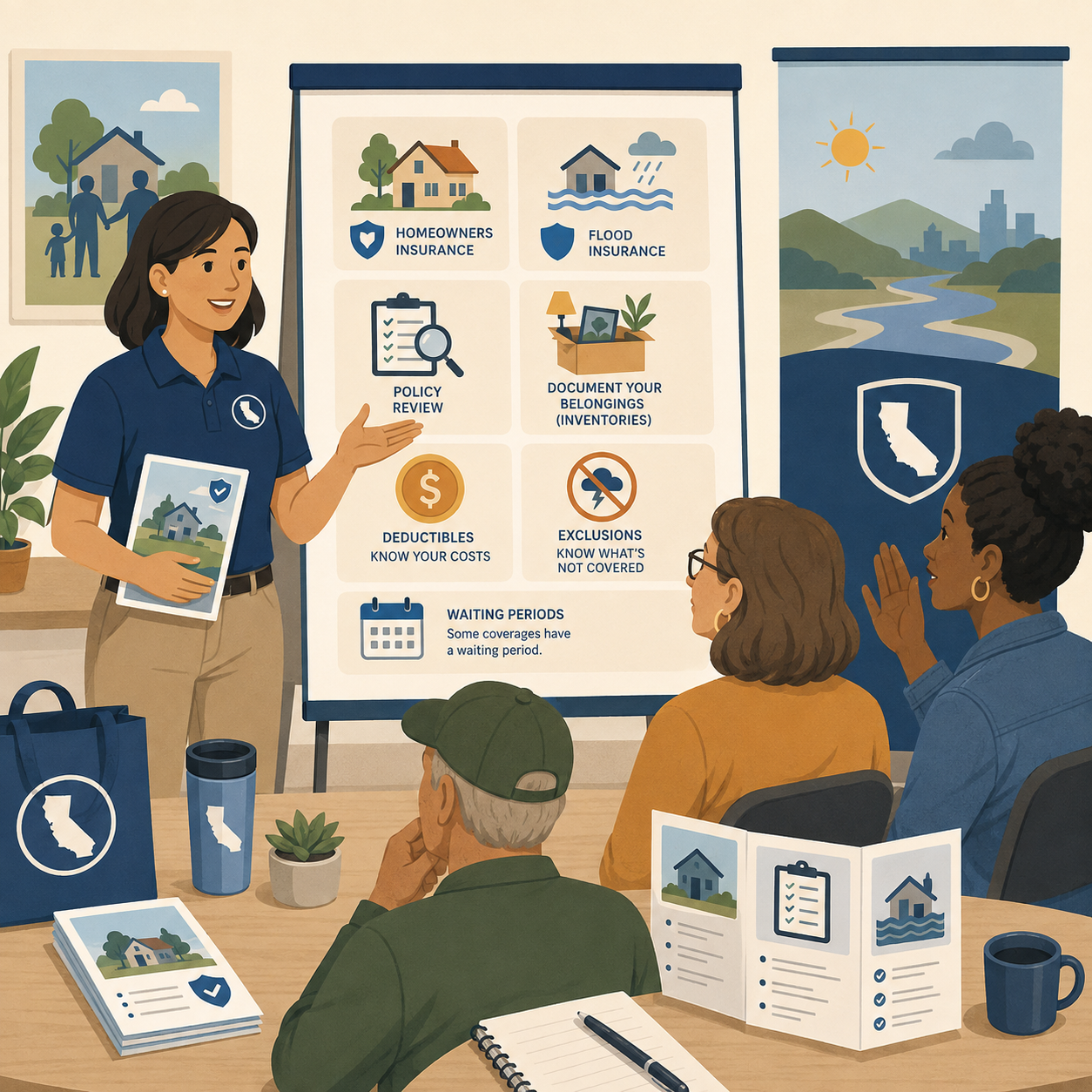 State insurance departments that communicate about appeal rights and claim denials must navigate the line between providing useful information about the regulatory and contractual rights policyholders have and providing individualized legal advice about whether specific policyholders have viable legal claims or what specific legal strategies they should pursue. That line is not always easy to identify in practice, and the communication framework for department guidance on claim denials and appeal rights must be designed with awareness of where that line falls.
Information about appeal rights that is accurate, complete, and clearly applicable to the type of situation the policyholder is facing is within the department’s communication authority, even when the specific application of those rights to the policyholder’s individual situation may require legal analysis. Describing the internal appeal process, the deadlines that apply, the documentation that is typically relevant, and the external review options that are available is providing regulatory and consumer information, not legal advice. Telling a specific policyholder whether their appeal is likely to succeed, whether their denial was legally improper, or whether they should file a lawsuit is providing legal advice.
The practical communication approach that maintains this distinction is to describe rights in general terms that apply to the type of situation the policyholder has described, while consistently noting that the application of those rights to their specific situation may depend on factors that require legal analysis. Recommending that policyholders who believe they may have a legal claim consult with an attorney, and providing information about resources for finding legal assistance, is both appropriate and important. Many policyholders who have strong legal claims do not pursue them because they do not know an attorney is needed or where to find one. Making the referral to legal resources explicit and specific is a consumer service that helps policyholders get the individualized advice the department cannot provide.
Post-Disaster Claim Communication
Natural disasters create a specific context for claim denial and appeal communication that has characteristics distinct from ordinary claim disputes. After a hurricane, flood, wildfire, or other catastrophe, large numbers of policyholders are simultaneously filing claims for significant losses. Many of those claims will involve complex coverage questions about the cause of the loss, the scope of the damage, and the application of specific policy provisions such as anti-concurrent causation clauses or flood exclusions. The stress of the post-disaster context, combined with the complexity of the coverage questions, creates a situation where clear and accessible communication about claim rights is especially important and especially difficult.
Insurance departments that communicate proactively about claim rights in the immediate aftermath of a disaster, before policyholders begin receiving denial letters, can prepare consumers for the types of denial they may encounter and the steps they can take in response. A post-disaster consumer advisory that explains the most common types of denials that arise after the specific type of disaster that occurred, the documentation that policyholders should preserve and gather, the timelines for insurer response under applicable law, and the resources available if problems arise, provides valuable preparation for the claims process that follows.
For policyholders who receive denials after a disaster and who may be simultaneously managing the immediate aftermath of the loss, communication about appeal rights needs to be especially clear and actionable. This is not the moment for lengthy explanations of regulatory theory. It is the moment for specific, step-by-step guidance about what the policyholder should do first, what documentation they need, what deadlines apply, and who they can call for help. The insurance department’s disaster consumer assistance resources should be specifically designed for this context rather than simply being the standard consumer information presented in disaster conditions.
Communicating About Specific High-Volume Denial Types
Insurance departments receive disproportionately high volumes of complaints about specific types of claim denials that recur across many policyholders. These high-volume denial types represent the situations where consumer understanding of rights and appeal options is most needed and where clear department communication can have the greatest protective impact. Identifying and specifically addressing these denial types in department consumer guidance is a high-value communication investment.
Water damage disputes, including disagreements about whether damage was caused by a covered peril such as a sudden and accidental discharge from a plumbing system versus an excluded cause such as gradual seepage or flooding, are among the most common and most contentious property insurance claim disputes. The coverage distinction between these causes is often technically complex and depends on the specific facts of the damage as well as the specific language of the policy. Consumer guidance that explains this distinction, what documentation helps establish the cause of the damage, and what appeal options are available when the insurer and policyholder disagree about the cause, addresses a situation that generates significant complaint volume and that policyholders frequently navigate without adequate information.
Health insurance prior authorization denials are a category of claim denial that many consumers find particularly opaque and frustrating. A prior authorization denial says that the insurer will not cover a recommended treatment or medication before the treatment begins, typically because the insurer has determined that the treatment does not meet its clinical criteria for coverage. Consumer guidance about prior authorization denials should explain what these criteria are, how to request a peer-to-peer review in which the treating physician speaks directly with the insurer’s medical reviewer, how to expedite the review in urgent situations, and how to appeal a denial through the internal and external review processes.
Life insurance claim denials based on misrepresentation on the insurance application are another category that generates significant consumer confusion and distress. When a life insurance claim is denied because the insurer asserts that the decedent made a material misrepresentation on the application, the surviving family members who filed the claim are often devastated and confused. Consumer guidance should explain the contestability period, what constitutes a material misrepresentation under applicable law, the documentation that can support a challenge to the misrepresentation claim, and the appeal options available to beneficiaries who believe the denial is improper.
Helping Policyholders Document Their Claims Disputes
Many policyholders who are navigating claim disputes do not maintain adequate records of their interactions with the insurer, which weakens their position in an appeal or complaint process. Insurance department guidance should educate policyholders about the importance of documentation and what specific records they should maintain throughout the claims process.
From the moment a claim is filed, policyholders should be encouraged to keep a log of all communications with the insurer, including the date of each communication, the name of the person they spoke with, and the substance of what was said. Written confirmation of verbal communications, obtained by following up a phone conversation with an email summarizing what was discussed, creates a written record of commitments and representations that the policyholder can reference in an appeal. Many insurance disputes turn on factual disagreements about what the insurer told the policyholder during the claims process, and a contemporaneous log of communications is the most reliable evidence of what was actually said.
Preserving evidence of the loss is equally important. Policyholders who clean up or repair damage before the insurer has had an opportunity to inspect it may inadvertently destroy evidence that would have supported their claim. Insurance department guidance should explain when and how policyholders can preserve evidence while also addressing the immediate needs created by the loss. The tension between preserving evidence and taking steps to prevent further damage is a practical issue that many policyholders face, and guidance on how to document the damage photographically before beginning any cleanup or repair, how to retain damaged materials if possible, and how to notify the insurer before significant repairs begin helps policyholders protect both their property and their claim.
Documentation of expenses related to the loss and to the claims dispute itself is important for policyholders who may ultimately have a claim for additional living expenses, for replacement costs, or for consequential damages resulting from the insurer’s claims handling. Keeping receipts, invoices, and records of all out-of-pocket expenses from the date of the loss through the resolution of the claim provides the documentation necessary to support a claim for these amounts if the dispute escalates to litigation or formal resolution proceedings.
Connecting Policyholders With Consumer Assistance Resources
Insurance departments are not the only or even always the most appropriate resource for policyholders navigating claim denials and appeals. A robust consumer assistance ecosystem includes legal aid organizations that handle insurance coverage disputes, public insurance adjusters who represent policyholders in claims processes, consumer advocacy organizations that focus on insurance issues, and private attorneys who specialize in insurance coverage and bad faith litigation. Insurance department communication about claim rights should actively connect policyholders with these resources rather than presenting the department as the only assistance available.
Public adjusters are licensed professionals who represent policyholders in claims processes and who negotiate with insurers on the policyholder’s behalf. Many policyholders are not aware that public adjusters exist or what they do. Insurance department communication should explain what public adjusters are, what types of claims they handle, what they charge, and where policyholders can find a licensed public adjuster in their state. For policyholders with complex property damage claims, particularly after a major disaster, the involvement of a public adjuster can significantly improve the outcome of the claims process.
Legal aid organizations in many states handle insurance coverage disputes for income-qualifying policyholders. A consumer who cannot afford a private attorney but who has a strong coverage dispute may be able to get free legal assistance through a legal aid organization. Insurance department communication should include specific information about how to contact legal aid organizations in the state, what types of insurance disputes they typically handle, and what income or other eligibility requirements apply. Many policyholders who could benefit from legal aid services do not access them because they do not know they exist or do not believe they qualify.
Consumer advocacy organizations that focus specifically on insurance issues can provide policyholders with information, support, and sometimes direct assistance in navigating claims disputes. These organizations vary by state but may include policyholder advocacy groups, consumer protection organizations with insurance expertise, and community organizations that assist members with insurance problems. Insurance department communication about claim rights should include information about relevant consumer advocacy organizations in the state, with specific contact information and a description of the types of assistance each organization provides.
Measuring the Effectiveness of Appeal Rights Communication
Insurance departments that invest in clear, accessible communication about claim denials and appeal rights should assess whether that communication is producing the intended outcomes. The relevant measures are not simply the volume of complaints received or resolved, but indicators that suggest policyholders are actually using the information to exercise their rights effectively.
The rate at which policyholders successfully complete internal appeals and external reviews is one indicator. A department that has invested in clear appeal process communication should see, over time, that the proportion of policyholders who pursue available appeal options increases, that appeals are more fully documented, and that the rate of successful appeals reflects the quality of the appeals being filed rather than primarily the insurer’s willingness to reverse initial decisions.
Consumer satisfaction with the department’s claim dispute assistance, measured through surveys administered to policyholders who have sought the department’s help, provides direct evidence of whether the communication is meeting consumer needs. Surveys that ask specifically about the clarity of information about appeal options, the usefulness of guidance on documentation, and the department’s referral to other resources give actionable data about which elements of the communication are working and which need improvement.
Strategic Communication Support for Financial and Insurance Regulators
 A claim denial can leave policyholders facing a complicated process at precisely the moment when they need clear information most. Understanding why a claim was denied, whether the decision can be challenged, what deadlines apply, and which avenues for review or assistance are available can determine whether a policyholder continues pursuing a legitimate claim or abandons the process altogether. For insurance departments, communication about denials and appeal rights is therefore more than an informational function. It is an important part of making consumer protections accessible and reducing the information imbalance between policyholders and insurers.
Effective denial and appeal communication combines plain-language explanations, clear process guidance, accessible consumer resources, and consistent information across every stage of the dispute process. Policyholders may need different information depending on the type of denial, the insurance product involved, the stage of the dispute, and the remedies available. Communication should also distinguish carefully between information the department can provide and legal advice it cannot provide, while still giving consumers useful direction about complaints, appeals, external review, and other available options.
Developing this type of communication system requires specialized expertise in consumer communication, plain-language content development, process explanation, information design, audience research, and communication evaluation. Many financial and insurance regulators choose to partner with external communication specialists such as Stegmeier Consulting Group (SCG) because these capabilities complement the agency’s insurance and regulatory expertise while providing the communication strategy needed to translate complex claims processes into information policyholders can understand and act upon.
Working alongside state insurance departments, SCG develops communication strategies that address the full policyholder experience following a claim denial. Support may include developing consumer guides, explaining different denial types, creating plain-language appeal and dispute process materials, clarifying external review options, integrating complaint service communication, developing post-disaster claim communication, and establishing content standards that help ensure policyholders receive consistent and accurate guidance across websites, publications, outreach materials, and staff interactions.
Claims practices, regulatory requirements, disaster conditions, and consumer expectations can change over time, making ongoing communication management essential. SCG helps insurance departments establish repeatable content review processes, communication governance practices, and measurement frameworks that support accurate updates while identifying where policyholders continue to experience confusion or difficulty navigating available remedies. This allows communication improvements to be based on actual consumer needs rather than assumptions about what policyholders already understand.
The objective is to create a communication environment in which a claim denial does not leave a policyholder without a clear understanding of what comes next. When consumers can understand the reason for a denial, identify applicable rights and deadlines, distinguish among available dispute options, and find appropriate assistance, insurance departments strengthen both consumer access and confidence in the regulatory system.
Future Trends in Claim Denial and Appeal Communication
The landscape for insurance claim disputes is evolving in ways that affect both the types of denials consumers receive and the mechanisms available for resolving disputes. Several trends are relevant for insurance departments developing their claim denial and appeal communication.
The increasing use of algorithmic and automated claims processing creates new types of claim denials that may be more difficult for policyholders to understand and challenge than traditional adjuster-based decisions. When a claim is denied by an automated system rather than by an adjuster, the explanation for the denial may be less specific and the appeal process may be less clearly defined. Insurance department communication about claim rights needs to address the specific challenges of automated denial processes and provide guidance about how policyholders can access more detailed explanations and meaningful review.
Climate change is producing more frequent and more severe natural disasters, which is increasing the number of policyholders who face complex claim disputes involving coverage questions about flood damage, wind versus water causation, and other issues that have historically been among the most contentious in insurance claims. Insurance departments that invest in clear, proactive communication about these specific claim disputes, before the disasters that generate them, are better positioned to serve policyholders when claims disputes arise than those that develop consumer communication reactively after problems have already accumulated.
Conclusion
A claim denial can be a turning point in a policyholder’s experience with the insurance system, but it does not have to become a dead end. When insurance departments clearly explain what a denial means, what rights and remedies may be available, how appeals or external review work, when a complaint may be appropriate, and which deadlines consumers need to understand, they give policyholders the information necessary to make informed decisions about what to do next. That communication can be particularly important for consumers who do not have the claims expertise, legal knowledge, or professional support available to insurers.
Clear denial and appeal communication therefore represents more than a public information responsibility. It is a practical expression of the department’s consumer protection mission and an opportunity to make the regulatory framework more accessible to the people it is intended to protect. By investing in communication that is accurate, understandable, actionable, and responsive to the realities consumers face after a denial, insurance departments can reduce confusion, strengthen trust, and help more policyholders navigate the claims and dispute processes with greater confidence.
Stegmeier Consulting Group’s Strategic Approach to Communication Systems
Align your claim denial and appeal communication with the policyholders who most need clear guidance.
State insurance departments need claim denial and appeal rights communication that explains specific denial types, describes internal and external review processes accurately, communicates deadlines prominently, addresses the legal advice line honestly, and connects policyholders with additional resources when the department’s own assistance is not sufficient. SCG helps departments develop the consumer communication that serves policyholders effectively through one of the most challenging moments they will experience as insurance consumers.
Use the form below to connect with our team and explore how clearer claim denial and appeal communication can strengthen your department’s consumer protection effectiveness.