From Information to Action: ACCESS HRA as a Resident-Facing Communication Platform in New York City
In the wake of Colorado’s devastating 2002 drought, Denver Water faced a critical challenge: the utility needed to fundamentally change how residents thought about water consumption. With reservoir levels plummeting and mandatory restrictions looming, traditional conservation messaging, focused on sacrifice and crisis, had proven ineffective at driving lasting behavior change.
Rather than asking customers to sacrifice, Denver Water reframed conservation as eliminating waste. The resulting campaign, “Use Only What You Need,” deployed bold minimalist visuals, unexpected humor, and culturally resonant messaging that cut through marketing clutter. From knotted-hose billboards to “Stop Running Toilets” and provocative lines that sparked conversations, the campaign sustained momentum for over a decade through outdoor advertising, publicity stunts, and attention-grabbing creative executions.
The results were remarkable: a 21% reduction in water use within three months of launch, sustained awareness levels of 83 to 89 percent throughout the campaign’s life, and an overall 22% reduction in water consumption by 2016, even as Denver’s population grew significantly. This case study examines how strategic communication principles (simple messaging, bold creative, humor as engagement tool, sustained consistency, and behavior-focused framing) transformed water conservation from an obligation into a cultural movement
The Initiative: ACCESS HRA
Program Background and Context
 The Human Resources Administration is one of the largest social service agencies in the United States. The agency oversees a broad range of public assistance programs that affect millions of New Yorkers every year. Prior to the expansion of ACCESS HRA, residents frequently depended on physical offices to complete tasks associated with benefit applications and case management. Applicants often needed to travel to HRA centers to submit forms, provide verification documents, resolve case issues, or attend appointments.
This office-centered system created multiple barriers for residents. Many applicants worked jobs with inflexible schedules and risked losing wages if they took time off to attend appointments. Others faced transportation difficulties, caregiving responsibilities, disabilities, or unstable housing conditions that made repeated office visits extremely difficult. Long lines, crowded waiting areas, and inconsistent communication contributed to frustration and delays throughout the process.
In addition to logistical burdens, the traditional system often created communication problems between residents and the agency. Residents frequently struggled to determine whether documents had been received, whether applications were still under review, or what actions were required next. Missing paperwork or unclear notices could result in delayed approvals or interrupted benefits. Many residents were left uncertain about the status of their cases and unsure how to resolve problems efficiently.
As technology became increasingly integrated into everyday life, New York City recognized the need to modernize its human services infrastructure. ACCESS HRA emerged as part of a broader digital transformation effort intended to improve efficiency, increase accessibility, and reduce barriers to public assistance.
The platform was designed not simply as an informational website, but as an interactive service portal where residents could manage key aspects of their benefits remotely. Through ACCESS HRA, users gained the ability to complete tasks that once required in-person visits or mailed paperwork. This included applying for SNAP benefits, recertifying eligibility, submitting documents electronically, checking application status, and receiving reminders regarding deadlines or missing information.
The initiative reflected a growing understanding that public service modernization must be centered on the lived experiences of residents rather than solely on internal administrative systems.
Communication as Infrastructure
From Information Distribution to Resident Navigation
One of the most important dimensions of ACCESS HRA is its communication philosophy. Traditional government communication often operates through one-directional information distribution. Agencies send notices, publish instructions, or provide forms, while residents are expected to independently navigate complicated systems.
ACCESS HRA introduced a different model by embedding communication directly into the operational structure of the benefits process. Instead of separating information from action, the platform connected them in real time.
This distinction is significant. In many public benefits systems, communication failures are not caused by a lack of information alone. Residents may technically receive notices or instructions, yet still struggle to complete required tasks because the process itself remains difficult to navigate. A reminder is only useful if the resident can easily respond. ACCESS HRA addressed this issue by reducing the distance between receiving information and taking action.
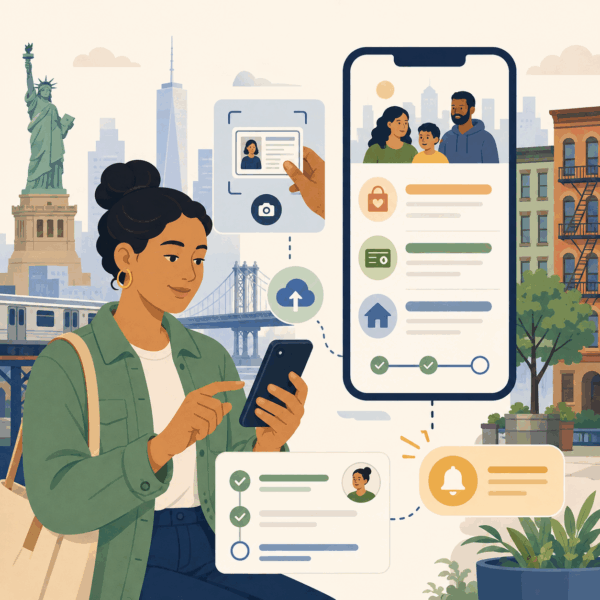
For example, when residents are notified that documentation is missing, they can immediately upload the required materials using their phones. When users are informed that recertification deadlines are approaching, they can complete relevant steps through the same platform. Rather than requiring residents to interpret complex instructions and travel to physical offices, the system creates a more direct and manageable pathway through the benefits process.
This approach transformed communication from a passive activity into an active support mechanism. The platform does not merely communicate policies or deadlines. It guides residents through processes, clarifies next steps, and creates opportunities for immediate response.
The communication strategy behind ACCESS HRA demonstrates an important lesson for public institutions: communication is most effective when it is integrated into service delivery itself. Information alone cannot resolve barriers if residents still encounter procedural friction. ACCESS HRA reduced that friction by making communication actionable.
More Than Just Applications: Human Services and Public Benefits Communication Strategies for State and Local Agencies
This article is part of our series on strategic communication for Human Services Agencies, Public Benefits Agencies, and Health and Human Services departments. To learn more and to see the parent article, which links to other content just like this, click the button below.
Mobile Accessibility and Digital Inclusion
Designing Around Resident Realities
A defining feature of ACCESS HRA is its emphasis on mobile-responsive accessibility. This decision was especially important because many low-income households rely heavily on smartphones rather than desktop computers for internet access.
Traditional online government systems were often designed primarily for desktop users. These systems frequently required scanners, printers, file uploads, or complicated navigation processes that were difficult to manage on mobile devices. ACCESS HRA addressed these limitations by recognizing how residents actually interact with technology in their daily lives.
The platform allowed residents to use smartphone cameras to photograph and upload verification documents directly through the application interface. This feature significantly reduced logistical barriers associated with paperwork submission.
Document verification is one of the most common reasons for delays in public assistance systems. Residents may be required to submit identification documents, proof of income, utility bills, lease agreements, or other records within strict deadlines. In traditional systems, applicants often needed to mail copies, visit offices in person, or locate public scanners and printers.
ACCESS HRA simplified this process substantially. Residents could submit documents remotely from their phones without additional equipment or travel requirements. This increased convenience while also reducing the likelihood of lost paperwork or missed deadlines.
The emphasis on mobile accessibility also acknowledged broader social realities. Many residents experience unstable schedules, unpredictable work hours, or transportation limitations that make office visits difficult. Mobile functionality allowed users to manage benefits during available moments throughout the day rather than depending entirely on agency office hours.
This design philosophy reflects an important principle of equitable digital government: systems should adapt to resident behavior instead of expecting residents to adapt to institutional systems.
Transparency and Case Visibility
Reducing Uncertainty in Public Assistance Systems
One of the most stressful aspects of traditional public benefits administration is uncertainty. Residents often do not know whether applications have been processed, whether documents were successfully received, whether additional information is needed, why delays are occurring, or when benefits will become available.
This uncertainty can intensify anxiety for households already experiencing financial hardship. ACCESS HRA addressed this issue by increasing visibility throughout the case-management process.
The platform enabled residents to monitor application and case status digitally. Users could review notices, identify missing documentation requests, and track updates through a centralized interface. This visibility reduced dependence on phone calls or office visits for routine case inquiries.
From a communication standpoint, transparency functions as a trust-building mechanism. Residents are more likely to view institutions as responsive and accountable when processes are visible and understandable. When individuals can verify that documents were submitted or review updates directly, they gain greater confidence in the system.
ACCESS HRA also shifted communication from reactive to proactive. Instead of residents discovering problems after benefits had already been interrupted, reminders and notifications helped identify issues earlier in the process. This preventive communication model reduced avoidable disruptions and improved continuity of assistance.
Transparency within public systems is especially important because human services directly affect housing stability, food security, healthcare access, and family well-being. Delays or misunderstandings can have immediate consequences for vulnerable households. ACCESS HRA demonstrated how digital communication infrastructure can reduce uncertainty while improving procedural clarity.
Accessibility Beyond Technology
Human Support and Community Integration
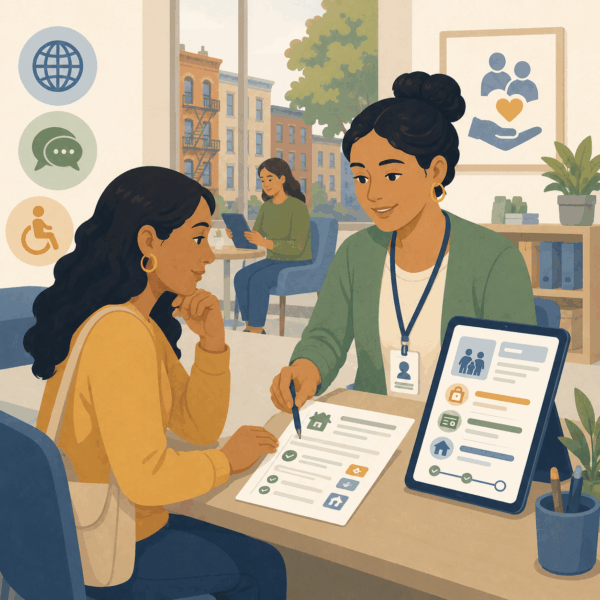
Although ACCESS HRA relied heavily on digital tools, New York City also recognized that technology alone could not eliminate all barriers to access. Many residents still require additional support related to language access, digital literacy, disability accommodations, or general system navigation.
As a result, ACCESS HRA functioned alongside broader support structures that included community organizations, outreach efforts, customer service assistance, and multilingual communication materials.
Community-based organizations played an especially important role in helping residents understand how to use the platform. Nonprofits, advocacy groups, and neighborhood service providers frequently acted as intermediaries between residents and government systems. These organizations helped residents create accounts, upload documents, understand notices, and navigate application procedures.
This collaborative model is significant because digital inclusion involves more than simply providing online access. Residents must also possess the confidence, knowledge, and support necessary to use systems effectively.
The city’s approach acknowledged that some residents may continue to prefer or require in-person assistance. Elderly individuals, residents with disabilities, and those unfamiliar with digital systems may still benefit from human interaction and personalized support.
ACCESS HRA therefore illustrates an important lesson in public administration: digital modernization should complement human-centered service delivery rather than fully replace it.
Communication Strategy and Public Messaging
Explaining the Service Journey

A critical aspect of ACCESS HRA’s effectiveness lies in how the platform was communicated to residents. Successful digital government systems require more than technological functionality; they require clear explanations regarding how residents should use the system and what they should expect throughout the process.
Residents need to understand what actions can be completed online, what situations may still require direct assistance, how to verify successful submissions, when follow-up communication will occur, and where to seek help if complications arise.
This type of communication is essential because confusion about process expectations can discourage platform use or contribute to mistakes.
ACCESS HRA’s communication strategy emphasized usability and continuity throughout the resident experience. Rather than framing the platform solely as a technological innovation, the city presented it as a practical tool that could help residents manage benefits more efficiently.
This distinction matters because residents are less concerned with technological modernization itself than with whether services become easier to navigate.
The platform also required coordination between agencies, frontline workers, and community organizations to ensure consistent messaging. Residents receiving conflicting instructions from different sources could quickly lose confidence in the system. Consistent communication therefore became an operational necessity.
The ACCESS HRA case demonstrates that communication strategy should be considered part of public infrastructure. Digital systems are only effective when residents understand how to navigate them confidently.
Impact and Measurable Outcomes
Increased Remote Service Utilization
ACCESS HRA significantly expanded the ability of residents to complete benefits-related tasks remotely. Over time, increasing numbers of applications, recertifications, and document submissions transitioned from office-based systems to digital interactions.
This shift reduced pressure on physical HRA offices while improving convenience for residents. Individuals could complete tasks without transportation costs, long wait times, or disruptions to work schedules.
The increased use of remote services also contributed to operational efficiency within the agency by streamlining document management and reducing reliance on paper-based workflows.
Improved Communication Efficiency
The platform improved communication efficiency by allowing faster exchange of information between residents and caseworkers. Electronic notices, reminders, and document submissions reduced delays associated with mailed correspondence or in-person processing.
Residents gained quicker access to case updates, while agencies benefited from more organized digital workflows. This helped reduce repeated inquiries and administrative bottlenecks.
The ability to resolve issues earlier in the process also reduced preventable interruptions to benefits.
Increased Importance During the COVID-19 Pandemic
The significance of ACCESS HRA became especially visible during the COVID-19 pandemic. As in-person operations across the country faced major disruptions, digital government platforms became essential for maintaining continuity of public services.
Because New York City had already developed a robust digital benefits platform, residents could continue applying for assistance, uploading documents, and managing cases remotely during a period of heightened economic instability.
The pandemic accelerated broader recognition that digital accessibility is no longer optional for public institutions. ACCESS HRA demonstrated the importance of resilient communication systems capable of functioning during emergencies.
Lessons for Other Human Services Agencies
ACCESS HRA offers several important lessons for governments seeking to modernize public assistance systems.
First, communication should be designed to support action rather than merely distribute information. Residents benefit most when communication tools are directly connected to operational functionality.
Second, mobile accessibility is essential for equitable digital government. Systems designed primarily for desktop use may unintentionally exclude vulnerable populations who rely on smartphones as their primary internet access point.
Third, transparency strengthens trust. Allowing residents to track applications, verify submissions, and understand next steps reduces uncertainty and improves institutional credibility.
Fourth, digital modernization must be paired with human support structures. Community organizations, customer service assistance, and multilingual resources remain critical components of accessibility.
Finally, digital government systems should be evaluated not only according to technological sophistication, but according to how effectively they reduce stress, confusion, and procedural barriers for residents.
Conclusion: ACCESS HRA as a Model for Resident-Centered Public Service
ACCESS HRA represents a major evolution in how public assistance systems are communicated and delivered in the United States. By integrating communication directly into the service process, New York City created a model that prioritizes accessibility, transparency, and resident empowerment.
The platform demonstrates that effective government communication extends beyond announcements and outreach campaigns. Communication becomes most meaningful when residents are given clear pathways to take action, resolve problems, and navigate systems confidently.
ACCESS HRA also highlights the broader role digital infrastructure can play in strengthening public trust. When residents can access services remotely, monitor case progress, receive timely reminders, and submit documents conveniently, interactions with government become more manageable and less intimidating.
Most importantly, the initiative shows that successful public sector innovation depends not only on technology, but on empathy and resident-centered design. ACCESS HRA succeeded because it recognized the realities of residents’ lives and adapted public systems accordingly.
As governments across the United States continue modernizing human services, ACCESS HRA offers an important example of how communication strategy, digital accessibility, and public service delivery can work together to create more equitable and responsive institutions.
SCG’s Strategic Approach to Communication Systems
Align your agency’s messaging, processes, and public engagement strategies
SCG helps human services agencies build communication systems that make complex public programs easier for residents to understand, access, and navigate. By aligning resident-facing language with digital tools, operational processes, and service pathways, agencies can reduce confusion, improve accessibility, and strengthen trust throughout the public service experience.
Whether your agency is modernizing a benefits portal, improving application and case-status communication, developing multilingual and accessible materials, or creating clearer pathways between information and action, a strategic communication framework can help ensure residents know what to expect, what steps to take, and where to turn when they need assistance.
Use the form below to connect with our team and explore how a strategic communication framework can elevate your agency’s impact.