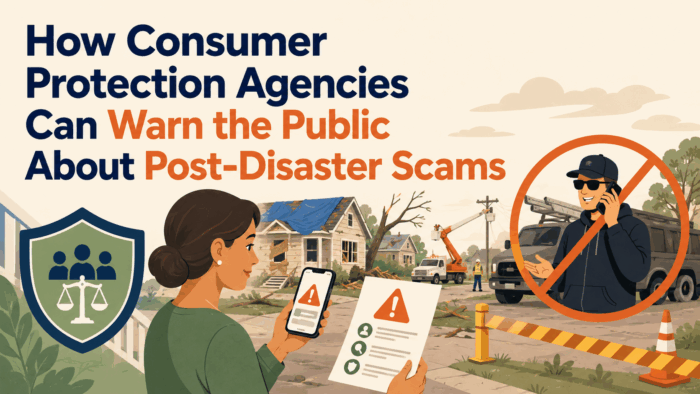
How Consumer Protection Agencies Can Warn the Public About Post-Disaster Scams
Disaster strikes twice. The first time is the storm, the flood, the wildfire, or the earthquake. The second time is the fraud. Every major natural disaster is followed by a wave of opportunistic predation targeting the people who are most vulnerable, most desperate, and least equipped to defend themselves against exploitation. Fraudulent contractors who materialize at the doorstep within hours of an event with too-good-to-be-true offers and high-pressure tactics. Fake charities that appear with credible names and urgent appeals for donations that will never reach victims. Public adjuster impersonators who promise to maximize insurance claims in exchange for assignment of the policyholder’s rights. Unlicensed roofers who take deposits and disappear. Price gougers who charge four times normal rates for fuel, water, and essential supplies when consumers have nowhere else to turn.
Consumer protection agencies have a responsibility to warn the public about these post-disaster scams, and to do so quickly enough that the warning reaches potential victims before the scammers do. That responsibility is demanding because it requires communication at speed, with incomplete information about which specific scams are active and which populations are being targeted, in conditions where normal communication infrastructure may be disrupted and normal community networks are under strain. Agencies that have prepared warning communication templates in advance, that have established relationships with the partner organizations through which warnings can be rapidly distributed, and that have the authority and the procedures to issue warnings quickly without lengthy internal review are agencies that can get protective information to the public before the next wave of scammers arrives.
This article addresses how consumer protection agencies can create timely, effective warnings about post-disaster scams. It covers the specific scam types that consistently follow major disasters, the communication elements that make warnings genuinely protective, how to reach disaster-affected populations through disrupted channels, how to coordinate warning communication across agencies, and how to update warnings as the scam landscape evolves during the recovery period.
The Post-Disaster Scam Landscape
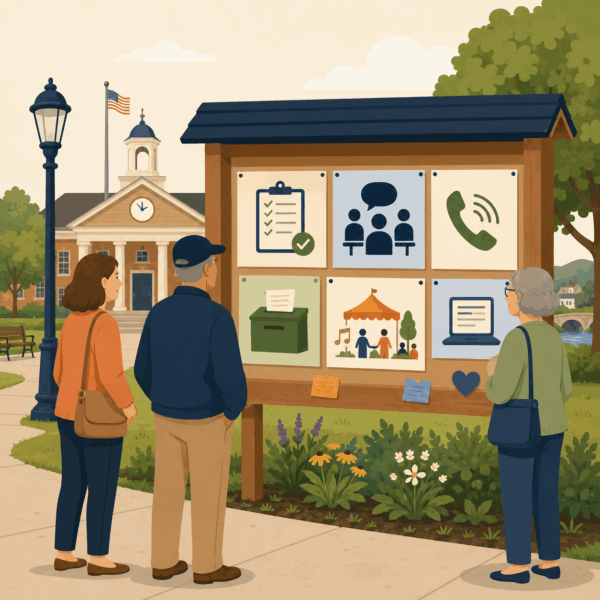 The scam landscape that follows a major disaster is not random. Specific categories of fraud consistently appear after disasters, targeting specific vulnerabilities created by the disaster experience. Understanding this landscape allows consumer protection agencies to prepare warning communication in advance that can be rapidly tailored to the specific disaster and deployed immediately.
Contractor Fraud
Fraudulent and unlicensed contractors are among the most prevalent and most costly post-disaster scams. These operators, sometimes called storm chasers, follow major weather events across the country, soliciting damaged properties with offers of immediate repair at prices that seem attractive compared to the overwhelmed legitimate contractor market. They may collect large deposits and never return. They may perform shoddy or incomplete work that creates additional damage. They may use assignment of benefits agreements that transfer the homeowner’s insurance rights to the contractor, removing the homeowner from the claims process and enabling fraudulent billing to the insurer.
Warning signs of fraudulent contractor offers include payment demands in cash only, requests for large upfront deposits before any work begins, unwillingness or inability to provide a verifiable local business address, refusal to provide a contractor license number that can be verified through the state licensing database, pressure to sign a contract immediately without time to get other estimates, and claims of special connections with insurance companies that allow them to get faster or larger settlements. Consumers who encounter any of these warning signs should break contact with the solicitor and verify contractor credentials through the state licensing authority before signing anything or paying anything.
Assignment of Benefits Schemes
Assignment of benefits schemes are a specific form of fraud that has become increasingly prevalent in states with significant post-disaster insurance claims activity. In these schemes, a contractor, public adjuster, or other service provider asks the disaster-affected homeowner to sign a document that transfers their insurance benefits to the service provider. The service provider then bills the insurer directly, often for amounts that substantially exceed the actual cost of the services provided. The homeowner, having signed away their rights, may have limited ability to dispute the bills or to control the claims process.
The warning communication about assignment of benefits should explain clearly what such agreements do, why they are risky for homeowners, and what the alternatives are. Homeowners should be specifically advised not to sign any document that transfers their insurance benefits to a contractor or other service provider without first consulting with their insurance agent or the insurance department’s consumer assistance line. States that have specific restrictions on assignment of benefits agreements should reference those restrictions in their warning communication.
Fake Charities
Major disasters trigger an outpouring of public generosity that fraudulent charity operators are prepared to exploit. Fake charities appear within hours of a disaster with names that sound official or that are similar to legitimate relief organizations, soliciting donations through social media, email, phone calls, and door-to-door canvassing. Donations to these fake charities go to the fraudulent operators rather than to disaster victims.
Warning communication about fake charities should advise potential donors to give only to established organizations with verifiable track records, to check the charity’s registration status through the state’s charity registration database or national charity vetting services, to be suspicious of charities that cannot provide a verifiable physical address or phone number, and to avoid paying by cash, wire transfer, gift card, or cryptocurrency, which are payment methods that offer no ability to recover funds if the charity is fraudulent. The communication should also specifically mention the names of any known fraudulent charities that have appeared after the specific disaster, if that information is available.
Impersonation Scams
Post-disaster impersonation scams involve fraudulent actors who pose as government officials, insurance company employees, or utility workers to gain access to homes, obtain personal or financial information, or extort payments. A person who claims to be a FEMA inspector and asks for bank account information for assistance deposits is likely running an impersonation scam, because federal emergency management agencies do not ask for account information through unsolicited door-to-door visits. A person who claims to be an insurance company adjuster and asks the homeowner to sign a document without proper identification and without prior contact from the insurer is another common impersonation pattern.
Warning communication about impersonation scams should advise consumers to always ask for identification and to verify identity independently before allowing anyone into their home, providing any personal information, or signing any document. Verification should involve calling the organization the person claims to represent using a phone number from an official source, not a number provided by the person at the door. Government officials and insurance company employees who are legitimate will not object to this verification process.
Price Gouging
Price gouging, the practice of charging excessive prices for essential goods and services during a declared emergency, is illegal in most states and is a specific post-disaster harm that consumer protection agencies are responsible for addressing. Warning communication about price gouging should explain what constitutes illegal price gouging under state law, how consumers can report suspected price gouging, and that the agency is actively monitoring and enforcing price gouging prohibitions in the disaster-affected area.
Price gouging reports from consumers are among the most important enforcement intelligence sources available to the agency in the post-disaster period, and the warning communication should specifically encourage consumers to report suspected price gouging rather than simply accepting inflated prices as a feature of the disaster environment. A reporting mechanism that is easy to use and that provides timely feedback to reporters significantly increases the volume and quality of price gouging reports.
Protecting the Public Interest: Communication Strategies for Financial Regulation, Insurance, and Consumer Protection Agencies
This article is part of our series on strategic communication for Financial Regulatory Agencies, State Insurance Departments, and Consumer Protection Agencies. To learn more and to see the parent article, which links to other content just like this, click the button below.
Elements of an Effective Post-Disaster Scam Warning
A post-disaster scam warning that actually protects consumers must be more than a list of scam types. It must be specific enough that consumers can recognize the scams being described when they encounter them, actionable enough that consumers know what to do when they recognize a scam, and timely enough to reach consumers before they are approached by the scammers the warning describes.
Specificity in a post-disaster scam warning means describing what the scam actually looks like from the consumer’s perspective. Not a description of the scam’s economic structure, but a description of the approach the scammer will make: you may receive a call, a text message, or a knock at your door from someone who tells you they can help you get the most from your insurance claim. They may offer to handle everything with your insurance company so you do not have to deal with the stress. They may ask you to sign a simple form that they say will speed up your claim. Do not sign anything until you have read it carefully, understood it completely, and confirmed that your insurance agent or the insurance department consumer assistance line has no concerns about it.
Actionability means that each warning description is accompanied by specific recommended consumer actions: what to do if they are approached by a potential scammer, how to verify credentials, who to contact for help, and how to report the attempted scam. A warning that describes scams without telling consumers what to do when they encounter them creates awareness without protection.
Timeliness means that the warning reaches consumers before or at the same time as the scammers do, which requires rapid communication activation. Pre-drafted warning templates for the most common post-disaster scam types, with blanks for disaster-specific details, allow agencies to produce complete, polished warnings within hours of a disaster event rather than composing warnings from scratch under time pressure.
Reaching Disaster-Affected Consumers
A post-disaster scam warning that reaches only consumers who are monitoring the consumer protection agency’s normal communication channels does not serve the disaster-affected population effectively. People in the immediate aftermath of a disaster may not be checking government websites, may have lost power and internet access, and may be focused entirely on immediate safety and survival needs. Post-disaster scam warnings must be distributed through multiple channels simultaneously, including channels that function in disrupted communication environments.
Text message alerts through emergency notification systems can reach consumers with basic cellular connectivity even when internet service is disrupted. Social media posts that can be shared by followers extend reach beyond the agency’s own follower base through community networks. Local radio broadcasts reach consumers with battery-powered radios. Partnerships with on-the-ground organizations that are distributing emergency supplies can carry printed warning materials directly to disaster-affected households. The combination of these channels covers a much larger portion of the at-risk population than any single channel alone.
Partner organizations that have established presence in disaster-affected communities should be activated immediately as warning distribution channels. Emergency management agencies, community development organizations, faith communities, local nonprofits providing disaster relief, and community health organizations all have direct connections to disaster-affected populations and can distribute warning information through those connections more efficiently than the consumer protection agency can reach those populations directly.
For communities with significant non-English-speaking populations, post-disaster scam warnings must be translated and distributed in the relevant languages through the organizations and media channels that those communities trust. Scam operators frequently target communities with language barriers because they know that warning communications may not reach those communities in accessible form. Distributing translated warnings through trusted community channels is a specific and important equity obligation in post-disaster communication.
Coordinating Warning Communication Across Agencies
Post-disaster scam warning communication is most effective when it is coordinated among the agencies that have relevant jurisdiction and enforcement authority. Consumer protection agencies, insurance regulators, contractor licensing boards, attorney general offices, and federal consumer protection agencies may all have relevant roles in warning consumers and enforcing against post-disaster fraud. Coordinated communication from multiple agencies amplifies the warning message and presents a unified regulatory response that is more credible and more visible than warnings from individual agencies operating independently.
Pre-established communication coordination protocols among relevant agencies allow coordinated warnings to be issued quickly without requiring new interagency agreements to be negotiated under time pressure. A standing agreement that specifies which agency will take the lead on initial warning communication, how other agencies will be notified and briefed, how joint warnings will be drafted and approved, and through which channels joint warnings will be distributed significantly reduces the coordination burden in the immediate post-disaster period.
Federal agencies, including the Federal Trade Commission, the Consumer Financial Protection Bureau, and federal emergency management agencies, are also important coordination partners for post-disaster warning communication. These agencies have national reach and national enforcement authority that state agencies do not, and their warnings about nationally operating post-disaster fraud schemes amplify state agency communication. State agencies that have established contacts at relevant federal agencies can quickly coordinate on joint communication when a major disaster triggers national-scale fraud activity.
Updating Warnings as the Scam Landscape Evolves
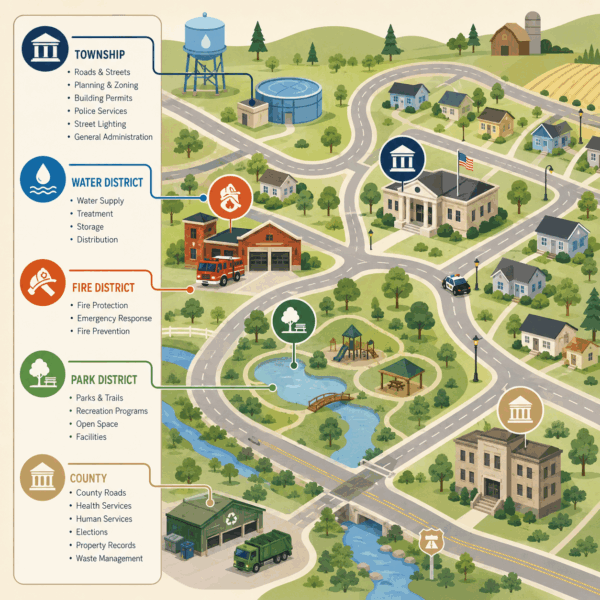 The post-disaster scam landscape evolves over the weeks and months of the recovery period, and warning communication must evolve with it. Initial warnings address the most immediate and most predictable scams. As the recovery proceeds, new scam types may emerge, specific fraudulent actors may become identifiable by name or organization, enforcement actions may provide new information about the methods and targets of specific schemes, and the relative prevalence of different scam types may shift.
Warning updates should be issued as new information warrants, and each update should acknowledge what is new since the previous warning. Consumers who received the initial warning and who are following the agency’s communication for updates need to know specifically what has changed and what new protective actions they should take. An update that simply reissues the general warning without identifying what is new provides no additional value to consumers who have already received and acted on the initial warning.
When enforcement actions are taken against specific post-disaster fraudsters, communicating those actions to the public serves multiple purposes: it warns consumers away from specific actors who may still be operating, it demonstrates that reporting fraud leads to regulatory action, and it provides closure for consumers who may have reported the specific fraud that led to the enforcement action.
Communicating With Consumer Victims After a Fraud Report
A consumer who reports a post-disaster scam to a consumer protection agency has taken a meaningful and often difficult step. Many fraud victims feel shame about having been deceived, fear that nothing can be done to help them, or are uncertain whether their experience rises to the level of a reportable fraud. The agency’s response to each report communicates to that individual whether reporting was worthwhile and signals to the broader affected community, through word of mouth, whether the agency is genuinely engaged with post-disaster fraud or simply collecting reports that go nowhere.
Acknowledgment of each fraud report should be prompt, specific, and informative. The acknowledgment should confirm that the report has been received, explain what will happen with the information reported, describe what resources are available to the reporting consumer, and provide a contact for follow-up questions. A fraud report acknowledgment that provides only a case number and a generic statement that the matter will be reviewed does not serve the consumer who took the time to report and who may be in immediate need of assistance.
For consumers who have already been victimized and who are reporting after the harm has occurred, the acknowledgment and follow-up communication should address the specific assistance options available to them. These may include the consumer protection agency’s complaint process, legal aid referrals for consumers who need legal advice about their options, reporting to law enforcement for matters that involve criminal conduct, and any consumer restitution programs that may become available through enforcement actions against the specific fraud operators being reported.
The agency should track and analyze incoming fraud reports to identify patterns that indicate organized or widespread fraud operations, to prioritize enforcement resources on the most active and most harmful post-disaster fraud schemes, and to update warning communications to reflect the specific fraud methods and actors that reports are revealing. This connection between individual consumer reports and the agency’s warning and enforcement activity closes the feedback loop in a way that encourages continued reporting and demonstrates that consumer engagement with the agency has a genuine protective purpose.
Building Pre-Disaster Warning Capacity
The most effective post-disaster scam warnings are those that can be issued within hours of an event, because fraud operators often reach potential victims before official warnings can be distributed if those warnings take days to prepare and deploy. Building the capacity to issue rapid, high-quality post-disaster warnings requires preparation that happens during non-disaster periods when there is time to develop templates, establish partnerships, test distribution systems, and train staff.
Warning template development for the most common post-disaster scam types is the foundation of rapid warning capacity. A template for contractor fraud warnings, a template for fake charity warnings, a template for assignment of benefits warnings, and a template for impersonation scam warnings, each containing the structural elements of an effective warning with blanks for disaster-specific details, allow staff to produce complete, polished warnings within hours of a disaster event. The template should be designed to be completed quickly with the information that is typically available immediately after a disaster, rather than requiring information that may not be available for days.
Distribution channel maintenance ensures that the contacts and systems needed to rapidly distribute warnings are current and tested. Email lists for partner organizations should be verified periodically. Social media posting access and protocols should be confirmed. Text alert system enrollment should be promoted year-round so that the base of enrolled consumers is as large as possible when a disaster strikes. Relationships with local media and community organization contacts should be maintained so that the agency is not establishing those relationships for the first time under post-disaster time pressure.
Staff training on post-disaster warning communication should cover both the content of effective warnings and the operational procedures for rapid warning deployment. Staff who have practiced the warning deployment process in training exercises will execute it more efficiently and more accurately during an actual disaster than those who encounter the process for the first time under the pressure of a real event. Annual training exercises that simulate post-disaster warning deployment, including the coordination with partner organizations and other agencies, build the institutional readiness that effective post-disaster communication requires.
Price Gouging Warning and Enforcement Communication
Price gouging after a disaster is a form of fraud that affects the widest range of disaster-affected consumers, including those who were not directly impacted by the physical disaster but who live in the affected area and depend on goods and services that have become artificially expensive. Gasoline, bottled water, generators, plywood, hotel rooms, and contractor services are among the goods and services most commonly subject to post-disaster price gouging, and warning and enforcement communication about price gouging serves all of these consumers.
The warning communication about price gouging should explain clearly what price gouging is under state law, because the legal definition often differs from the consumer’s intuitive sense of what constitutes an unfair price increase. Most state price gouging statutes apply during officially declared states of emergency and typically prohibit price increases above a specified percentage of the pre-disaster price, though the specific threshold and the goods and services covered vary by state. Consumer warning communication should give the specific percentage or threshold that applies in the state so that consumers can assess whether a price they are being charged may be illegal.
Reporting mechanisms for suspected price gouging should be prominently advertised in post-disaster price gouging warning communication, because consumer reports are among the primary tools through which price gouging is identified and investigated. The reporting mechanism should be easy to use, should request the specific information needed to investigate the report (the product or service, the price charged, the pre-disaster comparison price if known, and the business name and location), and should acknowledge receipt with realistic expectations about the investigation timeline.
Enforcement actions against post-disaster price gougers should be communicated publicly as they occur, because public knowledge of enforcement activity deters additional price gouging and provides reassurance to consumers who reported price gouging that their reports are being acted on. The communication about enforcement actions should describe specifically what conduct was found to violate the price gouging prohibition, what penalty was imposed, and what the business is required to do to remediate any overcharges.
Unlicensed Adjuster and Insurance Fraud Warning Communication
Insurance-related fraud after a disaster encompasses not only contractor fraud and assignment of benefits schemes but also unlicensed public adjuster activity, fraudulent insurance applications for losses that did not occur, inflated claims by licensed contractors, and organized fraud networks that submit large volumes of fraudulent claims using stolen policyholder information. Warning communication about insurance fraud requires collaboration between the consumer protection agency and the state insurance department, because the insurance regulatory authority and the consumer protection enforcement authority are often in different agencies.
Warning consumers specifically about unlicensed public adjusters requires explaining the distinction between licensed and unlicensed public adjusters, why policyholders should verify a public adjuster’s license before retaining them, and how to verify license status through the insurance department’s online database. The warning should also explain what fee arrangements are typical and regulated for licensed public adjusters, so that consumers can recognize when a fee arrangement being proposed is unusual or potentially exploitative.
Organized fraud networks that operate across multiple disasters and multiple states present a specific challenge for both warning and enforcement communication, because their activities may span multiple jurisdictions and multiple regulatory authorities. Warning communication about these organized operations should be coordinated with other states’ consumer protection agencies, the state insurance fraud unit, federal law enforcement partners, and national organizations that track post-disaster fraud patterns. A coordinated multi-state warning about a specific organized fraud network that is operating across a region is more authoritative and more effective than separate state-by-state warnings that may reach consumers with inconsistent or incomplete information.
Measuring Post-Disaster Warning Effectiveness
The effectiveness of post-disaster scam warning communication should be evaluated through measures that reflect whether the warnings are reaching the intended audience and changing their behavior. These measures are difficult to collect in the immediate post-disaster period, but they are important for improving the agency’s warning communication over time and for justifying the investment in post-disaster warning capacity to the stakeholders who allocate those resources.
Consumer report volumes in the days and weeks following warning issuance provide one indicator of warning reach: if the warning is reaching potential victims, those who have already been approached by scammers are more likely to report the approach as a result. Increases in fraud reports following warning issuance suggest that the warning reached consumers who were being targeted. Complaint volumes about the specific scam types described in warnings provide another indicator: if the warning is effective at preventing victimization, complaint volumes about warned scam types should be lower than would be expected without the warning.
Post-disaster consumer surveys, conducted in the months following a major disaster, can assess how many affected consumers received warning communications, through which channels, what they did with the information, and whether the information helped them avoid a scam they were approached with. These surveys are most valuable when they include both consumers who received warnings and those who did not, so that the protective effect of the warning can be measured against a comparison group.
Strategic Communication Support for Financial and Insurance Regulators
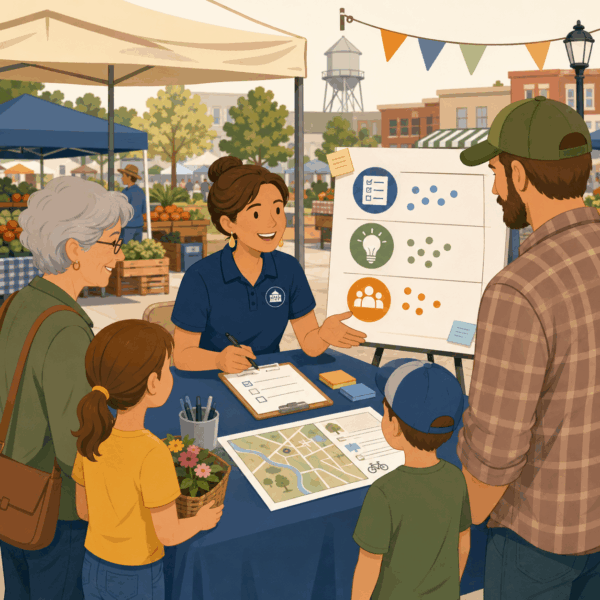 Post-disaster scam communication must reach consumers quickly, before fraudulent offers, misleading contractors, and exploitative financial arrangements can turn a crisis into additional financial harm. For consumers already dealing with property damage, displacement, or uncertainty about insurance claims, knowing what warning signs to look for and where to verify information can be just as important as understanding the claims process itself. Effective scam communication therefore needs to be treated as an integral part of disaster response rather than a secondary consumer education activity.
Successful post-disaster scam prevention combines rapid message development, specific warnings, trusted distribution partners, multi-channel outreach, and sustained communication throughout the recovery period. Generic reminders to “beware of scams” are rarely enough when consumers are encountering specific threats such as fraudulent contractors, fake insurance representatives, requests for upfront payments, identity theft attempts, or misleading assistance offers. Communication becomes more protective when it identifies the risks consumers are actually encountering and gives them practical steps for recognizing, avoiding, and reporting suspicious activity.
Developing this type of communication system requires specialized expertise in crisis communication, consumer behavior, message development, audience targeting, partner coordination, and communication evaluation. Many financial and insurance regulators choose to partner with external communication specialists such as Stegmeier Consulting Group (SCG) because these capabilities complement the agency’s regulatory and consumer protection expertise while providing the strategic communication capacity needed to develop warnings quickly, coordinate them across multiple channels, and sustain them as disaster-related risks change.
Working alongside consumer protection agencies and insurance departments, SCG develops post-disaster scam warning strategies designed around the realities of affected communities. Support may include preparing scam-specific warning templates, developing rapid-response communication protocols, identifying trusted community and industry partners for message distribution, creating multi-channel outreach strategies, coordinating messaging with other government agencies, developing consumer reporting guidance, and establishing measurement systems that identify which warnings are reaching affected populations and where additional communication is needed.
Because scam patterns can change throughout the recovery process, effective warning communication cannot end with the initial disaster response. SCG helps agencies establish repeatable communication workflows, partner activation procedures, content review practices, and performance measurement frameworks that allow warnings to be updated as new schemes emerge and consumer needs change. This creates a communication system that remains responsive throughout recovery rather than relying on a single warning campaign delivered immediately after the event.
The objective is to create a communication environment in which disaster-affected consumers recognize common warning signs, know how to verify offers and assistance, understand where to report suspected fraud, and have access to trusted information before making potentially costly decisions. By strengthening post-disaster scam communication systems, agencies can make consumer protection more immediate, visible, and effective when communities are most vulnerable to exploitation.
Future Trends in Post-Disaster Fraud
Post-disaster fraud is becoming more sophisticated and more difficult for consumers to identify as scammers use technology to create more convincing impersonations and more targeted approaches. AI-generated communications that mimic the style and branding of legitimate organizations, social media profiles created to appear as established relief organizations, and targeted solicitations based on public property records and social media information about disaster-affected households are all tools that sophisticated post-disaster fraud operations are using. Warning communication must evolve to address these technological capabilities rather than assuming that all consumers can easily identify fraudulent communications from their visual or verbal characteristics.
Conclusion
Post-disaster scams take advantage of uncertainty, urgency, and the difficulty consumers may have distinguishing legitimate assistance from fraudulent offers. That makes timely communication an important preventive tool. When agencies identify emerging scams, explain the specific warning signs, and provide clear guidance through channels affected communities actually use, they give consumers practical information that can interrupt fraudulent activity before financial or personal harm occurs.
The strongest scam prevention communication does not operate in isolation. It becomes more effective when insurance departments, consumer protection agencies, emergency management organizations, community partners, and other trusted messengers coordinate around consistent information and maintain communication throughout recovery. Preparing those relationships and communication systems before disasters occur allows agencies to respond faster when new threats emerge and reinforces the broader consumer protection mission at a time when consumers need trustworthy guidance most.
Stegmeier Consulting Group’s Strategic Approach to Communication Systems
Align your post-disaster scam warnings with the speed and specificity that genuine consumer protection requires.
Consumer protection agencies need post-disaster scam warning communication that is issued within hours of a disaster event, describes specific scam types in recognizable terms, reaches affected populations through disrupted communication channels, coordinates across agencies, and is updated as the fraud landscape evolves. SCG helps agencies develop the warning communication systems and templates that provide genuine protection when disaster-affected consumers are most at risk.
Use the form below to connect with our team and explore how stronger post-disaster scam warning communication can reduce consumer harm and demonstrate your agency’s commitment to protecting the most vulnerable members of your community.