Communication Strategy and Public Messaging: Building Colorado PEAK as a Recognizable Statewide Benefits Portal
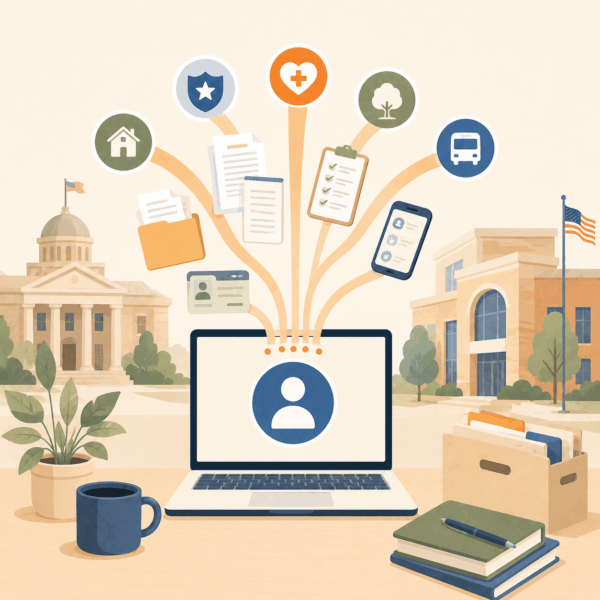 In many parts of the United States, residents seeking public assistance are required to navigate systems that are spread across multiple agencies, programs, and levels of government. Food assistance, medical coverage, cash aid, and other forms of support are often administered through separate processes that use different terminology, requirements, and communication channels. For residents already experiencing financial instability, this fragmentation can make public assistance systems feel overwhelming and difficult to understand.
One of the biggest challenges in public benefits administration is not simply eligibility determination, but navigation. Residents may not know where to begin, which programs are connected, which office to contact, or what steps are required after an application is submitted. A household applying for medical coverage may also need food assistance or child care support, yet residents are often expected to independently identify those connections within highly bureaucratic systems. This places a significant communication burden on the public and can result in missed opportunities for assistance, delayed applications, or confusion about available services.
In Colorado, Colorado PEAK was developed to address these challenges by creating a centralized online entry point for public benefits access and management. Publicly described by the State of Colorado as a platform where residents can apply for and manage medical, food, cash, and other benefits online, Colorado PEAK serves as both a service-delivery tool and a communication infrastructure. The platform creates a recognizable statewide location where residents can complete benefits-related tasks and receive guidance about available services.
From a communication strategy perspective, Colorado PEAK demonstrates how a centralized portal can function as a “source-of-truth” destination within a fragmented public assistance environment. Rather than requiring residents to search across disconnected websites or agencies, the platform attempts to consolidate key actions and information into one accessible system. However, the effectiveness of this kind of portal depends heavily on communication clarity. A centralized platform only improves navigation if residents understand what the portal is for, what programs are included, what tasks can be completed online, and where to seek assistance if problems arise.
Colorado PEAK therefore highlights an important lesson in digital government communication: technology alone does not simplify systems. Residents still require plain-language explanations, accessible guidance, consistent terminology, and repeated messaging that connects the portal to real-life needs and tasks. The name of a portal does not automatically tell residents how to use it. Public agencies must continuously explain that Colorado PEAK is where residents can apply for food assistance, renew medical coverage, upload verification documents, report changes, or check benefit status.
The platform also demonstrates the importance of communication consistency across statewide systems. Counties, community organizations, healthcare navigators, and public agencies all interact with residents seeking assistance. When these organizations use shared terminology and direct residents toward the same platform, the system becomes easier to understand and navigate. In this way, Colorado PEAK functions not only as a digital portal, but also as a statewide communication anchor that supports coordination across multiple service environments.
This case study examines Colorado PEAK as a model for centralized public benefits communication and resident-centered digital navigation. It explores how the platform reduces fragmentation, supports communication consistency, strengthens statewide coordination, and illustrates the broader role of digital infrastructure in improving public service accessibility and understanding.
The Initiative: Colorado PEAK
Program Background and Context
Colorado PEAK was developed as part of Colorado’s broader effort to modernize public benefits access and create a more unified experience for residents seeking assistance. Public assistance systems are often organized around separate agencies and administrative structures, which can make it difficult for residents to understand how programs relate to one another or where to begin the application process. A resident seeking food assistance may also need medical coverage or cash support, yet these services may traditionally involve different offices, processes, or communication channels.
Colorado PEAK was designed to reduce this fragmentation by creating a centralized online entry point where residents could access multiple state-administered benefits through one platform. Publicly available information describes the platform as a place where residents can apply for and manage medical, food, cash, and other State of Colorado benefits online.
The platform functions not only as a digital application system, but also as a statewide communication reference point. Residents, county offices, and community organizations can consistently direct individuals toward the same platform for benefits-related actions. This helps reduce confusion caused by disconnected systems or inconsistent instructions across agencies.
From a communication perspective, Colorado PEAK reflects a broader shift toward resident-centered public service delivery. Instead of expecting residents to navigate multiple bureaucratic systems independently, the platform attempts to create a clearer and more centralized pathway for public assistance access.
More Than Just Applications: Human Services and Public Benefits Communication Strategies for State and Local Agencies
This article is part of our series on strategic communication for Human Services Agencies, Public Benefits Agencies, and Health and Human Services departments. To learn more and to see the parent article, which links to other content just like this, click the button below.
Centralization as a Communication Strategy
Creating a Recognizable Statewide Portal

One of the most important communication functions of Colorado PEAK is its role as a centralized and recognizable destination for public benefits services. In many public assistance systems, residents receive information from multiple offices, agencies, or organizations that may use different terminology or instructions. This can make systems difficult to understand, especially for first-time applicants or individuals already experiencing financial stress.
Colorado PEAK helps address this issue by establishing one identifiable platform connected to benefits-related actions. Over time, repeated use of the same platform name across state agencies, county offices, outreach materials, and partner organizations strengthens public familiarity with the system.
This consistency is important because residents are more likely to successfully navigate systems when they know exactly where to go for assistance-related tasks. Colorado PEAK becomes easier to recognize when communication repeatedly links the portal to specific actions such as:
-
applying for food assistance,
-
renewing medical coverage,
-
reporting household changes,
-
uploading documents,
-
or checking case status.
The communication lesson from Colorado PEAK is that centralization improves accessibility only when residents clearly understand what the centralized platform is for and how it connects to their real-life needs.
Using Plain-Language and Task-Oriented Messaging
A major communication lesson from Colorado PEAK is the importance of plain-language messaging. Government systems often rely heavily on administrative terminology, technical language, or program-specific vocabulary that may be unfamiliar to residents. While agencies may organize services according to bureaucratic categories, residents generally think in terms of immediate needs and practical actions.
For example, residents are more likely to ask:
-
“How do I apply for food assistance?”
-
“How do I renew my health coverage?”
-
“Where do I upload my documents?”
than -
“Which eligibility system manages my case?”
Because of this, communication surrounding Colorado PEAK becomes more effective when it focuses on real-life resident tasks instead of agency structures. Outreach materials, websites, county offices, and community organizations can all reinforce simple action-oriented messaging that clearly explains what residents can do through the platform.
This approach reduces intimidation and makes the system feel more approachable. Residents are more likely to engage with digital systems when communication feels understandable, direct, and connected to everyday needs.
The platform therefore illustrates how communication clarity is essential to successful digital government modernization. Even the most advanced online system can remain inaccessible if residents do not understand how to use it or what actions it supports.
Supporting Communication Consistency Across Agencies and Counties
Colorado PEAK also demonstrates the importance of communication consistency across different levels of government and service delivery systems. Public assistance programs often involve coordination between state agencies, county offices, healthcare systems, and nonprofit organizations. Without shared messaging, residents may receive conflicting instructions depending on which office or organization they contact.
The statewide structure of Colorado PEAK helps reduce this inconsistency by giving agencies and partners a shared communication anchor. County offices, community navigators, call centers, outreach workers, and nonprofit partners can all direct residents toward the same platform using consistent terminology and instructions.
This consistency strengthens system navigation because residents repeatedly encounter the same guidance across multiple communication channels. Over time, the platform becomes easier to recognize and use because the messaging remains stable regardless of where residents seek help.
From a communication strategy perspective, this reflects the importance of coordinated messaging ecosystems. Effective public communication depends not only on what agencies say, but also on whether all participating organizations reinforce the same explanations and navigation pathways.
Accessibility and Mobile-Friendly Communication
Another important aspect of Colorado PEAK’s communication strategy is accessibility. Public assistance systems must communicate effectively with residents who possess varying levels of digital literacy, education, language proficiency, and internet access.
A centralized portal can only improve accessibility if residents are actually able to use it comfortably and confidently. This means communication strategies must support:
-
mobile-friendly navigation,
-
understandable instructions,
-
accessibility accommodations,
-
and clear explanations regarding available support.
Many low-income households rely heavily on smartphones as their primary internet access device. Because of this, digital communication systems must be designed with mobile usability in mind. Residents balancing work schedules, transportation barriers, or caregiving responsibilities are more likely to successfully use systems that allow flexible online access from mobile devices.
At the same time, accessibility also involves recognizing that not all residents can independently navigate digital systems. Some individuals may require assistance due to disability accommodations, language barriers, or limited digital familiarity. Communication strategies must therefore include information about available help resources, alternative access pathways, and community assistance options.
Colorado PEAK demonstrates that accessibility is not only a technological issue, but also a communication issue. Residents need clear explanations regarding how to use the platform, what help is available, and what to do if problems occur.
Reinforcing Trust Through Predictable Communication
Public assistance systems often affect highly sensitive aspects of residents’ lives, including food security, healthcare access, and financial stability. Because of this, communication consistency and predictability play important roles in building public trust.
Colorado PEAK supports trust-building by creating a centralized and recognizable environment for benefits-related actions. Residents who repeatedly encounter the same platform name, instructions, and navigation structure may feel more confident interacting with the system over time.
Predictable communication reduces uncertainty and confusion. Residents are more likely to successfully complete applications or manage cases when they clearly understand:
-
where to go,
-
what steps are required,
-
what actions can be completed online,
-
and where to seek additional assistance.
The communication strategy behind Colorado PEAK therefore contributes not only to operational efficiency, but also to resident confidence and institutional credibility.
Communication Through Resident Tasks
Connecting the Portal to Everyday Actions
A major strength of Colorado PEAK is its ability to organize communication around resident tasks rather than government structures. Residents generally think about immediate needs and practical actions rather than administrative categories. Most individuals are not concerned with which agency division manages a program. Instead, they want to know how to apply for benefits, renew coverage, submit paperwork, or receive help quickly.
Because of this, communication surrounding Colorado PEAK becomes more effective when it focuses on understandable resident actions. The platform serves as a place where residents can complete key benefits-related tasks in one environment rather than navigating disconnected systems.
This task-oriented communication strategy also helps simplify public assistance processes that might otherwise feel intimidating or overly bureaucratic. When outreach materials consistently explain that Colorado PEAK is where residents can manage their benefits online, the system becomes more approachable and easier to understand.
The platform therefore demonstrates the importance of practical communication in digital government systems. Technology alone does not improve accessibility unless residents understand how the system fits into their daily lives and responsibilities.
Accessibility and Digital Navigation
Supporting Online Benefits Management
Because Colorado PEAK functions as a statewide online platform, accessibility and usability are essential components of its effectiveness. Residents using the platform may come from different educational, linguistic, economic, or geographic backgrounds, meaning the system must support a wide range of user needs.
The platform’s online structure helps residents complete important tasks remotely, reducing dependence on in-person office visits. This is especially important for individuals with transportation barriers, caregiving responsibilities, unstable work schedules, or limited access to local offices.
At the same time, digital accessibility involves more than simply placing services online. Residents still require:
-
clear instructions,
-
understandable terminology,
-
mobile-friendly access,
-
and guidance regarding what actions can be completed digitally.
Colorado PEAK illustrates how digital government systems must combine technological functionality with communication clarity. Residents are more likely to use online systems successfully when they understand what services are included, how to navigate the platform, and where to seek additional help if problems occur.
Coordination Across Counties and Community Partners
Supporting Consistent Messaging
Another important aspect of Colorado PEAK is its role in supporting communication consistency across counties and community organizations. Public assistance systems often involve collaboration between state agencies, local offices, nonprofit organizations, healthcare navigators, and community service providers.
Without consistent communication, residents may receive conflicting or incomplete instructions from different organizations. Colorado PEAK helps reduce this fragmentation by giving agencies and partners a common platform to reference when assisting residents.
This shared communication framework strengthens statewide coordination because organizations can direct residents toward the same portal for applications, renewals, case management, and document submissions. The more consistent this messaging becomes across systems, the easier the platform is for residents to navigate.
The Colorado PEAK case also highlights the importance of partner support and guidance. Community organizations and county staff must understand how the platform works in order to help residents effectively. This requires ongoing communication, updated materials, and consistent terminology across different service environments.
Transparency and Resident Understanding
Reducing Confusion in Public Assistance Systems
Public assistance systems can often feel overwhelming because residents are uncertain about where they are in the process or what actions they still need to complete. Colorado PEAK helps reduce some of this uncertainty by creating a centralized environment for managing benefits-related tasks.
When residents can use one platform for applications, renewals, reporting changes, and case management, the process becomes more predictable and easier to follow. This supports greater transparency and helps residents better understand how to navigate the system.
From a communication standpoint, predictability and clarity are important for building trust in public institutions. Residents are more likely to engage with systems they understand and can navigate confidently.
Colorado PEAK therefore demonstrates how centralized digital systems can improve communication by reducing fragmentation and creating clearer pathways through public assistance processes.
Lessons for Other Human Services Agencies
 Colorado PEAK offers several important lessons for public agencies modernizing digital public assistance systems.
First, centralized platforms are most effective when communication consistently explains how the portal connects to practical resident tasks and everyday needs.
Second, communication should focus on clarity and usability rather than administrative terminology. Residents benefit most from simple guidance connected to understandable actions.
Third, statewide systems require coordination across agencies, counties, and community organizations in order to maintain consistent messaging and reduce confusion.
Finally, digital platforms should be treated not only as technology systems, but also as communication infrastructure that shapes how residents experience public services and navigate government support programs
Conclusion: Colorado PEAK as a Centralized Public Benefits Communication Platform
Colorado PEAK demonstrates how centralized digital systems can improve communication and accessibility within public assistance environments. By creating a single statewide location for benefits-related tasks, the platform helps reduce fragmentation and provides residents with a more recognizable pathway for accessing services.
The case also highlights that technology alone does not automatically simplify government systems. Effective communication remains essential for helping residents understand what the platform does, what services are included, and how to navigate the process successfully.
Most importantly, Colorado PEAK illustrates how consistent messaging, centralized navigation, and resident-focused communication can make public assistance systems more understandable, coordinated, and accessible for the public.
SCG’s Strategic Approach to Communication Systems
Align your agency’s messaging, processes, and public engagement strategies
SCG helps human services agencies strengthen communication systems around centralized benefits portals so residents can more easily understand where to go, what they can do, and how to complete important benefits-related tasks. By aligning plain-language messaging with digital navigation, county and partner communications, outreach materials, and resident service pathways, agencies can make statewide platforms more recognizable, reduce conflicting guidance, and create a more consistent public experience.
Whether your agency is building awareness of a centralized benefits portal, improving communication around applications and renewals, clarifying document submission and case-status processes, or coordinating messaging across counties and community partners, a strategic communication framework can help connect the technology to the practical actions residents need to take. Treating the portal as both a service-delivery tool and a communication anchor can strengthen familiarity, accessibility, and trust while making public benefits systems easier to navigate.
Use the form below to connect with our team and explore how a strategic communication framework can elevate your agency’s impact.