
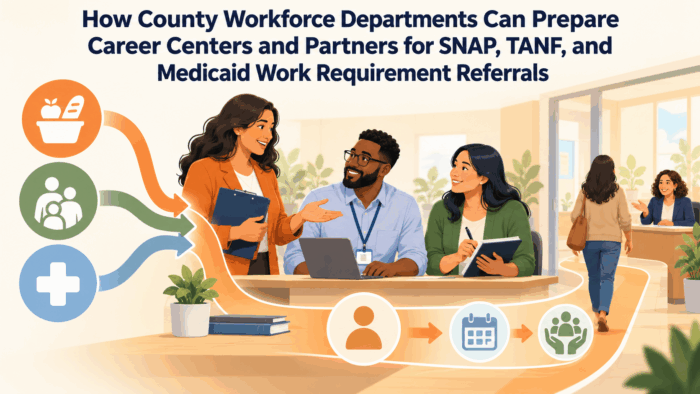
How County Workforce Departments Can Prepare Career Centers and Partners for SNAP, TANF, and Medicaid Work Requirement Referrals
County workforce departments can become a critical point of contact when public benefit programs refer residents to employment, training, job search, work activity, or related workforce services. For residents receiving SNAP, TANF, Medicaid, or other public assistance, those referrals may arrive through notices, caseworker instructions, eligibility conversations, online portals, or community partners. By the time a resident reaches a career center, they may already be confused about why they were referred, what they are required to do, which program rules apply, whether an exemption may exist, and what could happen if they do not complete the expected activity.
Career centers are not benefits eligibility offices, but they may still become the place where residents ask questions about requirements that originated somewhere else. Workforce staff may hear questions about hours, exemptions, documentation, reporting, sanctions, good cause, renewals, or whether a particular training activity counts. Without clear preparation, staff may either provide incomplete information, redirect residents too quickly, or unintentionally give an answer that conflicts with the agency responsible for benefits eligibility.
County workforce departments therefore need a communication system that prepares career centers and partner organizations to receive referrals accurately, explain their own role, identify what services they can provide, and return residents to the correct benefits agency when questions fall outside workforce authority. The objective is not to turn workforce staff into benefits caseworkers. It is to make the referral experience understandable enough that residents can move from one system to another without losing track of what they are expected to do.
This preparation becomes even more important when requirements change, new populations become subject to participation rules, exemptions are revised, or agencies implement new referral procedures. SNAP, TANF, Medicaid, and related program policies can differ by program, jurisdiction, population, and current state or federal guidance. County workforce departments should therefore build communication systems that can be updated quickly and that clearly distinguish workforce services from eligibility determinations.
Start by Defining the Workforce Department’s Role
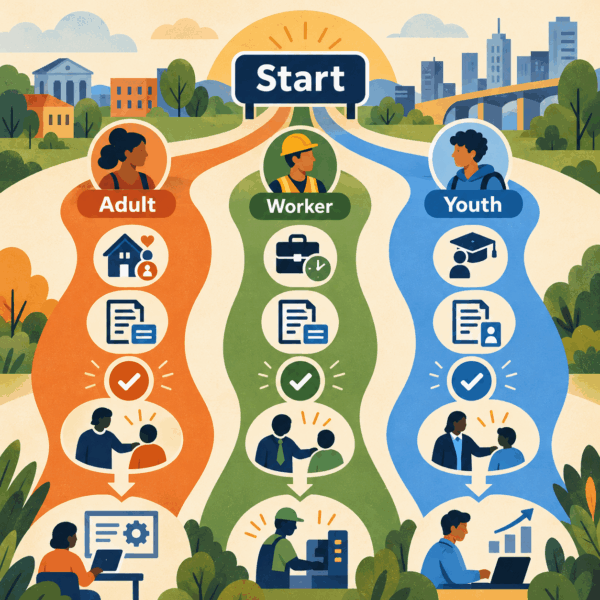 Before career centers can communicate effectively with referred residents, the county workforce department needs to define exactly what role the workforce system plays in the referral process. In some communities, career centers may provide job search assistance, workforce assessments, employment planning, training referrals, workshops, or documentation of participation. In others, the workforce system may serve only certain populations or activities. Staff should not be expected to interpret that role differently from office to office.
The department should identify which activities career centers are responsible for providing, what information staff are expected to collect, what participation information is reported back to another agency, and which questions remain the responsibility of the benefits agency. These distinctions should be documented in plain language that front-line staff can use consistently.
Role clarity is especially important because residents may assume that any government office involved in the referral can answer every benefits question. A career center employee may be asked whether a person qualifies for an exemption, whether their benefits will stop, or whether a particular medical or family circumstance changes the requirement. Unless the workforce department has explicit authority and current guidance to answer those questions, staff should know how to explain the boundary and direct the resident to the appropriate source.
A well-defined role allows career centers to be helpful without overstepping. Residents can receive meaningful workforce assistance while still being directed to the agency that controls eligibility and program-specific determinations.
Explain Why the Resident Was Referred
Many residents will arrive at a career center without understanding the connection between their benefit program and the workforce system. A notice may tell them to contact the career center without clearly explaining what the center does or why that contact matters.
Career centers should be prepared with a plain-language explanation of the referral relationship. Staff can explain that certain benefit programs may require or encourage participation in employment, job search, training, or other approved activities and that the career center provides services that may help residents meet those expectations, depending on the program and individual circumstances.
The explanation should avoid implying that every referred resident is subject to exactly the same requirement. SNAP, TANF, Medicaid, and other programs can have different rules, exemptions, activity definitions, and reporting structures. Staff should describe the career center’s role without making assumptions about an individual’s eligibility status.
Clear referral explanations reduce anxiety and help residents understand that the career center is part of a larger process. They also make it easier for staff to transition the conversation from “Why am I here?” to “Here is what we can help you do next.”
Skilled & Connected: Communication Strategies for Workforce Development Agencies, Career Centers, and Local Employment Services
This article is part of our series on strategic communication for Workforce Development Agencies, Career Centers, and Local Employment Services. To learn more and to see the parent article, which links to other content just like this, click the button below.
Distinguish SNAP, TANF, and Medicaid Requirements Clearly
One of the biggest communication risks is treating all work requirements as though they are the same. SNAP, TANF, Medicaid, and related benefit programs may use different terminology, eligibility rules, participation expectations, exemptions, reporting requirements, and consequences.
County workforce departments should prepare staff to recognize which program generated the referral before explaining anything about participation. A resident referred through SNAP should not automatically receive the same explanation given to someone referred through TANF, and workforce staff should not assume that a Medicaid-related requirement operates the same way as another program.
Staff do not need to become experts in every eligibility rule, but they should understand enough to avoid blending the programs together. Basic reference materials can identify the responsible agency, the workforce services connected to each referral type, the documentation the career center provides, and the questions that must be referred back to the benefits office.
Keeping program distinctions clear protects both the resident and the workforce department. It reduces the risk that someone follows the wrong instructions because a staff member applied the rules of one program to another.
Use Program-Specific Referral Guides
County workforce departments can develop short referral guides for each major benefit program rather than relying on one general work-requirement handout. Each guide can identify the program, the workforce department’s role, the services available through the career center, documentation procedures, and the correct contact for eligibility questions.
These guides should be updated whenever state or federal requirements, county procedures, or interagency responsibilities change. Staff should always be able to identify the current version.
Program-specific guides help front-line workers provide consistent information without requiring them to memorize complex benefit rules that may change over time.
Prepare Staff to Explain What the Career Center Can Provide
Residents should leave the first workforce contact understanding what practical help is available. Career centers may provide job search support, résumé assistance, interview preparation, employment planning, labor market information, training referrals, digital access, workshops, occupational assessments, or connections to employers and partner services.
The specific service mix will vary by county, program, and funding structure, but the communication principle is consistent. Residents should not experience the career center as merely another place where they are told to complete a requirement. They should understand what support the workforce system can provide to help them move toward employment or approved activity.
Staff should explain services in relation to the person’s immediate referral without promising that every activity will satisfy every program requirement. A training program may be valuable, for example, but whether it counts toward a particular benefit requirement may depend on rules controlled by the referring agency.
This distinction allows workforce staff to remain supportive while preserving accuracy. They can describe what the career center offers and help residents access services without making benefit determinations outside their authority.
Separate Workforce Participation From Benefits Eligibility
A resident may successfully participate in a career center activity and still have separate obligations with the benefits agency. Conversely, someone may believe that simply visiting the career center automatically satisfies every requirement associated with their case. County workforce departments should address this misunderstanding directly.
Career centers should explain what their participation records show and what they do not show. If the workforce department documents attendance, job search activity, training enrollment, or another service, residents should understand how that information is transmitted or whether they are responsible for providing documentation themselves.
Staff should also make clear that participation in workforce services does not by itself determine continued eligibility for SNAP, TANF, Medicaid, or another benefit. Eligibility decisions remain with the agency or office authorized to make them.
This separation is essential because it prevents residents from relying on an assumption that the workforce center has completed every requirement on their behalf. Clear communication helps people understand where one system ends and another begins.
Explain Documentation Before It Becomes a Problem
Documentation can become one of the most frustrating parts of a cross-agency referral. Residents may participate in a required activity but later discover that the benefits agency does not have the information needed to confirm that participation.
County workforce departments should establish clear procedures for documenting attendance, job search activity, training participation, or other activities they are responsible for tracking. Staff should know what information is recorded, how quickly it is entered, whether it is transmitted electronically, and whether the resident should retain copies.
Residents should receive the same explanation. If they need to submit documentation themselves, they should be told exactly what they will receive from the career center and where it should go. If information is transmitted directly between agencies, staff should explain that process without promising that another agency has already processed it.
Good documentation communication reduces disputes and protects residents from administrative gaps between systems. It also gives workforce and benefits staff a clearer basis for resolving problems when records appear incomplete.
Prepare for Questions About Exemptions and Good Cause
Career center staff are likely to hear questions about exemptions, good cause, disability, caregiving, pregnancy, transportation, housing instability, medical limitations, or other circumstances that may affect participation requirements. These questions can be highly consequential, but they often belong to the benefits agency rather than the workforce department.
Staff should be trained to recognize these questions quickly and respond consistently. The appropriate response may be to explain that certain circumstances can affect program requirements but that the eligibility office must determine whether an exemption, good-cause provision, or other exception applies in the person’s case.
The communication should not sound dismissive. Instead of telling the resident only that the career center “doesn’t handle that,” staff can explain why the decision is made elsewhere and provide the appropriate contact or referral pathway.
This approach helps residents raise important circumstances with the agency that has authority to evaluate them while preventing workforce staff from making unofficial determinations that may later conflict with the benefits case.
Develop a Clear Referral Back to the Benefits Agency
A referral system is incomplete if career center staff know when they cannot answer a question but do not know where to send the resident next. County workforce departments should create a clear return pathway to the appropriate benefits office.
That pathway should be more specific than a general instruction to “call your caseworker” whenever possible. Residents may not know who their caseworker is, may have difficulty reaching an individual worker, or may be served through a centralized eligibility system. Workforce staff should have current contact information and understand the preferred method for escalating referral-related questions.
Interagency contacts can also help resolve systemic problems. If career centers repeatedly receive residents with the same unclear notice or the same misunderstanding, workforce leadership should have a way to raise the issue with the referring agency rather than leaving each resident to solve it individually.
A strong return pathway makes the referral relationship two-directional. Residents can move from benefits services into the workforce system and back again without being stranded between agencies.
Prepare Partner Organizations Alongside Career Center Staff
Career centers are rarely the only organizations that will encounter residents affected by work requirement referrals. Libraries, community colleges, social service providers, training organizations, nonprofit partners, adult education programs, housing organizations, and other community institutions may also receive questions.
County workforce departments should provide partners with basic communication materials explaining the workforce referral process, the career center’s role, and where residents should go for authoritative benefits information. Partners do not need the same level of operational detail as workforce staff, but they should be able to avoid common misinformation.
This coordination is especially important when partner organizations help deliver workforce activities. Residents should not receive conflicting explanations depending on whether they speak with a career center, training provider, or community partner.
Preparing the broader partner network creates a more coherent resident experience. It also reduces the likelihood that inaccurate information spreads through trusted community channels.
Make the First Referral Experience Supportive Rather Than Punitive
Residents may arrive at career centers believing that they are being sent there because they have done something wrong or because their benefits are about to be taken away. Communication can either reinforce that fear or help the person understand the process more constructively.
Career center staff should explain the purpose of the referral, what services are available, what information the center can provide, and what the resident needs to do next. The tone should be direct and respectful, particularly when participation is connected to a formal requirement.
This does not mean minimizing consequences or suggesting that requirements are optional when they are not. It means explaining obligations without framing every interaction around the threat of benefit loss.
A supportive first experience can improve engagement with workforce services and make residents more willing to ask questions before a misunderstanding becomes a missed requirement. It also reinforces the career center’s role as an employment resource rather than simply another enforcement point in the benefits system.
Map the Referral Journey From Benefits Agency to Career Center
County workforce departments should document the full referral journey before expecting front-line staff to explain it accurately. That journey begins when a benefits agency identifies a resident for referral and continues through the notice, scheduling process, career center intake, participation, documentation, and any return communication to the benefits agency. Each transition should have a clear purpose and owner.
A referral map can help identify where residents are most likely to become confused. A notice may tell someone to contact a career center without explaining what service to request. A career center may receive the person without enough information to know which program generated the referral. A partner organization may provide an activity without knowing what documentation the benefits agency expects afterward. These gaps can create avoidable delays and inconsistent instructions.
The map should also distinguish automated steps from staff-driven ones. If referrals move electronically between agencies, workforce staff should know what information is included and what is not. If the resident must carry a document or provide a referral code, that requirement should be stated clearly before they arrive.
Mapping the complete journey allows county workforce departments to improve communication systematically rather than fixing problems one resident at a time.
Standardize the Intake Conversation for Referred Residents
The first career center conversation should help staff identify the referral source, understand the resident’s immediate need, and explain the workforce department’s role. A consistent intake framework can reduce variation among offices and staff members.
The conversation should confirm which program generated the referral, what documentation the resident received, whether a specific activity was identified, and whether the person has a deadline or appointment connected to the referral. Staff should avoid assuming that the resident understands the notice or that the information provided by another agency is complete.
Career center employees should then explain what the center can do, what it cannot determine, and what will happen next. This may include scheduling an assessment, connecting the resident to job search or training services, documenting participation, or directing a benefits-specific question back to the appropriate agency.
A standardized conversation does not need to sound scripted. Its purpose is to make sure every referred resident receives the essential information needed to understand the next step.
Create Clear Handoffs Between Eligibility Staff and Workforce Staff
Cross-agency referrals work best when benefits and workforce staff understand each other’s responsibilities. County workforce departments should establish formal handoff procedures with the agencies administering SNAP, TANF, Medicaid, or related programs.
The handoff should specify what information accompanies the referral, what workforce staff are expected to do with it, and what information is returned after the resident participates. If workforce staff regularly receive incomplete referrals, that issue should be addressed at the system level rather than left for front-line employees to resolve informally.
Staff on both sides should also understand which agency answers which questions. Benefits eligibility, exemptions, good cause, sanctions, and program-specific requirements may remain with the eligibility agency, while career centers handle employment services and participation activities within their authorized role.
Strong handoffs reduce the likelihood that residents are repeatedly redirected between offices. They also help each agency remain within its proper responsibilities.
Build a Warm Referral Process for Complex Cases
Some residents will need more than a telephone number or website address when they are redirected to another agency. Complex cases may involve language barriers, disability, unstable housing, inconsistent records, or uncertainty about which office is responsible.
Where feasible, counties can create warm referral procedures that allow workforce staff to connect the resident with a designated benefits contact or provide a more direct pathway for unresolved referral questions.
A warm referral does not require workforce staff to resolve the eligibility issue themselves. It reduces the chance that the resident becomes lost between systems.
Prepare Staff for Program Changes Before Referrals Increase
Changes to work requirements can quickly affect referral volume. A new policy, expanded population, changed exemption, revised reporting requirement, or updated state procedure may result in large numbers of residents contacting career centers within a short period.
County workforce departments should receive and translate operational guidance before the public-facing change takes effect whenever possible. Staff need to understand what is changing, which residents may be referred, what workforce services are expected, and which questions must remain with the benefits agency.
Training should focus on the practical implications for front-line communication. Employees do not necessarily need every policy detail. They need to know what they should say, what they should not say, what documents to look for, and where to escalate questions they cannot answer.
Advance preparation reduces inconsistent improvisation during periods of rapid policy change. It also helps workforce departments identify capacity problems before referral volume overwhelms career centers.
Use Change Alerts for Time-Sensitive Policy Updates
A large reference manual is not enough when program rules change quickly. County workforce departments should have a concise way to alert career centers and partners when a change affects referrals, participation, documentation, or resident communication.
A change alert can identify what changed, the effective date, which populations or programs are affected, what staff should do differently, and which existing materials are now outdated. It should also link staff to the current full guidance.
Old alerts should be archived clearly so staff do not accidentally rely on superseded information. Current guidance should be easy to identify.
This approach helps organizations respond quickly while maintaining version control across multiple offices and partner agencies.
Develop Program-Specific Talking Points for Front-Line Staff
Residents may ask the same question in several different ways, and staff need a consistent foundation for responding. Program-specific talking points can help workforce staff explain their role without drifting into eligibility interpretation.
Talking points should cover the most common questions, such as why the resident was referred, what career center services are available, what documentation the center provides, whether participation information is shared, and who handles questions about exemptions or benefit consequences.
The language should be plain enough to use in conversation rather than written like policy guidance. Staff should be able to explain the process naturally while staying within the boundaries established by the county.
Talking points are particularly valuable for partner organizations that may encounter referred residents less frequently and therefore have less familiarity with the process.
Prepare Career Centers to Manage Increased Referral Volume
A policy change can create communication pressure even before it creates a service-capacity problem. Residents may call repeatedly, arrive without appointments, bring notices staff have not seen before, or ask questions that require coordination with benefits agencies.
County workforce departments should estimate where increased demand is likely to appear and prepare communication accordingly. This may involve dedicated referral information on the website, updated telephone scripts, appointment instructions, additional front-desk guidance, or clearly identified staff contacts.
If wait times increase, residents should be told what to expect. Silence can cause people to worry that they are failing to meet a requirement simply because the career center cannot see them immediately.
Operational transparency is especially important when the resident believes benefits may depend on timely participation. Workforce departments should avoid promising that a delayed appointment will not affect eligibility unless they have authority to make that statement, but they can explain what documentation is available and how the situation is being handled.
Explain Scheduling and Appointment Expectations Clearly
Residents referred to career centers need to know whether they can walk in, must schedule an appointment, can participate remotely, or need to complete an orientation first. These expectations should be communicated before the resident arrives whenever possible.
Appointment instructions should identify what the person should bring, how long the initial visit may take, and what happens if they cannot attend. If a missed career center appointment affects reporting back to the benefits agency, staff should explain the documentation process without independently determining the benefits consequence.
Career centers should also distinguish an appointment request from a confirmed appointment. A resident who submits an online form should know whether the time is actually scheduled or whether staff will contact them later.
Clear scheduling communication reduces missed visits and prevents residents from assuming they have completed a required step when they have only initiated it.
Coordinate Training Providers and Community Partners With Referral Procedures
Residents may complete workforce activities through organizations outside the career center, including community colleges, adult education providers, training organizations, nonprofit partners, and other contracted or affiliated providers. These partners need to understand how their services fit into the referral system.
County workforce departments should explain what partners are expected to document, what information can be shared, how participation is reported, and where residents should be directed when they ask benefits eligibility questions. Partners should not be left to invent their own interpretation of work requirements.
Training providers also need current information when program rules change. A service that previously counted toward a particular requirement may be treated differently under a revised policy, and partners should not promise residents that participation will satisfy a benefit rule unless that has been confirmed by the responsible agency.
Coordinated partner guidance makes the workforce network more reliable. Residents are less likely to receive different answers simply because they participate through a different provider.
Create a Shared Escalation Process for Unclear Referrals
Not every referral will fit neatly into the standard workflow. Staff may receive incomplete records, conflicting notices, unclear program codes, or residents whose circumstances raise questions that front-line employees cannot resolve.
County workforce departments should establish an escalation path so staff know where to take these cases. The process may include a designated workforce supervisor, interagency liaison, or benefits-agency contact who can clarify the referral without forcing the resident to restart the process.
The escalation pathway should also identify when a systemic issue is emerging. If multiple career centers receive the same confusing notice or repeated referrals with missing information, leadership should be notified so the underlying problem can be corrected.
A shared escalation process protects residents from being passed repeatedly between agencies and gives front-line employees a clear alternative to guessing.
Use Resident Questions to Improve the Referral System
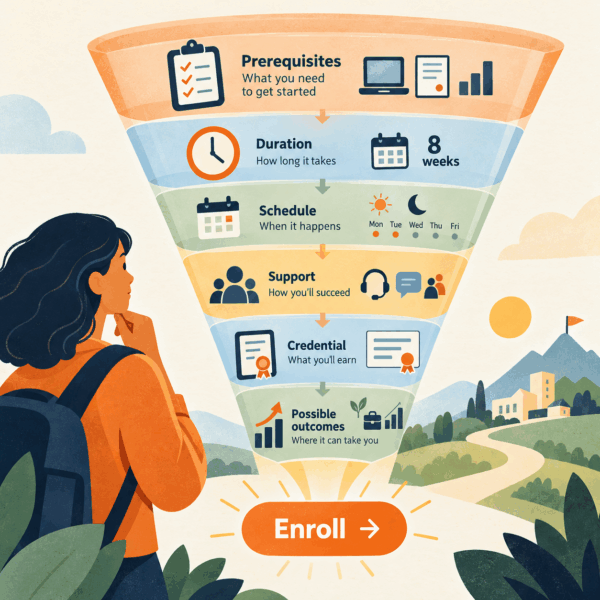 The questions residents ask repeatedly are valuable indicators of where communication is failing. County workforce departments should capture recurring questions and use them to improve notices, staff guidance, partner materials, and interagency procedures.
If many residents arrive believing the career center determines SNAP eligibility, the referral notice may not be explaining agency roles clearly enough. If people routinely do not know what documentation to submit, the participation process may need clearer instructions. If staff repeatedly hear questions about exemptions they cannot answer, the referral back to the benefits agency may be too difficult to navigate.
Career centers should have a simple way to report these patterns to workforce leadership. Individual questions do not always indicate a systemic problem, but recurring themes across offices are significant.
Using resident experience as operational feedback helps counties improve the referral process continuously. Communication becomes part of system management rather than merely a response to confusion after it occurs.
Clarify Who Owns Each Decision in the Referral Process
One of the most important responsibilities for county workforce departments is making sure career center staff understand which decisions belong to the workforce system and which remain with the agency administering public benefits. Residents may reasonably assume that any office involved in the referral can answer questions about eligibility, exemptions, sanctions, participation requirements, or continued benefits. Without clear internal guidance, staff may unintentionally provide answers outside their authority.
County workforce departments should document decision ownership in practical terms. Workforce staff may be responsible for employment services, assessments, job search assistance, training referrals, participation tracking, or other activities within the referral. Benefits staff may retain responsibility for determining whether a person is subject to a work requirement, whether an exemption applies, whether good cause exists, and what effect noncompliance may have on benefits.
These distinctions should be reflected in staff training, referral forms, talking points, and escalation procedures. Employees should not need to interpret complex policy language during a front-desk conversation in order to determine whether they can answer a question. They should have a clear decision framework that tells them what information they can provide and where the resident should be directed when the issue belongs elsewhere.
Role clarity protects residents from conflicting guidance and helps workforce staff remain helpful without assuming responsibilities that belong to another program. It also makes interagency coordination more efficient because each organization understands what it is expected to communicate and decide.
Explain Participation Requirements Without Turning Workforce Staff Into Eligibility Specialists
Residents may arrive at career centers with notices that refer to employment, training, job search, community engagement, or another form of participation. Workforce staff need enough context to explain what services are available, but they should not be expected to interpret every benefit-program rule or determine whether a particular activity satisfies a requirement unless that responsibility has been formally assigned.
County workforce departments should prepare staff to explain the activities they actually provide or document. This can include job search assistance, workshops, career planning, training enrollment, employer referrals, or other authorized services. Staff should be able to describe how participation is recorded and what information may be shared with the referring agency.
At the same time, employees should avoid promising that a particular activity will satisfy SNAP, TANF, Medicaid, or another benefit requirement unless the applicable agency has confirmed that status. A program that appears employment-related may not automatically count for every benefit program or every participant.
This distinction allows career centers to focus on service delivery while preserving the authority of the benefits agency. Residents receive clear information about what they can do at the career center without being given unofficial eligibility determinations.
Prepare Staff to Explain Participation Hours Carefully
Questions about hours can create significant confusion because residents may be told that they need to complete a certain amount of work or approved activity without understanding how those hours are calculated, documented, or combined. Different programs may apply different rules, and those rules can change.
Career center staff should understand what hours they are responsible for recording and what documentation their systems produce. They should also know when a resident’s question moves beyond workforce tracking and into program eligibility interpretation.
If a resident asks whether employment, training, volunteer activity, caregiving, or another activity can be combined to satisfy a requirement, staff should not improvise an answer unless current guidance clearly authorizes them to do so. They should explain what they can document and direct the eligibility question to the responsible benefits agency.
County workforce departments can reduce confusion by providing staff with concise examples that illustrate the boundaries of their role. The goal is not to teach eligibility law. It is to help employees recognize when a seemingly simple question about hours actually requires a program-specific determination.
Separate Recorded Hours From Credited Hours
Workforce systems may record that a resident participated in an activity for a certain number of hours, but that does not always mean the benefits program will credit those hours in exactly the same way.
Staff should explain the difference when it applies. The career center can document participation, while the benefits agency may determine whether that participation satisfies the applicable requirement.
This distinction can prevent residents from assuming that a workforce attendance record automatically guarantees a particular benefits outcome.
Make Documentation Responsibilities Visible to Residents
Residents should understand who is responsible for proving participation and how that proof moves between systems. Documentation should not become an invisible administrative process that residents discover only after a benefits problem occurs.
County workforce departments should explain whether the career center sends participation records directly to the benefits agency, whether the resident receives documentation to submit, or whether both processes occur. If there is a delay between participation and system updates, that timing should be explained clearly.
Residents should also be encouraged to retain copies of relevant records when appropriate. A simple attendance confirmation, training record, or participation summary can become important if agencies later need to reconcile information.
Clear documentation guidance reduces uncertainty and gives residents a more active understanding of how their participation is being recorded. It also makes it easier to resolve discrepancies when two systems do not initially show the same information.
Explain What Happens When Information Does Not Match Across Systems
Cross-agency referrals can create discrepancies. A career center may show completed participation while the benefits system shows missing information, or a resident may bring a notice that does not match the workforce system’s referral record.
Staff should be prepared to explain that discrepancies can occur and that the appropriate next step is to verify information rather than assume which system is correct. Career centers should have an escalation pathway for resolving mismatched records without sending the resident back and forth unnecessarily.
The resident should understand what documentation the workforce department can provide and which agency has authority to update the eligibility record. Staff should avoid promising that the issue will be resolved in a particular way if another agency controls the final determination.
County workforce departments should also monitor recurring discrepancies. If the same mismatch appears repeatedly, the problem may reflect a system interface, reporting schedule, or referral-process issue that requires administrative correction.
Treating discrepancies as operational problems rather than individual failures can improve the entire referral system.
Prepare for Residents Who Arrive Before the Referral Appears in the Workforce System
Residents may act quickly after receiving a benefits notice and arrive at a career center before an electronic referral has been transmitted or entered. Staff should have a process for handling these situations without simply telling the person to come back later.
The career center can review the resident’s notice, verify what information is available, and determine whether basic workforce services can begin while the referral is being confirmed. The exact response will depend on local policy and system design.
Staff should not create or assume an official referral if one is required and has not been received. Instead, they should explain the status clearly and identify what steps are being taken to verify the referral.
A defined process for early arrivals can reduce frustration and prevent residents from feeling that they are being penalized for responding promptly to an agency notice.
Explain Missed Appointments Without Automatically Framing Them as Noncompliance
Residents may miss career center appointments because of transportation problems, illness, caregiving responsibilities, unstable housing, work schedules, technology issues, or misunderstanding the referral instructions. Workforce staff should understand how to document a missed appointment without independently determining the benefits consequence.
County workforce departments should establish a clear process for rescheduling, documenting contact attempts, and directing residents to the benefits agency when questions about good cause or exemptions arise. Staff should not imply that a missed appointment automatically causes a sanction unless that determination has actually been made by the responsible agency.
The communication should also explain whether the resident can reschedule directly with the career center and what information may be reported back. If another agency determines whether the missed activity affects benefits, that distinction should be explicit.
This approach preserves accountability while avoiding unnecessary fear. Residents understand that the missed appointment matters, but they also understand the correct process for addressing it.
Prepare for Residents With Multiple Program Referrals
Some residents may participate in more than one public benefit program and receive overlapping or separate referrals. A person could be interacting with SNAP, TANF, Medicaid, or other services at the same time, creating substantial potential for confusion.
Career center staff should not assume that participation connected to one program automatically satisfies another. The workforce department should provide guidance on how staff identify multiple referral sources and document services accurately.
Where interagency coordination allows, counties can look for opportunities to reduce duplicative activity. However, front-line employees should not promise that one appointment or activity will satisfy multiple requirements unless that has been formally established.
Residents should receive a clear explanation of which program each referral relates to and which agency controls the associated requirements. This helps prevent one program’s instructions from being mistakenly applied to another.
Build Clear Communication for Residents Already Working
A resident referred because of a work requirement may already have a job. Workforce staff should be prepared for questions about whether existing employment counts, whether additional activity is required, and how work hours should be documented.
The career center can explain what employment information it is able to record and whether workforce services remain available to the resident. Questions about whether existing work satisfies the benefits program’s requirement may need to be directed to the eligibility agency.
Staff should also avoid assuming that an employed resident does not need workforce services. Some may be seeking more hours, higher wages, a more stable schedule, or a different position that better supports long-term self-sufficiency.
Clear communication recognizes employment status without making an eligibility determination. It also allows the career center to remain useful even when the resident is not starting from unemployment.
Prepare Career Centers for Residents Facing Multiple Barriers to Participation
Work requirement referrals may reach residents who are simultaneously dealing with transportation, housing instability, disability, caregiving, limited English proficiency, digital access, or other barriers. Career centers should be prepared to identify what workforce support they can offer while recognizing when a barrier may also affect benefits requirements.
Staff can help connect residents to transportation resources, training supports, digital access, language services, or partner organizations where those services are available. They should not determine whether a barrier creates an exemption unless that responsibility belongs to the workforce department under current policy.
A coordinated referral system should make it easy for staff to identify both employment-related support and the appropriate benefits contact for eligibility questions. Residents should not be forced to choose between receiving workforce help and raising a circumstance that may affect their program requirement.
This approach makes career centers more responsive without blurring agency responsibilities. It recognizes that workforce participation occurs within the realities of people’s lives, not in isolation from them.
Treat Front-Line Feedback as an Early Warning System
Career center staff will often notice referral problems before leadership does. They may begin seeing unfamiliar notices, recurring questions, incorrect referral codes, inconsistent benefit instructions, or sudden increases in a particular population.
County workforce departments should create a simple mechanism for staff to report these patterns quickly. A recurring issue should not remain trapped within one career center until enough individual cases accumulate to attract attention informally.
Front-line feedback can help leadership identify whether a new policy has been communicated poorly, whether partner training needs to be updated, or whether an interagency process is producing incomplete information.
Using staff experience as an early warning system makes the referral network more adaptive. Problems can be corrected before they affect larger numbers of residents or become routine features of the system.
Build a Formal Interagency Communication Structure
County workforce departments should not rely on informal relationships alone to manage SNAP, TANF, Medicaid, and related work requirement referrals. The referral process is too consequential, too interconnected, and too vulnerable to policy changes for communication to depend primarily on individual staff members knowing whom to call. Counties should establish a formal interagency communication structure that defines how workforce departments, benefits agencies, career centers, and partner organizations exchange information and resolve questions.
That structure should identify designated points of contact, escalation pathways, routine coordination meetings, document ownership, and the process for communicating policy or procedural changes. It should also clarify which agency has final authority over each type of decision so that front-line staff do not receive conflicting interpretations from different offices. When responsibilities are explicit, staff can respond more confidently and residents are less likely to be redirected repeatedly.
Interagency communication should also include a process for identifying recurring referral problems. If career centers repeatedly receive incomplete referrals, outdated notices, unclear program codes, or residents who were given inconsistent instructions, those patterns should be elevated through an established channel rather than handled case by case indefinitely.
A formal structure creates continuity when staff turnover occurs and helps counties respond more quickly when requirements change. It turns coordination from a personal relationship into an operational system.
Create a Single Source of Current Referral Guidance
Career centers and partners need one reliable place to find current guidance about SNAP, TANF, Medicaid, and other work requirement referrals. Without a centralized source, staff may rely on saved emails, old handouts, printed policy summaries, or locally created reference documents that are no longer accurate.
County workforce departments should maintain a controlled resource that identifies current procedures, staff responsibilities, program-specific referral information, escalation contacts, documentation requirements, and links to authoritative benefit-program guidance. The resource should clearly show when it was last updated and which version is current.
The system should also distinguish between operational guidance and formal benefit policy. Workforce staff need practical instructions about what they should do when a resident arrives, but they should not be encouraged to interpret policy documents outside their role. Links to official benefits guidance can remain available for context while the workforce resource focuses on the actions staff are expected to take.
Centralizing current guidance reduces variation among career centers and partner organizations. It also makes policy changes easier to implement because staff know where to look instead of waiting for multiple updates through separate channels.
Establish Version Control for Referral Materials
Program rules and referral procedures can change quickly, particularly when state or federal requirements are revised. County workforce departments should have a clear version-control process for all materials used by career centers and partners.
Referral guides, talking points, intake forms, staff scripts, resident handouts, partner materials, website content, and training resources should include revision dates or another reliable method for identifying the current version. Outdated materials should be removed from active use as soon as practical.
When a change affects multiple documents, departments should review the entire communication system rather than updating only one piece. A revised staff guide paired with an old resident handout can create the same confusion as leaving both materials unchanged.
Version control is especially important when partner organizations maintain their own copies of workforce materials. The county should have a clear process for notifying partners when documents have been replaced and for directing them back to the authoritative source.
Train Staff Around Scenarios, Not Just Policy
Front-line staff benefit from understanding policy, but they often need more practical preparation than a policy manual provides. Training should help employees recognize common referral situations and apply the correct communication response.
Scenarios can include a resident who arrives without a referral record, someone who already works, a participant who missed an appointment, a person asking about an exemption, a resident with multiple benefit programs, or someone whose workforce participation does not appear in the benefits system. Staff can practice identifying what information they can provide, what they should document, and when the issue must be escalated.
Scenario-based training can also help employees recognize subtle boundary problems. A question that begins as a request for procedural information can quickly become an eligibility question, and staff should be able to identify that shift before providing an answer outside their authority.
Practical training makes guidance easier to apply under pressure. It helps staff move from knowing the rules in theory to using them consistently during real interactions.
Include Difficult Conversations in Staff Preparation
Work requirement referrals can generate frustration, fear, and anger, particularly when residents believe their benefits may be at risk. Staff should be prepared to communicate clearly during emotionally charged conversations.
Training can help employees acknowledge the resident’s concern, explain the workforce department’s role, identify the information available, and connect the person to the appropriate benefits contact without debating policy or making promises about eligibility outcomes.
This preparation protects both staff and residents. It creates a more consistent response when conversations become difficult and reduces the likelihood that frustration leads to inaccurate or defensive communication.
Build Partner Training Into Referral Implementation
Community colleges, training providers, nonprofit organizations, adult education programs, libraries, and other partners may become part of the referral pathway even when they do not administer benefits. These organizations need enough preparation to understand what role they play and what information they should not provide.
County workforce departments should include partner training whenever referral procedures change. Partners should understand how residents are referred, what services may be connected to the requirement, what documentation they are expected to provide, and where they should direct questions about benefits eligibility.
Training should be proportional to the partner’s role. A provider responsible for documenting participation may need more detailed operational guidance than a library that primarily directs residents to the career center. Not every organization needs the same level of information.
Including partners from the beginning reduces misinformation and makes the broader workforce network more consistent. Residents are less likely to receive contradictory instructions depending on which organization they contact first.
Coordinate Public-Facing Communication With Benefits Agencies
Residents should not receive one explanation from the benefits agency and a different explanation from the workforce system. County workforce departments should review public-facing messages with the agencies responsible for SNAP, TANF, Medicaid, and related programs when those messages describe the referral relationship.
This coordination can include notices, website content, FAQs, orientation materials, referral letters, and automated messages. The goal is not to make every agency use identical wording. It is to make sure the descriptions of roles, required actions, and referral pathways are consistent.
The workforce department should also review how its own services are described in benefits notices. If a notice tells residents simply to “contact the workforce office” without explaining what service to request or what deadline applies, the referral may create confusion before the person ever reaches the career center.
Joint review can prevent many downstream problems. Clear communication at the point of referral reduces the amount of interpretation required later.
Prepare a Rapid Communication Process for Policy Changes
When work requirement rules change, county workforce departments may have very little time to prepare. A new population may become subject to requirements, exemptions may change, or reporting procedures may be revised. The department should have a rapid communication process ready before the next major policy change occurs.
The process should identify who interprets the operational impact, who prepares staff guidance, who updates partner materials, who changes website content, and how front-line employees are notified. Staff should know where to find the current guidance even if they miss the original announcement.
Rapid communication should also distinguish what is known from what is still being clarified. Departments should avoid filling information gaps with assumptions simply because staff are asking for immediate answers.
A structured response allows the workforce system to adapt quickly without sacrificing accuracy. It also reduces the period during which different offices are operating under different interpretations.
Prepare for Referral Surges Without Lowering Communication Quality
Major policy changes can produce sudden increases in calls, walk-ins, appointments, and partner questions. County workforce departments should prepare not only for service capacity but also for the communication demand that accompanies the surge.
Temporary FAQs, dedicated website pages, recorded telephone information, appointment instructions, and staff reference guides can help absorb predictable questions. Leadership may also need to identify which issues front-line staff can resolve immediately and which should be escalated to specialized personnel.
If appointment availability becomes limited, residents should receive clear information about wait times and what they should do in the meantime. The workforce department should avoid implying that a delayed appointment has no effect on benefits unless the benefits agency has explicitly established that policy.
Maintaining clear communication during surges can prevent panic and reduce repeated contacts. It also protects front-line employees from having to improvise answers while managing unusually high volume.
Measure Referral Performance Across the Entire System
County workforce departments should evaluate more than the number of referrals received or appointments completed. The effectiveness of the referral process also depends on whether residents understand what they are supposed to do and whether information moves accurately between organizations.
Useful indicators may include incomplete referrals, repeated resident contacts, missed appointments caused by unclear instructions, documentation discrepancies, partner questions, unresolved escalations, or cases in which residents report receiving conflicting information from different agencies.
Departments should also examine where referrals break down. Problems may occur before the person reaches the career center, during intake, in documentation transfer, or when the resident is referred back to the benefits agency.
Measuring the full process allows leadership to distinguish a communication problem from a capacity problem or technology problem. That distinction is important because each requires a different solution.
Use Front-Line and Partner Feedback in Continuous Improvement
Career center staff and community partners see the practical effects of referral policy every day. Their feedback should be part of a formal continuous improvement process rather than treated as informal anecdotal information.
Regular feedback sessions can identify confusing notices, recurring resident misconceptions, gaps in documentation, partner training needs, and policy changes that have not been translated effectively into front-line practice. Staff should have a simple way to raise urgent issues between formal meetings as well.
County leadership should close the loop by explaining what changed in response to recurring feedback. Staff are more likely to continue reporting problems when they see that the information is used to improve the system.
A continuous improvement structure helps counties respond to changing requirements without rebuilding the referral process from the beginning each time. The system becomes more resilient because communication problems are identified and corrected as part of normal operations.
Preserve Institutional Knowledge About Work Requirement Referrals
Referral systems can become dependent on a small number of experienced staff who understand the history of interagency agreements, policy interpretations, partner relationships, and past implementation problems. County workforce departments should document that knowledge so it is not lost when personnel change.
Institutional resources can include decision maps, referral workflows, escalation contacts, training scenarios, partner guidance, version-control procedures, communication templates, and records of previous policy changes. The documentation should explain not only what the current process is but also why important communication safeguards were created.
Departments should also retain lessons from prior referral surges and system changes. A problem encountered during one policy implementation may become highly relevant when another program adopts a similar process later.
Preserving institutional knowledge allows workforce departments to build on experience instead of repeatedly relearning the same lessons. It also helps ensure that residents receive consistent information even as staff, leadership, policies, and technology change.
Strategic Communication Support for Work Requirement Referral Systems
 County workforce departments need communication systems that can support residents moving between public benefits programs, career centers, training providers, and community partners without creating unnecessary confusion about roles or requirements. SNAP, TANF, Medicaid, and related referrals can involve different rules, documentation standards, exemptions, and reporting processes, which makes consistency especially important. Workforce departments must be able to explain what services they provide, what information they record, what responsibilities remain with benefits agencies, and how residents should proceed when questions fall outside workforce authority.
Stegmeier Consulting Group (SCG) can support county workforce departments by developing referral communication frameworks, staff talking points, program-specific guides, partner toolkits, resident-facing explanations, escalation protocols, process maps, training materials, website content, change alerts, and interagency communication structures. SCG can also help departments identify where residents are receiving conflicting instructions and redesign communication so that benefits agencies, career centers, and partner organizations present a more coordinated experience.
External support can be particularly useful when policy changes increase referral volume, when counties are implementing new work requirement procedures, or when several agencies share responsibility for different parts of the process. SCG’s role remains focused on communication strategy, information organization, public-facing guidance, staff preparation, and interagency coordination. SCG does not determine SNAP, TANF, Medicaid, or other program eligibility, decide whether exemptions or good cause apply, make sanctions or benefit decisions, or replace the agencies responsible for interpreting and administering program rules.
Future Trends
Work requirement referral systems are likely to become more interconnected as counties rely increasingly on shared data, electronic referrals, automated notifications, and digital case-management tools. These systems may improve coordination, but they can also make errors move more quickly across agencies if responsibilities and data definitions are not clear. Workforce departments will need communication structures that help staff recognize when system information should be trusted, when it needs verification, and how discrepancies should be escalated.
Career centers may also receive referrals from a broader range of benefit programs and populations over time. This will make program-specific staff preparation increasingly important. A single generic explanation of “work requirements” will be less useful as different programs apply different participation rules, exemptions, timelines, and documentation standards.
Digital self-service tools are also likely to expand. Residents may increasingly receive referrals through benefit portals, schedule career center appointments online, report participation electronically, or receive automated reminders about required activities. These tools can improve convenience, but they should not assume that every resident has reliable internet access, high digital literacy, or the ability to interpret complex program language without assistance.
County workforce departments will also need stronger systems for responding to rapid policy changes. When state or federal rules shift, counties may have limited time to update staff, partners, websites, notices, and referral workflows. The organizations that already have clear version control, rapid communication procedures, and interagency decision structures will be better positioned to adapt without spreading conflicting information.
Conclusion
Preparing career centers and partners for SNAP, TANF, Medicaid, and related work requirement referrals requires more than distributing policy guidance. County workforce departments need an operational communication system that helps staff understand the referral process, distinguish among programs, explain the workforce role, document participation accurately, and direct residents to the appropriate agency when eligibility questions arise.
The strongest systems are built around clear institutional boundaries. Career center staff should know what they can explain, what they can document, what they can help residents complete, and what must be determined by the benefits agency. Residents should not have to discover those boundaries through repeated referrals between offices.
Coordination with partners is equally important. Training providers, community organizations, libraries, educational institutions, and other organizations may all encounter residents affected by work requirements. Providing those partners with current guidance reduces the likelihood that conflicting information spreads through the broader workforce network.
Clear referral communication can also improve the resident experience during a potentially stressful process. People should understand why they were referred, what the career center can provide, what they need to do next, and where to seek answers about eligibility, exemptions, or benefit consequences. When those responsibilities are communicated consistently, the workforce system can support employment and training without becoming an unofficial extension of benefits eligibility administration.
Stegmeier Consulting Group’s Strategic Approach to Communication Systems
Build work requirement referral communication systems that help residents move between benefits and workforce services without losing clarity about roles, requirements, or next steps.
County workforce departments need durable communication systems that prepare career centers and partners for complex referrals while keeping program authority clear. Stegmeier Consulting Group (SCG) helps workforce organizations develop referral guides, staff training, partner communication, resident-facing materials, escalation procedures, change-management tools, and interagency communication frameworks that improve consistency across SNAP, TANF, Medicaid, and related workforce referrals.
Use the form below to connect with our team and explore how strategic communication support can strengthen referral systems, staff readiness, partner coordination, and the resident experience.