When Benefits Are Delayed: How Human Services Agencies Should Communicate Backlogs, Timelines, and Status
Benefit delays are never experienced as purely administrative delays. For residents, a delayed application, renewal, document review, interview, eligibility decision, card replacement, or case update can affect food access, health coverage, cash assistance, child care stability, transportation, rent planning, work schedules, medical appointments, and household stress. Inside a human services agency, a delay may be tied to staffing capacity, system changes, verification volume, policy requirements, seasonal renewal cycles, vendor issues, workload spikes, or incomplete information. Outside the agency, the resident often experiences the delay more simply: the support they expected is not available, and they do not know what is happening.
For human services agencies, public benefits agencies, county social services departments, and state benefits offices, backlog communication should be treated as a core part of service delivery. When agencies do not communicate clearly about delays, residents often fill the gap with repeated calls, office visits, duplicate document submissions, new applications, partner escalations, complaints, or assumptions that the agency has lost their information. These actions are understandable. Residents are trying to protect essential benefits. But they also add pressure to the same system that is already experiencing delay.
Clear communication cannot eliminate every backlog. It cannot replace staffing, system capacity, workflow improvement, or policy action. But it can reduce avoidable confusion while the agency works through the delay. Residents need to understand whether their case is waiting for agency review, waiting for information from them, delayed because of high volume, affected by a system issue, or already moving through the process. They need a realistic explanation of what is known, what is still uncertain, what action is required, and where to check for current status.
The communication challenge is delicate because agencies must balance transparency with accuracy. If the agency says too little, residents may assume nothing is happening. If the agency promises timelines it cannot meet, trust can erode when those timelines slip. If the agency uses only broad language such as “we are experiencing delays,” residents may not know whether that applies to their case or what they should do next. Strong backlog communication is specific enough to be useful, cautious enough to remain credible, and respectful enough to acknowledge the real impact on residents.
This issue is also deeply connected to equity. Residents with stable income, flexible schedules, reliable transportation, digital access, and time to follow up may be better able to absorb or navigate delays. Residents with urgent needs, limited English proficiency, disabilities, caregiving responsibilities, unstable housing, limited phone access, or inflexible work schedules may face greater harm when status is unclear. Communication that explains delays, timelines, and next steps clearly can reduce some of the uneven burden created by uncertainty.
The goal is not to make delays sound acceptable. The goal is to make the agency’s communication during delays more honest, navigable, and useful. Residents deserve to know what is happening in plain language. Staff need consistent explanations they can provide without overpromising. Community partners need accurate guidance they can share without creating false expectations. Leadership needs a disciplined message that recognizes operational reality while preserving public trust.
Silence Turns Operational Delays Into Trust Problems
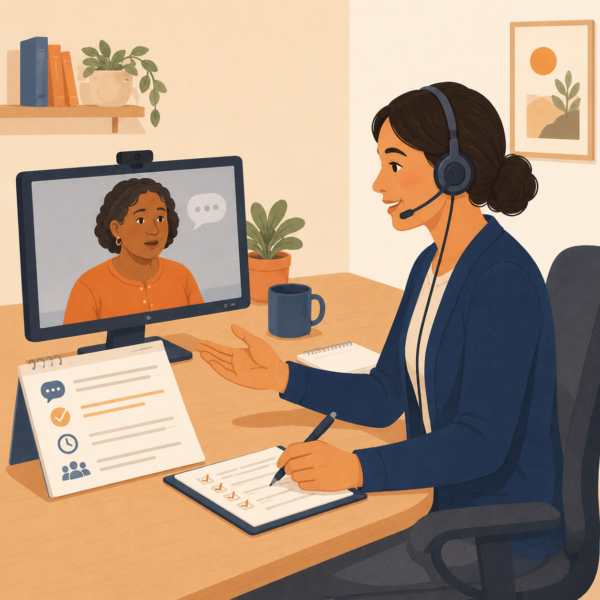
A backlog may begin as an operational issue, but silence can quickly turn it into a trust problem. Residents often do not know whether their application was received, whether their renewal is still being reviewed, whether documents were accepted, whether an interview is pending, or whether benefits are at risk. When the agency does not explain the status clearly, residents may interpret the delay as neglect, disorganization, unfairness, or indifference. Even when staff are working through cases as quickly as possible, the absence of visible communication can make the system feel unreachable.
This is especially true when residents have already acted. A person who submitted documents may expect some acknowledgement. A household that completed a renewal may expect to know whether benefits will continue. A parent who uploaded child care proof may need to plan work hours. A resident waiting on health coverage may need to decide whether to schedule care. When those residents hear nothing, they may assume the agency has not received their information or that something has gone wrong. The longer the silence continues, the more likely residents are to seek confirmation through repeated contacts.
Agencies can reduce this trust risk by communicating before residents have to escalate. A simple status message, source-of-truth update, call center script, or public explanation can show that the agency recognizes the delay and is managing it. The message does not need to provide false certainty. It should explain the current situation, clarify whether residents need to act, and tell them where to find updates. This kind of communication helps residents distinguish between a case that is delayed because the agency is reviewing it and a case that is stalled because something is missing.
Trust is also affected by whether agencies acknowledge the impact of delays. Residents do not need apologies that overpromise or assign blame prematurely, but they do need communication that recognizes the stakes. A message that treats delays as routine may feel disconnected from the household consequences. A message that acknowledges the importance of timely benefits while explaining the next step can preserve credibility. Residents are more likely to trust an agency that communicates honestly about operational strain than one that leaves them guessing.
Backlog Communication Should Distinguish Agency Action From Resident Action
One of the most important things agencies can communicate during a delay is whether the next action belongs to the agency or the resident. Without that distinction, residents may take unnecessary steps. They may resubmit documents, start a new application, call repeatedly, visit an office, or ask partners to intervene because they do not know whether the case is waiting on them. These actions can increase workload and create more confusion, especially if duplicate submissions have to be reviewed, sorted, attached, or reconciled.
A stronger status message separates agency action from resident action. If the agency has received the renewal and is reviewing it, the communication should say that no additional action is needed right now unless the agency contacts the resident. If a document is still missing, the message should identify what is needed and by when. If a case is delayed because of high volume, the message should explain that the agency is still processing cases and direct residents to the appropriate place for status. If the resident should not submit the same document again, that should be stated clearly.
This distinction is especially important in multi-channel environments. A resident may receive a mailed notice, check a portal, call a caseworker, and receive a text reminder during the same delay period. If one channel says the agency is reviewing the case and another says action is required without explanation, the resident may not know which message is current. Agencies should align status language across notices, portals, text alerts, websites, and staff scripts so residents receive one coherent explanation.
Clear action ownership also helps staff. Frontline workers often spend significant time explaining whether residents need to do something or wait for review. When the agency provides shared language for common delay statuses, staff can answer more consistently and with less improvisation. Residents hear the same core message across channels, and staff can focus on resolving case-specific issues rather than repeatedly translating vague status language.
More Than Just Applications: Human Services and Public Benefits Communication Strategies for State and Local Agencies
This article is part of our series on strategic communication for Human Services Agencies, Public Benefits Agencies, and Health and Human Services departments. To learn more and to see the parent article, which links to other content just like this, click the button below.
Timelines Should Be Honest, Useful, and Carefully Framed
Residents need timeline information because delays affect real decisions. They may need to know whether benefits will arrive before rent is due, whether health coverage will be active before an appointment, whether child care support will be resolved before a work shift, or whether a renewal will be processed before a closure date. Agencies may not always be able to provide exact timelines, but they should still communicate what they can responsibly say.
The challenge is to avoid both extremes. A timeline that is too vague may not help residents plan. A timeline that is too precise may create false expectations if workload or system conditions change. A stronger approach provides a realistic range or process explanation where possible, paired with a clear statement of what residents should do if their circumstances are urgent or if they receive another notice. If the agency cannot provide an exact date, the communication can still explain the order of review, the current delay pattern, and how residents will be notified when action is complete.
Timeline communication should also make clear which timelines are general and which are case-specific. A public website update may explain that the agency is experiencing longer processing times for renewals or documents. A case status message may explain that a specific submission was received and is under review. A staff script may explain that individual timelines can vary depending on missing information, program rules, or case complexity. These levels of communication should support each other rather than conflict.
Honest timeline framing protects trust. Residents can tolerate some uncertainty when the agency is transparent about it and provides a reliable place to check for updates. Trust weakens when residents receive overly optimistic estimates that change without explanation or when no timeline guidance is offered at all. Agencies should communicate timelines as commitments only when they are confident they can meet them. Otherwise, they should provide practical expectations and update them when conditions change.
Status Updates Should Reduce Duplicate Contacts, Not Generate More
Status updates are meant to reduce uncertainty, but poorly designed updates can create more contact. A portal message that says “pending” may lead residents to call because they do not know whether pending requires action. A text that says “your case needs attention” may increase anxiety if it does not explain what attention means. A public backlog notice that says “processing delays continue” may be true but not useful if residents cannot tell whether they should wait, submit documents, or contact the agency.
A strong status update explains the meaning of the status in resident-facing language. “We received your documents and are reviewing them” is more useful than “pending verification.” “We still need proof of income by the date in your notice” is more useful than “incomplete.” “No action is needed right now” can be one of the most valuable messages an agency sends because it prevents unnecessary resubmission and repeated calls. Status language should help residents decide whether to act, wait, or seek help.
Status updates should also clarify what happens next. Residents need to know whether the agency will send another notice, contact them if information is missing, update the portal, issue benefits, schedule an interview, or make a decision after review. This does not require a long explanation. It requires enough information to reduce the need for immediate follow-up. Residents are less likely to call repeatedly when they understand that the case is moving and what the next communication point will be.
For agencies facing backlogs, reducing duplicate contacts is not a small benefit. Every avoidable call, office visit, repeated upload, or new application can add workload. Clear status communication helps manage demand while supporting residents. It tells people that their concern is understood, their action has been recorded when applicable, and the agency has a process for moving the case forward.
Delay Communication Should Separate Systemwide Backlogs From Individual Case Status
Residents need to understand whether a delay is part of a broader agency backlog or something specific to their case. A public message that says the agency is experiencing processing delays may explain the general environment, but it does not tell a resident whether their renewal, application, document, or interview is missing something. An individual status update may explain the resident’s case, but it may not help the public understand why many people are waiting longer than usual. Agencies should communicate both levels clearly and avoid making residents guess which one applies to them.
Systemwide backlog communication should explain the type of work affected, such as applications, renewals, document review, interviews, card replacement, or case updates. It should also describe what residents should continue doing, such as submitting required documents, responding to notices, checking official status, and keeping contact information current. This kind of message helps residents understand that the agency is aware of the delay and is working through it, without implying that every individual case has the same issue.
Individual case status communication should be more specific. It should tell the resident whether the agency has received the application, renewal, document, or reported change. It should distinguish between waiting for agency review and waiting for resident action. It should also explain where the resident can verify the current status. When agencies separate systemwide delay information from case-specific status, they reduce confusion, avoid unnecessary resubmissions, and help residents understand the right next step.
Public Backlog Messages Should Not Replace Case Status
A public backlog message is useful, but it should not become the only explanation residents receive. Residents still need case-specific information when their benefits, documents, or deadlines are involved. A general message can explain that the agency is experiencing longer processing times, but it cannot tell the resident whether their own case is complete, incomplete, under review, or waiting for additional information.
Agencies should use public backlog messages as context, not as a substitute for individual guidance. The public message should point residents to the official place where they can check case status, review notices, update contact information, or ask for help. This keeps the backlog explanation useful without leaving residents to assume that every delay is caused by the same issue.
Individual Status Messages Should Explain the Resident’s Next Step
A case-specific status message should help the resident decide whether to act or wait. If the agency is still reviewing submitted information, the message should say that. If a document is missing, the message should name it when possible. If no action is needed right now, the message should say that directly. This distinction is one of the most important ways to reduce duplicate calls and repeated submissions.
Residents often act repeatedly when they do not know whether their prior action counted. They may submit the same document again, call several times, or start a new application. Clear individual status language helps prevent those behaviors by explaining what has been received, what remains under review, and what the resident should do next.
Timeline Messages Should Be Practical Without Becoming Promises
Residents need timeline guidance because delayed benefits affect real household planning. They may need to know whether to expect a decision soon, whether to keep checking a portal, whether to respond to another notice, or whether they should seek urgent help. At the same time, agencies may not be able to provide exact dates when workloads, staffing, system issues, or case complexity vary. A strong timeline message is therefore useful without becoming an unreliable promise.
Agencies should distinguish between general processing expectations and firm case deadlines. A general processing expectation may explain that reviews are taking longer than usual, that cases are being handled in order, or that certain types of work are delayed. A firm case deadline may appear in a notice and require action by a specific date. Residents need to understand the difference. A backlog does not necessarily remove the resident’s responsibility to respond to a notice, submit documents, attend an interview, or update information.
Practical timeline communication should also explain how updates will be provided. Residents should know whether they will receive a notice, portal update, text alert, call, or other communication when the case moves forward. They should also know where to check current information and what not to do unless instructed, such as submitting duplicate documents. This kind of framing helps residents manage uncertainty without relying on false precision.
Use Ranges Carefully and Explain What They Mean
A timeline range can be helpful when exact dates are not available, but it must be framed carefully. Residents need to know whether the range is an estimate, a current processing pattern, or a formal commitment. If the agency presents a range too confidently and then misses it, residents may lose trust. If the agency avoids timeline information entirely, residents may assume the delay is unmanaged.
A better approach is to explain the status of the work in plain language. For example, the agency can state that processing is taking longer than usual for certain tasks and that residents will be notified when review is complete or if more information is needed. This gives residents a practical expectation without promising a specific outcome for every case.
Timeline Updates Should Be Revised When Conditions Change
Backlog communication should not remain static when conditions change. If processing times improve, the agency should update public guidance. If delays grow, the agency should revise the message before residents discover the change through longer waits and repeated calls. A stale timeline can be more damaging than no timeline because it creates expectations the agency is no longer meeting.
A maintained timeline message also helps staff and partners. Call center representatives, lobby staff, community organizations, and elected officials often need to explain delays to residents. When the public guidance is updated consistently, every channel can point to the same current information instead of relying on informal estimates.
Delay Messages Should Acknowledge Impact Without Making Excuses
Residents do not need a long internal explanation of every operational factor causing a delay. They do need to know that the agency understands the delay matters. A message that treats delayed benefits as a routine administrative issue can sound disconnected from the household consequences. A message that acknowledges the importance of timely support, explains the current status, and gives practical next steps is more likely to preserve trust.
Acknowledging impact does not mean accepting blame for every delay or offering promises the agency cannot keep. It means recognizing that delayed decisions, payments, cards, renewals, and documents can create stress and uncertainty. That recognition should be paired with action-oriented guidance. The resident should leave the message understanding what the agency is doing, what the resident should do, and where updated information will appear.
This tone is especially important for residents who have already tried to comply. A person who submitted documents, completed a renewal, or attended an interview may feel discouraged if the agency’s message sounds indifferent to the wait. A dignity-centered delay message respects that effort while explaining that review is still pending, another step is needed, or a broader backlog is affecting processing. This helps the agency remain credible even when the answer is not the one residents want.
Avoid Language That Sounds Like the Resident Is the Problem
During backlogs, residents may already feel anxious about whether they did something wrong. If agency language focuses too heavily on failure, incomplete action, or noncompliance without context, residents may become defensive or discouraged. A better message explains the case condition in process terms. It identifies what has been received, what is under review, what is missing, or what is delayed.
For example, “we have not finished reviewing your documents” communicates a different meaning than language that implies the resident has failed to complete the process. The first message clarifies agency action. The second can sound like blame. Process language keeps the resident focused on the next step.
Acknowledge Resident Effort Where Appropriate
Many residents contact the agency after they have already done something. They may have submitted a renewal, uploaded documents, left messages, visited an office, or followed instructions from a notice. When the agency can acknowledge that effort, it should do so. Acknowledgement does not require the agency to approve the case or promise a result.
A statement such as “we received your documents and they are waiting for review” can reduce anxiety because it confirms that the resident’s action counted. It also prevents unnecessary repeat submissions. Acknowledging effort is a practical trust-building tool during delay communication.
Staff Scripts Should Give Frontline Teams a Consistent Backlog Explanation
Backlogs often place frontline staff in difficult conversations. Residents may call or visit because they are worried, frustrated, or trying to plan around delayed benefits. Staff may have limited control over processing times, but they still have to explain what is happening. Without shared scripts, staff may offer different estimates, use different language, overpromise, or avoid specifics entirely. That inconsistency can increase resident frustration and weaken agency credibility.
A backlog script should help staff explain the situation calmly and accurately. It should distinguish between general delays and case-specific issues. It should give staff language for confirming receipt, explaining review status, identifying missing information, and directing residents to the official source of truth. It should also include boundaries around what staff should not promise, especially when they cannot guarantee a processing date or case outcome.
The script should be designed for real conversations, not internal reference only. Staff need language that can be used with residents who are upset, residents who have urgent needs, residents who have already called multiple times, and residents who are unsure whether they should submit documents again. A good script helps staff remain empathetic and direct while staying within the agency’s actual process.
Scripts Should Clarify What Staff Can Confirm
Residents often ask staff for certainty that may not be available. They may want to know whether their benefits will continue, whether a document will be accepted, whether a decision will be made by a certain date, or whether a delayed case will be prioritized. Staff need language that separates what can be confirmed from what remains under review.
A script can help staff say that the agency received a submission, that it is waiting for review, that no additional action is needed right now, or that a specific item is still missing. It should also help staff avoid implying that receipt means approval or that review means the outcome is guaranteed. This protects both residents and staff from misunderstanding.
Scripts Should Include Escalation Pathways
Some delay situations require escalation. A resident may face an urgent medical need, a loss of child care needed for work, a benefit interruption tied to agency error, or another issue that cannot be handled through a general backlog explanation. Staff need clear guidance on when and how to escalate without promising a specific result.
Escalation language should be respectful and precise. It should explain that the issue will be routed for review, what information may be needed, and what the resident should expect next. This helps staff respond to urgent situations with structure instead of improvising under pressure.
Community Partners Need Current Guidance They Can Share Safely
 Community partners often hear about delays before agencies see the full pattern in formal complaints or call data. Food banks, clinics, schools, libraries, legal aid organizations, housing providers, child care resource organizations, and community-based groups may help residents understand notices, gather documents, check status, or decide whether to visit an office. During backlogs, these partners can either reinforce official guidance or unintentionally spread outdated expectations if they do not have current information.
Agencies should provide partners with clear, shareable backlog guidance that explains the affected processes, what residents should continue doing, how to check status, where to get help, and what partners should not promise. Partner materials should be written in plain language and updated when conditions change. They should not require partners to interpret internal workflow or eligibility rules beyond their role.
This partner guidance is especially important when residents trust community organizations more than official channels. A partner may be able to help a resident understand that the agency has received documents and is still reviewing them, or that a missing item must still be submitted despite a broader backlog. When partner guidance matches the agency’s message, residents are more likely to receive consistent information and less likely to take unnecessary or counterproductive steps.
Partners Should Know Where the Official Update Lives
Partners need one reliable place to verify current backlog information. If guidance is sent only by email or flyer, it may become outdated quickly. A maintained source-of-truth page or partner update hub allows community organizations to check the current message before advising residents.
The official update should be easy to share and written in plain language. Partners should not need to rewrite agency guidance before using it. The more usable the message is, the more consistently partners can reinforce it.
Partner Materials Should Preserve Case-Specific Boundaries
Partners can help residents understand general guidance, but they should not be placed in the position of making case-specific determinations. During delays, residents may ask partners whether benefits will be approved, whether a document is acceptable, or whether a case will be expedited. Those answers usually require agency review.
Partner materials should make the boundary clear. Partners can help residents find official status tools, understand notices, gather documents, and contact the agency through the right channel. They should direct case-specific decisions back to the agency. This protects residents from inaccurate expectations and protects partners from being asked to provide answers they cannot responsibly give.
Public Backlog Updates Should Be Easy to Find Before Residents Call
When benefits are delayed, residents often look for answers wherever they can find them. They may check the agency website, log into a portal, call the main number, visit an office, contact a caseworker, ask a community partner, or search social media. If the agency does not provide a visible public update, residents may assume the delay is specific to their case or that the agency has no current information to share. That assumption can drive repeated calls and office visits, even when the agency is already aware of the broader backlog.
A public backlog update should be easy to find from the homepage, relevant program pages, portal entry points, and high-volume task pages such as renewals, document submission, case status, and contact information. The message should not be buried in a press release or a temporary banner that disappears before residents understand the issue. It should function as a source-of-truth explanation that residents, staff, partners, elected officials, and media can all reference consistently.
The update should be written in plain language and organized around resident action. It should explain which services or case actions are affected, what residents should continue doing, what residents should avoid doing unless instructed, and where they can check their own status. It should also include a visible update note so people know the guidance is current. A clear public update does not solve the backlog, but it reduces the amount of avoidable uncertainty surrounding it.
Portals Should Explain Delay Status in Resident-Facing Terms
Online portals are often the first place residents check when they are waiting for benefits, but many portal status labels do not explain enough. Terms such as pending, processing, submitted, incomplete, received, under review, or delayed may reflect the agency’s workflow, but residents need to understand what those terms mean for their next step. A resident who sees “pending” may not know whether the agency is reviewing the case, whether a document is missing, whether an interview is needed, or whether benefits are at risk.
Portal status language should distinguish between agency action and resident action. If the resident has submitted the required information and the agency is reviewing it, the portal should say that no additional action is needed right now unless the agency contacts the resident. If the case is delayed because of high volume, the portal should explain that the case is still waiting for review and direct the resident to current processing guidance. If something is missing, the portal should identify the missing item clearly when possible and connect it to the deadline or notice that applies.
This clarity can reduce duplicate submissions and repeat contacts. Residents often resubmit documents because they do not know whether the first submission was received. They may call repeatedly because a status label does not explain what is happening. They may start a new application because they believe the current case is stalled beyond repair. A portal that explains delay status in resident-facing terms helps residents understand whether they should act, wait, or seek help through a specific channel.
Text Alerts Should Clarify Delay Without Creating More Anxiety
Text alerts can be useful during backlogs because they reach residents quickly and can prompt timely action. But a vague text can also increase anxiety. A message that says a case needs attention, a review is delayed, or an update is available may lead residents to call immediately if the message does not explain what action is required. During backlogs, agencies should be especially careful that text alerts reduce confusion rather than adding another incomplete signal.
A strong delay-related text should be short, specific, and connected to a fuller source of truth. If no action is needed because the agency is still reviewing submitted information, the message should say that clearly. If a document is still missing, the alert should direct the resident to the notice, portal, or official channel where the missing item is listed. If processing is taking longer than usual, the text should point to current guidance rather than trying to explain the entire backlog in one message.
Text alerts should also avoid making residents feel that they must act repeatedly to stay safe. A resident who has already submitted documents should not continue receiving messages that sound as though nothing was received. A resident whose case is waiting for agency review should not receive an alert that implies the delay is caused by resident inaction. The more precisely alerts are matched to case status, the more effective they become as tools for completion and reassurance.
Delay Communication Should Protect Staff From Having to Improvise
Backlogs often place frontline staff in the difficult position of explaining conditions they did not create and may not be able to resolve directly. Residents may ask for exact timelines, immediate decisions, expedited handling, confirmation that benefits will continue, or assurance that a document will be accepted. Without a shared communication framework, staff may respond differently based on their own understanding, level of experience, or desire to help. That variation can create inconsistent expectations and additional resident frustration.
Agencies should give staff clear language for the most common delay scenarios. Staff need to be able to explain that a case is waiting for review, that documents have been received but not yet reviewed, that a missing item still must be submitted, that a public backlog is affecting processing, or that a resident should monitor official status rather than resubmit the same materials. They also need language for what cannot be confirmed, including final eligibility outcomes or exact processing dates when those details are not yet known.
This support is not only about consistency. It is also about staff confidence and safety. Staff who have clear scripts and escalation pathways are less likely to overpromise, sound dismissive, or absorb frustration without a useful response. Residents are more likely to hear a calm and credible explanation. A well-supported staff message can reduce tension because it gives the resident a path, even when the agency cannot immediately provide the outcome the resident wants.
Delays Should Be Communicated With Dignity and Operational Honesty
Residents waiting for benefits may be experiencing real hardship, and agency communication should acknowledge that without turning every message into an apology or a promise. A dignity-centered delay message recognizes that timely benefits matter, explains the current status as clearly as possible, and directs residents toward the next available step. It avoids language that makes residents feel blamed for the delay when the issue is agency review, workload, system capacity, or another operational factor.
Operational honesty also requires agencies to avoid hiding uncertainty. If exact timelines are not available, the agency should say what it can responsibly say. If delays are affecting certain types of work more than others, that distinction should be clear. If residents should still respond to notices by the listed deadline, the agency should say so. If submitting duplicate documents may slow or complicate processing, that guidance should be shared plainly. Honest communication helps residents make better decisions even when the agency cannot remove the delay immediately.
The tone of delayed communication should remain steady and respectful. Residents should not be told to simply be patient without being given useful information. Staff should not be left to absorb frustration caused by silence. Partners should not be left to speculate. A backlog message that combines acknowledgement, status clarity, action ownership, and a maintained source of truth can reduce stress while preserving agency credibility.
Agencies Should Communicate What Is Being Done to Address the Delay
Residents need status information, but they also need evidence that the agency is actively managing the problem. A backlog message that only says processing is delayed may confirm what residents already know, but it does not show whether the agency has a plan. Human services agencies should communicate, in appropriate public-facing terms, that delayed work is being reviewed, prioritized, monitored, and addressed through defined operational steps. The message does not need to expose internal staffing details or promise a specific outcome. It should give residents confidence that the delay is not being ignored.
This kind of communication is especially important when delays continue over time. Residents may be more patient when they understand that the agency has identified the affected work, is tracking progress, and is updating guidance as conditions change. Staff and community partners also benefit because they can point to a current explanation rather than trying to defend silence. A clear statement of agency action helps move the public message from passive acknowledgement to active management.
Agencies should be careful to keep this communication realistic. Broad claims about working as quickly as possible are common, but they can sound generic if not paired with useful resident guidance. A stronger message explains what residents should continue doing, what the agency is reviewing, how residents will be notified, and where current updates will appear. This gives the communication more substance without turning it into an internal operations report.
Delay Communication Should Prioritize the Highest-Impact Resident Questions
During backlogs, residents may have many questions, but some are more urgent than others. They need to know whether the agency received their information, whether they still need to act, whether benefits are at risk, whether a deadline still applies, whether they should submit documents again, and where they can get reliable updates. These questions should guide the structure of backlog communication. If the agency’s message answers internal questions first and resident questions later, it may be technically informative but practically weak.
The strongest delay in communication begins with what residents need to do now. If they should continue responding to notices, the message should say so. If they should avoid resubmitting the same documents unless instructed, that should be clear. If they should check a portal or wait for a notice, the communication should explain which channel is most reliable. If certain urgent situations have a separate help pathway, that pathway should be visible and carefully defined.
This prioritization reduces avoidable workload. When residents cannot find clear answers to these high-impact questions, they are more likely to call, visit, resubmit, escalate, or start over. When those answers are easy to find, residents can make better decisions about whether to act or wait. Backlog communication should not be written as a general announcement first. It should be written as a practical guide for residents trying to protect essential support.
Backlog Messages Should Be Consistent Across Notices, Portals, Calls, and Offices
Backlog communication often fails when different channels tell different parts of the story. A website may say delays are affecting renewals. A portal may show only “pending.” A call center representative may provide an informal estimate. A lobby sign may direct residents to submit documents again. A text alert may say action is needed without explaining whether the agency has already received information. These fragments can create confusion even when each channel is trying to help.
Agencies should align backlog language across every major resident-facing channel. The public website should provide the maintained explanation. Portal status messages should translate system labels into resident-facing meaning. Text alerts should prompt specific action or reassurance. Call center scripts should use the same definitions. Lobby staff should have consistent language for residents who arrive in person. Community partners should receive guidance that matches the agency’s official source of truth.
Consistency does not mean every channel must say the same amount. A text message will be shorter than a website page. A call center script will allow for more case-specific guidance than a public notice. A lobby sign may only orient residents to the right next step. But the meaning should remain aligned. Residents should not have to decide which channel is telling the truth. They should encounter the same basic explanation wherever they turn.
Urgent Needs Require Clear Escalation Language
Backlogs affect residents differently. Some cases may involve routine waiting, while others may involve urgent medical needs, child care disruption, food insecurity, housing instability, safety concerns, or agency error. Agencies need a careful way to explain escalation pathways without implying that every delayed case can be expedited or that escalation guarantees a specific result. This requires precise language, clear criteria, and staff guidance that prevents both under-response and overpromising.
Public-facing communication should explain when residents should contact the agency for urgent help and what information they should be prepared to provide. Staff-facing guidance should define how urgent situations are identified, routed, documented, and reviewed. Community partners should know how to direct residents to the correct channel without promising priority handling. The goal is to make the escalation path visible while preserving the integrity of agency review.
Escalation communication should also be written with dignity. Residents should not have to prove distress through repeated calls or emotional escalation before the agency explains the correct pathway. Clear escalation language reduces the need for residents to advocate through volume, frustration, or outside pressure. It gives residents, staff, and partners a more orderly way to identify situations that require additional attention.
Agencies Should Use Backlog Data to Improve Communication Over Time
Backlogs generate patterns that can help agencies improve communication. Repeated calls about the same status, duplicate document submissions, wrong-channel contacts, abandoned portal sessions, office visits after text alerts, partner questions, and complaint themes all reveal where residents are not receiving enough usable information. These signals should be treated as communication data, not only as workload symptoms.
For example, if many residents call after submitting documents, confirmation language may not be strong enough. If residents keep submitting the same proof, status messages may not explain that the document was received and is waiting for review. If residents visit offices after reading a backlog notice, the public message may not clearly explain the expected next step. If partners repeatedly ask which cases are affected, the agency may need clearer program-specific or task-specific backlog guidance.
Using these patterns allows agencies to refine messages while the backlog is still active. The agency can revise website updates, adjust text alert language, clarify portal statuses, update scripts, and provide new partner guidance. This ongoing improvement is important because delayed communication rarely works perfectly on the first attempt. Resident behavior shows where the message needs to be clearer.
Communication Should Continue After the Backlog Improves
Backlog communication should not end abruptly when processing improves. Residents, staff, and partners need to understand what changed, what remains affected, and whether any previous instructions still apply. If an agency stops updating guidance without explanation, residents may continue relying on old backlog messages, staff may keep using outdated scripts, and partners may continue sharing information that no longer reflects current conditions.
A strong closeout message can help reset expectations. It can explain that processing has improved, identify any remaining areas where delays continue, and direct residents back to normal status channels. It can also remind residents to respond to notices, keep contact information current, and use official sources for case-specific information. This helps the agency move from crisis or backlog communication back to routine service communication without leaving old assumptions in place.
After the backlog, agencies should also review what the communication experience revealed. The issue may point to needed improvements in status language, document confirmation, portal design, call center scripts, partner guidance, website source-of-truth discipline, or renewal reminder sequencing. A delay period is difficult, but it can provide valuable evidence about where the resident communication system needs strengthening before the next workload surge occurs.
Strategic Communication Support for Human Services and Public Benefits Agencies
 Backlog communication is not simply a public notice or operational update. It is part of how human services and public benefits agencies preserve trust when residents are waiting for decisions, payments, renewals, document review, interviews, card replacements, or case updates that affect essential support. When benefits are delayed, residents need clear communication that explains what is happening, what action belongs to them, what the agency is still reviewing, and where to find current status information.
Because delay communication touches eligibility workflows, staffing realities, digital portals, call centers, notices, text alerts, lobby traffic, partner referrals, and leadership messaging, many agencies benefit from structured communication support. Internal teams may understand the operational source of a backlog, but that does not always translate into resident-facing clarity. Residents do not need a detailed internal workload explanation. They need a practical status message that helps them understand whether to act, wait, check an official source, or seek urgent assistance through the correct pathway.
Stegmeier Consulting Group (SCG) helps human services and public benefits agencies develop communication systems that make delays easier to understand without overpromising. That support may include backlog message frameworks, source-of-truth page development, resident-facing status language, call center scripts, partner guidance, leadership talking points, portal and text alert alignment, and communication planning for high-volume renewal or document review periods. The goal is not to make delays sound acceptable. The goal is to communicate them honestly, clearly, and respectfully while reducing avoidable confusion and duplicate contact.
This type of support is especially valuable when agencies are experiencing high call volume, repeated document submissions, office traffic caused by unclear status, partner escalations, resident complaints, or public concern about delayed benefits. Strong backlog communication gives residents a clearer path, gives staff a consistent explanation, gives partners accurate guidance, and gives agency leadership a disciplined way to acknowledge operational strain while maintaining credibility.
Future Trends in Backlog and Status Communication
Human services agencies are likely to place greater emphasis on proactive status communication as residents continue to expect clearer information about where their case stands. Agencies will need to move beyond broad delay announcements and provide more useful distinctions between received, under review, incomplete, delayed, approved, closed, and waiting for resident action. These status categories must be written in resident-facing language so people can understand whether they need to act or wait.
Another likely trend is stronger integration between public backlog updates and individual case status tools. Residents may first see a website update about delays, then check a portal, call a worker, receive a text alert, or visit an office. If those channels do not align, residents may continue seeking confirmation through repeated contacts. Agencies will need shared terminology and source-of-truth discipline so every channel reinforces the same explanation.
Agencies may also use operational and communication data more intentionally during delays. Call reasons, duplicate uploads, portal abandonment, repeated document submissions, partner questions, office visits, and complaint themes can all reveal where delay messages are not clear enough. These signals can help agencies revise public updates, improve staff scripts, adjust text alerts, clarify portal statuses, and create more useful partner materials while the backlog is still active.
Finally, backlog communication will likely become more closely tied to equity and service resilience. Delays affect residents differently depending on income stability, transportation, language access, disability, digital access, work schedules, caregiving responsibilities, and urgency of need. Agencies that communicate delays clearly, maintain accessible status guidance, and define appropriate escalation pathways will be better positioned to reduce avoidable harm and preserve trust during periods of strain.
Conclusion
Benefit delays place residents, staff, and agencies under pressure. Residents need timely support and reliable information. Staff need language they can use consistently. Partners need guidance they can share safely. Agency leadership needs communication that acknowledges the delay without creating false expectations or unnecessary alarm. When communication is absent or vague, operational delays can quickly become trust problems.
Strong backlog communication explains the difference between agency review and resident action. It gives realistic timeline guidance without making promises the agency cannot keep. It clarifies case status, discourages unnecessary duplicate submissions, identifies reliable update channels, and provides clear escalation pathways for urgent situations. It also acknowledges the real impact of delays while keeping residents focused on the next practical step.
In the end, delayed benefits require more than internal workload management. They require a communication system that helps residents understand what is happening while the agency works through the issue. Clear, honest, and dignity-centered communication can reduce confusion, protect staff capacity, support community partners, and preserve public trust during one of the most difficult moments in the benefits experience.
SCG’s Strategic Approach to Communication Systems
Align your agency’s messaging, processes, and public engagement strategies.
Human services and public benefits agencies need communication systems that help residents understand delays, timelines, case status, and next steps without relying on vague updates or inconsistent explanations. Backlog communication should connect websites, portals, notices, text alerts, call center scripts, lobby guidance, partner materials, and leadership messaging into one coherent source of truth.
SCG helps agencies create communication frameworks that support clarity, consistency, access, and trust during high-pressure service periods. Whether your agency is communicating benefit delays, improving case status language, preparing backlog scripts, aligning portal and text alerts, updating partner guidance, or building a source-of-truth page for residents, SCG can help develop a communication system that reduces confusion and supports more effective service delivery. Use the form below to connect with our team and explore how a strategic communication system can help your agency communicate delays clearly, reduce avoidable contacts, and strengthen resident trust during backlogs and high-volume periods.