
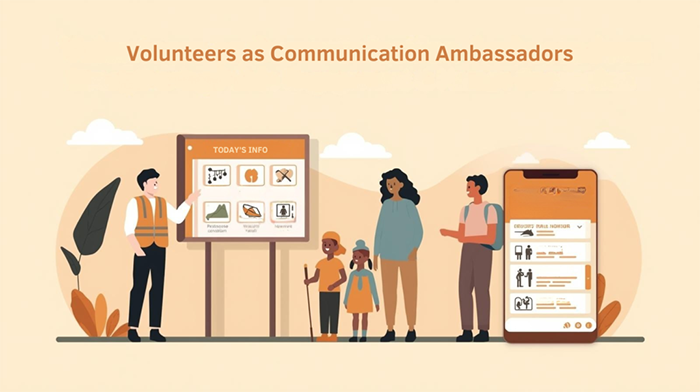
Volunteers as Communication Ambassadors: Strengthening Public Engagement Through Human Connection
 Volunteers play an essential role in shaping visitor experiences across parks and recreation agencies, wildlife agencies, outdoor recreation departments, and park districts. They guide visitors, answer questions, share safety messages, support educational programs, and reinforce agency values through everyday interactions. While many visitors expect communication to come from signage, websites, and staff, volunteers often become the first point of human contact on trails, in visitor centers, at programs, or during community events. Their presence helps agencies expand communication capacity and strengthen public trust.
Outdoor environments operate with limited staffing, especially during peak seasons or large events. Volunteers fill this gap by acting as communication ambassadors who help visitors interpret rules, understand environmental conditions, and feel welcomed. Their insights also help agencies refine communication systems because volunteers see firsthand where visitors seem confused, misinformed, or unprepared. When trained effectively, volunteers become an extension of the agency’s communication strategy rather than an informal add on.
The sections that follow explore how volunteers support communication goals, how agencies can prepare them for this role, and how human connection shapes the visitor experience in ways that digital tools alone cannot replicate.
Why Volunteers Are Essential to Outdoor Communication
Many agencies rely on volunteers to help communicate core messages that support safety, stewardship, and visitor satisfaction. Volunteers often work at trailheads, nature centers, restoration sites, wildlife viewing areas, parks, and community events. Their ability to deliver timely, accurate information enhances the agency’s overall communication reach.
Parks and recreation agencies often deploy volunteers during high visitation periods when staff cannot interact with every group. Wildlife agencies depend on trained volunteers to explain viewing etiquette, habitat protections, and safety protocols. Outdoor recreation departments rely on volunteers to provide orientation at trail systems, especially in locations with limited staffing. Park districts benefit from volunteers who support youth programs, community events, or facility operations.
Volunteers expand communication capacity by meeting visitors where they are. They offer real time guidance that a sign or digital notice cannot always provide. They listen to concerns, answer questions, diffuse confusion, and reinforce the agency’s values through direct interaction. Their presence conveys care and accessibility, which helps visitors feel supported and more willing to comply with rules or adjust expectations. When volunteers understand their communication role, they become one of the agency’s strongest assets.
From Trails to Tweets: Effective Communication Strategies for Parks, Recreation, Outdoors, and Wildlife Agencies
This article is part of our series on strategic communication for Parks, Recreation, Outdoors, and Wildlife agencies. To learn more and to see the parent article, which links to other content just like this, click the button below.
How Volunteers Translate Agency Goals Into Human Interaction
Communication is most effective when it feels personal. Volunteers serve as communication ambassadors because they translate agency goals into human interaction that feels approachable and relatable. Visitors may overlook signs or skim digital messages, but they rarely ignore a friendly greeting or helpful explanation from someone in front of them.
Parks and recreation agencies often assign volunteers to welcome visitors at trailheads or community programs. Wildlife agencies rely on volunteers to guide conversations about animal safety and habitat sensitivity. Outdoor recreation departments use volunteers to orient first time hikers, explain trail conditions, or demonstrate gear requirements. Park districts rely on volunteers during children’s programs where parents benefit from face to face reassurance.
Volunteers help visitors understand rules and expectations without making the experience feel restrictive. When a volunteer politely explains why a trail is muddy or why a viewing area is temporarily closed, visitors are more accepting than when they encounter a sign with no context. Human connection softens disappointment. It also increases compliance because visitors perceive the message as part of a genuine effort to help rather than an impersonal directive. Volunteers turn agency communication into conversation, not just instruction.
Preparing Volunteers to Communicate Clearly and Consistently
Volunteers cannot fulfill their ambassador role without preparation. Agencies that invest in training benefit from volunteers who communicate clearly, respond accurately, and represent the organization with confidence. Training also helps volunteers understand what information is essential, what language they should use, and how to manage moments of confusion or conflict.
Parks and recreation agencies often provide volunteers with safety scripts, visitor greeting guidelines, and key messages about trail conditions or facility rules. Wildlife agencies train volunteers to explain animal behavior, maintain appropriate viewing distances, and communicate respectfully with visitors who may be unfamiliar with wildlife norms. Outdoor recreation departments prepare volunteers to interpret maps, describe terrain, and share weather related updates. Park districts offer communication training for volunteers assisting with youth programs, events, or community classes.
Consistency is crucial. Volunteers must use the same terminology, phrasing, and tone that staff use. This prevents mixed messages and protects the agency’s credibility. Training also empowers volunteers to recognize their limits. Volunteers need to know when to answer a question and when to redirect visitors to staff for more detailed guidance.
Effective preparation ensures volunteers feel supported, confident, and aligned with agency communication goals.
The Value of Volunteers in Answering Visitor Questions
Visitors frequently have questions that go beyond what signage or digital platforms address. Volunteers play an essential role in helping visitors feel informed and capable throughout their visit. Their presence reduces confusion, speeds up decision making, and helps visitors navigate the environment more comfortably.
Parks and recreation agencies often hear questions about parking, trail conditions, restroom locations, and program schedules. Wildlife agencies receive questions about animal safety, migration patterns, and best viewing areas. Outdoor recreation departments answer questions about terrain, weather, route difficulty, and recommended preparation. Park districts field questions from families about accessibility, event schedules, or youth programming.
Volunteers improve communication by listening first. They can identify where a visitor seems uncertain, provide tailored information, and share guidance in a supportive tone. Their interaction often clarifies messages that visitors may have misunderstood from signs or websites. This real time communication reduces the risk of misinformation spreading among visitors. When volunteers are prepared to answer common questions, they strengthen the visitor experience and reduce staff workload.
How Volunteers Help Set Expectations at the Start of a Visit
First impressions shape the entire visitor experience. Volunteers often greet people before they speak with staff or read a sign. This makes volunteers a powerful tool for setting expectations early, long before small misunderstandings grow into frustrations.
Parks and recreation agencies frequently station volunteers at trailheads, parking areas, or program entrances to explain what visitors should anticipate. Wildlife agencies rely on volunteers near viewing platforms or sensitive habitat zones where expectations about noise, distance, and behavior must be clear. Outdoor recreation departments use volunteers to prepare hikers or bikers for current terrain, weather shifts, or safety considerations. Park districts benefit from volunteers who help families navigate schedules, check in procedures, or facility rules at community events.
A volunteer can help visitors understand what is open, what is closed, and what conditions might change during the day. They can clarify whether trails are muddy, icy, or crowded. They can explain restroom availability or redirect visitors toward less congested areas. Visitors appreciate knowing these details at the beginning of their experience because it allows them to adjust their plans calmly rather than reactively.
When volunteers help set expectations early, they reduce confusion, prevent unnecessary disappointment, and create a supportive environment that visitors remember positively.
Volunteers as Real-Time Messengers During Changing Conditions
Outdoor conditions change rapidly, and agencies often need human support to communicate those changes effectively. Volunteers act as real time messengers who interpret updates and deliver them directly to visitors on the ground. This role becomes especially important when digital tools cannot capture nuance or when visitors are already on site and not monitoring their phones.
Parks and recreation agencies rely on volunteers to alert visitors about incoming storms, trail closures, or capacity limits. Wildlife agencies need volunteers to communicate animal activity, sensitive areas, or temporary restrictions that require immediate visitor cooperation. Outdoor recreation departments often use volunteers to explain why certain hazards have emerged or why particular routes have been temporarily rerouted. Park districts benefit when volunteers share timely updates about event schedules, program changes, or facility adjustments.
When volunteers communicate updates in a calm and supportive tone, visitors trust the agency’s decisions more readily. This reduces staff burden during high stress moments and strengthens the perception that the agency is attentive and informed. Real time communication from volunteers turns potential confusion into a cooperative adjustment.
The Role of Volunteers in Preventing Conflict and Reducing Misinformation
Confusion often leads to frustration, and frustration can escalate into conflict when visitors do not understand why something is happening. Volunteers help prevent this escalation by offering clarity, context, and reassurance in moments when visitors are most likely to feel uncertain.
Parks and recreation agencies often use volunteers to help diffuse tension during parking shortages, busy weekends, or sudden closures. Wildlife agencies rely on volunteers to prevent conflict in viewing zones where visitors may feel disappointed or impatient. Outdoor recreation departments depend on volunteers to correct misunderstandings about trail markings, hazard levels, or permitted activities. Park districts see fewer conflicts when volunteers help families with registration issues, schedule changes, or queue management.
Volunteers prevent misinformation by providing accurate, consistent messaging. They can correct misunderstandings on the spot, reducing the likelihood that incorrect assumptions spread among groups. Their presence also helps visitors feel heard, which lowers defensiveness and increases cooperation.
When volunteers help manage expectations in stressful moments, they support a more positive and orderly environment for everyone.
How Volunteers Strengthen Multigenerational and Multicultural Communication
Visitors bring diverse backgrounds, abilities, communication styles, and levels of outdoor familiarity. Volunteers help agencies bridge these differences by adapting their communication style to the needs of the visitor in front of them.
Parks and recreation agencies often work with volunteers who are skilled at communicating with families, older adults, and first time visitors. Wildlife agencies rely on volunteers who can explain animal safety guidelines in ways that feel welcoming rather than intimidating. Outdoor recreation departments benefit from volunteers who can simplify trail information for inexperienced hikers or clarify route options for multilingual groups. Park districts see strong engagement when volunteers connect with culturally diverse communities at events or youth programs.
Volunteers strengthen communication because they respond to questions in the moment, adjust their tone, and offer explanations that match the visitor’s comfort level. They can provide reassurance to parents, assist older adults with navigating facilities, or help visitors who may struggle with technical jargon or unfamiliar concepts.
Human interaction helps visitors feel recognized and supported. Volunteers make the outdoor experience more inclusive and approachable, which increases visitor satisfaction and strengthens public trust.
Collecting Visitor Feedback Through Volunteer Interaction
Volunteers are often the first to hear about visitor concerns, confusion, or satisfaction. Their direct conversations with the public provide valuable insights that agencies may not capture through surveys or digital feedback alone. Volunteers become the agency’s eyes and ears, identifying communication gaps that staff may not observe daily.
Parks and recreation agencies often receive valuable insights about trail conditions, parking issues, or unclear signage from volunteer reports. Wildlife agencies benefit from volunteer feedback about visitor behavior near sensitive habitats. Outdoor recreation departments gain understanding of where visitors feel uncertain about route choices or seasonal conditions. Park districts receive helpful input from volunteers who work closely with families during programs and events.
Agencies can strengthen their communication strategy by establishing simple, accessible channels for volunteers to record observations. This may involve short debriefs, digital forms, or quick check-ins. When volunteer feedback is integrated into communication planning, the agency gains a clearer understanding of visitor needs and expectations. Volunteers not only deliver information. They help the agency refine it.
Creating a Supportive Volunteer Culture That Prioritizes Communication
A strong volunteer communication program begins with the internal culture that agencies create around their volunteers. When volunteers feel prepared, respected, and connected to the agency’s mission, they communicate with more confidence and clarity. Parks and recreation agencies, wildlife agencies, outdoor recreation departments, and park districts all rely on volunteers to serve as the human link between organizational messaging and the public. These subsections describe key elements that help agencies build a culture where volunteers can thrive as communication partners.
Building Psychological Safety for Volunteers
Psychological safety allows volunteers to ask questions, admit uncertainty, and seek clarification without fear of being judged. Parks and recreation agencies often reinforce this through open briefings and supportive supervision. Wildlife agencies create psychological safety by encouraging volunteers to discuss confusing conservation messages or unexpected animal behavior. Outdoor recreation departments normalize questions about trail conditions or safety guidance. Park districts emphasize that volunteers are never expected to handle every situation alone. When volunteers feel comfortable speaking up, they avoid guessing, rely on staff appropriately, and communicate more accurately with visitors.
Establishing Clear Communication Norms for Volunteers
Communication norms help volunteers understand how to speak with visitors in a manner that reflects the agency’s identity. Parks and recreation agencies define norms around tone and clarity during orientation. Wildlife agencies teach volunteers how to frame messages about safety and habitat protection in ways visitors find approachable. Outdoor recreation departments provide guidance on explaining navigation and conditions succinctly. Park districts model supportive language during community programs. These norms reduce inconsistency and give volunteers simple, reliable communication patterns to follow.
Integrating Volunteers Into Staff Communication Systems
Volunteers are most effective when they receive the same essential updates that staff rely on. Parks and recreation agencies may include volunteers in pre-shift briefings or group text updates. Wildlife agencies provide timely alerts about seasonal closures or animal activity. Outdoor recreation departments ensure volunteers know about weather changes or maintenance work that affects visitor flow. Park districts use volunteer portals or printed sheets to align everyone before public programs. Integrating volunteers into staff communication reduces misinformation and strengthens visitor confidence.
Creating Belonging and Purpose Through Mission Alignment
Volunteers communicate more effectively when they understand how their work supports the agency’s broader mission. Parks and recreation agencies often highlight how volunteer messaging helps families navigate spaces safely. Wildlife agencies connect volunteer roles to species protection and ecological stewardship. Outdoor recreation departments emphasize how volunteers contribute to safe exploration and responsible recreation. Park districts help volunteers see how community engagement strengthens participation. Mission alignment motivates volunteers and gives their communication purpose and authenticity.
Developing a Recognition Strategy That Reinforces Strong Communication
Recognition encourages volunteers to continue delivering high quality communication. Parks and recreation agencies may acknowledge volunteers who consistently offer clear guidance at trailheads. Wildlife agencies recognize volunteers who communicate conservation messages effectively. Outdoor recreation departments highlight volunteers who contribute to safe decision making through thoughtful explanations. Park districts feature volunteers who excel at welcoming families during programs. Recognition not only boosts morale but signals to other volunteers what good communication looks like in practice.
Providing Volunteers With the Information They Need, When They Need It
Volunteers cannot serve as communication ambassadors without timely and accurate information. Agencies must establish systems that reliably deliver updates to volunteers before each shift. Parks and recreation agencies often use simple briefing sheets or morning huddles to keep volunteers aware of trail closures, restroom availability, or expected crowding. Wildlife agencies provide information about current animal behavior, sensitive zones, or upcoming research activities that may affect visitor access. Outdoor recreation departments share terrain conditions, weather changes, or hazard advisories through text messages or volunteer portals. Park districts often circulate updates about program adjustments, schedule changes, or facility restrictions to help volunteers prepare for family oriented interactions.
Effective information delivery improves communication quality and visitor experience. Volunteers who feel informed can answer questions confidently, interpret schedule changes accurately, and avoid sharing outdated or conflicting information. Reliable information flow also reduces unnecessary stress, allowing volunteers to focus on supporting visitors rather than worrying about whether they are communicating the right details. When agencies prioritize communication with volunteers, the result is a more unified and responsive visitor support system that extends across trails, facilities, and community events.
How Volunteers Reinforce Messaging Through Repetition and Human Interaction
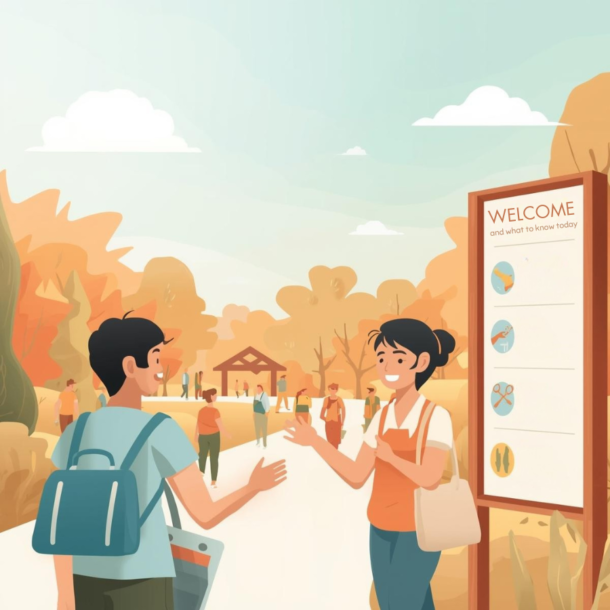 Visitors absorb information in different ways, and many retain messages better when they hear them from another person. Volunteers strengthen communication by reinforcing key messages through natural conversation, offering reminders that feel approachable rather than directive. Parks and recreation agencies often rely on volunteers to reinforce safety reminders and etiquette guidance at trailheads. Wildlife agencies depend on volunteers to echo messages about viewing distance, respectful behavior, and seasonal sensitivities. Outdoor recreation departments value volunteers who reinforce route information, hazard explanations, or preparation tips. Park districts appreciate volunteers who repeat program guidelines and logistical instructions in a friendly tone.
Repetition delivered through human interaction enhances understanding because it allows visitors to clarify confusing points or ask follow up questions. Volunteers can adapt explanations to different age groups, language needs, and experience levels. They also help visitors connect the agency’s written or digital messages with real world conditions. Human delivery helps transform what might otherwise be ignored signage into meaningful guidance, creating a communication system that is both more responsive and more trusted. Through conversation, volunteers help ensure that important information resonates with visitors and supports safer decision making.
When Volunteers Become the Bridge Between Agencies and the Community
Volunteers form a natural bridge between agencies and the communities they serve. Many volunteers live near the public lands or facilities where they serve, which gives them a unique understanding of visitor expectations, cultural dynamics, and local history. Parks and recreation agencies benefit greatly from volunteers who can explain why certain management decisions support long term public enjoyment. Wildlife agencies appreciate volunteers who translate scientific concepts into relatable explanations that help visitors understand why protections matter. Outdoor recreation departments rely on volunteers who help newcomers feel welcomed rather than intimidated by unfamiliar terrain. Park districts value volunteers who bring cultural insight and community knowledge that enhances program experience for families.
This bridging role also supports agencies internally. Because volunteers spend so much time interacting with visitors, they often hear concerns, suggestions, and misunderstandings before staff do. Their insights help agencies identify communication gaps, refine messaging, and better understand where expectations diverge from operational realities. Volunteers help agencies see through the visitor’s eyes, which strengthens long term communication strategy. When agencies embrace volunteers as partners rather than occasional helpers, the entire visitor experience becomes more connected, responsive, and community centered.
Managing Boundaries: When Volunteers Should Redirect Visitors to Staff
Volunteers play an important communication role, but they need clear boundaries to ensure consistency and visitor safety. Agencies must articulate which topics volunteers may address independently and which require staff involvement. Parks and recreation agencies typically ask volunteers to redirect visitors when questions involve serious safety decisions or sensitive concerns. Wildlife agencies require volunteers to defer to staff when visitors ask about restricted access, enforcement, or animal interactions. Outdoor recreation departments depend on staff to handle risk assessments, medical situations, or disputes. Park districts rely on staff for registration changes, facility policy questions, or issues that touch on participant confidentiality.
Establishing boundaries protects both volunteers and visitors. Volunteers feel more comfortable when they know exactly how to navigate complex conversations, and visitors receive accurate information from the appropriate source. Clear boundaries also prevent volunteers from inadvertently overstepping their role, which helps preserve agency credibility and operational stability. When volunteers understand that their primary function is to support communication rather than make decisions, they can focus fully on their strengths, including providing guidance, offering reassurance, and connecting visitors to staff when needed.
Training Volunteers to Communicate Effectively With Diverse Visitor Groups
Volunteers interact with visitors who arrive with a wide spectrum of needs, expectations, and levels of experience. To communicate effectively, volunteers must feel confident adapting their approach depending on who they are speaking to. Parks and recreation agencies often train volunteers to recognize the varying needs of families, youth groups, older adults, and first time visitors. Wildlife agencies emphasize sensitivity when interacting with visitors who may be anxious around animals or unsure of safe viewing distances. Outdoor recreation departments focus on teaching volunteers how to support visitors with differing physical abilities, outdoor experience levels, or navigation skills. Park districts prepare volunteers to communicate with community members of different cultural backgrounds, ensuring that interactions feel inclusive and welcoming.
Training emphasizes clarity, patience, and the ability to simplify complex information without losing accuracy. Volunteers learn to speak calmly during moments of uncertainty, adjust their language for multilingual visitors, and offer supportive explanations even when a visitor appears distressed or frustrated. They also practice techniques that help reduce confusion, such as checking for understanding, offering step by step guidance, and directing visitors to additional resources. Good communication training empowers volunteers not only to share information, but to play an active role in shaping a positive and accessible visitor experience. When volunteers feel prepared, they reduce anxiety for visitors and help build trust in the agency’s communication system.
How Volunteers Support Crisis and Emergency Messaging
During emergencies or rapidly changing conditions, clear communication becomes essential. Volunteers often serve as the first human point of contact when visitors need direction or reassurance. Parks and recreation agencies rely on volunteers to explain temporary closures, evacuation procedures, or weather related risks. Wildlife agencies use volunteers to help maintain calm during animal related incidents or seasonal behavior changes. Outdoor recreation departments involve volunteers when fast changing terrain or weather conditions affect visitor safety. Park districts depend on volunteers during large community events where unexpected challenges may arise.
Volunteers are most helpful during emergencies when they understand their role, their boundaries, and the agency’s priorities. Training prepares them to deliver simple, direct messages that reduce confusion. Volunteers do not replace staff during emergencies, but they expand the agency’s ability to connect with visitors quickly and consistently. When volunteers help amplify staff messages, visitors receive information through multiple channels, which increases the likelihood of understanding and compliance. Their presence also helps maintain a calm environment by providing reassurance, answering basic questions, and directing visitors to staff when needed. This human support becomes an essential component of an effective emergency communication strategy.
Volunteers as Stewards of Organizational Tone and Visitor Experience
The tone of communication plays a significant role in how visitors interpret agency messages, and volunteers shape this tone every day through their personal interactions. Parks and recreation agencies rely on volunteers to set a welcoming and supportive tone at trailheads, playgrounds, and visitor centers. Wildlife agencies depend on volunteers to model respectful behavior around animals and demonstrate how to balance curiosity with caution. Outdoor recreation departments look to volunteers to encourage preparedness without discouraging participation. Park districts trust volunteers to reinforce a friendly and community oriented atmosphere during events and programs.
Because volunteers represent the agency publicly, they influence how visitors feel about the organization long after the interaction ends. A warm greeting, a clear answer, or a moment of patience can significantly shape a visitor’s perception of the agency. Volunteers also serve as emotional stabilizers. They help reduce visitor frustration during delays, provide reassurance during confusing moments, and offer encouragement when visitors feel uncertain about the environment. Through this daily emotional labor, volunteers strengthen the agency’s communication identity and ensure that messaging feels approachable rather than administrative. Their consistent presence helps create experiences where visitors feel supported instead of overwhelmed.
Evaluating Volunteer Communication Performance and Offering Constructive Support
Volunteers grow when agencies provide structured feedback that highlights strengths and identifies opportunities for improvement. Communication roles require ongoing evaluation because conditions change, visitor needs evolve, and new challenges arise each season. Parks and recreation agencies often conduct informal check-ins to understand which messages volunteers struggle to explain. Wildlife agencies gather feedback about interactions involving sensitive behaviors, crowded viewing areas, or safety conflicts. Outdoor recreation departments look for trends in visitor confusion to determine whether volunteers need more training on certain topics. Park districts assess communication performance during events or programs where visitor flow can be unpredictable.
Evaluation is most effective when it is supportive rather than corrective. Agencies can help volunteers refine communication skills through coaching, shadowing opportunities, and scripted role play scenarios that build confidence. Volunteers appreciate knowing that they are not expected to have perfect knowledge, only a willingness to learn and improve. As volunteers become stronger communicators, they help reduce visitor confusion, increase understanding of rules and safety guidance, and enhance the agency’s overall communication system. This cycle of evaluation and support ensures that communication remains consistent, accurate, and aligned with evolving operational goals.
How Volunteers Extend the Agency’s Capacity Without Increasing Cost
Volunteers allow agencies to communicate more frequently and more personally without expanding staffing budgets. Parks and recreation agencies see significant value in volunteers who staff trailheads, greet visitors, or guide families through facilities. Wildlife agencies rely on volunteers to share conservation messages that staff may not have the time to deliver repeatedly. Outdoor recreation departments appreciate volunteers who provide on the ground navigation support or clarify rules that visitors may have missed. Park districts benefit from volunteers who help direct event traffic, assist staff during busy programs, or explain how to access resources.
This expanded capacity strengthens the agency’s communication system by increasing opportunities for human connection. Visitors can ask follow up questions, clarify uncertainties, and receive explanations that signage alone cannot provide. Volunteers help agencies maintain a presence across large or complex landscapes where staff coverage is limited. They also allow agencies to experiment with new communication initiatives, such as roving volunteer guides or pop up information stations, without significant operational costs. When volunteers are positioned thoughtfully and supported with strong training, they become powerful multipliers of agency communication.
Strategic Communication Support for Your Parks and Recreation Agency
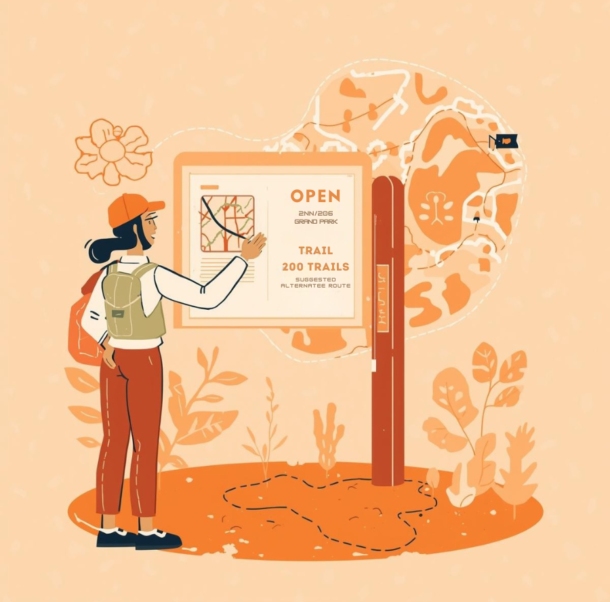 Stegmeier Consulting Group (SCG) helps agencies strengthen communication systems by aligning strategy, structure, and day to day execution. Parks and recreation agencies often face increasing demands from visitors who expect clear guidance, timely updates, and a welcoming experience. Wildlife agencies manage complex messaging around safety, conservation, and habitat protection. Outdoor recreation departments coordinate information that changes rapidly with weather, terrain, or season. Park districts continually balance community engagement with operational constraints. People at these agencies often choose to partner with an external resource like SCG because external expertise brings clarity, objectivity, and a structured approach that supports long term communication success.
SCG works alongside teams to identify gaps, refine messaging frameworks, and develop communication practices that volunteers and staff can use consistently. Many organizations operate with fragmented workflows that make it difficult to deliver reliable information across multiple touchpoints. SCG provides systems level support that helps agencies build communication processes that are adaptable, sustainable, and grounded in the realities of daily operations. By focusing on organizational alignment and clarity, SCG helps agencies move from reactive communication to a more proactive and resilient communication model that supports both visitors and frontline personnel.
Conclusion
Volunteers play a central role in how visitors interpret, absorb, and respond to agency communication. Their presence adds warmth, humanity, and local insight to places that many people experience for the first time. When volunteers feel supported, trained, and connected to the mission, they amplify the agency’s voice in ways that signage, websites, or automated alerts cannot fully replicate. Parks and recreation agencies benefit from volunteers who help families navigate trail networks. Wildlife agencies rely on volunteers to reinforce conservation focused messages that protect sensitive species. Outdoor recreation departments depend on volunteers to offer clarification during rapidly changing conditions. Park districts appreciate volunteers who strengthen community events through clear and friendly communication.
Building a strong volunteer communication program requires intention, structure, and investment, but the return is significant. Volunteers expand the agency’s reach, enrich the visitor experience, and help bridge the gap between what an agency aims to communicate and what visitors actually understand. When agencies develop clear systems for training, supporting, and guiding volunteers, they create communication environments that feel consistent, welcoming, and trustworthy. This human centered approach strengthens stewardship, improves safety, and deepens the connection between people and public lands. By treating volunteers as essential communication partners, agencies can foster more informed, confident, and engaged visitors across every season.
SCG’s Strategic Approach to Communication Systems
Align your agency’s messaging, processes, and public engagement strategies
Agencies that communicate effectively build stronger trust with staff, stakeholders, and the public. Whether you are implementing QR code systems, improving internal communication workflows, or strengthening agency wide alignment, SCG can help you develop a communication system that supports consistent decision making and long term organizational success. Use the form below to connect with our team and explore how a strategic communication framework can elevate your agency’s impact.