

Turning Regulation Into Public Engagement: How Washington, D.C. Used Strategic Communication to Build Trust in Health Insurance Rate Reviews
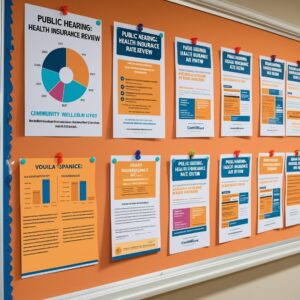 Health Insurance Rate Review in Washington, D.C.
Health insurance rate changes are often viewed as technical processes with little room for public involvement, but when communicated strategically, they can become powerful opportunities to build trust, inform consumers, and promote equity.
In Washington, D.C., the Department of Insurance, Securities, and Banking (DISB) approached its 2022 rate review process as a chance to demystify policy, elevate local voices, and center consumer impact. By holding a public hearing, issuing plain-language communications, and leveraging a mix of digital and traditional channels, DISB transformed what might have been a bureaucratic process into an accessible and participatory civic event.
This case study explores how DISB’s approach to strategic communication around the 2022 rate review built transparency, expanded community input, and showcased how regulatory decisions can directly improve affordability for residents and small businesses.
The Initiative: Health Insurance Rate Review in Washington, D.C.
Program Structure and Oversight
The rate review process in D.C. is mandated under the Affordable Care Act (ACA), but DISB’s implementation went beyond compliance. The agency reviewed 184 proposed health insurance plans for coverage year 2022, submitted by four major carriers: CareFirst, Kaiser Permanente, Aetna, and UnitedHealthcare. These included plans for both individual enrollees and small businesses operating within the District.
Following a rigorous actuarial review and stakeholder engagement process, DISB approved an average 5.0% increase for individual market plans and a 3.5% decrease for small-group plans. The reduction in small-group rates was projected to yield an estimated $16 million in savings for D.C. residents, providing a tangible economic benefit for local businesses and their employees.
By positioning itself as a public steward—not just a regulator—DISB embraced the opportunity to make insurance decisions transparent and user-centered.
Communication-Centered Program Activities
1. Transparent, Accessible Messaging for Consumers
DISB’s communication approach prioritized clarity, simplicity, and real-world relevance. Recognizing that most residents do not have backgrounds in insurance or economics, the agency framed its messaging in terms that the average consumer could immediately understand.
- Press Releases with Plain-Language Explanations: The agency issued clear, easy-to-understand press releases that translated complex actuarial findings into practical information. Rather than leading with technical rate tables, communications began by highlighting estimated total savings and explaining the difference between individual and small-group market trends. This helped the public immediately grasp the financial impact.
- Targeted Website Updates and FAQs: DISB and DC Health Link websites hosted detailed breakdowns of approved plans, rate change percentages, and consumer implications. FAQs were developed to answer common questions, such as “Will my premium go up?” and “What can I do if I disagree with the decision?” This approach fostered transparency and reduced public confusion.
- Localized Messaging: Communications explicitly identified which plans and carriers were impacted, ensuring that District residents, small business owners, and brokers could find relevant information quickly. Geographic relevance increased engagement and minimized skepticism.
Why It Worked
- Residents could quickly see how decisions would affect their wallets.
- Rate changes were not presented in isolation, but alongside broader narratives of cost savings and access.
- Simple, accessible language promoted trust and reduced barriers to engagement.
2. Virtual Public Hearing with Broad Participation
Recognizing the importance of two-way dialogue, DISB held a virtual public rate hearing on September 9, 2021, inviting testimony from a wide range of stakeholders including insurance providers, actuaries, consumer advocates, and everyday residents.
- Advance Notice and Accessibility Provisions: Invitations to participate were distributed via email, public notices, and the agency’s website. Clear submission deadlines and contact points were shared for media inquiries and accommodation requests. ASL interpretation and language translation services were offered to ensure inclusivity for residents with hearing or language barriers.
- Inclusive Hearing Format: The virtual platform allowed greater attendance and participation than a traditional in-person hearing might have. Participants could attend from home, submit written comments in advance, or request time to testify live. This format removed logistical barriers for those with mobility challenges, work conflicts, or caregiving responsibilities.
- Stakeholder Input and Post-Hearing Transparency: The hearing included expert perspectives and consumer voices. Following the hearing, DISB summarized key points of testimony and demonstrated how stakeholder concerns shaped final decisions. This reinforced a sense of fairness and responsiveness.
Why It Worked
- Clear deadlines and public instructions simplified participation.
- Virtual accessibility expanded the diversity of voices engaged.
- DISB modeled transparency by showing how input affected outcomes.
3. Multi-Channel Outreach for Maximum Impact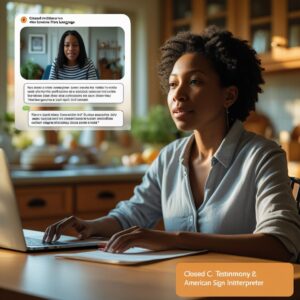
DISB’s campaign didn’t rely on a single channel to reach the public. Instead, it layered outreach across digital platforms, traditional media, and stakeholder networks to ensure messages landed broadly and consistently.
- Press and Media Engagement: DISB issued coordinated press releases and responded to media inquiries to amplify their message. By focusing on savings for consumers and the scope of plan approvals, they ensured that coverage emphasized the campaign’s public value.
- Digital Platforms and Email Blasts: Information was disseminated across the DISB website, DC Health Link site, and email newsletters to brokers, civic groups, and business associations. Each platform adapted messaging to its audience, but kept core information aligned.
- Website Integration and Local Context: DISB updated its web content to include geographic context—identifying which municipalities and neighborhoods would see which plans—so that visitors could quickly access information relevant to their community or small business.
Why It Worked
- The layered strategy ensured that messages were reinforced across channels.
- Community partners and local networks served as multipliers.
- Cross-platform alignment ensured message consistency and trustworthiness.
Impact and Outcomes
While rate review decisions are often perceived as dry and distant, DISB’s communication strategy turned this moment into one of public value and community trust-building.
1. Tangible Cost Savings and Public Clarity
The approval of a 3.5% small-group rate reduction—resulting in an estimated $16 million in savings—became a cornerstone of DISB’s messaging. Rather than presenting this as a bureaucratic outcome, DISB celebrated it as a win for small businesses and working families across the District.
- Impact Framing: DISB emphasized the ripple effect of lower premiums—helping businesses retain talent, providing more affordable access to care, and easing pressure on local economies.
2. Increased Engagement and Stakeholder Participation
The hearing and public comment process saw participation from consumer advocates, insurers, actuarial experts, and local residents. Multiple stakeholders submitted testimony or comments, indicating stronger engagement than in prior years.
- Residents reported feeling more informed about their choices during open enrollment.
- Advocacy groups cited DISB’s transparency as a model for other jurisdictions.
3. Elevated Public Understanding of Insurance Policy
By proactively explaining rate decisions and offering plain-language breakdowns of plan types, DISB increased public understanding of a typically opaque process.
- Search traffic and downloads increased on DISB’s rate review pages in the weeks surrounding the hearing.
- Brokers and community partners reported fewer inquiries about “hidden costs,” indicating better baseline understanding among clients.
 Takeaways: Lessons from DC’s Rate Review Campaign
- Frame Technical Policy in Terms of Impact: Consumers care less about rate filings and more about whether they can afford care. DISB’s emphasis on savings and access created meaningful context.
- Virtual Formats Can Expand Inclusion: A thoughtfully designed virtual hearing removed access barriers while maintaining structure, legitimacy, and community voice.
- Communication is a Public Service: By sharing outcomes clearly, responding to concerns, and providing follow-up resources, DISB modeled how transparency builds trust.
- Amplify Through Multiple Channels: Strategic alignment across websites, media, and partner organizations expanded reach without diluting the message.
Conclusion: From Regulation to Civic Engagement
DISB’s 2022 health insurance rate review campaign demonstrates how strategic communication can elevate a statutory obligation into a moment of democratic engagement and community value. Through transparent messaging, participatory hearings, and inclusive digital access, the agency not only approved equitable rates but also advanced public trust and civic dialogue.
This model shows that even technical government processes, when communicated effectively, can deepen public understanding and participation.
Ready to Elevate Your Agency’s Public Communication?
We understand the unique challenges state and local government agencies face—from complex issues to diverse community needs. Our comprehensive approach can help you transform the way you connect with constituents, improve transparency, and highlight the valuable work your agency does every day.
Interested in learning more? Reach out to us today for a consultation. We’d love to discuss how our services can support your goals and help you build lasting trust with the communities you serve.