Strategies for Content Development and Delivery for State and Local Government Agencies
 What is Content Development?
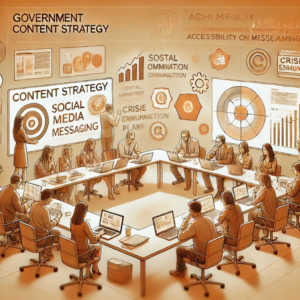
Content development is the strategic process of creating, organizing, and distributing information that effectively engages, informs, and serves a specific target audience. For government agencies, this process goes beyond simple information sharing as it is a vital communication tool that upholds transparency, strengthens public trust, and fosters meaningful community participation. Through careful planning, agencies can ensure that their content not only conveys accurate and timely information but also reflects the values of openness and accountability. A well-structured content strategy helps maintain clarity and consistency across different communication channels such as online platforms, printed materials, or public announcements, while promoting inclusivity by ensuring that information is accessible and understandable to all constituents, regardless of background or ability. In doing so, government agencies can bridge the gap between policy and public understanding, ultimately encouraging civic engagement and collaboration.
Why Content Development Matters for Government Agencies
Content development is more than just writing announcements. It’s about crafting messages that educate, inform, and engage the public while maintaining accuracy, compliance, and accessibility.
Key Benefits of Strong Content Development & Delivery:
- Builds Public Trust – Clear, timely communication fosters transparency.
- Enhances Community Engagement – Interactive and informative content encourages civic participation.
- Improves Accessibility & Inclusion – Ensures information is available to all constituents, regardless of language, literacy level, or ability.
- Boosts SEO & Visibility – Optimized content ensures your agency’s messages are easily discoverable online.
- Supports Crisis Communication – Prepared, structured content enables rapid response in emergencies.
- Promotes Organizational Efficiency – Streamlined content development ensures all departments stay aligned with consistent messaging.
Step 1: Gathering Information – Leveraging Key Contacts to Stay Informed
Government agencies must remain proactive in gathering information to ensure that their communications are accurate, relevant, and timely. The best content is derived from real-life stories, data, and insights that emerge from day-to-day operations. As such, it’s crucial for communication leads to stay engaged with leadership tactical points of contact.
Best Practices for Gathering Information:
- Regularly meet with department heads and project managers to capture updates on key initiatives, policy changes, and service improvements.
- Engage with community partners and stakeholders to gather firsthand perspectives and success stories.
- Monitor internal reports and performance data to identify trends, achievements, and challenges.
- Stay aware of upcoming events, deadlines, and major announcements that require public communication.
- Establish a content intake system where teams can submit updates and information to the communications team.
Step 2: The Power of Evergreen Content
Evergreen content serves as the backbone of consistent, long-term messaging. These resources remain valuable over time and should be updated periodically for accuracy.
Examples of Evergreen Content:
- Mission Statements & Core Values – Reinforce the agency’s purpose and goals.
- “How-To” Guides & FAQs – Provide step-by-step instructions for public services.
- Community Resource Lists – Direct residents to helpful government and nonprofit programs.
- Legislation & Policy Explainers – Help citizens understand key laws and regulations.
- Annual Reports & Impact Stories – Showcase long-term progress and achievements.
Pro Tip: Repurpose evergreen content across different platforms (newsletters, social media, and websites) to maximize reach and engagement.
Step 3: Key Questions to Guide Content Development
When creating content, always consider the following:
What do we want people to know about our work?
- Highlight service improvements, infrastructure developments, or new policies.
- Showcase how the agency positively impacts the community.
What do we want credit for?
- Recognize behind-the-scenes efforts that typically go unnoticed.
- Share data-driven accomplishments (e.g., funds saved, efficiency gains, community impact).
What upcoming events or deadlines should the public be aware of?
- Announce registration windows, policy rollouts, and major community events.
- Provide advance notice of potential disruptions (e.g., road closures, service outages).
Step 4: Showcasing Accomplishments – Making Data Work for You
Data is one of the most powerful tools in government communication. When presenting achievements, use quantifiable results to add credibility and impact.
Best Practices for Data-Driven Communication:
- Include concrete figures – Example: “Our initiative helped reduce traffic congestion by 20% in the downtown area.”
- Use compelling visuals – Infographics and charts make data easier to understand.
- Share community testimonials – Highlight real people who have benefited from government programs.
- Conduct public sentiment analysis – Leverage surveys and feedback tools to gauge how the community perceives government efforts.
Step 5: Crisis Communication Planning
A clear crisis communication strategy ensures your agency is prepared for emergencies, public misinformation, or reputation challenges.
Crisis Content Best Practices:
- Have a Response Plan – Identify spokespersons, pre-draft holding statements.
- Be Transparent & Timely – Deliver regular, factual updates.
- Monitor Social Media – Address misinformation quickly.
- Use Multi-Channel Updates – Ensure all citizens receive accurate information.
- Develop FAQ Templates – Provide pre-written answers to common public concerns during a crisis.
 Case Study: How Cleveland Metroparks Inspired a Community to Move
To illustrate how strategic content development and delivery can enhance public communication, we examine how Cleveland Metroparks successfully increased community engagement through its “Explore Your Park” campaign. This initiative shows how effective storytelling, strategic partnerships, and multi-channel outreach can drive public participation and awareness. By using compelling narratives, visually engaging materials, and collaboration with local organizations, the campaign was able to connect with diverse audiences and encourage active involvement in community programs. It highlights the importance of aligning content goals with public interests, ensuring that every message resonates with people’s values and inspires them to take part in civic and environmental initiatives.
Key Communication Strategies:
- Strategic Partnerships – Partnering with the Cleveland Clinic added credibility and enabled access to wellness experts.
- Multi-Channel Promotion – Social media, traditional media, and on-site signage were leveraged for maximum reach.
- Community Events – Guided walks, fitness classes, and health workshops encouraged participation.
- Emphasis on Wellness – Messaging tied park use to tangible health benefits like stress reduction and cardiovascular improvement.
- Gathering Community Feedback – Surveys and social media interactions helped refine programming and messaging.
Results & Takeaways:
- Increased Park Usage – A significant rise in both event attendance and overall park visits.
- Enhanced Community Engagement – High social media interactions and participation rates.
- Stronger Brand Recognition – Cleveland Metroparks and the Cleveland Clinic positioned themselves as leaders in public wellness.
If you’re interested in learning more about Cleveland Metroparks’ successful communication campaign, you can read more here.
Final Thoughts: Mastering Government Content Development
- Proactively gather information from key stakeholders and departments.
- Leverage evergreen content to create long-lasting, impactful messaging.
- Use data and storytelling to highlight accomplishments and community impact.
- Develop a crisis communication plan to ensure swift and transparent responses.
- Monitor engagement and refine strategies to enhance outreach effectiveness.
By following these strategies, government agencies can build a trustworthy and responsive communication strategy that truly connects with their community.
Next Steps:
- Establish a system for regular stakeholder check-ins.
- Create a content calendar to manage evergreen and time-sensitive topics.
- Develop a crisis response playbook for quick, accurate messaging in emergencies.
- Continuously analyze performance metrics and adapt strategies for greater impact.
Want to improve your agency’s public communications? Let’s Talk! Contact us today to learn how we can help you develop a winning content strategy.