
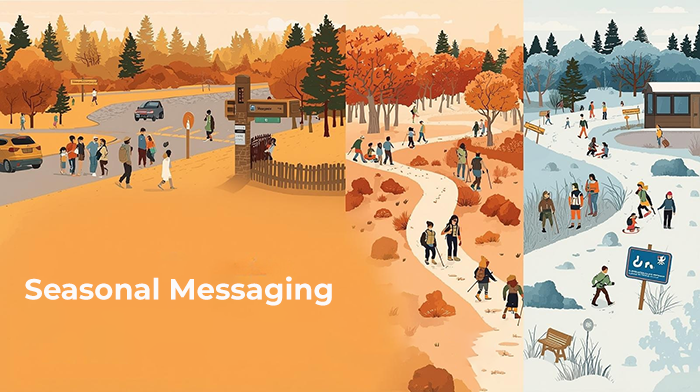
Seasonal Messaging: Adapting Communications for Summer Crowds, Hunting Season, and Winter Recreation
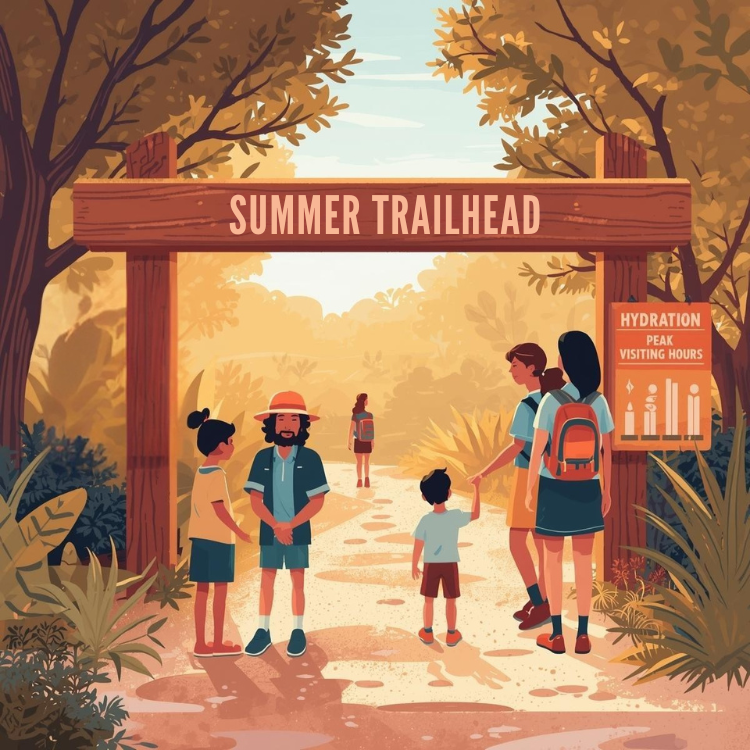 Outdoor environments change dramatically with each season, and so do the communication challenges faced by parks and recreation agencies, wildlife agencies, outdoor recreation departments, and park districts. Visitor expectations shift. Risk profiles evolve. Program offerings expand or contract based on weather, daylight, wildlife behavior, and trail conditions. Seasonal messaging becomes essential because one communication strategy rarely works year round.
During summer, high visitation intensifies parking congestion, trail use, noise, waste management needs, and general demand for real time updates. Winter recreation brings icy surfaces, reduced visibility, avalanche hazards, and temperature related risks that require precise communication. Hunting season introduces its own set of complexities. Wildlife agencies must coordinate messages that protect both hunters and non hunting visitors, clarify zone boundaries, and reinforce safety expectations across large landscapes.
These transitions place communication systems under strain. Seasonal messaging must adapt without overwhelming visitors or confusing them with rapidly shifting guidance. When agencies anticipate seasonal needs and develop communication frameworks that flex with each stage of the year, visitors experience greater trust, clarity, and safety. The result is a smoother relationship between people and place, even during the busiest or most hazardous times of the year.
Effective seasonal communication is not about rewriting rules every few months. It is about understanding how visitor psychology changes across seasons, identifying the unique risks associated with environmental conditions, and aligning messaging to help visitors make informed decisions. Agencies that develop thoughtful seasonal strategies protect natural resources, strengthen stewardship, and improve public satisfaction.
Understanding Why Seasonal Communication Matters
Seasonal communication holds more than logistical value. It shapes visitor perception and influences behavior. Parks and recreation agencies often observe that summer visitors treat the landscape as a leisure destination first, which can lead them to overlook safety signs or underestimate environmental stressors. Winter visitors, on the other hand, often approach trails with heightened caution but may still misjudge ice conditions or daylight limitations. Hunting season adds another layer of complexity because it involves both recreationists and participants whose activities share the same geography but have different informational needs.
Across these scenarios, seasonal messaging helps visitors recalibrate. People bring expectations from previous visits, sometimes months earlier, when terrain, wildlife activity, and trail conditions were entirely different. Without deliberate communication, these outdated assumptions create risk. Outdoor recreation departments frequently address incidents where visitors rely on summer mental models in winter conditions or assume trail access remains the same across all months.
Seasonal messaging matters because it prevents reliance on memory and encourages reliance on updated information. It also supports emotional readiness. Visitors who approach a landscape with the correct expectations feel more confident, and confidence decreases risky improvisation. When visitors understand why guidance changes from season to season, they perceive agencies as credible and thoughtful rather than restrictive.
Wildlife agencies also benefit from stronger seasonal communication. Migration patterns, breeding cycles, and habitat sensitivity shift throughout the year. Messages that protect wildlife must reflect these changes so visitors understand why certain areas close, why dogs must remain leashed during specific months, or why quiet zones expand in the early morning or evening. Seasonal messaging builds empathy by connecting human behavior to ecological rhythms.
When agencies communicate season by season, visitors learn that the landscape is dynamic, not static. That understanding becomes the foundation for safer, more respectful recreation.
From Trails to Tweets: Effective Communication Strategies for Parks, Recreation, Outdoors, and Wildlife Agencies
This article is part of our series on strategic communication for Parks, Recreation, Outdoors, and Wildlife agencies. To learn more and to see the parent article, which links to other content just like this, click the button below.
The Psychology of Seasonal Shifts
Visitor psychology changes with the seasons, and communication strategies must adjust accordingly. During summer, the atmosphere of relaxation and openness influences how people interpret signs, rules, and warnings. Visitors often assume that if the weather is pleasant, conditions on the trail or at the lake are equally safe. Parks and recreation agencies frequently notice that summer visitors skim safety content more quickly because their attention is directed toward enjoyment rather than risk assessment.
Winter psychology leans toward caution but can still contain blind spots. Snow can mask hazards, and cold temperatures reduce decision making speed. Winter visitors often place trust in trail maps, signage, and prior experience rather than ongoing situational awareness. Outdoor recreation departments sometimes observe that visitors feel confident at trailheads but lose that confidence once snow depth increases or visibility drops. Well timed winter messaging helps counteract this overconfidence by emphasizing situational monitoring.
Hunting season triggers a unique psychological blend. Some visitors experience anxiety about sharing space with hunters. Others feel a deep respect for the tradition and interpret rules carefully. Wildlife agencies must manage these emotional dynamics by framing messages that reassure non-hunting visitors, clarify boundaries, and reinforce respectful coexistence. Hunters benefit from messages that emphasize courtesy, visibility, and precision, while non hunters benefit from maps, zone descriptions, and safety reminders that reduce uncertainty.
Psychology also varies within visitor groups. Families may feel more cautious in winter because children tire faster in cold air. Teens may feel more adventurous in summer and take greater risks near water or cliffs. Older adults may feel more confident in fall because temperatures are mild and crowds diminish. Agencies that understand these psychological shifts can time their communication to match the visitor’s mindset, increasing compliance and reducing frustration.
Seasonal psychology is not an abstract idea. It is a practical tool for designing messages that resonate with visitors and guide behavior effectively throughout the year.
Preparing Visitors for Summer Crowds
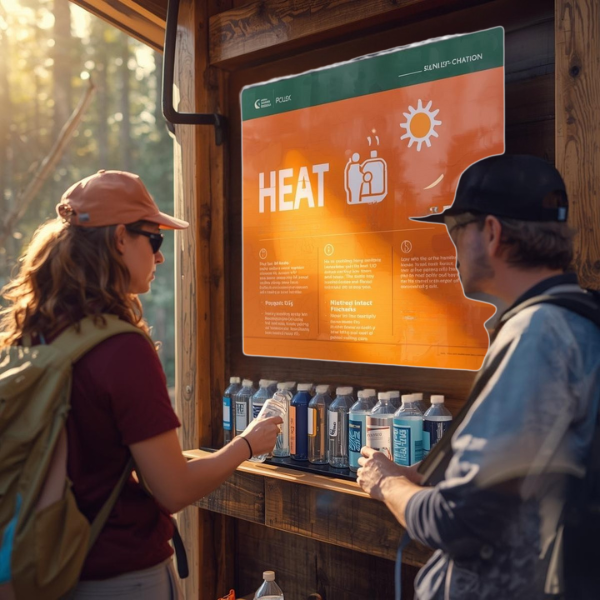 Summer places the highest communication demands on parks and recreation agencies, wildlife agencies, and outdoor recreation departments. Visitor volume increases sharply, and expectations shift as families, tourists, and large groups gather for warm weather activities. By organizing communication into focused areas, agencies can help visitors prepare more effectively, reduce tension, and support safe recreation during peak months.
Heat and Hydration Messaging
Summer heat affects visitors in ways they often underestimate. Parks and recreation agencies regularly see visitors assume that because a trail felt easy in spring, it will feel equally manageable in summer. Temperature, humidity, and sun exposure change that equation. Communication must help visitors adjust their expectations before they begin their activity.
Clear examples include reminding people that trail difficulty changes with temperature, explaining how direct sun affects energy levels, and highlighting the importance of carrying more water than visitors believe they need. Outdoor recreation departments sometimes add shaded areas or cooling spots to seasonal maps to help families plan rest breaks with children and older adults. These seemingly small details reduce heat related incidents significantly.
Agencies also benefit from using early morning messaging to influence timing. A simple phrase like “Start early to avoid afternoon heat” helps shift visitor behavior more effectively than generic reminders. Hydration stations, drinking fountain locations, and water refill points should appear consistently in messaging across digital platforms and trailhead panels. Wildlife agencies also use heat related messaging to remind visitors about minimizing disturbance to wildlife during the hottest parts of the day.
Managing Congestion and Peak Hours
High visitor density changes how people navigate outdoor spaces. Parking becomes limited. Trails become busier. Lines form at entry points. Families with young children feel more stressed, and older adults find it more difficult to maintain steady pace. Communication must therefore support crowd distribution rather than simply acknowledge congestion.
Outdoor recreation departments often publish peak hour patterns so visitors can plan around them. A statement such as “Expect full parking between 9 a.m. and 2 p.m.” gives people actionable information without discouraging their visit. Agencies that provide alternate route suggestions or satellite parking locations also relieve pressure on primary access points.
Crowding can also affect safety. When trails become congested, footing becomes less predictable, and visitors stop more frequently at narrow passes. Agencies use communication to remind visitors about trail etiquette during peak season. This includes encouraging visitors to let others pass at safe locations, avoid blocking junctions, and stay alert near steep drop offs. Park districts may also post reminders near water access points, as summer congestion around lakes and riverbanks creates unique risks.
By helping visitors understand when and where congestion occurs, agencies reduce conflict and create smoother visitor flow.
Messaging for Families and Children
Summer is often the season when multigenerational groups visit in the greatest numbers. Families bring unique communication needs because they navigate differently, respond to visual information more readily, and require more predictable environments. Parks and recreation agencies frequently observe that families feel the effects of crowding more intensely, since noise, heat, and lack of shade can overwhelm younger children.
Agencies can support families by framing summer messaging around preparation and shared understanding. Parents appreciate clear guidance about which trails remain safe for younger children during peak temperatures, where shaded rest points are located, and how far restrooms are from various trailheads. Messaging that clarifies which routes accommodate strollers, which areas experience heavy foot traffic, or which water access points have lifeguards helps parents make thoughtful choices before beginning their outing.
Children benefit from visual cues that simplify navigation. Wildlife agencies sometimes use illustrated icons noting wildlife viewing spots, gentle loops, or interpretive panels, which helps kids stay more engaged with the experience and reduces moments of frustration. Families feel more comfortable when communication gives them confidence that the environment is manageable for all age groups.
Summer programming also adds complexity. Camps, guided walks, pop up activities, and weekend festivals often overlap. Agencies that publish weekly or monthly schedules help families plan ahead and avoid unexpected crowding or noise. Visitors with sensory sensitivities particularly benefit when agencies clearly state which areas may feel overstimulating during certain hours.
Real Time Updates and Dynamic Conditions
Summer requires timely communication because conditions can shift rapidly. Parking fills earlier on weekends. Storms move through quickly and leave behind slick surfaces or downed branches. Lakes and rivers may rise due to afternoon thunderstorms. Outdoor recreation departments often rely on real time tools to help visitors respond appropriately.
Digital alerts, trailhead message boards, and automated updates help keep information current. Agencies benefit from creating brief, actionable updates rather than long, detailed explanations. For example, “Trail X closed due to storm damage. Choose Trail Y instead” helps visitors pivot without confusion.
Crowded conditions also lead to unexpected issues such as overflowing trash bins or temporarily closed restrooms. Park districts sometimes post quick updates that prevent visitor frustration by acknowledging issues and offering alternatives. Visitors are more patient when communication feels transparent.
Real time communication also improves safety. A sudden shift in weather may require early closure of water access points or suspension of certain programs. Wildlife agencies may issue alerts about increased animal activity due to heat or drought. When visitors receive timely updates, they make safer choices and adjust their plans before risk escalates.
Helping Visitors Set Expectations Before Arrival
One of the most powerful elements of summer communication occurs before visitors reach the property. Parks and recreation agencies increasingly use digital platforms to shape expectations early. When visitors understand likely crowd levels, heat effects, and parking constraints, they arrive more patient, better prepared, and more receptive to guidance.
Agencies often communicate recommended arrival times, alternative trail networks, shuttle systems, or weekly patterns that affect visitor flow. Families appreciate checklists that help them prepare for the day, such as reminders to bring sun protection, water bottles, snacks, or extra layers for sudden storms. Wildlife agencies sometimes add wildlife reminders during summer, explaining how to avoid creating food conditioning patterns during peak visitation months.
Expectation setting also includes behavioral reminders. Agencies may gently remind visitors about staying on designated paths, respecting quiet zones, or preparing children for longer stretches without restrooms. By sending these reminders early, agencies reduce the amount of correction needed onsite.
Visitors approach summer outings with excitement. Clear, supportive messaging helps channel that excitement into safe, respectful recreation.
Managing Communication During Hunting Season
Hunting season requires an entirely different communication approach. Wildlife agencies carry the primary responsibility for coordinating messages during this time, but parks and recreation agencies and outdoor recreation departments must also ensure that non-hunting visitors feel safe, informed, and welcome.
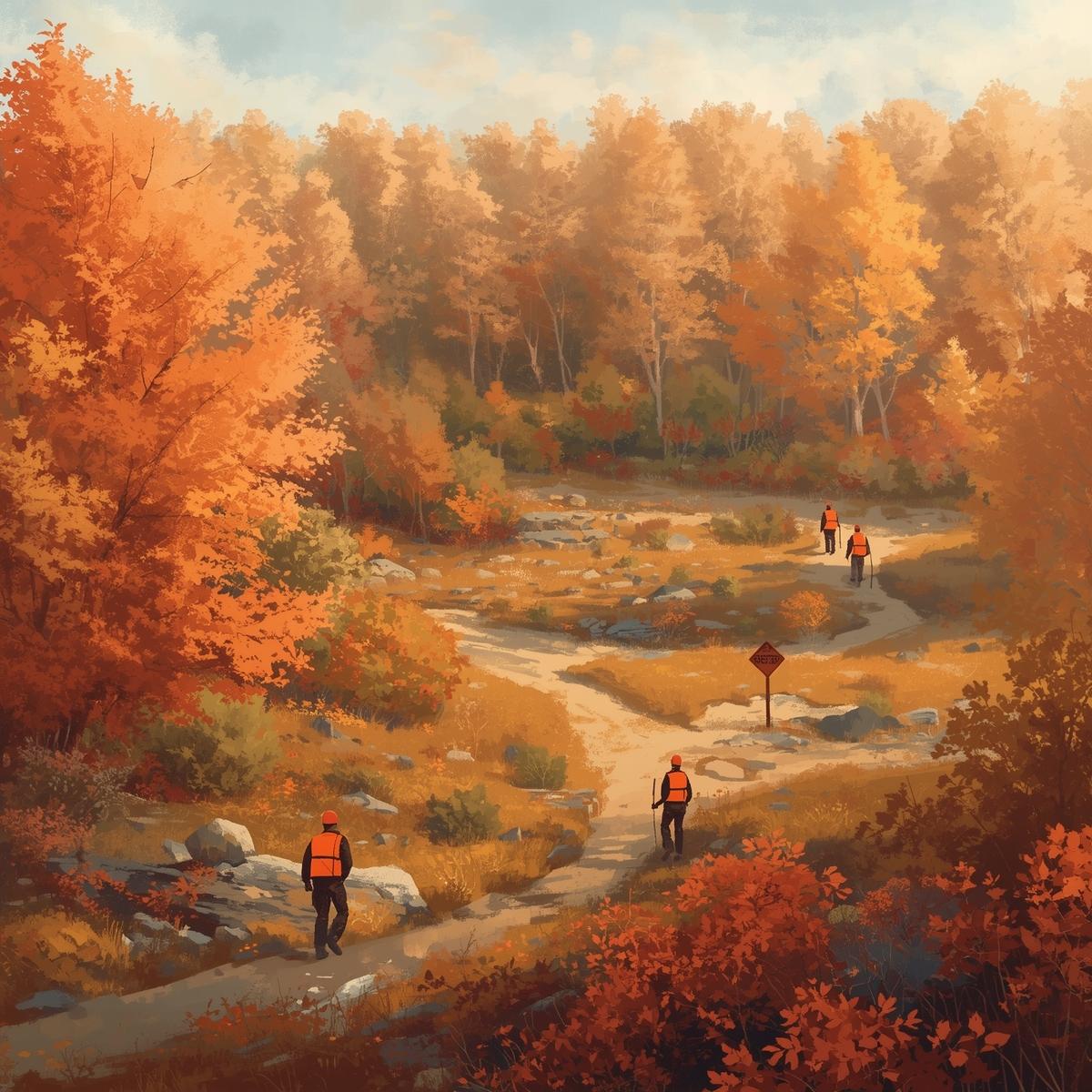
Clear boundary communication is essential. Visitors must know where hunting is permitted, which zones require blaze orange clothing, and which areas remain open exclusively for non hunting activities. Confusion about boundaries can produce dangerous situations. Agencies improve safety when they provide maps with high contrast hunting zones, trail reroutes, and recommended alternative recreation areas.
Visibility messaging is another priority. Both hunters and non hunters need guidance about wearing bright colors, staying on designated paths, and maintaining awareness during dawn or dusk activity. Wildlife agencies often observe that visitors who understand hunter behavior and seasonal timing feel more comfortable using shared spaces.
Communication should also address etiquette. Hunters often follow deep traditions that emphasize respect for the land and for non-hunting visitors. When agencies highlight these traditions in messaging, they build understanding across user groups. Non hunting visitors respond positively when communication frames hunters as partners in conservation rather than as competitors for space.
Families require tailored messaging during hunting season. Parents need reassurance about which trails remain suitable for children and how to prepare them for encounters with hunters. Clear explanation reduces uncertainty and helps families continue enjoying fall and winter recreation.
When agencies communicate proactively and clearly, hunting season becomes a period of coexistence rather than conflict. Visitors feel informed, safe, and respected.
Communicating Effectively for Winter Recreation
Winter transforms outdoor spaces in ways that demand precise and proactive communication. Parks and recreation agencies, wildlife agencies, outdoor recreation departments, and park districts face heightened responsibility because visitors often underestimate how drastically winter conditions affect navigation, safety, and accessibility. Snow obscures landmarks. Ice forms unpredictably. Trail surfaces shift beneath each step. Cold temperatures slow reaction time and impair judgment.
Visitors approach winter landscapes with a psychological mix of enthusiasm and caution. Some feel invigorated by the season’s beauty and novelty. Others feel nervous about slipping hazards or sudden weather changes. Both reactions influence how people interpret winter messaging, which means agencies must craft communication that supports clarity, confidence, and preparedness.
Navigation guidance becomes more important in winter than in any other season. Trail maps must reflect winter conditions, not simply the summer landscape covered in snow. Wildlife agencies sometimes provide winter specific trail maps that highlight groomed routes, avalanche prone zones, or areas where trail visibility is reduced. Agencies that rely only on warm weather maps create risk because winter visitors struggle to interpret buried markers or snow altered terrain.
Visibility and daylight limitations also shape communication. Shorter days accelerate time pressure. Visitors who begin an outing late in the afternoon may find themselves navigating in low light far sooner than expected. Outdoor recreation departments often include winter reminders such as “Plan to return before dusk” or “Carry a light source even on short routes.” These gentle cues prevent avoidable emergencies.
Winter recreation also requires messaging about equipment. Microspikes, insulated layers, and waterproof footwear become essential for safety, yet many visitors arrive unprepared. Clear, prominent communication at trailheads, visitor centers, and websites helps visitors understand when certain gear is recommended or required. Families, in particular, benefit from simple language such as “Expect icy sections. Strollers not recommended” or “Snow depth increases beyond this point.”
Seasonal wildlife messaging also plays a role. Animals change behavior in winter and may be more sensitive to human presence. Wildlife agencies often remind visitors to respect wintering areas, limit noise, and remain on packed routes to avoid disturbing habitat. Because snow amplifies sound and compacts vegetation differently, the ecological impact of winter recreation requires communication that connects human behavior to winter wildlife needs.
When winter messaging is comprehensive and well timed, visitors feel supported and prepared. They navigate more safely and enjoy the season with fewer surprises.
Communicating Seasonal Risks With Clarity and Care
Each season introduces distinct risks that visitors may not immediately recognize. Summer brings heat exposure and crowding. Fall introduces hunting activity. Winter adds ice, snow, and rapid weather shifts. These risks do not simply require warnings. They require thoughtful, empathetic communication that respects how visitors perceive danger and how they make decisions outdoors.
Risk messaging often fails when it relies on fear based language. Visitors tune out dire warnings if they feel exaggerated or accusatory. Parks and recreation agencies and wildlife agencies have learned that messaging framed as shared responsibility produces stronger compliance. A message such as “Help keep this trail safe by reporting ice patches” feels collaborative and empowers visitors to participate in maintaining safe conditions.
Clarity matters as much as tone. When agencies use technical terminology or vague descriptors like “Use caution,” visitors interpret risk differently based on personal experience. Outdoor recreation departments improve understanding when they provide specific, actionable information such as “Icy conditions begin one mile from trailhead” or “Expect congestion between 10 a.m. and 2 p.m.”
Families, older adults, and less experienced visitors benefit most from specific risk communication. Parents need clear guidance on whether trails are stroller friendly, where slippery segments begin, and how far water sources may be. Older adults appreciate direct reminders about elevation gain, exposure, and the need for traction devices. Agencies that tailor risk messaging to different user groups improve overall safety and satisfaction.
Seasonal risk communication also involves prioritizing which information needs immediate visibility. During severe heat, hydration reminders must appear at trailheads, parking lots, and restrooms. During winter storms, closure notices must appear on digital platforms before visitors begin traveling to the site. Wildlife agencies often emphasize real time communication during spring calving or nesting seasons because human disturbance during these periods has significant ecological impact.
When risk communication is clear, empathetic, and well placed, visitors interpret it not as a barrier but as a helpful guide.
Timing and Sequencing Seasonal Messages
Seasonal messaging succeeds when it appears at the right time and in the right order. Visitors absorb information more effectively when agencies deliver communication in stages rather than overwhelming them with too many alerts at once. Parks and recreation agencies, wildlife agencies, and outdoor recreation departments benefit from developing communication calendars that anticipate visitor needs weeks or months before each seasonal shift.
For summer, sequencing often begins in late spring. Agencies introduce messages about early season trail conditions, mud season closures, and visitor expectations for the months ahead. As summer crowds grow, communication transitions toward real time updates about parking, congestion, and heat. Near the end of summer, messaging shifts again, this time focusing on seasonal transitions, wildfire awareness, and preparation for fall activities.
Hunting season requires clear sequencing as well. Wildlife agencies commonly release boundary maps and safety expectations early, followed by mid season updates that reflect changes in hunter activity or visitor flow. As the season ends, agencies shift messaging again to address habitat restoration needs or temporary closures.
Winter messaging must often begin before the first snowfall. Agencies use early season communication to prepare visitors for equipment needs, potential closures, and winter trail etiquette. Once snow arrives, messaging becomes more operational, emphasizing current conditions and hazard awareness. Late winter communication then helps prepare visitors for melt related risks, such as unstable ice or early season mud.
Sequencing also improves message retention. Visitors receive reminders in manageable increments, increasing the likelihood they will absorb and follow guidance. Families benefit from reminders that appear across multiple touchpoints because their attention is distributed among children and logistical tasks. Older adults appreciate early notice that allows them to plan around seasonal changes in terrain or access.
Good sequencing gives visitors time to adjust expectations, prepare properly, and approach each season with confidence.
Using Multiple Formats to Deliver Seasonal Messaging
Seasonal communication is most effective when agencies use multiple formats that reinforce one another. Different visitors absorb information through different channels, and agencies cannot rely on one medium alone. Parks and recreation agencies, wildlife agencies, and outdoor recreation departments commonly combine digital platforms, signage, interpersonal communication, and printed materials to create cohesive seasonal messaging systems.
Digital channels play a significant role during times of rapid change. Websites, text alerts, and social media platforms allow agencies to update visitors instantly about closures, conditions, and urgent risks. Families often rely on these channels when planning outings. Older adults may prefer email notifications, while younger visitors may respond more quickly to mobile alerts.
Signage remains essential, especially for visitors who arrive without prior planning. Seasonal signage at trailheads, kiosks, parking areas, and entry stations helps guide decisions once visitors are already on site. Wildlife agencies sometimes use rotating or color coded panels that change with the season so visitors can recognize at a glance that conditions have shifted.
Interpersonal communication adds nuance and reassurance. Staff and volunteers help visitors interpret seasonal messages, clarify misunderstandings, and offer personalized guidance. Park districts often find that visitors are more receptive to risk related messages when delivered through friendly, conversational exchanges.
Printed materials, such as brochures or seasonal maps, offer visitors a tangible reference that supplements digital and verbal communication. These materials are especially useful in winter when mobile devices may lose power quickly in cold temperatures.
Using multiple formats acknowledges that visitors arrive with different levels of preparation, technology access, and communication preferences. Agencies that deliver information through multiple channels create a more inclusive and reliable communication system for all visitors.
Designing Seasonal Signage That Anticipates Visitor Needs
Seasonal signage plays a critical role in preparing visitors for conditions that change rapidly throughout the year. Parks and recreation agencies, wildlife agencies, outdoor recreation departments, and park districts rely on signage to reinforce the messages they share through digital channels and pre-trip planning tools. Seasonal signage acts as the final checkpoint before a visitor commits to an activity or route. It must therefore communicate clearly, quickly, and in a way that aligns with the visitor’s emotional state.
Summer signage often appears in high traffic areas where congestion and excitement make attention spans short. Messages placed in busy parking lots or at trailheads must be simple and direct. Agencies sometimes find that visitors interpret summer signs more favorably when they are framed as helpful tips rather than rules. For example, “Expect high temperatures today. Carry extra water” resonates more effectively than a directive that sounds restrictive. Families, in particular, rely on signage that helps them adjust plans without feeling discouraged.
Hunting season signage requires precision. Wildlife agencies must communicate zone boundaries, active dates, and safety expectations with exceptional clarity. Signs that blend into the landscape or rely on small print create confusion. Agencies often use high contrast colors and symbols that communicate safety expectations quickly. Signs that alert non hunting visitors to recommended attire or safe routes reduce anxiety and create a sense of shared space rather than conflict.
Winter signage blends safety reminders with environmental information. Ice levels, avalanche risks, and trail grooming conditions all fluctuate rapidly. Outdoor recreation departments place winter signage at locations where visitors naturally pause, such as intersections, overlook points, and trail junctions. Sign placement helps visitors re evaluate decisions as conditions evolve. Seasonal signage also benefits from layering. A simple sign at the trailhead may announce general winter hazards. More detailed signs deeper into the trail can highlight specific risks or changes in snowpack.
Multilingual signage becomes especially important in seasonal contexts. Visitors who may understand summer signs intuitively might struggle with winter specific terms like “cornices,” “thin ice,” or “variable conditions.” Park districts that support multilingual communities often translate seasonal safety terms or use universal icons that reduce reliance on technical vocabulary.
Seasonal signage works not only as information delivery but as behavioral nudging. When seasonal risks feel understandable and manageable, visitors adjust behavior accordingly. When signage feels overwhelming or overly technical, visitors may ignore it entirely. Good seasonal signage meets visitors where they are and guides them toward better decisions.
Seasonal Staffing Communication: Preparing Teams to Support Visitors
Seasonal communication is not limited to visitor facing materials. Agencies must also prepare their seasonal staff, volunteers, and long term employees to deliver consistent and accurate information throughout the year. Parks and recreation agencies and outdoor recreation departments often rely on temporary or short season staff to manage peak traffic, winter recreation, or hunting season demands. These staff members become key communication touchpoints, yet they may arrive with limited context or training.
Seasonal staffing communication begins with internal clarity. Agencies need to align staff on the specific risks and expectations associated with each season. This includes understanding when specific hazards emerge, how to interpret environmental indicators, and how to communicate changes confidently to visitors. Staff training sessions that explain why certain messages change from season to season help create consistency and reduce mixed signals.
Wildlife agencies frequently train staff to support hunting season communication. Staff must feel comfortable explaining boundaries, safety gear requirements, and the timing of hunting activities. They must also know how to respond to the concerns of non hunting visitors, many of whom experience anxiety when they hear shots or see hunters nearby. When staff communicate calmly and clearly, visitors feel reassured and more willing to follow guidance.
During summer, staff communication focuses heavily on crowd management, heat mitigation, and visitor expectations. Seasonal employees often answer questions about parking, trail conditions, program availability, and water access. Outdoor recreation departments benefit from giving staff a daily briefing so they can confidently explain changes that occurred since the previous shift.
Winter staffing communication centers on hazards. Staff need real time updates on groomed routes, icy sections, temperature drops, and equipment requirements. Agencies that maintain strong communication channels among staff can respond more quickly to changing conditions. Clear, timely internal communication improves visitor safety because staff become reliable sources of accurate guidance.
When staffing communication succeeds, visitors experience seamless messaging. When it fails, visitors encounter contradictory advice, confusion, or missed warnings. Agencies strengthen public trust when all staff, from seasonal volunteers to experienced rangers, communicate with a unified voice.
Messaging for Multigenerational Groups Across Seasons
Seasonal communication becomes more complex when agencies consider how diverse age groups interpret risk, navigation cues, and environmental changes. Families represent a significant portion of year round outdoor users, and seasonal messaging must support parents, children, and older adults simultaneously. Parks and recreation agencies often adjust their communication strategies to meet these layered needs without overwhelming visitors.
During summer, children respond most effectively to visual cues. Symbols indicating safe play areas, wildlife viewing etiquette, or shaded rest locations help kids stay oriented. Parents prefer predictive information such as typical peak hours, restroom access, and recommended gear for heat protection. Older adults appreciate clear markers that indicate distance, elevation change, and shaded rest points.
Hunting season introduces concerns that differ across generations. Children may feel startled by hearing gunshots, and parents need communication that reassures them about safe areas. Older adults often request explicit information about which trails remain open, which require blaze orange clothing, and how to interpret zone boundaries. Wildlife agencies help multigenerational groups navigate hunting season by emphasizing cooperation, visibility, and shared responsibility.
Winter communication must support visitors across a wide range of physical abilities. Children may tire quickly on slippery surfaces. Parents need guidance on which routes accommodate snowshoes or sleds. Older adults require information about traction devices, safe footing, and which trails avoid steep descents. Outdoor recreation departments often produce simplified winter maps with large icons so all groups can interpret hazards without extensive map reading skills.
Seasonal messaging for multigenerational groups should help families travel together rather than splitting into separate routes because of unclear information. Clear seasonal navigation, hazard descriptions, and trail expectations help families choose activities that match everyone’s abilities. When communication anticipates the needs of each group, seasonal recreation becomes safer, more inclusive, and more enjoyable.
Adjusting Messaging for Special Seasonal Events and Peak Demand
Some seasons introduce short duration events that reshape visitor behavior and communication needs. Examples include autumn leaf viewing, spring break travel surges, winter holiday weekends, and early season fishing or boating opportunities. While these events may not last long, they produce significant communication demands. Agencies must adapt messaging quickly and precisely.
During fall foliage season, parks and recreation agencies often see dramatic increases in visitation from individuals who may not be familiar with trail systems. Clear messaging about parking, shuttle systems, and expected crowding prevents frustration. Outdoor recreation departments sometimes issue weekend specific advisories that help visitors understand which areas fill early and which offer quieter alternatives.
Wildlife agencies experience similar surges during springtime when visitors hope to view newborn wildlife. Messaging must emphasize respectful distancing, quiet conduct, and avoidance of sensitive areas. These reminders help protect animals during critical developmental periods while maintaining positive visitor experiences.
Winter holiday weekends introduce travel surges that place strain on infrastructure. Agencies that provide real time updates about road conditions, trail grooming schedules, closures, and warming shelter availability help visitors plan more effectively. Families benefit from guidance about which areas offer reliable footing or gentle slopes for children.
Special event messaging should be concise, timely, and repeated across multiple channels. Its purpose is to orient visitors to the unique conditions of that short window, reducing confusion and improving flow. When agencies anticipate these surge periods and adjust messaging accordingly, visitor satisfaction increases and stress decreases.
Coordinating Messaging Across Interagency Partnerships
Seasonal communication becomes stronger when agencies coordinate rather than operate independently. Parks and recreation agencies, wildlife agencies, outdoor recreation departments, transportation authorities, emergency response units, and even tourism bureaus often interact with the same visitors but communicate from different perspectives. Without coordination, visitors receive fragmented or conflicting guidance. With coordination, communication gains credibility, coherence, and reach.
Summer coordination typically focuses on crowd management. Transportation departments may manage road access, shuttle timing, or parking overflow while parks and recreation agencies communicate trail capacity, water safety, or program scheduling. When these two sources issue unified messages, visitors understand not only what the expectations are but why they exist. For example, a combined message about reduced parking due to habitat restoration creates a clear narrative that emphasizes environmental protection rather than inconvenience.
Hunting season requires even deeper coordination. Wildlife agencies lead messaging about boundaries, safety gear, and hunting regulations. Parks and recreation agencies support this communication by directing non-hunting visitors to appropriate trails, offering alternative recreational opportunities, and reinforcing etiquette around shared landscapes. Outdoor recreation departments sometimes create joint maps or shared signage so visitors receive the same information regardless of which agency they consult.
Winter coordination often involves emergency services. Search and rescue teams, avalanche centers, park districts, and ranger units must communicate consistently about risk levels, trail closures, and weather changes. If one agency advises visitors to avoid a specific route while another agency lists that same route as open, confusion increases and compliance decreases. Winter incidents frequently escalate when communication misalignment causes visitors to underestimate conditions.
Interagency coordination also improves efficiency. When agencies pool their communication resources, they reduce redundant messaging, share the workload of seasonal updates, and extend their reach across more platforms. Visitors benefit from hearing the same message delivered consistently through multiple trusted sources. Agencies benefit from reducing contradiction and strengthening collective credibility.
Effective coordination shows visitors that agencies share a common purpose. It reinforces the idea that seasonal messaging is not a barrier but a collaborative effort to support safe, meaningful recreation.
Using Data to Refine Seasonal Messaging
Seasonal communication strengthens over time when agencies rely on data to measure visitor behavior, identify gaps, and refine strategies. Parks and recreation agencies, wildlife agencies, and outdoor recreation departments already collect large quantities of data. Seasonal messaging becomes more accurate when agencies interpret that data through the lens of communication effectiveness.
Visitor counts indicate when and where messaging must be most visible. If summer crowds consistently peak between 10 a.m. and 1 p.m., agencies can schedule targeted digital updates early in the morning. If visitors routinely bypass less used parking areas, messaging can highlight alternate trailheads or shuttle systems. Heat related medical calls also reveal communication gaps. If incidents cluster during late afternoon hours, agencies may increase signage or digital reminders that encourage earlier start times.
Outdoor recreation departments often analyze search and rescue reports to better understand communication breakdowns. If many winter rescues occur because visitors overestimate daylight or underestimate snow depth, agencies can revise winter trailhead communication to emphasize timing, equipment, or hazard awareness. These revisions save lives because they shift visitor decision making before risk escalates.
Wildlife agencies benefit from analyzing seasonal wildlife disturbance patterns. If visitors inadvertently enter sensitive nesting zones during spring or early summer, agencies may need stronger boundary messaging, clearer maps, or more visible signage. Data helps agencies distinguish isolated incidents from broader communication patterns that require strategic adjustments.
Digital platforms provide additional insight. Agencies can track which seasonal messages are viewed most often, which alerts generate the most engagement, and which times of day visitors seek information. These patterns help refine message timing and prioritize high value content.
Data does more than diagnose problems. It reveals opportunities. If families consistently request clearer information about trail difficulty during winter, agencies can develop more robust winter accessible maps. If visitors ask repeated questions about hunting season boundaries, agencies can adjust map coloration or add explanatory diagrams.
When agencies use data to shape seasonal messaging, they move from reactive communication to proactive systems design. This shift leads to more informed visitors and safer recreation across all seasons.
Sustaining Clarity During Rapidly Changing Seasonal Conditions
Seasonal communication is most challenging when conditions shift faster than agencies can update messaging. Weather systems move quickly. Snow melts and refreezes within hours. Wildlife migration alters trail accessibility. Fire danger levels fluctuate throughout the summer. Parks and recreation agencies, outdoor recreation departments, and wildlife agencies must develop systems that maintain clarity even when information evolves constantly.
The foundation of clarity is expectation setting. Visitors should understand from the outset that conditions change rapidly and that updated information may appear during their visit. When agencies communicate seasonal variability as a normal part of outdoor recreation, visitors interpret mid trip updates with cooperation rather than frustration. For example, winter messaging that states “Conditions change quickly. Check for updates at each junction” prepares visitors to adapt.
Real time communication tools strengthen clarity. Agencies increasingly use SMS alerts, online condition dashboards, recorded hotline updates, and automated trail counters to share timely information. Park districts that operate high traffic winter or summer areas often display dynamic condition boards at trailheads. These boards help visitors adjust decisions before committing to risky terrain.
However, real time communication only works when the information remains accurate. Agencies must establish internal workflows that allow staff to update conditions quickly and consistently. Outdoor recreation departments often rely on field staff to report snow depth, grooming schedules, or downed trees. Wildlife agencies rely on biologists and rangers to track animal movement or seasonal closures. These updates must reach the communication team in a timely manner.
Clarity also relies on message hierarchy. When conditions shift rapidly, too many updates can overwhelm visitors. Agencies can prevent confusion by prioritizing the most critical information. For example, “Icy conditions beyond mile one” takes precedence over “Expect muddy conditions later this week.” Critical messages should appear first, in bold or prominent form, while less urgent reminders can appear lower in the sequence.
Multigenerational visitors benefit from layered communication. Families need simple, actionable messages. Older adults prefer detailed condition updates. Teens may respond best to digital alerts. Agencies that structure messages in layers, from simple to detailed, allow visitors to absorb information at their own comfort level.
Sustaining clarity during rapid change requires discipline, coordination, and an understanding of visitor behavior. Agencies that manage this well create safer recreation environments even under unpredictable conditions.
Helping Visitors Shift Mindsets at the Start of Each Season
One of the most powerful roles of seasonal messaging is helping visitors reset their mental models. People often carry assumptions from the previous season into the next. These assumptions create risk, frustration, and conflict unless agencies intervene early with communication that recalibrates expectations.
Parks and recreation agencies often experience this during spring when visitors expect open trails despite mud season closures. Without proactive communication, visitors may damage trails, disrupt restoration efforts, or become stuck in soft terrain. Messaging that explains the purpose of closures and connects the visitor’s behavior to resource protection helps shift mindset from disappointment to cooperation.
Hunting season creates another mindset shift. Non hunting visitors must adjust their expectations about shared space, sound, and visibility. Hunters must adopt a mindset of heightened awareness, courtesy, and compliance. Wildlife agencies support this transition by emphasizing shared values such as respect, tradition, and safety rather than presenting hunting season as a disruption.
Winter requires the most dramatic mindset shift. Visitors must replace summer mental models with winter appropriate expectations about distance, timing, equipment, and risk. Completing a two hour summer hike does not mean the same hike will take two hours in snow. Outdoor recreation departments help visitors make this cognitive transition by offering early season educational content, facility based reminders, and winter reorientation maps.
Families benefit greatly from mindset shift communication. Children understand seasonal changes intuitively but may not understand how those changes affect safety. Gentle messaging that explains winter hazards, hunting season etiquette, or summer crowding helps parents set expectations without increasing anxiety.
Mindset shift communication works because it gently reconfigures how visitors perceive the environment. Rather than reacting to rules, visitors interpret seasonal messages as guidance that respects both their enjoyment and the landscape’s needs.
Strategic Communication Support for Your Parks and Recreation Agency
 Seasonal communication requires structure, coordination, and a deep understanding of visitor behavior. Agencies must adapt messaging for summer crowds, shift tone and content during hunting season, and prepare visitors for the complexities of winter recreation. These transitions place significant demand on internal teams. People at these agencies often choose to partner with an external resource like Stegmeier Consulting Group (SCG) to strengthen communication systems without overwhelming existing staff.
SCG helps agencies build communication frameworks that support clarity, consistency, and long term alignment across all seasons. SCG evaluates how agencies deliver seasonal messaging, identifies where communication breaks down, and develops structures to manage recurring challenges such as visitor congestion, gear preparedness, wildlife sensitivity, or rapidly shifting conditions.
SCG’s approach emphasizes predictable workflows. Agencies need reliable systems that ensure staff receive updated information quickly and that visitors encounter consistent guidance across trailheads, websites, social media channels, and interpersonal interactions. When seasonal communication relies too heavily on ad hoc decisions, it becomes fragmented. SCG helps agencies shift from reactive messaging toward proactive planning so staff know what to communicate before seasonal demands intensify.
SCG also supports agencies in designing seasonal communication that feels welcoming rather than restrictive. Effective messaging guides visitor behavior without creating unnecessary tension. This balance requires an understanding of visitor psychology, especially during high stress seasons when frustration or anxiety may rise. SCG works with agencies to craft messages that acknowledge visitor needs, connect safety guidance to the value of the landscape, and maintain a tone that encourages cooperation.
Finally, SCG assists agencies in developing sustainable systems for updating communication as seasons evolve. Trails erode or freeze. Wildlife behavior shifts. Visitor demographics fluctuate. Communication must adapt accordingly. With SCG’s support, agencies build frameworks that remain effective year after year.
SCG’s role is not to replace internal expertise but to strengthen it. Agencies retain ownership of their mission, their values, and their public identity. SCG simply helps create communication systems that scale with seasonal patterns and better support visitors across the entire year.
Conclusion
Seasonal messaging is more than a logistical requirement. It is a strategic tool that shapes visitor experience, protects natural resources, and reinforces public trust. Parks and recreation agencies, wildlife agencies, outdoor recreation departments, and park districts all confront rapidly shifting conditions as the seasons change. Each transition brings its own blend of risks, expectations, and emotional dynamics. Agencies that approach these shifts intentionally create smoother, safer, and more enjoyable experiences for all visitors.
Summer demands clear communication about crowds, heat, congestion, and preparation. Hunting season requires precise, respectful messaging that balances the needs of hunters and non hunting visitors. Winter introduces icy trails, reduced daylight, equipment expectations, and complex terrain changes that require proactive and detailed guidance. Spring and fall add new layers of complexity as ecosystems transform, weather patterns fluctuate, and visitor motivations shift.
Effective seasonal communication protects both people and places. Visitors who understand what to expect behave more responsibly. Families navigate more confidently. Older adults make safer decisions. Children learn stewardship values by observing how information shapes choices. Wildlife benefits when visitors understand how seasonal patterns affect habitat sensitivity.
Seasonal messaging works best when it is structured, timely, and empathetic. It helps visitors recalibrate their mental models, adapt to new conditions, and engage with landscapes in a way that aligns with ecological needs. When agencies view communication as a year round system rather than a series of isolated updates, they create conditions where safety, enjoyment, and stewardship reinforce one another.
Agencies that invest in strong seasonal communication build credibility over time. Visitors learn that guidance is consistent, relevant, and grounded in the realities of each season. That trust becomes a foundation for meaningful engagement and responsible recreation throughout the year.
SCG’s Strategic Approach to Communication Systems
Align your agency’s messaging, processes, and public engagement strategies
Agencies that communicate effectively build stronger trust with staff, stakeholders, and the public. Whether you are implementing QR code systems, improving internal communication workflows, or strengthening agency wide alignment, SCG can help you develop a communication system that supports consistent decision making and long term organizational success. Use the form below to connect with our team and explore how a strategic communication framework can elevate your agency’s impact.