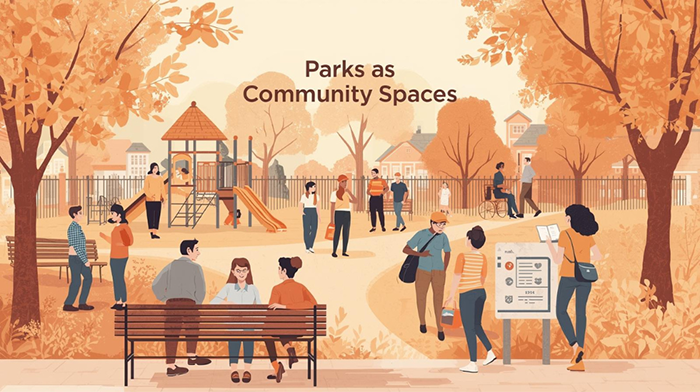
Parks as Community Spaces: Engaging Residents in Two-Way Communication
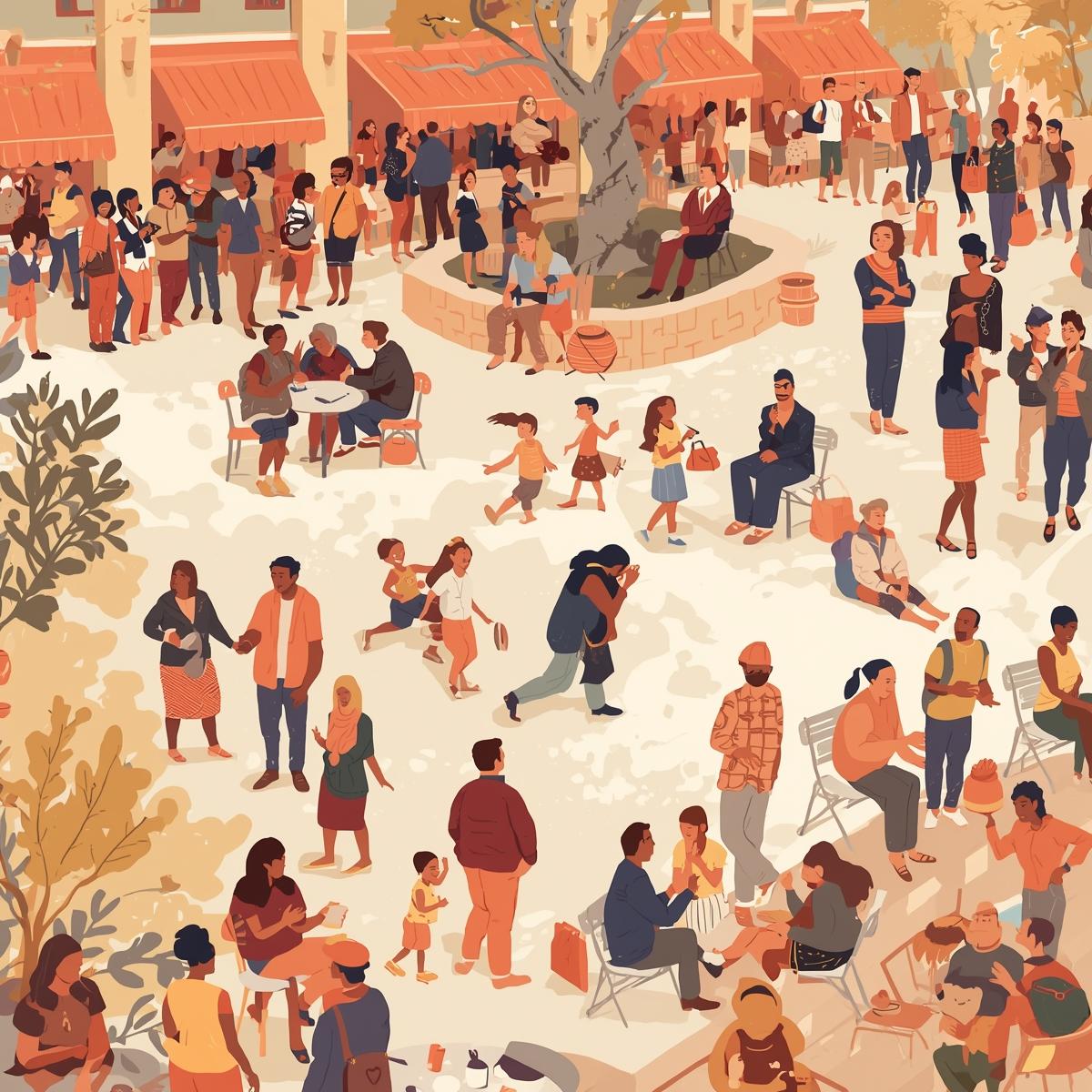 Across communities, parks function as shared public spaces where residents gather, learn, socialize, and connect with the natural world. Parks and recreation agencies, wildlife agencies, outdoor recreation departments, and park districts play a central role in shaping how residents interpret and use these spaces. Communication is one of the most important tools they have. When communication systems are clear, responsive, and inclusive, parks become places where people feel a sense of belonging. When communication systems are limited or one directional, they miss opportunities to build trust, gather insight, and strengthen relationships with those they serve.
Modern visitors expect more than static information. They want engagement. They want to ask questions, share feedback, raise concerns, and participate in decisions that affect park experiences. Residents increasingly see parks not only as places to recreate but as community forums where their voices matter. Agencies that embrace two way communication meet these expectations and create stronger public partnerships.
This shift reflects broader changes in public service. Agencies are moving from broadcasting information toward designing systems that listen, learn, and adapt. Parks and recreation agencies have the chance to lead this shift by building communication strategies that invite participation rather than simply delivering directives. Outdoor recreation departments, similarly, can enhance visitor satisfaction by creating channels where residents feel heard. Wildlife agencies and park districts often rely on community input when designing stewardship initiatives, program schedules, or seasonal access decisions.
Two way communication is not a single tool. It is a philosophy. It influences how agencies design signage, write web content, train staff, and incorporate feedback into operational planning. This article explores how agencies can strengthen that philosophy across their communication ecosystem.
Understanding Parks as Community Hubs
Parks operate as much more than recreational spaces. They are civic environments that mirror the needs and identities of the communities they serve. Residents use parks for social gatherings, family outings, quiet solace, wildlife viewing, organized sports, and cultural events. They also use parks to express concerns, share ideas, and influence decisions that affect local quality of life.
Because parks draw such diverse audiences, communication systems must reflect that diversity. A static announcement board or a single messaging channel no longer meets the needs of a population that expects accessibility, responsiveness, and a sense of partnership. Parks and recreation agencies serve multilingual, multi generational, and multi cultural communities. Wildlife agencies serve visitors who care deeply about habitat, species protection, and sustainable recreation. Outdoor recreation departments serve residents who may be new to outdoor activities and benefit from guidance that feels supportive rather than authoritative.
Parks as community hubs require communication that goes in both directions. Residents need to know what the agency is doing, but agencies also need to know what residents are experiencing. Two way communication strengthens the relationship between these groups. It also helps agencies design policies and programs that reflect actual community needs rather than assumptions.
Residents interpret two way communication as a sign of respect. When their input shapes trail design, programming schedules, accessibility improvements, or playground updates, they feel ownership and pride in the park system. This emotional connection drives stewardship behavior that directly benefits wildlife, habitats, and long term park health.
From Trails to Tweets: Effective Communication Strategies for Parks, Recreation, Outdoors, and Wildlife Agencies
This article is part of our series on strategic communication for Parks, Recreation, Outdoors, and Wildlife agencies. To learn more and to see the parent article, which links to other content just like this, click the button below.
How Two-Way Communication Strengthens Community Trust
Trust grows when communication is consistent, transparent, and reciprocal. When residents feel heard, they interpret agency decisions more positively. When agencies demonstrate that feedback leads to action, trust deepens further. Parks and recreation agencies often find that once trust is established, residents engage more frequently and with greater openness.
Two way communication helps residents understand why certain decisions are made. For example, seasonal trail closures may frustrate visitors, but when wildlife agencies explain the ecological reasons behind those closures and invite residents to ask questions, community understanding increases. Outdoor recreation departments may use public input sessions to refine wayfinding systems or redesign congested entrances. Park districts may rely on feedback to adjust programming for elders, youth groups, or multilingual families.
Trust also grows when agencies respond quickly to feedback. A QR code that leads to a feedback form is only effective if the agency acknowledges the message and, when appropriate, shares how it will be addressed. Residents appreciate seeing tangible results such as repaired infrastructure, updated signage, or revised communication materials. Over time, these responses send a clear signal that the agency values resident insight.
Two way communication also strengthens safety messaging. Visitors are more likely to follow rules when they believe those rules were shaped, at least in part, by community dialogue rather than imposed without explanation. A resident who feels respected is more willing to partner with agencies in stewardship, compliance, and information sharing.
Channels That Support Meaningful Two-Way Communication
Two way communication requires multiple channels that work together to support diverse needs and preferences. Some residents prefer face to face interaction. Others rely on digital tools. Families may respond best to visual communication. Older adults may rely on printed materials. Wildlife agencies may need channels that rapidly share updates on habitat changes or species activity.
A single communication channel cannot meet all needs. Agencies must create an ecosystem that offers several pathways for connection.
In person engagement remains one of the most effective. Staff at trailheads, nature centers, or community events can gather insights organically through conversation. These interactions often reveal nuanced concerns that would never appear in digital surveys. Outdoor recreation departments that maintain a visible staff presence during peak seasons often collect meaningful feedback simply by being available.
Digital tools expand communication reach. Feedback forms, mobile alerts, interactive maps, and social media platforms allow residents to share ideas at any time. Park districts frequently use mobile engagement tools to gather input about program satisfaction or facility maintenance. Wildlife agencies sometimes rely on digital channels to collect reports on wildlife sightings or habitat issues.
Physical signage can also support two way communication when paired with QR codes or short survey links. A sign at a trail junction might ask visitors whether the route felt clearly marked. A kiosk at a playground might ask families what amenities they would like expanded or improved.
The goal is not to overwhelm residents with communication options. It is to ensure that residents have at least one channel that feels accessible and comfortable for them.
Barriers That Prevent Residents From Engaging
Even the most robust communication system will falter if residents experience barriers that prevent them from participating. These barriers may be practical, emotional, linguistic, or cultural. Agencies must identify and address these barriers to create inclusive engagement.
One common barrier is lack of awareness. Many residents do not know how or where to share feedback. If communication channels are hidden or inconsistently promoted, participation decreases. Parks and recreation agencies often discover that simply clarifying where and how residents can engage dramatically increases response rates.
Language can also be a barrier. Multilingual communities may not engage if communication is available only in English. Wildlife agencies serving diverse populations often translate safety messages, program materials, and alerts to ensure broader comprehension. Outdoor recreation departments may offer multilingual signage at trailheads to support visitors who otherwise struggle to interpret guidance.
Another barrier is perceived intimidation. Some residents feel uncomfortable sharing feedback if they believe agencies will dismiss their concerns. Two way communication must feel approachable. Tone matters. Clear invitations to participate help residents feel valued rather than judged.
Digital access can create barriers as well. Not all residents have reliable internet or smartphones. Park districts that rely exclusively on digital engagement exclude these groups unintentionally. Accessible communication requires multiple routes for participation so no group is left behind.
Designing Communication Systems That Invite Participation
Two way communication requires more than multiple channels. It requires systems designed intentionally to make participation easy, comfortable, and meaningful. Parks and recreation agencies, wildlife agencies, outdoor recreation departments, and park districts must ensure their communication frameworks guide residents toward involvement instead of waiting for feedback to arrive on its own. Engagement increases when communication feels like an open invitation rather than a closed loop.
Agencies often begin by identifying the core experiences where residents already gather: trailheads, playgrounds, visitor centers, nature programs, community gardens, and event spaces. These environments offer natural opportunities to collect feedback and spark conversations. When residents see that communication systems are integrated seamlessly with their park experience, participation becomes an extension of their visit rather than a separate task.
Inviting participation also means normalizing it. Messaging should make it clear that resident insight is expected, valued, and used actively in planning. Agencies that phrase engagement invitations in conversational language help residents understand that their everyday observations matter.
Creating Low-Barrier Entry Points for Feedback
Residents are far more likely to participate when agencies make feedback effortless. Low barrier participation does not require formal surveys, long narratives, or complex platforms. It allows residents to offer insight quickly and without pressure.
At trailheads, for example, a simple question with a QR code may invite visitors to share whether the route felt well marked. Outside a recreation facility, a kiosk might ask residents to rate the cleanliness or accessibility of restrooms. Park districts sometimes include feedback prompts directly on event programs so residents can respond while the experience is still fresh. Wildlife agencies may add quick reporting prompts for wildlife sightings or habitat concerns, making it easier for visitors to share time sensitive information.
Low barrier feedback options are especially important for families, older adults, multilingual visitors, and first time park users. When participation requires only a few seconds and minimal explanation, more residents feel capable of contributing.
Digital low barrier options also help. A mobile form with two or three questions, or a text based check in that asks visitors whether they found what they needed, can bring in thousands of responses that agencies would otherwise miss. Outdoor recreation departments often learn that the most meaningful insights come from people who never would have filled out a long survey.
Low barrier participation turns communication into a habit rather than a special event.
Building Trust With Transparent Follow-Through
Residents participate when they believe their feedback will matter. Agencies must therefore demonstrate action. When residents see results, even small ones, engagement becomes self reinforcing. They begin to trust that their perspective shapes decisions, and they return to share more insight in the future.
Transparency does not require major projects or lengthy reports. It can be as simple as posting updates at trailheads, sharing short digital messages about improvements, or uploading a monthly explanation of how feedback influenced operations. Parks and recreation agencies that create “You asked, we listened” boards often find that even minor improvements earn significant goodwill. Outdoor recreation departments benefit from sending follow up messages that confirm receipt of feedback and, when possible, explain next steps.
Wildlife agencies also model transparency when sharing updates about habitat restoration or seasonal closures. When residents learn how their observations support ecological health, they often feel more invested in stewardship behaviors. Park districts with community advisory boards sometimes publish summaries of input sessions so residents understand how their ideas informed program planning.
Transparency builds community trust because it shows that engagement has purpose. Residents see themselves reflected in the outcome.
Encouraging Dialogue Through On-the-Ground Staff Presence
Staff are often the most effective communication tool because they represent the human interface between agencies and visitors. Staff presence in parks creates a natural environment for two way conversation. Residents feel more comfortable approaching a person than sending an email or filling out an online survey.
Parks and recreation agencies that station staff at high traffic areas during peak seasons often report dramatic increases in conversation based feedback. A brief interaction at a trail junction, dog park, or playground can reveal issues no formal survey could capture. Outdoor recreation departments that encourage staff to ask open ended questions often collect insights that reshape entire management strategies.
Staff presence also provides residents with real time clarification. When communication materials raise questions or confusion, staff can interpret or expand on the message. This reduces frustration and prevents misunderstandings before they escalate.
Wildlife agencies rely heavily on field staff to communicate with visitors during sensitive periods such as migration, nesting, or seasonal closures. These interactions help build rapport and reduce conflict. Park districts that host community events or seasonal programs also depend on staff to facilitate dialogue, answer concerns, and gather stories from residents that later inform planning.
When staff are trained to listen actively, validate resident perspectives, and share information clearly, two way communication becomes a natural part of park culture.
Developing a Culture of Active Listening
Two way communication requires more than tools or staff presence. It requires a cultural commitment to listening. Active listening transforms communication from transactional into relational. Agencies that listen carefully uncover not only what residents say but why they say it.
Active listening in parks involves paying attention to patterns. If several families mention that a playground feels worn, if older adults express difficulty navigating trail entrances, or if multilingual visitors struggle to interpret signage, these become signals that guide decision making. Wildlife agencies often listen for patterns related to animal disturbance, unsafe behavior, or environmental confusion. Outdoor recreation departments listen for operational frustrations such as parking congestion or unclear winter access.
Listening also means taking time to understand emotional context. Residents may express frustration not because they oppose an agency decision but because they feel excluded from the reasoning behind it. They may ask repetitive questions not because they did not read the communication but because the communication did not address their specific concern. Park districts that practice active listening respond with empathy, clarity, and curiosity rather than defensiveness.
A culture of listening strengthens two way communication because it treats residents not as transactions but as partners.
Using Visitor Behavior as a Form of Feedback
Not all feedback is verbal. Visitor behavior reveals important information about how residents interpret communication. Agencies that observe behavior patterns gain insight into where communication succeeds and where it confuses.
For example, if residents consistently take an unintended shortcut, it may indicate that signage placement is unclear or that the designated path feels counterintuitive. If families avoid a particular area, it may signal perceived safety concerns or outdated amenities. Outdoor recreation departments often analyze where visitors enter or exit trails to understand whether maps align with real world navigation patterns. Wildlife agencies track how visitors respond to seasonal wildlife advisories to understand which messages encourage compliance and which require refinement.
Observation becomes a powerful form of two way communication because it shows what residents cannot always articulate. When agencies treat behavior as data, they design communication systems that reflect authentic community needs rather than assumptions.
Behavior based feedback helps agencies create proactive communication that anticipates issues before they emerge.
Creating Inclusive Communication for Multilingual and Multicultural Communities
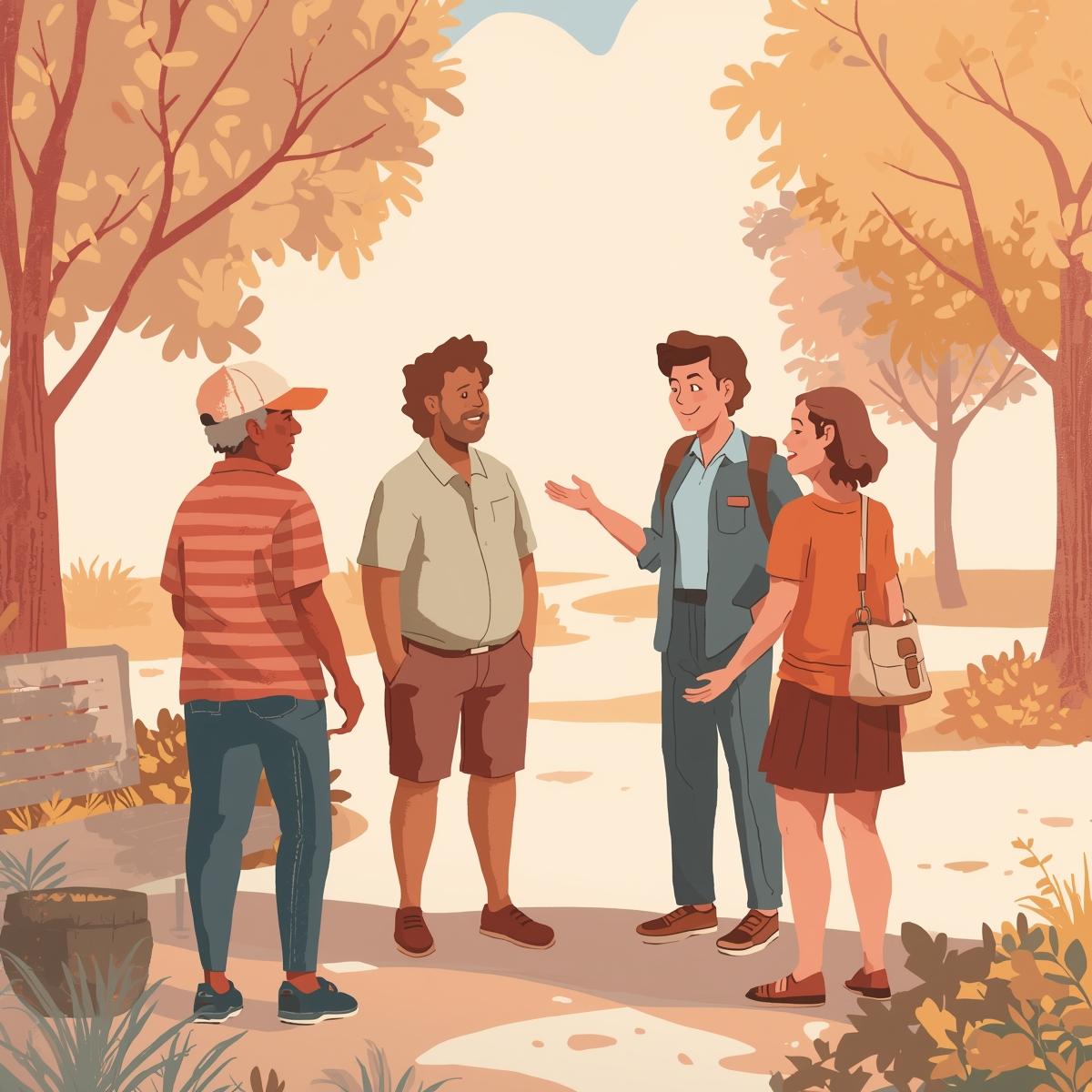 Parks are community spaces that reflect cultural diversity. Residents bring different languages, traditions, and communication norms to their outdoor experiences. Parks and recreation agencies, wildlife agencies, outdoor recreation departments, and park districts must design communication that honors these differences and ensures every visitor feels welcomed.
Two way communication cannot succeed if only one segment of the community can participate. Inclusive communication means meeting residents where they are linguistically and culturally so they can understand agency messages and feel confident sharing their own perspectives.
Removing Language Barriers That Limit Participation
Language access is a foundational component of inclusive communication. When residents cannot interpret signage, digital content, or feedback platforms, they cannot fully participate in park life. This creates unequal access to safety information, program opportunities, and public engagement processes.
Agencies can address this by translating core communication materials into languages commonly spoken in the community. Trail maps, safety advisories, and program schedules are strong starting points because they influence daily visitor decisions. Wildlife agencies, for example, often translate wildlife safety guidance so multilingual visitors can understand how to behave near specific species or habitats.
Outdoor recreation departments may also provide multilingual wayfinding support at entrances or parking areas to ensure residents with limited English proficiency can orient themselves quickly. Park districts that serve diverse urban populations often include multilingual QR codes at playgrounds, gardens, and sports areas so residents can access instructions or share feedback without linguistic barriers.
Removing language barriers is not only a matter of inclusion but of safety, trust, and shared stewardship.
Honoring Cultural Differences in Communication Style
Communication norms vary across cultures. Some residents respond best to direct and concise messages. Others prefer messages framed with context and relational language. Some cultures view interacting with authority figures as formal. Others expect casual, conversational exchanges.
Two way communication becomes more effective when agencies recognize these differences. For instance, residents from cultures that value collective decision making may respond positively to messaging that emphasizes community responsibility. Residents from cultures that rely heavily on visual interpretation may prefer signage with clear symbols rather than text heavy instructions.
Wildlife agencies sometimes integrate culturally relevant examples or analogies when explaining conservation concepts to specific communities. Outdoor recreation departments may adjust tone and phrasing when communicating about safety topics to ensure messages do not unintentionally sound harsh or disrespectful.
Park districts serving diverse neighborhoods often collaborate with cultural organizations to ensure messaging resonates with the community’s values and communication preferences.
When agencies honor cultural differences, residents feel understood rather than corrected.
Partnering With Community Organizations
Community organizations often serve as trusted messengers. Residents who hesitate to engage directly with agencies may feel more comfortable interacting through groups they already know and rely on. These organizations can help interpret communication, share updates, gather feedback, and build bridges between agencies and communities.
Parks and recreation agencies frequently partner with cultural associations, youth groups, senior centers, and faith based institutions to distribute information and invite participation. Wildlife agencies sometimes collaborate with environmental nonprofits to reach multilingual residents who are passionate about habitat stewardship. Outdoor recreation departments may work with disability advocacy groups to ensure communication is accessible to visitors with varied abilities.
Partnerships expand communication reach and add cultural relevance. They also demonstrate humility. When agencies show they are willing to share communication responsibilities with trusted organizations, residents interpret that as a sign of respect.
Community organizations strengthen two way communication by helping agencies listen more deeply.
Building Digital Platforms That Support Ongoing Conversation
Digital communication has become one of the most effective tools for two way engagement. Residents check websites for real time updates, follow social media for event announcements, and use feedback links to share concerns. Agencies must ensure their digital systems support ongoing dialogue rather than one directional broadcasting.
Digital platforms allow agencies to reach residents who cannot attend in person meetings or who prefer asynchronous communication. They also provide opportunities to gather real time insight about park conditions, safety issues, and visitor needs.
Designing Accessible and Intuitive Feedback Tools
Digital feedback tools only succeed when they are simple, intuitive, and accessible across devices. If forms are too long, use complex language, or require multiple steps, residents stop before finishing. Outdoor recreation departments often refine their digital forms by testing them with families, older adults, and visitors with varying levels of digital familiarity.
Wildlife agencies also rely on simple reporting tools for wildlife sightings or habitat concerns. When forms require minimal typing and use clear prompts, residents are more likely to participate. Park districts that adopt mobile friendly feedback cards often see dramatic improvements in response rates.
Digital systems should not assume high connectivity or unlimited data plans. Feedback forms that load quickly, use minimal graphics, and rely on plain language support wider participation across economic and technological backgrounds.
Using Social Media as a Conversation Space
Social media can function as a dynamic engagement tool when used strategically. It allows agencies to share updates quickly while creating opportunities for residents to respond, ask questions, or raise concerns. However, effective use requires more than posting announcements. It requires active moderation, transparent responses, and a tone that reflects community values.
Parks and recreation agencies often use social platforms to highlight new programs, gather input on facility improvements, or promote stewardship behaviors. Outdoor recreation departments may share trail condition alerts, seasonal safety reminders, or interactive polls that invite resident perspectives. Wildlife agencies frequently use social media to educate the public about species behavior or to dispel misconceptions.
Social media engagement must feel safe and respectful. Residents are more likely to comment when agencies respond consistently and acknowledge concerns without defensiveness. Social listening tools also help agencies track emerging themes in resident feedback that might not appear elsewhere.
When used thoughtfully, social media becomes a place where communities and agencies build ongoing dialogue.
Providing Real-Time Updates That Increase Transparency
Residents depend on real time updates to make informed decisions. Whether adjusting plans for weather conditions, responding to temporary closures, or navigating seasonal wildlife advisories, timely communication helps residents interpret changing environments with confidence.
Outdoor recreation departments often use mobile alerts or trailhead digital displays to share updates about closures, hazards, or high traffic areas. Park districts may use text alerts to share last minute program changes or notify residents about facility maintenance. Wildlife agencies frequently deliver real time wildlife advisories during migration seasons or high activity periods.
Real time communication supports two way dialogue because it reduces uncertainty. When residents feel informed, they are more likely to provide constructive feedback, follow guidelines, and participate in stewardship behaviors.
Transparency through timely updates builds credibility. It signals that agencies respect residents’ need for accurate and prompt information.
Designing On-Site Environments That Encourage Conversation
Two way communication is strongest when it extends naturally into the physical environment. Parks and recreation agencies, wildlife agencies, outdoor recreation departments, and park districts can design on site spaces that subtly invite residents to participate, question, reflect, and share insight. Communication does not always begin with a prompt. Sometimes it begins with a place.
Community oriented park design turns gathering points, circulation paths, and program areas into communication touchpoints that support meaningful interaction. These environments help residents express what they need while giving agencies real time visibility into how people navigate, interpret, and experience public spaces.
Creating Welcoming Physical Touchpoints
Residents are more likely to engage when their surroundings feel approachable. A well placed bench, a shaded seating zone, or an open plaza near a visitor center creates a natural pause point where conversation can occur. Agencies that design for comfort communicate indirectly that resident presence is valued.
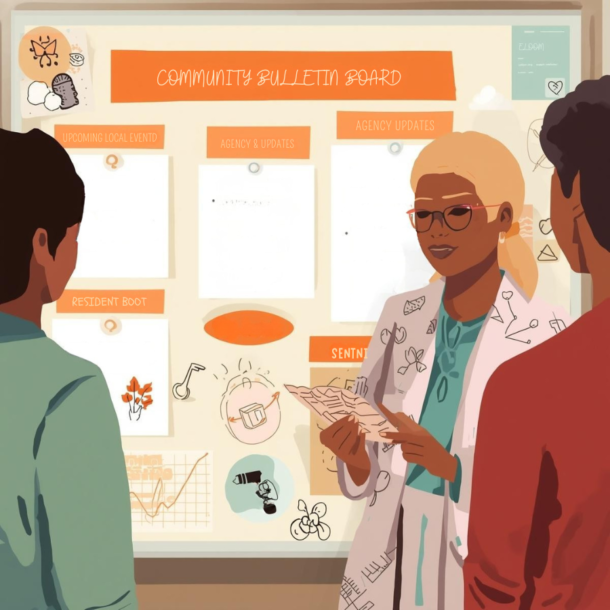
Park districts often integrate community boards into these spaces so residents can read updates, learn about upcoming programs, or share quick comments. Outdoor recreation departments may add small conversation stations at trailheads where staff or volunteers can interact with visitors and answer questions. Wildlife agencies sometimes pair educational touchpoints with opportunities for feedback so visitors who engage with interpretive materials can also share their thoughts.
Tone matters in physical touchpoints. Environments that feel warm, uncluttered, and clearly maintained encourage residents to linger and participate.
Supporting Spontaneous Dialogue Through Staff Movement Patterns
Staff who move through parks rather than remaining confined to offices or kiosks naturally increase two way communication. Presence builds trust. Residents feel more comfortable asking questions or expressing concerns when staff appear approachable, visible, and attentive.
Parks and recreation agencies often schedule staff rotations that ensure coverage across high traffic areas. This allows staff to observe real time visitor challenges, such as unclear wayfinding, busy intersections, or playground needs. Outdoor recreation departments deploy staff to popular trail systems during peak hours to encourage conversation, gather feedback, and monitor safety.
Wildlife agencies with visitor-facing units often train staff in nonconfrontational engagement techniques. This ensures that interactions remain supportive even when conversations involve complex topics such as wildlife conflict prevention or seasonal closures.
Staff movement patterns shape how communication flows through a park. Intentional presence builds community connection.
Designing Interpretive Areas That Promote Reflection and Feedback
Interpretive areas invite visitors to learn, reflect, and deepen their sense of connection to the land. These spaces can also support two way communication when designed with opportunities for residents to respond.
For example, an interpretive panel that explains local history can include a prompt asking visitors what stories they want preserved. A wildlife exhibit describing species behavior can include a QR code inviting visitors to share what surprised them or what additional information they would like to learn. Park districts sometimes place feedback cards near historical sites, allowing visitors to comment on interpretive clarity or cultural representation.
Outdoor recreation departments may include digital storytelling stations at trailheads where visitors can listen to recorded narratives and then share their own observations or memories. Wildlife agencies can invite visitors to report wildlife sightings or habitat concerns immediately after engaging with interpretive material.
Interpretive areas become two way communication spaces when they blend learning with opportunities for contribution.
Embedding Communication Into Recreational Facilities
Recreational facilities such as playgrounds, skate parks, dog parks, and athletic courts offer distinct communication opportunities. Families and youth often spend more time in these spaces than in nature trails or educational centers. Embedding communication within activity zones helps agencies reach audiences who might otherwise not engage.
Park districts serving dense urban populations frequently integrate QR codes into playground areas so caregivers can share suggestions about maintenance, safety, or future improvements. Outdoor recreation departments may add simple prompts at sports courts asking users how frequently they visit and what enhancements they would value. Wildlife agencies sometimes incorporate signage at picnic areas describing habitat protection practices and inviting feedback about visitor awareness.
Communication within recreational facilities must feel unobtrusive. It should offer an easy pathway to participation without interrupting the activity itself. When designed well, these touchpoints give agencies access to voices that traditional surveys might miss.
Cultivating Community Participation Through Programs and Events
Programs and events serve as powerful platforms for two way communication. Festivals, volunteer days, guided hikes, youth activities, and cultural celebrations attract residents who may not engage with static communication channels. These gatherings offer the social energy needed to spark conversation and expand relationships between agencies and communities.
Parks and recreation agencies often discover that program participants are among the most engaged residents. They have firsthand experience with facilities, services, and environmental conditions. Wildlife agencies frequently host educational programs that draw residents interested in conservation. Outdoor recreation departments use seasonal events to introduce newcomers to trails, gear, and outdoor skills.
Events help agencies build rapport, clarify messaging, and collect feedback in ways that feel organic rather than formal.
Inviting Feedback During Programs
Programs give agencies access to audiences who are already engaged, curious, and willing to participate. When staff ask for feedback in this context, residents often respond with greater depth and nuance.
For example, a guided nature walk may conclude with a conversation about how participants interpreted trail signage. A community fitness class may prompt discussion about restroom access or trail surface conditions. A children’s program may reveal which play features families find most valuable or which communication gaps lead to confusion.
Park districts often use program completion moments to ask quick, conversational questions about clarity of communication, ease of navigation, or sense of safety. Wildlife agencies running interpretive workshops may include a short debrief where participants share whether the materials supported understanding across abilities and experience levels.
Programs provide an ideal environment for qualitative insight that digital tools cannot capture.
Hosting Community Advisory Sessions
Many agencies create advisory groups or host regular community meetings to hear broader perspectives on park planning, communication, and policy development. Residents who attend these sessions often feel strong ties to the park system and want to influence decisions proactively.
Parks and recreation agencies may use advisory sessions to test communication prototypes such as updated signage, revised maps, or new digital tools. Outdoor recreation departments may solicit input on trailhead redesigns or circulation improvements. Wildlife agencies may engage advisory groups when balancing ecological protection with recreation demand.
These structured forums encourage two way dialogue that extends beyond episodic feedback. They support long term planning, equity considerations, and landscape wide communication strategy.
Building Trust Through Co-Created Initiatives
Co creation occurs when agencies and residents collaborate directly on projects, programs, or communication materials. This approach produces stronger trust because the outcomes reflect shared effort rather than unilateral agency decisions.
For example, a park district may work with resident groups to redesign a playground and develop communication signage that reflects the community’s voice. Wildlife agencies may partner with local environmental groups to co create educational materials about habitat restoration. Outdoor recreation departments may collaborate with youth groups or accessibility advocates to design more inclusive trail maps.
Co creation demonstrates that resident voices matter not only in feedback but in shaping the park experience itself. This partnership model strengthens two way communication by establishing shared ownership of outcomes.
Promoting Long-Term Stewardship Through Communication
Stewardship grows when residents feel a sense of ownership, connection, and responsibility toward their shared outdoor spaces. Two way communication supports this by inviting residents not only to learn from agencies but also to help shape decisions that protect the environment. Parks and recreation agencies, wildlife agencies, outdoor recreation departments, and park districts all contribute to this long term relationship between community and landscape.
Stewardship messaging works best when it feels collaborative rather than instructional. Residents want to understand why certain practices matter, how their behavior influences ecosystems, and what role they can play in sustaining park health. When agencies communicate these ideas clearly and invite dialogue, stewardship becomes a shared civic practice rather than a top down directive.
Residents begin to view themselves as co caretakers. Families teach children why certain rules exist. Older adults model responsible trail behavior. Community groups participate in restoration projects with greater enthusiasm. Wildlife enthusiasts help monitor sensitive areas. Two way communication strengthens these actions because it helps residents feel that their voices and contributions matter.
Agencies reinforce stewardship by closing the loop. When residents report habitat concerns, share ideas about waste reduction, or suggest ways to improve visitor education, agencies can respond with updates about the steps they are taking. This transparency builds trust and helps residents understand how their involvement shapes real change.
Stewardship thrives when residents and agencies share a unified vision for the wellbeing of their community spaces.
Strategic Communication Support for Your Parks and Recreation Agency
 Stegmeier Consulting Group (SCG) supports agencies in building communication systems that make parks more inclusive, more responsive, and more aligned with community needs. People at parks and recreation agencies, wildlife agencies, outdoor recreation departments, and park districts often choose to partner with an external resource like SCG when they want to strengthen their two way communication model. This includes creating message frameworks, clarifying workflows, and ensuring that staff, signage, digital tools, and feedback channels all work together as a unified system.
SCG’s work emphasizes long term alignment. Two way communication becomes most effective when agencies adopt structures that can adapt across seasons, staff transitions, and evolving public expectations. SCG helps organizations create these structures by evaluating existing communication touchpoints, identifying barriers to resident engagement, and designing systems that support predictable and accessible outreach.
Partnership with SCG enhances internal capacity rather than replacing it. The goal is to help agencies build communication systems that residents trust. Whether developing new digital tools, refining signage strategies, establishing feedback loops, or training staff in active listening, SCG helps agencies cultivate communication practices that invite participation, strengthen transparency, and deepen community connection.
When agencies elevate their communication systems, they elevate the visitor experience and reinforce a culture of shared stewardship.
Conclusion
Parks are community spaces where people gather, reflect, explore, and build memories. They succeed when communication systems support every visitor and when residents feel empowered to share their perspectives openly. Parks and recreation agencies, wildlife agencies, outdoor recreation departments, and park districts shape this experience by creating communication environments that welcome participation and honor community insight.
Two way communication turns parks into civic spaces where residents feel seen and valued. It helps agencies identify needs early, address concerns quickly, and make decisions that reflect authentic community priorities. When communication is clear, inclusive, and responsive, residents interpret the park not only as a public space but as their space.
The benefits extend far beyond daily operations. Two way communication strengthens trust, increases stewardship behavior, and improves program participation. It also fosters equity by ensuring that multilingual, multigenerational, and multicultural communities have equal opportunities to engage.
Building a communication ecosystem that listens, responds, and evolves requires intention. Agencies that invest in these systems demonstrate a commitment to community wellbeing and long term park health. When communication is truly reciprocal, parks become places where relationships grow, ideas flourish, and communities thrive.
SCG’s Strategic Approach to Communication Systems
Align your agency’s messaging, processes, and public engagement strategies
Agencies that communicate effectively build stronger trust with staff, stakeholders, and the public. Whether you are implementing QR code systems, improving internal communication workflows, or strengthening agency wide alignment, SCG can help you develop a communication system that supports consistent decision making and long term organizational success. Use the form below to connect with our team and explore how a strategic communication framework can elevate your agency’s impact.