Managing Visitor Expectations Through Transparent Communication
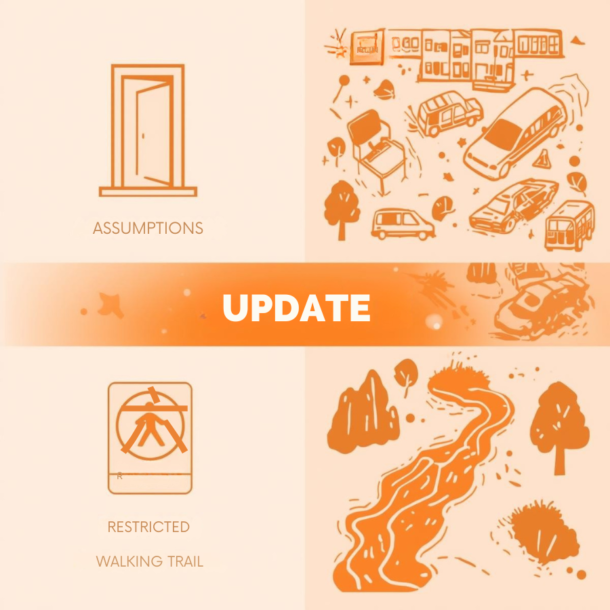 Visitors experience parks, outdoor recreation sites, wildlife areas, and nature based facilities through the lens of expectations. They arrive with assumptions about trail conditions, operational hours, safety protocols, wildlife encounters, staffing availability, amenities, and the level of support they will receive if something goes wrong. When communication aligns with these expectations, the visitor experience feels predictable and positive. When the reality on the ground differs from what visitors anticipated, frustration builds quickly. Transparent communication helps prevent this frustration by preparing visitors for what they will encounter and giving them enough information to make informed decisions before and during their visit.
Parks and recreation agencies, wildlife agencies, outdoor recreation departments, and park districts increasingly face public pressure to operate like high service organizations. Visitors expect clarity at every step, especially when planning digital itineraries from home. Transparent communication is not just a courtesy. It is a foundational part of visitor safety, public trust, organizational credibility, and operational efficiency. When agencies communicate openly about conditions, constraints, and changes, visitors respond with more patience, better cooperation, and fewer complaints.
Transparent communication also helps agencies steward natural resources more effectively. When people understand why certain rules exist or why an area is closed, they are more likely to accept limitations without resentment. A transparent system transforms communication from reactive problem solving into proactive expectation management.
The sections that follow explore how agencies can use clear, honest, and timely communication to strengthen visitor relationships across every stage of the outdoor experience.
Why Transparency Shapes Visitor Satisfaction
Visitors evaluate their experiences based on the match between expectations and reality. If they expect a crowded trail but find a quieter environment, they feel pleasantly surprised. If they expect clear signage but encounter confusion, they feel misled. The emotional outcome depends largely on how accurately the agency set expectations beforehand. Transparent communication helps bridge this gap by aligning visitor assumptions with the agency’s operational reality.
Parks and recreation agencies often observe that small moments of mismatch can lead to disproportionate frustration. A closed restroom, a full parking lot, or an unexpectedly icy trail can sour an experience that would otherwise have been enjoyable. Wildlife agencies see similar patterns when visitors anticipate animal sightings or photo opportunities that are never guaranteed. Outdoor recreation departments experience tension when visitors expect well maintained surfaces or open facilities that must close due to weather. Park districts hear concerns from families when program availability shifts mid season.
Transparency reduces disappointment because it replaces assumptions with informed understanding. It also signals respect. When agencies communicate openly, visitors feel included rather than dismissed. This fosters goodwill and helps agencies uphold their responsibility to protect land, wildlife, and community well being.
From Trails to Tweets: Effective Communication Strategies for Parks, Recreation, Outdoors, and Wildlife Agencies
This article is part of our series on strategic communication for Parks, Recreation, Outdoors, and Wildlife agencies. To learn more and to see the parent article, which links to other content just like this, click the button below.
Understanding What Visitors Expect Before They Arrive
Every visitor brings assumptions shaped by past experiences, online reviews, marketing materials, social media, and their own knowledge of outdoor spaces. Parks and recreation agencies need to understand these assumptions to improve how they design transparency systems. For example, first time visitors often overestimate available amenities or underestimate environmental risks. Wildlife agencies see visitors expect animal presence on demand, not recognizing natural unpredictability. Outdoor recreation departments observe that many people assume trails are always safe, well marked, or open, even during seasonal transitions. Park districts find that families often assume programs will run smoothly even when staffing or weather disrupts schedules.
Transparent communication helps reset these expectations before visitors leave home. Agencies can clarify what is typical, what is temporary, and what visitors should prepare for. This includes information about seasonal challenges, staffing limitations, unpredictable conditions, and policy enforcement. Visitors who understand the environment more accurately bring a cooperative, flexible mindset. They arrive better equipped to adapt, which improves both satisfaction and safety.
Understanding visitor expectations also helps agencies identify communication gaps. If visitors frequently ask the same questions, misunderstand certain guidelines, or express recurring frustrations, the agency gains insight into where transparency can improve.
The Role of Pre-Arrival Communication
Pre-arrival communication is one of the most effective tools for managing expectations. It shapes how visitors plan, what they pack, who they bring, and how they mentally prepare for the experience. Parks and recreation agencies often rely on this communication to set the tone for a visit long before someone reaches a trailhead. Wildlife agencies use it to reduce risky behaviors by explaining when animals are active or when certain areas require extra caution. Outdoor recreation departments communicate weather risks, seasonal closures, maintenance schedules, and surface conditions. Park districts prepare families by clarifying program details, facility restrictions, or accessibility considerations.
Transparent pre arrival communication helps visitors make realistic decisions. If a parking lot fills early, an agency can encourage off peak hours. If a trail is muddy or icy, visitors can choose appropriate gear or adjust their plans. If an area is under restoration, visitors understand why certain routes are blocked. This transparency reduces surprises and fosters positive attitudes, even when the information may be inconvenient.
Effective pre arrival communication also reduces staff burden. When visitors know what to expect, they ask fewer repetitive questions and require less on site direction. This allows staff to focus on safety, maintenance, stewardship, and high value interactions.
Why Transparency Matters Most During Peak Seasons
Peak seasons amplify both visitor expectations and communication challenges. Crowding, long wait times, parking shortages, safety concerns, and limited staffing can easily strain the visitor experience if not addressed proactively. Transparent communication helps reduce this strain by preparing people for realities they will encounter during busy periods.
Parks and recreation agencies rely on transparency when summer visitation spikes. They communicate expected crowd levels, offer alternative access points, and share wait time estimates. Wildlife agencies manage expectations during migrations or seasonal animal activity when some areas may close to protect species. Outdoor recreation departments prepare visitors for winter hazards, fall leaf season congestion, and shoulder season instability. Park districts experience heavy demand during school breaks, holiday programming, and community events when facilities may reach capacity.
When agencies acknowledge these realities openly, visitors are more accepting. Transparency reduces frustration because it gives people the information needed to adjust their timing, routes, and expectations. Visitors feel more respected when agencies acknowledge the inconvenience rather than ignoring it.
Transparent communication helps protect natural resources during peak use as well. When visitors understand why certain limitations exist, they are more willing to follow them.
Using Transparency to Reduce Visitor Frustration
Frustration often emerges when expectations and reality diverge. Visitors may be fully capable of adapting to difficult conditions or unexpected limitations, but only if they feel the agency communicated those realities honestly and early. Parks and recreation agencies frequently encounter tension around parking, restrooms, or weather dependent amenities. Wildlife agencies handle concerns when visitors expect guaranteed sightings or unrestricted access to sensitive habitats. Outdoor recreation departments experience pushback when trails close suddenly for safety. Park districts hear frustration from families when capacity limits or staff shortages affect programs.
Transparent communication reduces these pressure points by acknowledging them openly. When visitors see an agency explain why something is limited or unavailable, they perceive fairness rather than indifference. Even brief messaging, such as “Parking fills by 10 a.m.” or “Expect slower conditions due to ice,” helps visitors adjust mentally before encountering the issue. This shift in mindset changes the entire tone of their visit. Transparent communication does not eliminate constraints, but it reduces emotional escalation by aligning expectations with reality.
Visitors are far more forgiving of challenges when they understand the reasons behind them. Transparency transforms inconveniences into understandable tradeoffs.
How Transparency Supports Safety and Responsible Behavior
Clear, honest communication improves safety by shaping visitor behavior. When visitors understand the real conditions of an environment, they make decisions that protect themselves, their families, and natural resources. Parks and recreation agencies rely on transparency during storms, extreme heat, or trail hazards. Wildlife agencies use it to explain animal behavior patterns so visitors avoid dangerous interactions. Outdoor recreation departments use transparent messaging to help hikers prepare for snow, ice, flooding, or rockfall. Park districts use it to clarify facility rules so parents and guardians can keep children safe.
Transparency enhances safety because it reduces guesswork. Visitors who know what they are walking into are less likely to take unnecessary risks. Telling them “Surface conditions are icy beyond mile two” is more effective than a general caution sign. Transparency also maintains trust during closures or restricted access. When an agency explains why a route is closed, visitors are less likely to ignore barriers or circumvent rules.
Responsible behavior is more likely when visitors feel informed rather than policed. Transparency reinforces that the agency and the public share a common goal.
The Importance of Explaining the “Why” Behind Regulations
Visitors respond differently when they understand the reasoning behind a rule. Without explanation, rules can feel arbitrary, excessive, or unwelcoming. A visitor who sees a sign reading “Area Closed” may assume the agency is restricting enjoyment unnecessarily. The same visitor, presented with “Area closed to protect nesting habitat,” feels informed and engaged rather than excluded.
Wildlife agencies rely heavily on this principle when communicating about sensitive species or seasonal protections. Parks and recreation agencies apply it to trail management, fire restrictions, or restoration work. Outdoor recreation departments use it to explain hazard mitigation or risk zones. Park districts rely on it when communicating program policies or facility limitations.
Agencies that make the “why” clear build a more cooperative visitor community. They shift rule following from obligation to shared stewardship. When visitors understand the purpose behind a regulation, compliance increases and resentment decreases. Transparency humanizes the agency’s role, signaling that the organization is not simply enforcing rules but making thoughtful decisions rooted in safety, conservation, and community wellbeing.
How Transparency Strengthens Trust and Public Perception
Trust is a powerful determinant of visitor behavior. Agencies that communicate openly tend to experience smoother operations because the public views them as credible and considerate. Visitors judge transparency not only by what agencies say but by how consistently they communicate across platforms. When the tone, detail level, and clarity remain stable between digital announcements, on site signage, and staff interactions, agencies build a reputation for reliability.
Parks and recreation agencies observe stronger visitor cooperation when communication is steady and predictable. Wildlife agencies gain trust when they acknowledge uncertainty or unpredictability in natural environments rather than overstating guarantees. Outdoor recreation departments build credibility when they provide candid updates about maintenance delays, weather impacts, or seasonal risks. Park districts strengthen relationships with families when they communicate changes with care, even when the news is inconvenient.
Transparency also affects community perception during crises. When agencies communicate honestly during emergencies, the public tends to support decisions even if they involve closures or restrictions. Trust makes visitors more patient, more understanding, and more willing to adapt.
Agencies that invest in transparent communication ultimately benefit from higher public confidence and fewer confrontational interactions.
Transparent Communication Across Multiple Channels
Visitor expectations are increasingly shaped by digital communication. Websites, mobile apps, social media, QR codes, email updates, and reservation systems all influence how visitors understand site conditions. This makes it essential for agencies to align transparency across platforms so messages do not conflict or leave gaps.
Parks and recreation agencies often depend on digital updates to share real time changes. Wildlife agencies use digital alerts to communicate migration updates, habitat closures, or animal activity patterns. Outdoor recreation departments rely on digital channels for hazard notices and trail condition reporting. Park districts use digital tools to keep families informed about programs, schedules, and facility status.
Transparent communication works best when every channel reinforces the same message. If a website states a trail is closed while a kiosk sign says it is open, visitors lose confidence. If an alert appears in one location but not another, confusion spreads. Agencies must treat channels as interconnected rather than independent.
This alignment gives visitors a consistent understanding of what to expect and reduces the kind of misunderstandings that lead to disappointment or conflict.
Navigating Uncertainty: Transparency When Conditions May Change
Outdoor environments are dynamic. The weather shifts quickly. Trail surfaces degrade faster than expected. Wildlife behavior becomes unpredictable. Staffing levels fluctuate. Infrastructure repairs take longer than planned. Because uncertainty is unavoidable, transparent communication helps agencies reduce frustration when conditions change with little warning.
Parks and recreation agencies often rely on candid messaging to prepare visitors for daylight limitations, seasonal transitions, or maintenance delays. Wildlife agencies face uncertainty tied to animal movement and habitat disruption. Outdoor recreation departments must adapt plans when storms reshape trails or create hazard zones. Park districts contend with facility interruptions caused by equipment failures or unexpected crowding.
Transparency does not require perfect predictions. It requires acknowledging the possibility of change. When agencies say, “Conditions may shift throughout the day,” visitors remain flexible. When agencies explain that a trail could close if ice thickens or if wildlife appear, visitors understand the reasoning. Transparency sets a tone of shared awareness. It helps visitors accept the unpredictability of natural spaces rather than viewing changes as mismanagement or inconsistency.
Consistency also matters during uncertain periods. Agencies that communicate updates regularly, even when little has changed, reinforce trust. Visitors appreciate knowing that someone is monitoring conditions and will communicate openly when updates are available.
Making Transparency a Core Part of On-Site Signage
On site signage often determines whether visitors feel informed or confused once they arrive. Transparent signage is not only about listing rules. It is about clarifying context so that visitors understand the situation before making decisions that affect safety or enjoyment. Parks and recreation agencies rely on clear signage to describe closures, detours, and limitations. Wildlife agencies use signage to explain habitat protections, migration activity, or seasonal advisories. Outdoor recreation departments depend on signage to describe terrain changes or maintenance work. Park districts use signage to help families navigate facility schedules or program adjustments.
Transparent signage supports decision making when it includes three elements. Visitors need to know what is happening, why it is happening, and what they should do next. A message such as “Bridge closed due to storm damage. Use Forest Loop instead” is far more effective than a simple “Bridge closed.” When visitors understand the reason and the alternative, they perceive the agency as thoughtful rather than restrictive.
Signage must also be predictable. When agencies use similar phrasing, tone, and structure across all outdoor communication, visitors quickly recognize the pattern. Predictability reduces cognitive load and helps people absorb information without hesitation. Clear, transparent signage allows visitors to adapt their plans without feeling blindsided.
The Role of Staff in Setting Expectations
Staff play a significant role in shaping visitor expectations at trailheads, visitor centers, wildlife observation areas, program check in points, and facilities. Even when digital communication is strong, a single staff interaction can reinforce or contradict the visitor’s understanding. Transparent verbal communication helps maintain consistency and builds rapport.
Parks and recreation agencies often train staff to answer questions with candor, especially during peak seasons when conditions change rapidly. Wildlife agencies rely on clear staff communication to prevent risky interactions during animal activity. Outdoor recreation departments depend on staff to redirect visitors when hazards require sudden closures. Park districts use staff to clarify capacity limits, registration questions, or weather related adjustments to youth programming.
Transparency in staff communication requires both clarity and empathy. Staff should acknowledge limitations, explain reasons, and offer alternatives when possible. Visitors respond well to honesty, even when the news is inconvenient, because it reinforces the idea that the agency values their experience.
Training helps staff adopt a consistent tone. This reduces miscommunication and prevents mixed messages across the site. When staff communicate transparently, visitors perceive the agency as unified and reliable.
Transparency in Digital Alerts and Real-Time Messaging
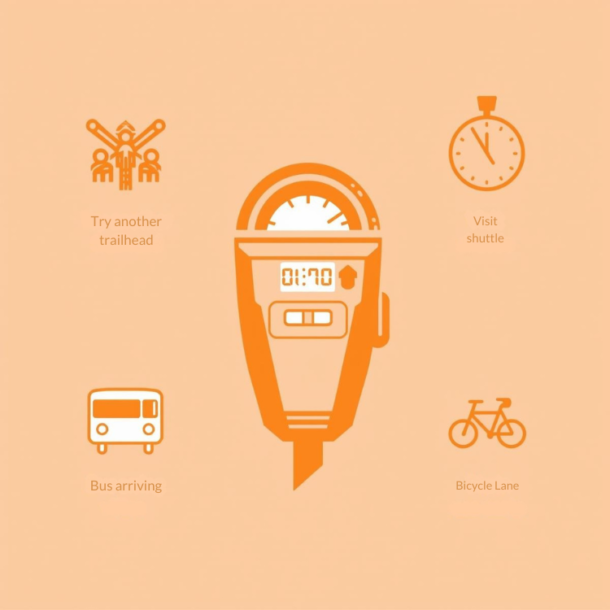 Real time communication has become an essential expectation among visitors. Many people check social media for updates, rely on push notifications, or scan QR codes posted throughout sites. Transparent digital messaging helps agencies stay ahead of frustration during rapidly changing conditions.
Parks and recreation agencies use real time messaging to announce closures, share parking capacity, and issue weather alerts. Wildlife agencies use digital updates to communicate animal sightings, restricted zones, or migration related advisories. Outdoor recreation departments rely on real time tools to describe trail conditions, avalanche danger, or flood risk. Park districts use them to share program modifications, facility availability, or important reminders for families.
Transparency in real time messaging means providing clear, concise information that is easy to interpret. Visitors do not need elaborate explanations during urgent moments. They need immediate awareness. Statements such as “Trail closed due to flooding. Reopening expected tomorrow afternoon” provide clarity and reduces speculation.
Digital transparency also helps agencies reach visitors who are already on site. When messages update frequently and consistently, visitors feel more connected to the agency and more prepared to navigate changes.
Why Honest Fee and Operational Information Reduces Complaints
Visitors are highly sensitive to surprises involving cost or access. Hidden fees, unexpected closures, or unclear reservation requirements are among the most common sources of dissatisfaction. Transparent communication helps agencies reduce these conflicts by setting expectations early.
Parks and recreation agencies benefit from explaining parking fees, permits, or equipment rental costs in plain language. Wildlife agencies avoid confusion by clarifying rules for photography permits or restricted access zones. Outdoor recreation departments reduce complaints when they share trail pass requirements or reservation needs upfront. Park districts help families plan accurately when they communicate program fees, age requirements, or cancellation policies without ambiguity.
Honest communication is not about emphasizing limitations. It is about preventing misunderstandings. When visitors know what to expect, they can prepare financially and psychologically for the experience. Transparent fee communication signals fairness, reduces tension with staff, and minimizes the perception that the agency is withholding information.
Transparent Communication During Operational Disruptions
Operational disruptions challenge even the strongest communication systems. Unexpected closures, staffing shortages, damaged infrastructure, and shifting environmental conditions can alter the visitor experience instantly. Transparent communication helps agencies manage these moments by acknowledging disruptions openly, clarifying what visitors should expect, and offering guidance that reduces confusion and frustration. Parks and recreation agencies, wildlife agencies, outdoor recreation departments, and park districts all encounter operational challenges that require calm, honest communication.
The subsections below strengthen this part of the article by showing how agencies can manage disruptions with clarity and care.
Communicating Last-Minute Closures Clearly and Calmly
Last-minute closures tend to generate intense frustration when visitors do not understand why access changed so quickly. Whether a trail is washed out, a wildlife viewing area becomes unsafe, or a facility experiences a sudden equipment failure, visitors respond better when the explanation is direct and timely.
Wildlife agencies often face abrupt closures when animals move into high traffic areas or when nesting sites become vulnerable. Parks and recreation agencies may need to shut down restrooms, picnic areas, or trails with no advance notice due to damage. Outdoor recreation departments frequently close routes after storms or freezing temperatures. Park districts sometimes cancel programs unexpectedly due to instructor absences or safety concerns.
Communicating these changes calmly requires three elements. The message must state what happened, why it happened, and what visitors can do next. Even a short explanation restores a sense of fairness. Clear, steady communication reinforces that the agency is acting responsibly rather than withholding information.
Setting Fair Expectations When Repairs or Delays Take Longer Than Anticipated
Repairs often extend beyond original timelines. What an agency expects to resolve in days may take weeks due to contractor availability, environmental conditions, or supply chain issues. Visitors lose patience quickly when timelines shift without explanation.
Parks and recreation agencies can reduce frustration by providing honest updates about progress and obstacles. Wildlife agencies benefit from explaining ecological factors that influence repair timing. Outdoor recreation departments may need to emphasize safety evaluations or additional trail reinforcement. Park districts often face delays in facility repairs or community space improvements that require multiple approvals.
When agencies communicate delays openly and avoid overly optimistic timelines, visitors adjust their expectations. Saying “Work is taking longer due to safety inspections” feels more credible than repeatedly shifting reopening dates. Transparency in delays strengthens, rather than weakens, public trust.
Helping Visitors Navigate Alternative Options
Visitors are far more accepting of disruptions when they are given alternatives. A canceled program or closed area feels less disappointing when the agency helps them pivot toward a comparable experience. This is especially important for families, tourists, and first time visitors who may not know the environment well enough to adjust plans independently.
Parks and recreation agencies can suggest nearby trails, quieter picnic areas, or different access points. Wildlife agencies can redirect visitors to viewing platforms or offer timing recommendations for better animal activity. Outdoor recreation departments may present secondary routes or safer seasonal choices. Park districts can guide families toward alternate program sessions or open facilities.
Alternatives reduce tension because they signal that the agency understands visitor needs and is invested in their experience. Even when options are limited, the act of acknowledging them improves visitor perception.
Coordinating On-Site and Digital Messaging During Disruptions
Confusion grows when onsite signs, websites, social posts, and staff explanations do not match. During disruptions, alignment between digital and physical communication becomes essential. Visitors quickly lose trust when information conflicts.
Parks and recreation agencies often update signs slower than digital platforms, which can create mismatches. Wildlife agencies sometimes rely heavily on rangers to share updates while digital channels lag behind. Outdoor recreation departments may update websites quickly but lack signage at remote trailheads. Park districts may have accurate social media posts but outdated facility notices.
Coordinating these channels requires predictable workflows. Updates must be pushed through all platforms simultaneously or as close in timing as possible. Signs should be refreshed promptly, even if the message is temporary. Staff must receive the same updates that appear online so they do not unintentionally contradict official messaging.
When all channels reflect the same transparent updates, visitors feel guided rather than confused.
Managing Visitor Emotions When Plans Change Unexpectedly
Disruptions trigger emotional responses because people invest time, effort, and anticipation into outdoor experiences. Families rearrange schedules. Travelers drive long distances. Children arrive excited for programs or play spaces. When something changes without warning, disappointment can turn into tension quickly.
Transparent and empathetic communication helps calm these emotions. Staff can acknowledge the inconvenience directly and validate the visitor’s frustration while explaining the cause. Parks and recreation agencies often train staff in de-escalation techniques for these moments. Wildlife agencies use empathetic communication to help visitors understand the importance of protecting animals. Outdoor recreation departments rely on calm wording to guide hikers or skiers away from hazards. Park districts use supportive language when programs cancel unexpectedly.
Visitors respond better when they feel heard. Even brief statements like “We know this is disappointing, and we appreciate your understanding” soften reactions. Transparency paired with empathy turns a negative moment into a manageable one.
Preparing Visitors for Capacity Limits and High-Demand Days
Capacity limits are among the most common reasons visitors feel disappointed or frustrated. When people arrive excited for a hike, wildlife viewing opportunity, or community event only to be turned away, their experience is shaped almost entirely by how well the agency communicated beforehand.
Transparent communication helps set realistic expectations for crowding patterns, reservation requirements, and peak timing. Parks and recreation agencies often share capacity forecasts during busy summer weekends or holiday periods. Wildlife agencies communicate visitor limits in sensitive viewing areas to protect both animals and people. Outdoor recreation departments announce reduced capacity when parking lots, trailheads, or backcountry permit systems reach their limits. Park districts help families by clarifying event registration caps or waitlist processes.
Sharing information like “Parking typically fills by 9 a.m.” or “Event registration closes early due to demand” helps visitors plan around constraints. When people understand the conditions, they are far more accepting of limitations. Transparency transforms capacity challenges from unexpected barriers into manageable realities.
It also strengthens stewardship. Visitors who understand why limits exist view them as protective rather than restrictive.
Using Transparency to Build Long-Term Community Relationships
Transparent communication has lasting effects beyond the immediate visitor experience. It builds a deeper sense of partnership between the public and the agencies responsible for managing parks, wildlife areas, and natural spaces. When visitors consistently receive honest, timely information, they begin to view the agency as responsive and trustworthy.
Parks and recreation agencies often rely on this trust when introducing new programs or facility improvements. Wildlife agencies benefit from transparency when implementing conservation measures or closing areas to protect species. Outdoor recreation departments depend on public trust during hazardous seasons when safety decisions must be respected quickly. Park districts rely on consistent communication to maintain community support for events, programming, and long term planning.
Transparency nurtures a collaborative relationship. Visitors ask better questions, share more accurate feedback, and become advocates rather than critics. They view the agency as a partner rather than a gatekeeper. Over time, this credibility expands the organization’s ability to manage complex issues, respond to crises, and introduce new initiatives.
A transparent communication system does more than manage expectations. It strengthens community connection.
Digital Transparency: How Technology Supports Visitor Understanding
Technology plays an increasingly important role in how visitors form expectations. Websites, mobile apps, QR code platforms, and social media updates shape the public’s understanding of site conditions long before they arrive. Digital transparency ensures these sources present accurate, up to date information in clear language.
Parks and recreation agencies use digital platforms to provide real time maps, facility updates, and safety alerts. Wildlife agencies share information about animal behavior patterns or temporary closures due to nesting or migration. Outdoor recreation departments use digital tools to show trail conditions, avalanche warnings, or seasonal restrictions. Park districts rely on digital calendars and program registration systems to help families navigate activity schedules.
Digital transparency works best when agencies provide information that is relevant, timely, and consistent across channels. Visitors quickly lose trust when one source contradicts another. Agencies that update digital platforms regularly demonstrate reliability and reduce confusion at trailheads or facilities.
Technology also increases equity. Visitors who cannot easily engage with staff in person or who have limited familiarity with outdoor environments benefit from clear, transparent information they can review in advance.
How Transparency Shapes Word-of-Mouth and Social Credibility
In the digital era, visitor expectations spread beyond the site itself. Reviews, social media posts, and community recommendations significantly influence how new visitors perceive parks and recreational environments. Transparent communication shapes this conversation by setting the tone for how people describe their experiences.
Parks and recreation agencies that communicate clearly often see positive word of mouth even during difficult conditions. Wildlife agencies gain credibility when visitors share explanations of why certain areas were closed. Outdoor recreation departments benefit when hikers appreciate honest hazard updates. Park districts see stronger community engagement when families feel informed and respected.
Transparency also reduces misinformation. Visitors who receive accurate updates are less likely to speculate, complain publicly, or spread confusion. Instead, they become informal ambassadors who help clarify expectations for others.
Clear, honest communication guides not only the visitor experience, but the public narrative surrounding an agency’s work.
Strategic Communication Support for Your Parks and Recreation Agency
 Transparent communication is most effective when it is supported by intentional systems, clear processes, and structured decision making. Stegmeier Consulting Group (SCG) helps parks and recreation agencies, wildlife agencies, outdoor recreation departments, and park districts build communication frameworks that align visitor expectations with operational realities. People at these agencies often choose to partner with an external resource like SCG because they want communication systems that are reliable, consistent, and easy for both staff and visitors to follow.
SCG works with agencies to identify where misunderstandings occur, where information is incomplete, and where visitors tend to feel confused or misled. These insights guide the development of communication plans that clarify what visitors should expect before, during, and after their experience. SCG also helps agencies strengthen their digital presence, refine signage language, improve staff messaging consistency, and build internal workflows that support timely updates during rapidly changing conditions.
The goal is not simply to share more information. It is to create communication patterns that reduce frustration, support safety, and enhance visitor satisfaction. Transparent communication becomes a strategic asset when it is embedded into the agency’s daily operations and long term planning. SCG helps agencies create that level of alignment so their teams can communicate clearly, confidently, and collaboratively.
Conclusion
Visitor satisfaction depends heavily on whether expectations match reality. Transparent communication bridges this gap by giving visitors the information they need to plan effectively, respond to changing conditions, and feel confident in their decisions. Parks and recreation agencies, wildlife agencies, outdoor recreation departments, and park districts benefit from transparency because it reduces conflict, improves safety, and strengthens public trust.
Transparency also helps visitors understand the complexities that agencies manage. When people learn why a trail must close, why capacity is limited, or why conditions change quickly, they are more willing to adapt. Clear communication cultivates patience and encourages responsible behavior. It also supports long term community relationships because visitors begin to view the agency as dependable and collaborative rather than distant or inconsistent.
When agencies prioritize transparency in their messaging, they build environments where expectations are clear, frustrations are minimized, and visitors feel respected. Transparent communication strengthens every part of the visitor journey and supports agencies in fulfilling their mission to protect people, wildlife, and natural spaces.
SCG’s Strategic Approach to Communication Systems
Align your agency’s messaging, processes, and public engagement strategies
Agencies that communicate effectively build stronger trust with staff, stakeholders, and the public. Whether you are implementing QR code systems, improving internal communication workflows, or strengthening agency wide alignment, SCG can help you develop a communication system that supports consistent decision making and long term organizational success. Use the form below to connect with our team and explore how a strategic communication framework can elevate your agency’s impact.