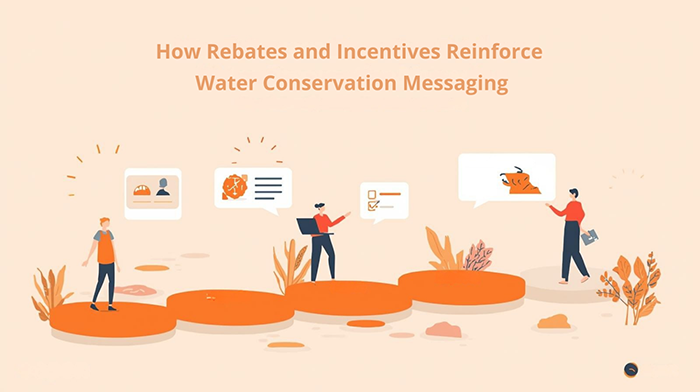
How Rebates and Incentives Reinforce Water Conservation Messaging
 Water conservation districts, water management agencies, irrigation districts, and watershed organizations increasingly rely on public participation to achieve long term efficiency goals. Communication alone can raise awareness, yet many residents respond more strongly when conservation messaging is paired with meaningful incentives. Rebates, cost savings, and convenience centered programs help people see how personal benefits align with broader community outcomes. This alignment transforms messaging from general guidance into a practical opportunity for action.
Agencies also recognize that incentives help remove financial, informational, and logistical barriers that often prevent residents from adopting new practices. Many community members support conservation in principle but lack the resources or confidence to make changes. Water conservation districts regularly observe that participation rises when conservation actions feel achievable rather than overwhelming. When agencies communicate clearly about rebates or incentive programs, the public can see a direct pathway from awareness to participation. This clarity reduces hesitation and strengthens trust.
Water conservation is most effective when communication, incentive design, and community values work together. Incentives help connect personal decisions to shared environmental goals without relying on fear based messaging. When incentive information remains consistent across digital channels, mailed notices, community meetings, and field staff interactions, agencies create systems that encourage long term behavior change. This article explores how well structured incentive programs reinforce conservation communication and help diverse communities adopt water saving practices with confidence.
Why Incentives Strengthen Conservation Communication
Incentives help bridge the gap between understanding conservation messages and acting on them. Water conservation districts often find that residents agree with efficiency principles but need additional motivation to make meaningful changes. Rebates for high efficiency irrigation equipment, low flow fixtures, soil moisture sensors, or drought tolerant landscaping give households and growers a financially accessible way to support conservation goals. These programs offer immediate personal benefits, which makes the broader conservation message feel more relevant and attainable.
Watershed organizations use incentives to reduce water withdrawal in sensitive basins by encouraging practices that protect streamflow and groundwater stability. When incentives align with ecological goals, residents gain a clearer understanding of how daily household or agricultural decisions affect watershed health. This alignment strengthens the emotional connection to conservation and reinforces how individual actions contribute to regional water resilience.
Water management agencies also notice that incentives increase message credibility. When agencies invest in programs that help people take action, the public interprets the messaging as cooperative rather than directive. This shared responsibility model builds trust and encourages long term participation. Incentives demonstrate that the agency acknowledges the effort required to adopt water efficient practices and is willing to support residents through that transition.
From Scarcity to Sustainability: Effective Communication Strategies for Water Conservation Agencies
This article is part of our series on strategic communication for Water Conservation Special Districts and Public Water and Sewer Utilities. To learn more and to see the parent article, which links to other content just like this, click the button below.
Designing Incentives That Support Long Term Behavior Change
Effective incentive programs provide more than short term rebates. They help shape new habits that last. Water conservation districts design these programs by identifying which behaviors produce the greatest water savings and which barriers prevent people from adopting them. Rebates for weather based controllers, leak detection devices, turf replacement, or soil improvement projects promote lasting conservation because they replace outdated systems with more efficient, permanent solutions.
Watershed organizations often pair incentives with educational materials that explain the ecological importance of reduced water use. Residents learn how efficient practices support groundwater recharge, maintain streamflow, and protect aquatic species. This pairing deepens the meaning behind conservation requests. Irrigation districts use similar strategies by offering field demonstrations, technical guidance, or vendor lists that help residents or growers understand exactly how to make improvements.
Agencies must also balance accessibility with impact. Incentives that are too complex or too narrow may limit participation. Incentives that are easy to understand, easy to apply for, and clearly linked to conservation outcomes produce the strongest results. When residents see how incentives reinforce conservation messages, they adopt behaviors that continue long after drought conditions end.
Aligning Incentives With the Way Residents Make Decisions
Incentive programs work best when they reflect how people naturally evaluate choices. Residents often weigh convenience, cost, and personal benefit before adopting new water saving behaviors. Water conservation districts can strengthen their messaging by designing incentives that reduce friction during the decision making process. When a rebate lowers the upfront cost of efficient appliances, irrigation upgrades, or drought tolerant landscaping, residents feel more confident acting on conservation guidance. This reduces hesitation and increases adoption across diverse neighborhoods.
Watershed organizations frequently observe that people respond strongly to communication that highlights both personal benefit and environmental impact. When incentives frame cost savings alongside the ecological value of reduced water use, residents develop a clearer sense of purpose. Irrigation districts apply this approach by showing how efficiency upgrades help stabilize groundwater levels, support agricultural resilience, or reduce pressure on aging infrastructure. When the messaging and the incentive program reinforce each other, motivation increases for both short term and long term behavior change.
Agencies can also strengthen participation by designing incentives that address specific barriers. Some households want to conserve water but are unsure how to begin. Others may worry about installation complexity or aesthetic changes. Incentive programs that provide guidance, templates, approved vendor lists, or technical support help remove these obstacles. When communication and incentives work together, residents feel supported rather than overwhelmed, which leads to more consistent conservation behavior.
Using Incentives to Reach Underserved or Underrepresented Communities
Water conservation is most successful when every household has access to the tools and resources needed to participate. Water management agencies recognize that incentives can help reduce inequities by making conservation upgrades more financially accessible. When programs cover a meaningful portion of the cost, underserved communities can participate without carrying disproportionate burdens. This increases participation, helps normalize conservation practices across neighborhoods, and strengthens trust between agencies and the public.
Watershed organizations understand the importance of cultural relevance when developing incentive programs. Some communities may rely on long standing water practices or face structural challenges such as limited access to modern irrigation tools, older plumbing systems, or linguistic barriers. Incentives that acknowledge these realities help ensure that outreach feels respectful, appropriate, and grounded in lived experience. Irrigation districts and similar agencies often bridge communication gaps by providing multilingual materials, community based workshops, or partnerships with trusted local groups.
Additional ways to strengthen equity within incentive outreach:
-
Create tiered rebates tailored to income levels or household size.
-
Offer added assistance for renters or mobile home residents who may not control property level decisions.
-
Provide mobile enrollment support or neighborhood pop up events to help residents complete applications.
When incentive structures reflect the diverse needs of the community, participation grows and conservation outcomes improve.
Addressing Structural Barriers That Limit Participation
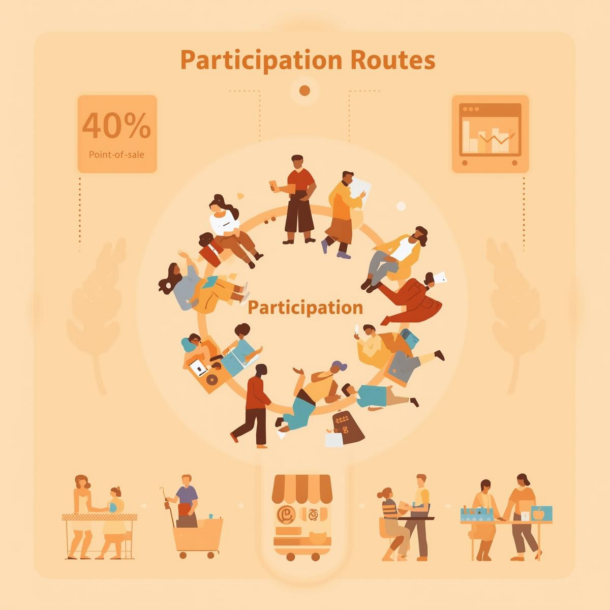
Structural challenges often shape whether residents can participate in conservation incentive programs. Households in underserved areas may rent rather than own their homes, lack access to upfront funds, or navigate language barriers that make program materials difficult to understand. Water conservation districts can strengthen equitable participation by designing incentives that acknowledge these realities and offer flexible, accessible pathways for involvement. This may include point of sale discounts that eliminate reimbursement delays, landlord focused guidance for rental properties, or multilingual outreach that explains eligibility and application steps clearly.
Watershed organizations and regional water authorities frequently collaborate with neighborhood associations, cultural groups, and local nonprofits to bridge trust gaps. When residents receive information through familiar, community rooted channels, they are more likely to see the incentive program as supportive rather than bureaucratic. These partnerships help agencies deliver consistent and culturally grounded communication, ensuring that residents understand how to participate without feeling overwhelmed by paperwork or technical requirements.
By reducing these structural barriers, agencies help residents experience incentive programs as genuine opportunities. This strengthens both conservation outcomes and long term trust between communities and the organizations that serve them.
Building Trust Through Community-Based Outreach
Trust heavily influences whether residents choose to participate in incentive programs. Neighborhoods that have experienced inconsistent communication, limited access to public resources, or prior frustration with government processes may be skeptical of conservation offers even when they provide financial benefits. Water conservation districts can address this skepticism by working directly with community centers, faith based groups, schools, and cultural organizations that residents already rely on for information.
Watershed organizations support this work by meeting residents where they are. This can include attending neighborhood meetings, hosting pop up information booths at libraries or local events, and offering one on one support for residents who need help navigating the process. These personal interactions give staff the chance to explain why conservation matters, how incentives work, and what benefits residents can expect to see.
Community based outreach not only increases program participation. It also builds long term relational trust. When residents consistently see approachable staff, clear communication, and follow through on commitments, they gain confidence in both the incentive program and the agency behind it.
Tailoring Incentives to Reflect Cultural and Household Needs
Incentives are most effective when they align with the daily water use patterns and cultural practices of the communities they serve. Water conservation districts can strengthen program relevance by designing incentives that support, rather than disrupt, valued traditions. Some households may rely on outdoor gathering spaces or seasonal gardens. Others may live in multigenerational homes with higher baseline water needs. Programs that acknowledge these differences avoid unintentionally excluding or disadvantaging certain groups.
Watershed organizations often observe that standard incentives do not always meet the needs of larger or culturally diverse households. Agencies can broaden relevance by offering flexible rebate tiers, customized guidance, or supplemental materials aimed at different household structures. Irrigation districts can provide examples that show how conservation upgrades work in various contexts, helping residents visualize the benefits without feeling pressured to make abrupt changes.
When agencies design incentives that reflect cultural norms and household realities, they reinforce a sense of respect and inclusion. This increases participation and improves the likelihood that conservation behaviors will remain consistent over time.
Reinforcing Agency Credibility Through Incentive Programs
Rebate and incentive programs strengthen agency credibility because they show that water conservation districts are not simply encouraging the public to conserve, they are investing in the very behaviors they promote. When a district offers financial support for irrigation upgrades, fixture replacements, soil moisture sensors, or drought tolerant landscaping, residents see that the district acknowledges both the cost and effort required to make meaningful changes. This signals partnership rather than prescription. It communicates that conservation is a shared responsibility supported by shared investment.
Water management agencies reinforce this credibility by presenting conservation incentives as part of a long term strategic plan rather than a temporary response. By showing how efficient irrigation systems reduce seasonal stress on well levels or how native landscaping minimizes outdoor demand, districts demonstrate the structural impact of household-level decisions. Watershed organizations often support this point by presenting data summaries that link regional participation in rebate programs to measurable improvements, such as reduced peak-demand curves or slower groundwater decline during dry months. These connections give residents confidence that their actions matter and that the agency’s programs are rooted in practical results.
Irrigation districts deepen credibility even further by sharing real examples from early adopters. When residents hear from peers about reduced monthly bills, easier watering schedules, or improved plant health after adopting incentive-supported upgrades, the agency’s messaging feels more authentic. These stories humanize conservation and help residents visualize success. Over time, the district becomes recognized not only as a regulatory authority, but as a partner actively helping households use water wisely.
As credibility grows, communication becomes more effective. Residents interpret updates with less skepticism, comply more readily with seasonal restrictions, and remain engaged even when drought conditions intensify. Incentives therefore serve both behavioral and relational functions. They help generate measurable water savings while building long term trust between the district and the community it serves. This trust is essential for sustained conservation outcomes across wet years, dry years, and everything in between.
How Incentives Turn Awareness Into Action
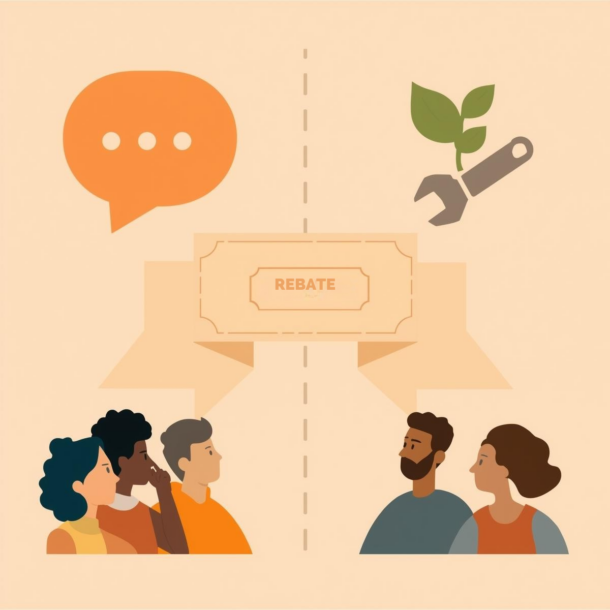 Awareness alone rarely produces meaningful water savings. Many residents fully understand the importance of conservation but struggle to translate that understanding into concrete steps. Water conservation districts often see this disconnect when outreach campaigns succeed at raising awareness but fail to generate measurable reductions in water use. Incentives bridge this gap by providing a clear pathway from message to action.
Water management agencies find that incentives help overcome both practical and psychological obstacles. A rebate removes cost barriers. A curated vendor list reduces decision fatigue. A simple application process makes participation manageable. When incentives reduce friction at each stage of the decision-making process, residents become far more likely to act on what they have learned.
Watershed organizations also observe that incentives help visitors move beyond passive agreement into active participation. While people may agree with conservation messaging in principle, taking the first step can still feel daunting. Incentives lower the perceived risk of trying something new. A resident may hesitate to convert their landscaping or replace an irrigation controller without support, but a rebate signals that the district stands behind the change and is willing to invest in it. This reduces hesitation and builds confidence.
Irrigation districts further reinforce this transition by pairing incentives with hands-on guidance such as how-to videos, pamphlets, contractor checklists, and demonstration gardens. These tools show residents that upgrades are not only worthwhile, but achievable. They provide a roadmap so that each step feels straightforward rather than overwhelming. When agencies provide both motivation and method, behavior change accelerates.
The final stage of this process is normalization. When incentives spark early adoption and agencies visibly highlight participation, conservation behaviors become socially reinforced. Residents begin seeing drought tolerant yards in their neighborhood, hearing about successful upgrades from friends, or encountering agency updates celebrating community progress. Awareness transforms into habit. Participation becomes a norm rather than an exception. In this way, incentives turn individual actions into community-level momentum.
Lowering the Psychological Barrier to First-Time Participation
Many residents intend to practice conservation yet hesitate because the first action feels intimidating. Cost, uncertainty, and lack of technical knowledge all create psychological obstacles. Incentive programs help reduce these emotional barriers by giving residents permission to try something new without feeling exposed to risk.
Water conservation districts often see dramatic increases in participation when incentives provide a safety net. A resident may not feel ready to overhaul their landscape at full price, but a rebate makes the decision feel more reasonable. Similarly, a discount on weather-based irrigation controllers helps residents feel more comfortable experimenting with technology that initially seems complex.
Watershed organizations strengthen this effect by pairing incentives with reassurance. Clear guidance, before-and-after examples, or onsite demonstrations show that the transition is manageable. Irrigation districts often host seasonal events where staff demonstrate efficient irrigation systems or drought tolerant plants. These opportunities give residents a chance to ask questions and build confidence before taking action. Reducing the fear of making the “wrong choice” is often the key that unlocks participation.
Helping Residents See Immediate Benefits From Their Actions
Conservation becomes far more motivating when the results are visible quickly. Incentives shorten the timeline between effort and reward, which increases satisfaction and reinforces continued participation. Water conservation districts frequently highlight reduced monthly bills, improved irrigation performance, or healthier native plants as examples of immediate gains.
Water management agencies also communicate ecological results that emerge from collective incentive adoption, such as stabilized reservoir drawdowns or reduced soil erosion from waterwise landscaping. When residents see how small, individual actions contribute to large, community-wide improvements, their motivation deepens. This combined sense of personal benefit and civic impact strengthens adherence to agency messaging during both moderate and severe drought cycles.
Turning Incentives Into Social Norms That Encourage Community Participation
Social influence plays a powerful role in conservation. When one household adopts incentive-supported upgrades, neighbors notice. Water conservation districts often see participation rise in clusters as residents observe others’ experiences. Seeing a neighbor’s efficient irrigation system or drought tolerant yard reduces uncertainty and normalizes the behavior.
Watershed organizations amplify this effect by sharing community-level participation data, recognizing early adopters, or publicly celebrating progress milestones. Irrigation districts often feature resident stories in newsletters or social media posts. These narratives boost confidence, reduce perceived difficulty, and reinforce conservation as a collective effort.
Over time, incentives become part of the community identity. When efficient irrigation, native landscaping, and leak-responsive households become the norm, adoption accelerates organically. The district’s role becomes one of nurturing ongoing momentum rather than initiating change from scratch each year.
Reinforcing Long-Term Commitment Through Habit Formation
Incentives spark initial participation, but long term water savings require habit formation. Water conservation districts design programs that encourage repeated engagement, such as annual system audits, ongoing seasonal adjustments, or continuous use of smart irrigation controllers. Practices that occur repeatedly, even if small, become ingrained behavioral patterns.
Watershed organizations reinforce these habits by linking personal behaviors to watershed stability, groundwater recharge, and regional drought resilience. Irrigation districts support habit maintenance through recurring reminders, maintenance tips, or updated seasonal watering guidance. These touchpoints prevent backsliding after the initial excitement fades and help residents stay engaged year after year.
Habit-driven conservation becomes the backbone of sustainable water management. Once behaviors become routine, they persist through varying climatic conditions and do not depend solely on short-term messaging campaigns.
Messaging Strategies That Maximize Participation in Incentive Programs
The effectiveness of any incentive program depends on how clearly and consistently it is communicated. Water conservation districts begin by identifying which communication channels their communities rely on most. Some residents prefer email updates, while others respond more strongly to social media, utility bill inserts, or printed materials shared during in-person workshops. Because communities vary in how they prefer to receive information, a multi-channel approach increases both reach and accessibility.
Water management agencies strengthen participation by using benefit-driven messaging that helps residents understand exactly what they gain from taking part. People respond when messages clearly convey practical value such as lower water bills, easier landscape maintenance, healthier plants, or improved resilience during dry seasons. When messaging pairs these personal benefits with broader community outcomes, participation often increases because residents begin to see their role in supporting long-term water stability.
Watershed organizations often expand their messaging by showing how specific incentives support local ecological health. For example, rebates for efficient irrigation controllers can reduce outdoor demand during peak usage periods. This creates a positive impact on creeks, lakes, and groundwater sources. When residents understand that simple upgrades influence entire systems, they connect more meaningfully to the agency’s conservation goals. Irrigation districts support this learning by sharing case studies, photos of successful transformations, or testimonials from participating households. These examples build credibility and encourage others to follow.
Reducing administrative barriers is equally important. Incentive programs must feel approachable, so messaging should emphasize that participation is simple and that support is available. Step-by-step videos, multilingual guides, contractor lists, and application FAQs help residents feel confident about taking the first step. When communication removes friction, residents feel supported rather than overwhelmed. This support is often the deciding factor that moves people from awareness to action.
Leveraging Public Events and Partnerships to Expand Incentive Awareness
Public events give water conservation districts direct opportunities to connect with residents who may not engage through digital or written channels. Workshops, demonstration gardens, conservation fairs, and seasonal community gatherings allow staff to share information in a friendly and accessible way. These events offer residents the chance to see irrigation equipment, soil moisture sensors, or drought-tolerant plants in action. Demonstrations help people understand how upgrades work and reduce uncertainty about installation or maintenance.
Water management agencies strengthen outreach by forming partnerships with nurseries, hardware stores, home improvement centers, and local nonprofits. When rebate information appears where people shop or seek advice, it feels practical and timely. Partnerships also expand the agency’s reach because residents encounter information through multiple familiar sources rather than relying on official channels alone.
Watershed organizations frequently collaborate with schools, neighborhood associations, and cultural groups to distribute materials within trusted community spaces. These partners help agencies connect with households that may face language barriers, digital limitations, or limited exposure to conservation programs. Irrigation districts reinforce this approach by hosting information booths at farmers markets or community festivals where staff can answer questions in real time.
Public events also help address misconceptions. Some residents assume incentives involve complicated paperwork, limited eligibility, or expensive equipment. When staff can speak directly with residents and provide clear explanations, misunderstandings fade. This direct communication often leads to higher participation because residents leave with a better understanding of the program’s value and feasibility.
Measuring the Impact of Incentive-Based Conservation Programs
Evaluation helps water conservation districts understand which programs perform well and which require adjustment. Districts often begin by examining participation rates, geographic patterns, and the types of incentives most commonly redeemed. These metrics reveal which messages resonate with the public and which channels support the strongest engagement.
Water management agencies also assess water savings linked to specific incentive types. Pre- and post-upgrade consumption data helps determine whether efficient irrigation equipment, turf conversions, or indoor retrofits produce measurable reductions. This information guides future investment decisions and supports more targeted communication strategies.
Watershed organizations evaluate ecological outcomes as well. For example, reductions in outdoor water use may improve streamflow conditions or reduce stress on riparian habitats during dry seasons. When agencies can connect incentive participation to ecological benefits, they strengthen community understanding of why conservation programs matter. Irrigation districts often track operational improvements such as fewer peak demand surges or reduced system strain. These improvements provide additional justification for expanding successful incentive categories.
Long-term behavior monitoring is equally important. Some residents may install efficient equipment but fail to maintain it over time. Others may gradually return to past watering habits. Agencies that track sustained engagement, such as ongoing use of smart controllers or recurring participation in conservation audits, gain deeper insight into program durability. These insights help refine communication efforts so programs support ongoing behavior rather than temporary change.
Sharing evaluation results with the community builds credibility. When agencies present transparent data about participation levels and conservation outcomes, residents see that incentives produce real impact and that their contributions matter.
Creating Multi-Layered Outreach Campaigns That Integrate Incentives Seamlessly
The strongest conservation campaigns integrate incentives into all major outreach efforts. Water conservation districts often place rebate information within seasonal watering reminders, drought updates, webpage alerts, newsletters, and customer service materials. This repetition helps residents see incentives as part of a coordinated conservation plan rather than isolated promotions.
Water management agencies may also pair incentive messaging with real-time supply dashboards or conservation progress charts. When residents can see how local reservoirs or groundwater systems respond to reduced demand, it becomes easier to understand how incentive adoption contributes to community resilience. This contextual approach strengthens both motivation and comprehension.
Watershed organizations support integration by featuring incentives during restoration events or educational programs. When residents learn about watershed health while also receiving practical tools to reduce water use, the connection becomes direct and meaningful. Irrigation districts reinforce this connection by timing outreach around key decision points. For example, smart controller rebates may be emphasized before irrigation season begins, while turf conversion incentives may be promoted during planting season. This timing aligns communication with resident behavior patterns, which increases participation.
Multi-layered communication helps residents encounter the same message in different ways, which builds familiarity. Familiar messages are easier to remember and act upon, and they reduce confusion during high-demand or drought-sensitive periods.
Ensuring Incentives Complement, Rather Than Replace, Conservation Messaging
Incentives amplify the power of conservation messaging, but they cannot replace the need for clear explanations about why conservation matters. Water conservation districts must communicate the purpose behind each incentive so residents understand how their participation supports local water reliability.
Water management agencies strengthen understanding by describing how incentives reduce strain on water systems, improve operational stability, or support long-term planning goals. When residents can see the reasoning behind each offering, they interpret incentives as purposeful investments rather than temporary financial perks.
Watershed organizations deepen this clarity by explaining ecological benefits such as healthier streams or reduced habitat stress. Residents respond strongly when they understand how personal actions support broader environmental outcomes. Irrigation districts complement these explanations by offering practical guidance such as installation tips, seasonal maintenance reminders, and troubleshooting resources. These details help residents maintain upgraded systems effectively, which ensures the incentive continues to produce water savings.
The partnership between messaging and incentives is what creates lasting conservation habits. Messaging builds understanding and motivation. Incentives help residents take the first step. Together, they support long-term behavior change and strengthen community stewardship.
Strategic Communication Support for Your Water Conservation District
 Designing effective incentive programs requires clear communication, internal coordination, and a structured understanding of community behavior. Many water conservation districts choose to partner with an external resource like Stegmeier Consulting Group (SCG) because incentives only succeed when they are supported by reliable messaging systems. People often want to conserve water yet feel uncertain about how to begin. When districts communicate with clarity and consistency, incentives become easier to understand and easier to act upon.
SCG helps water conservation districts build communication workflows that ensure messages remain aligned across digital platforms, printed outreach materials, and staff interactions in the field. This alignment reduces confusion because residents receive the same information whether they are speaking with district staff, reading a rebate flyer, or visiting the district website. SCG also supports districts by developing message maps that link incentives to broader water management goals. This helps the public understand why certain incentives exist and how their participation supports long-term resiliency.
Districts also benefit from internal tools that strengthen staff confidence. SCG provides guidance for frontline teams, templates for seasonal conservation messaging, and communication briefings that outline what is changing, why it matters, and how to respond to resident questions. These tools help staff deliver clear, steady information even during periods of heightened scarcity. When staff feel equipped, residents interpret communication more positively and trust increases.
Partnership development is another area where SCG adds value. Incentive programs reach more residents when districts collaborate with nurseries, hardware stores, community organizations, or local leaders who can help promote and explain available rebates. SCG works with districts to identify and cultivate these relationships so incentive messaging becomes more visible and more culturally relevant. This helps ensure equitable participation across neighborhoods with different levels of access, awareness, or financial capacity.
With strong communication systems in place, incentive programs shift from short-term drought responses to long-term conservation tools. SCG helps districts create these systems so their messaging remains clear, coordinated, and community-centered. This foundation supports sustained conservation habits, protects local water supplies, and strengthens trust between districts and the communities they serve.
Conclusion
Rebates and incentive programs play a vital role in helping water conservation districts translate messaging into measurable conservation outcomes. Districts benefit from using incentives because they reduce financial barriers, build credibility, and help residents feel more capable of adopting water-efficient practices. Incentives create a bridge between understanding and action. Messaging informs residents about water shortages or efficiency goals. Incentives provide a concrete way to participate.
The power of incentives comes from their ability to help residents see immediate value in conservation decisions. When participation leads to lower bills, more reliable landscape performance, or reduced household stress, conservation becomes a practical part of daily life. Over time, these personal benefits combine with shared community values to create more resilient conservation habits. This shift supports local water supplies, reduces strain during drought cycles, and strengthens confidence in district services.
Successful conservation outcomes rely on messaging and incentives working together. Incentives give residents a reason to act. Messaging helps them understand why that action matters. When water conservation districts connect these two elements effectively, they build systems that encourage stewardship, prepare communities for future scarcity, and foster long-term trust. These communication foundations create stronger relationships and help districts guide their communities toward sustainable water use practices year after year.
SCG’s Strategic Approach to Communication Systems
Align your district’s messaging, processes, and community engagement strategies
Water conservation districts that communicate effectively build stronger trust with staff, stakeholders, and the communities they serve. Whether you are improving internal communication workflows, refining incentive program messaging, or strengthening district wide alignment, Stegmeier Consulting Group (SCG) can help you develop a communication system that supports consistent decision making and long term organizational success. Use the form below to connect with our team and explore how a strategic communication framework can elevate your district’s impact.