From Sirens to Social Media: Effective Communication Strategies for Law Enforcement & Public Safety Agencies
Communication Challenges and Opportunities for State and Local Government Law Enforcement & Public Safety Agencies
Effective public communication is mission-critical for law enforcement, fire departments, emergency management, and homeland security agencies. Whether it’s a police department updating residents during an active crisis or a fire marshal promoting smoke alarm use in the community, the way an agency communicates can literally save lives and shape public perception. Clear, accurate, and timely information empowers citizens to make informed, safe choices, reduces confusion and panic, and reassures the public that their safety officials are transparent, prepared, and responsive to community needs.
Research consistently shows that effective communication by law enforcement is a key factor in building trust and maintaining public safety, particularly in high-pressure or rapidly evolving situations. In an era defined by instant news cycles and widespread social media use, public safety agencies must engage proactively with their communities well before emergencies occur, as well as during critical incidents. This ongoing engagement not only ensures accurate information reaches the public quickly, but also strengthens credibility, fosters cooperation, and reinforces confidence in public safety institutions.
Public safety communication isn’t just about relaying facts – it’s about connecting with the community. A strong communication strategy strengthens trust between agencies and the public, which in turn improves cooperation (people are more likely to heed evacuation orders or safety requests when trust is high). For example, the Multnomah County Sheriff’s Office emphasizes “open and honest communication, transparency, and accountability” as the foundation for building safer neighborhoods through community trust.
In short, strategic communication is as fundamental to public safety as patrol cars and fire trucks. The following sections present a comprehensive “hub” of best practices, case examples, and tools to help public safety leaders and communication staff enhance their engagement with the public, especially during crises, safety campaigns, and everyday outreach.
Best Practices for On-the-Ground Communication
When first responders and officials are on-scene or out in the community, on-the-ground communication is the front line of public engagement. Every sign, announcement, and interaction with staff can influence how the public perceives the situation and follows instructions. Here are key best practices to ensure your in-person and on-scene communications are effective:
Use Clear, Multilingual Signage
In emergencies and public events, signs should be highly visible, easy to understand, and where possible multilingual. Simple language and universal symbols (like the red “🚫” no symbol) help everyone grasp the message quickly. For instance, a crowd control sign for an event might say “Road Closed – Emergency Access Only” in multiple languages, with arrows for detours.
In multilingual communities, translations for the top local languages should sit directly beneath the primary line so readers don’t have to hunt for their version. Prioritize evacuation, hazard, medical, and wayfinding messages for translation first, and keep each line brief to avoid clutter. For complex details, a small QR code can link to a mobile-friendly page that expands instructions without overwhelming the sign face. Consistency across agencies, same icons, colors, and typography, trains the public to recognize official messaging and trust it quickly.
Placement matters as much as design. Signs should appear where decisions happen: at intersections before the barricade, at the start of queues and detours, at shelter doors and check-in points, and anywhere a crowd might hesitate. In low light or bad weather, reflective materials, matte laminates to reduce glare, weighted bases, and backlit or LED boards preserve readability. By combining crisp design, smart language choices, and strategic placement, signage does more than inform, it actively guides safe behavior under pressure.
Make Public Announcements Count
Public address messages, over a PA system, loudspeaker, or cruiser bullhorn, work best when they are short, precise, and predictably repeated. A simple structure keeps you on track: state what is happening in plain language, specify exactly where it applies, give one clear action, and note when the message will repeat. For instance: “Attention: A severe storm is approaching. This applies to the North Field and Vendor Row. Please move indoors now to the Community Center and Gymnasium. Staff are directing traffic. This message will repeat in two minutes.” The rhythm and predictability reduce panic, discourage rumor, and create a sense of control.
Tone and cadence are as important as content. A calm, steady voice at a moderate pace (not rushed, not theatrical) helps anxious listeners focus. Avoid jargon and codes; use the same verbs consistently, “Move,” “Stay,” “Avoid,” “Report”, so actions are unmistakable. In communities with multiple prevalent languages, repeat the announcement in a second language immediately after the first or alternate languages every cycle, so no one waits too long to hear instructions they can understand. When ambient noise is high, pair aural messages with flashing beacons or LED text boards to reinforce comprehension.
Operational discipline rounds out the approach. Log announcement times and any updates so the incident commander and PIO know what the public has heard and when. Keep laminated script cards with pre-approved language at stages, command posts, and in vehicles to ensure consistency as personnel rotate. Repeating concise, plain-language messages on a reliable cadence turns chaotic minutes into coordinated movement.
Our Comprehensive Guide to Public Communications for State and Local Government Agencies
This article is part of our series on strategic communication for state and local government agencies. To learn more and to see the parent article, which links to other content just like this, click the button below.
Ensure Accessibility for All
Accessible communication is not an add-on; it is a life-safety requirement. Every critical message should be delivered in multiple modes so people who are deaf or hard of hearing, blind or low vision, or living with mobility or cognitive differences receive the same timely, usable information. Pair sirens or spoken alerts with flashing beacons and LED text boards. At briefings, provide ASL interpreters positioned prominently on stage and in camera frame, or use CART captioning so streamed and on-site audiences can follow along. In shelters and assistance centers, make sure accessible routes are clearly marked and that information desks have large-print handouts alongside standard ones.
Digital materials linked from QR codes should be screen-reader friendly: avoid text embedded in images, include alt text for photos and icons, and keep reading levels around the 6th–8th grade for clarity. For printed materials, high-contrast layouts and larger font sizes improve readability for everyone, not just those with low vision. When possible, offer Braille for fixed wayfinding and critical notices that remain in place.
People make accessibility work, not just tools. Train staff and volunteers to ask before assisting, to speak clearly while also pointing to signs or maps, and to confirm understanding with simple teach-back questions (“Can you tell me which door you’re heading to?”). Equip posts with small “support kits”, large-print handouts, a flashlight for low-light reading, and a card of commonly used phrases. Redundancy across channels, formats, and human support ensures no one is left behind when conditions change quickly.
Train and Empower Frontline Staff
Police officers, firefighters, paramedics, and emergency volunteers are not just responders – they are ambassadors and communicators to the public. Ensure all field staff are trained in basic communication skills: using a respectful tone, conveying empathy, and giving clear instructions or information. Something as simple as an officer calmly explaining why a road is closed (“There’s a hazardous spill ahead, so for your safety we need you to take a different route”) can turn a potentially hostile interaction into a cooperative one.
Encourage staff to listen to public concerns on the ground and address questions when possible – this two-way interaction builds goodwill. During community events (fairs, school visits, etc.), having uniformed personnel who are friendly, informative, and approachable helps humanize the agency and reinforce safety messaging in person. Essentially, every public-facing employee should understand the key messages of your agency and be able to convey them in layman’s terms.
Deploy Multilingual Materials and Staff
In diverse communities, it’s critical to have multilingual flyers, brochures, and bilingual staff or interpreters available during public events and emergencies. For planned community outreach (like disaster preparedness fairs or fire station open houses), prepare materials in the top languages spoken locally. During unplanned incidents, use tools like cue cards with common phrases in multiple languages (“Evacuate,” “Show me ID,” “Do you need medical help?”) or phone interpretation services to bridge language gaps.
The presence of bilingual officers or liaisons can greatly ease tensions in neighborhoods where English is a second language – people feel safer when they’re spoken to in their native tongue. Moreover, showing cultural sensitivity (e.g. being aware of different communication norms or distrust issues) can make your on-the-ground messaging far more effective. The goal is to meet people where they are, linguistically and culturally, especially when every second counts.
By following these on-the-ground best practices – clear signage, strong public addressing, full accessibility, well-trained staff, and multilingual support – public safety agencies create an immediate environment of trust and order. In emergencies, these practices reduce confusion and save precious time. In routine interactions, they demonstrate respect and inclusivity, which pays off in stronger community relationships.
Personal Safety, and Crisis Readiness Campaigns for Public Safety Agencies
 Communicating about safety, trust, and preparedness is a major part of the mission for public safety agencies – from police and fire departments to emergency medical services (EMS) and emergency management offices. Whether the goal is to prevent crime, save lives in emergencies, prepare for natural disasters, or encourage safe everyday habits, these agencies run public awareness campaigns to help people protect themselves and each other. A common mantra sums up the ethos: “Public safety is a shared responsibility.” This simple idea – echoed in neighborhood meetings, school safety assemblies, and city newsletters – reminds community members that keeping towns and cities safe takes a partnership between the public and first responders. By reinforcing messages of mutual responsibility across various touchpoints, agencies aim to turn basic awareness into lasting habits and to build a culture of trust and resilience.
Below are several approaches public safety organizations use to promote community trust, personal safety, and crisis readiness:
Embracing Core Safety Principles in Everyday Life
Many public safety agencies actively promote fundamental safety practices as core principles for the public to follow. Just as park rangers teach “Leave No Trace” in the outdoors, police officers, firefighters, and paramedics emphasize simple, life-saving habits in daily community life. These key messages are widely taught and repeated through multiple channels:
Visible reminders around the community: On neighborhood streets, one might see “Neighborhood Watch” signs announcing that residents look out for each other, or electronic road signs flashing witty safety slogans (for example, a traffic sign humorously displaying “Santa sees you when you’re speeding” during the holidays to encourage drivers to slow down). These signs convey that everyone has a role in preventing crime and accidents, using a friendly nudge rather than a scold.
Printed and digital safety tips: Fire departments and emergency management agencies distribute brochures and checklists with practical safety guidelines – from home fire escape plans and smoke alarm maintenance, to lists of items for an emergency “go bag.” City websites and social media often share seasonal tips (like grilling safety in summer or space-heater precautions in winter), ensuring important pointers reach people where they are.
School and youth programs: It’s common for firefighters and police officers to visit schools or youth centers to teach the next generation about safety. Children learn how to “stop, drop, and roll” if their clothing catches fire, how to dial 911 in an emergency, and why they should never play with matches or talk to strangers. A police department might run a “Safety Town” program – a fun mini-city setup where kids practice traffic rules on bicycles – or a school resource officer might lead anti-bullying workshops. These early interventions use memorable drills and songs to make safety second nature for kids.
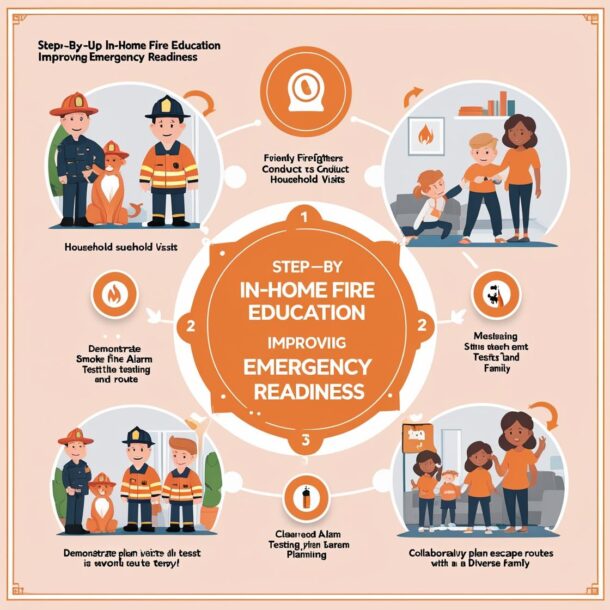
Community workshops and classes: Public safety agencies frequently host free classes for the community. For example, local EMS personnel might offer “hands-only” CPR training at a library, teaching citizens how to act in a cardiac emergency (important, since immediate CPR from a bystander can triple the chance of survival for someone in cardiac arrest). Police departments hold self-defense classes, fraud prevention seminars for seniors, or bicycle safety rodeos for families. Fire departments often organize smoke alarm installation drives, where they go door-to-door in at-risk neighborhoods to install free smoke detectors and educate residents – a direct way to instill safety habits while building goodwill.
Youth engagement and explorer programs: Many agencies involve teens and young adults in explorer or cadet programs (junior volunteer programs with police, fire, or EMS). These programs not only introduce young people to public safety careers, but also teach them core values like first aid, teamwork, and community service. A teenager in a Fire Explorer post, for example, will learn about fire prevention and will likely share those tips with family and friends, becoming an informal safety ambassador in the community.
By weaving these core safety messages into many aspects of daily life, agencies reinforce a safety-first mindset. The repetition is deliberate: hearing a smoke alarm reminder from a firefighter at a summer block party, then seeing the same message on a flyer at the grocery store, means people are more likely to test their alarms at home. For example, a fire department might make “Check Your Alarms” a year-round slogan, mentioned at every public event and in every newsletter, until testing one’s smoke alarm monthly becomes as routine as locking the front door at night. Or a neighborhood police officer may end each community meeting with a friendly mantra like “Lock your doors, look out for your neighbors,” creating a common knowledge that everyone has a role in preventing crime. Over time, embracing shared safety practices in this way helps create a common language of precaution that community members start to adopt as second nature.
Creative Communication Campaigns to Promote Safe Communities
Successful public awareness campaigns often use catchy slogans, relatable characters, and creative visuals to grab attention and make safety messages memorable. Public safety agencies have gotten inventive in encouraging safe behavior and community cooperation. A few notable examples:
- “If You See Something, Say Something”: This now-famous slogan, originally created to combat terrorism, has become a pillar of community vigilance campaigns. Posted in subways, airports, bus stops and shared widely online, it encourages people to report suspicious activities or hazards. The phrase is simple and empowering – reminding everyone that they are the eyes and ears of their community. By turning bystanders into partners (and assuring them that reporting concerns is both welcome and critical), this campaign helps law enforcement prevent incidents before they happen. Its success lies in its brevity and clarity – people instantly understand the message and their role in it.
- Click It or Ticket (and other roadway safety slogans): To promote safe driving, law enforcement has adopted punchy rhyming slogans. “Click It or Ticket” for seatbelt use and “Drive Sober or Get Pulled Over” for impaired driving are two examples that have blanketed highways on billboards and radio ads. The rhyme and rhythm make them hard to forget. While the wording carries an implied warning (there is enforcement behind it), the campaigns are often accompanied by educational outreach about why the safety measure is important – e.g. seatbelts saving lives, or drunk driving tragedies. These slogans have entered the public consciousness to the point where most drivers can recall them, showing how a few words can cement a safety habit (buckling up) as a social norm.
- #9PMRoutine – a social media safety ritual: In recent years, police departments have tapped into social media culture to promote daily crime-prevention habits. One creative approach is the #9PMRoutine, a Twitter and Instagram campaign that started with a sheriff’s office and spread nationwide. Every night at 9:00 PM, departments post humorous or friendly reminders – often accompanied by a meme, funny GIF, or a picture of a police K9 ready for “bed” – telling residents to do their “9 PM Routine.” That routine includes simple tasks like locking your car, locking your home, turning on exterior lights, and removing valuables from your vehicle. The informality and consistency of the posts have turned this campaign into a lighthearted nightly tradition for many followers. People might reply with a thumbs-up or a joke, indicating they’ve done their checklist. In essence, the #9PMRoutine uses a positive peer-pressure loop: it makes a chore feel like a communal activity, almost like everyone is in on a safety joke each night. By using a bit of humor and the connectivity of social media, police have gotten thousands to adopt better safety habits without a single citation – a prime example of inviting cooperation rather than scolding.
The key to these campaigns is repetition across multiple touchpoints and a positive or relatable hook. Instead of relying on fear alone or dry instructions, they often use creativity, humor, or emotional appeal to invite the public’s cooperation. Catchy phrases and mascots stick in your mind, and seeing the message in various places – on a poster, in a tweet, from a neighbor, on the news – reinforces it until following the advice becomes almost automatic. Over time, these creative campaigns help make safe behavior feel like the norm. For instance, when a driver hears “Click It or Ticket” on the radio, sees a highway sign saying “Buckle Up: It’s the Law,” and then a friend jokes “I don’t want a ticket, I’m buckling up,” the cumulative effect is that wearing a seatbelt feels like second nature (and the rare person who doesn’t is reminded by peers). By using positive messaging and memorable hooks, public safety agencies convey rules and tips in a way that respects the audience and encourages everyone to be part of the solution.
Safety and Trust as Shared Community Values
Public safety isn’t just about enforcing rules – it’s about building a safe environment together. Modern campaigns emphasize that safety measures are not arbitrary regulations from authorities, but a collective effort rooted in trust and respect. By framing safety as a shared value and even a form of respect (for one another and the community), agencies can increase public buy-in. People begin to see guidelines not as burdens or restrictions, but as part of a mutual caring – everyone looking out for everyone.
One way this plays out is through respectful messaging. For example, rather than a stern speed-limit warning, a neighborhood might post signs saying “Drive like your family lives here.” This kind of sign appeals to drivers’ empathy – essentially saying protect our community like you would protect your own. It reframes a traffic law into a request to care for others. Many drivers respond to that more positively than to a threat of a fine, because it connects safety with their personal values (family, caring for children).
Similarly, during public health emergencies, officials have used messages like “Wear a mask to protect those you love”, which frame a safety behavior as an act of care for neighbors and family – again, invoking empathy rather than fear. When people understand why a rule exists and see it as protecting someone vulnerable or treasured, they are more likely to follow it willingly.
Trust and safety also go hand in hand when officers and firefighters demonstrate that the rules apply to everyone and are for everyone’s benefit. A lighthearted example: a sheriff’s department in a cold region posted a photo on social media of a patrol car that slid into a ditch on an icy road, captioned with a self-deprecating message like, “Even deputies aren’t immune to black ice – please drive safe out there!” This candid admission humanized the officers and underscored the safety message (slow down in winter) without any scolding. The community response was overwhelmingly positive – people thanked them for the reminder and also for the honesty. By showing that even the authorities follow their own advice and can face the same hazards, it built trust that “we’re all in this together.”
Another important element is recognizing community members as partners in safety success. Public safety agencies often publicly celebrate instances where citizens took action that made a difference. For instance, police might commend a teenager who reported a potential threat at school, or paramedics might highlight a bystander who performed CPR before they arrived. When a police department posts a thank-you message – “Shout out to the neighbor who called 911 when they saw something odd, you helped prevent a crime and kept your block safe!” – it sends a powerful signal: the community’s contributions are valued and essential.
This positive reinforcement makes others more willing to step up, because they see that their help matters and will be appreciated, not met with apathy or suspicion. It also shows that law enforcement isn’t claiming sole credit for safety; they’re sharing that credit with the community, which in turn deepens trust.
Agencies are also increasingly mindful that trust is built through fairness and inclusion. Efforts like bias-awareness training for officers, using languages and media that reach diverse groups, and creating opportunities for dialogue (e.g. town halls, citizen advisory boards) are often communicated to the public to demonstrate that the agency is committed to equitable, respectful service. For example, a city police department might announce a new policy of publishing quarterly reports on police stops and outcomes, framing it as transparency to build trust.
While this is more policy than slogan, how it’s communicated – with a positive, community-forward tone – is key. It might be messaged as, “We want to share this information so you know we police fairly and treat everyone with respect, and if we fall short, we want to be held accountable.” Such transparency campaigns can slowly improve public perception, as residents see the department treating trust as something to be earned continuously through honest communication.
By highlighting personal well-being and mutual respect alongside public safety rules, agencies create a culture where compliance and cooperation are higher because everyone feels responsible for a common goal. The community starts to internalize that “we follow these guidelines not because someone is watching, but because we care about each other.” This shift – from enforcement to empowerment – can be seen in how people talk about safety in the community. Neighbors remind neighbors about keeping porch lights on or checking on the elderly during a heat wave, not because the fire chief told them to, but because it’s understood to be the neighborly thing to do.
When safety is framed as “looking out for one another”, it strengthens the fabric of community trust. In turn, that trust makes it easier for agencies to do their job: residents who trust public safety officials are more likely to report issues, cooperate in emergencies, and give the benefit of the doubt during crises. In essence, trust becomes both an outcome of successful safety communication and a foundation for future success – a virtuous cycle that benefits all.
Preparedness Campaigns and Community Resilience
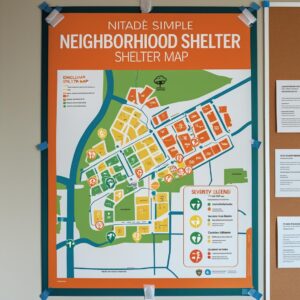 Beyond day-to-day tips and rules, public safety agencies also rally the public to engage in larger-scale preparedness and crisis readiness efforts. Just as parks departments host conservation events and awareness weeks, police, fire, EMS, and emergency managers organize campaigns that invite the community to learn about and participate in emergency preparedness. These efforts recognize that in a disaster or crisis, official responders and citizens must work together, and often, the community’s readiness can make a life-saving difference. Here are a few ways agencies foster public participation in safety and emergency readiness:
- Community emergency training and volunteer programs: Many emergency management agencies run programs to turn citizens into active participants in disaster preparedness and response. A great example is the Community Emergency Response Team (CERT) program, which offers citizens a multi-week training in basic disaster response skills such as light search and rescue, first aid, firefighting with extinguishers, and team organization. Upon completion, volunteers become part of a CERT team that can assist their neighborhood or town during disasters.
Cities often promote CERT with slogans like “When disaster strikes, your community needs you” to emphasize how important citizen responders are. After training, it is common to hold a fun drill or graduation exercise, perhaps simulating an earthquake scenario in a park, where CERT members practice their new skills alongside firefighters. These programs not only expand the capacity of official responders, providing more trained hands to help, but also give residents personal confidence and a mission. A CERT volunteer, wearing their green vest and hardhat, knows they have a role if something goes wrong, which replaces some fear of disasters with a sense of purpose. Even those who do not formally join CERT benefit from the messaging, as the broader community sees neighbors stepping up and may be inspired to stock emergency supplies or take a class themselves.
- Public preparedness fairs and campaigns: Emergency management offices and coalitions often host Preparedness Fairs or Safety Expos as annual events. For instance, a city might hold an “Emergency Preparedness Day” at a downtown plaza or shopping mall. Agencies set up booths and interactive exhibits such as the fire department demonstrating how to use a fire extinguisher, the Red Cross showing how to assemble a disaster kit, or utility companies explaining how to safely shut off gas lines after an earthquake. These fairs sometimes feature free giveaways like flashlight keychains, first aid kits, or brochures in multiple languages to draw people in and equip them with tools on the spot.
By making preparedness hands-on and family-friendly, with perhaps a firefighter in costume for kids or a raffle for those who complete a “preparedness passport” by visiting all booths, these events frame readiness as a positive community endeavor, not a doomsday chore. The narrative is “let’s get ready together.” Often scheduled during National Preparedness Month every September, such campaigns tie into broader themes and resources from agencies like FEMA’s “Ready” campaign, which emphasizes that preparedness calls for the involvement of everyone, not just government, in keeping communities safe and resilient.
- Citizen academies and ride-alongs: As part of trust-building and education, many police and fire departments run Citizens’ Academy programs, multi-week courses where residents get a behind-the-scenes look at local public safety operations. Participants might learn how 911 dispatch works, watch a K9 demonstration, try on firefighter gear, or discuss how detectives solve cases. While not a campaign in the advertising sense, these academies are powerful engagement tools. They demystify public safety work and create a group of informed community members who often become safety ambassadors. For example, a graduate of a Police Citizen Academy may dispel rumors among neighbors by explaining why an officer did something in a situation, thereby reducing misunderstandings. Some departments also offer ride-along opportunities, where a civilian can spend a few hours in a patrol car or on an ambulance crew’s shift.
The stories these citizens take home, such as “I saw how hard our EMTs work” or “I never realized how many calls our police get in one night,” can spread a new appreciation for first responders. These programs indirectly improve public safety because a community that understands the “why” behind public safety efforts is more likely to trust and cooperate with them in critical moments.
Ultimately, these public participation campaigns recognize that in any crisis, big or small, communities that are informed, trained, and connected cope better and recover faster. When a hurricane looms or a wildfire approaches, a community that has engaged in these programs will have more people with Go-Bags ready, more neighbors checking on each other, and clearer lines of communication with local officials. Public safety leaders often refer to this as building a “resilient community,” where the capacity to handle adversity is spread broadly among citizens, not just resting on the shoulders of official responders. The investment in outreach, education, and trust pays off when trouble comes because a prepared community is an empowered community.
Storytelling and Positive Framing: Connecting with the Community
A consistent finding in communication research is that people respond best to messages that feel personally relevant and empowering, rather than those that are purely prohibitive or doom-and-gloom. Public safety communicators are increasingly using storytelling, relatable examples, and positive framing to make their messages stick. Essentially, they strive to answer the audience’s unspoken questions: “What’s in it for me?” or “Why should I care?” in a way that resonates on a human level. Statistics and rules by themselves can often wash over people; narratives and affirming tones make the same information memorable.
Public safety agencies have found that sharing true stories or concrete examples, especially with a touch of emotion or humor, can transform abstract warnings into relatable realities. A fire department might post on social media about a family who survived a nighttime house fire because their new smoke alarms woke them up – perhaps featuring a photo of the family reunited with their pet outside their damaged home. The post would thank them for having working alarms and frame them as “preparedness heroes” of the day. This approach does two things: it provides a positive example (“they did the right thing and it paid off”) and it tugs at emotions (emphasizing saved lives and beloved pets). Compare that to a dry fire safety statistic – the story is far more compelling and likely to be shared. When highlighting positive behaviors, framing matters: by celebrating those who do right, the message becomes “you can do this too and be a hero,” rather than scolding those who do wrong.
Humor, when used carefully, is another powerful tool. Police departments famously have used wit on social media to get points across. For instance, during a cold snap, one police department tweeted: “We are getting reports of ‘freezing’ – yes, it’s really cold. Don’t worry, crime is getting frozen out too. Seriously though, please bring your pets inside and check on elderly neighbors. #Chibernation”. This light-hearted tone garnered thousands of likes and retweets – far more attention than a stern weather advisory might get – and yet within the humor, it delivered serious advice (pet and elder safety). The community not only heeds the tips, they also get a sense that “hey, our first responders have a sense of humor and care about us.” That boosts affinity and trust, making the public more receptive the next time an urgent warning comes out.
Even in crisis communication, storytelling and positive framing can play a role in guiding public reaction. After a severe storm, an emergency management director might go on local radio and, instead of listing everything that went wrong, share a narrative: “One thing that really worked yesterday was how neighbors on Maple Street came together. One family had a generator and invited others to charge their phones, and folks took turns clearing the road before our teams even got there. That’s the spirit that gets us through times like these.”
By spotlighting these community actions, the official not only thanks the public but also models the desired behavior (community helping community) for others to emulate. It’s a subtle way of saying: “You, the public, are heroes in this story too, and we appreciate you.” This empowering tone can motivate even more constructive action in the next event, as people realize their contributions in disasters are noticed and valued.
In all of these cases, the goal of communication is to build empathy and personal connection. Whether it’s prompting someone to chuckle and share a lighthearted tweet or to think, “that could be me,” when hearing a cautionary tale, relatable messaging increases the likelihood that people will internalize the information and act on it. By speaking to audiences in ways that feel human, relevant, and affirming, public safety agencies can move beyond simply delivering warnings and instead foster understanding, trust, and lasting behavioral change.
Case Studies: Lessons from Public Safety Communication Initiatives
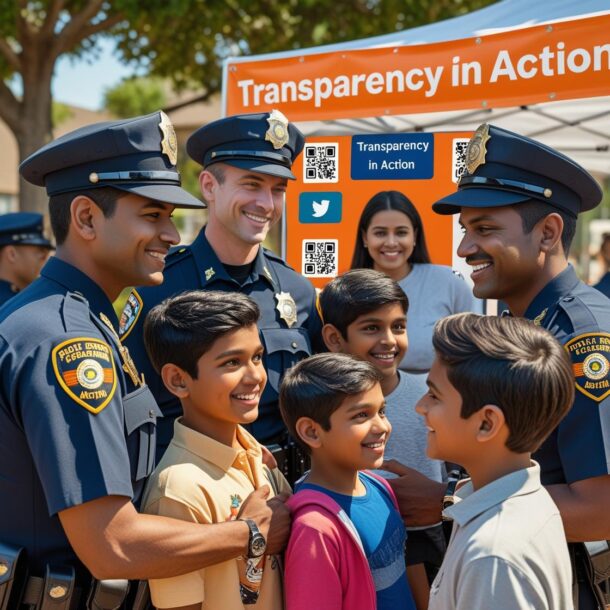 Real-world examples across law enforcement and public safety illustrate how strategic communication can yield impressive results. Below are six case studies that highlight creative approaches to public engagement, transparency, and safety campaigns. Each offers practical lessons that other agencies can adapt to their own communication strategies:
The Multnomah County Sheriff’s Office (MCSO) embarked on a communication overhaul to build community trust through transparency. Faced with public demands for accountability, MCSO reimagined its outreach by proactively sharing information. This included launching an open-data crime statistics dashboard, publishing weekly sheriff’s messages on social media, and responding swiftly to public records requests. The communications unit facilitated a high volume of information access and made it a priority to “break down barriers through open and honest communication” with citizens.
Lesson: Transparent communication can bridge the trust gap between law enforcement and the community. By openly sharing both good news and bad (from commendable arrests to use-of-force data), MCSO demonstrated honesty and invited the public into a conversation rather than a one-way broadcast. Agencies learned that being forthright – even when the news is uncomfortable – leads to more informed citizens and a reputation for integrity. In practice, this might mean holding regular town halls or “virtual ride-alongs” on social media to show residents what the department is doing. MCSO’s experience shows that sustained transparency, coupled with active listening to community concerns, can reimagine law enforcement communication and strengthen legitimacy.
Webb County, Texas – Reframing the “Click It or Ticket” Campaign
Webb County (Laredo, TX) turned a standard seatbelt enforcement campaign into a moving community narrative after a local tragedy. Rather than a purely punitive message, the Sheriff’s Office (in partnership with TxDOT) chose to spotlight the human stories behind seatbelt statistics. They brought forward residents like a young father who survived a horrific crash unbelted – now paralyzed – to share his testimony about how “I never thought it would happen to me, but it did… not wearing one can completely change your life”.
The campaign events featured families of victims and visual displays (e.g. a crashed car, a giant seatbelt prop) to drive home the emotional cost of not buckling up. Lesson: Emotional, story-driven messaging can transform a safety campaign’s impact. Webb County found that by reframing “Click It or Ticket” away from tickets and toward personal loss, the community paid attention in a new way.
Seatbelt compliance reportedly improved as people internalized the “why” – not just because the law says so, but because of love for their family and self-preservation. Other agencies can learn that leading with empathy over enforcement (when appropriate) yields greater public buy-in. There is a time for hard facts and a time for heart; Webb County balanced both, using survivor voices, local statistics, and a supportive tone (officers positioning themselves as wanting to save lives, not write tickets). The result was a more engaged public and a model for humanizing traffic safety outreach.
Milwaukee Fire Department – Traveling “Survive Alive” House Simulator
The Milwaukee Fire Department (Wisconsin) recognized a need to bring fire safety education directly into neighborhoods, especially for children. In 2019, they unveiled a Mobile “Survive Alive” House – essentially a converted RV designed as a small home interior that can simulate a kitchen stove fire, smoke-filled hallway, heated doors, and other fire scenarios. It’s a fully functional, traveling fire safety simulator that visits schools, community events, and fairs. This innovative tool was the first of its kind in the U.S. built on a drivable motorhome chassis (not just a trailer).
Firefighters use it to give kids (and parents) a hands-on lesson in how to crawl low under smoke, test a door before opening, and safely escape through a window. Milwaukee’s communications team also invited media coverage and city officials to the unveiling, which helped spread awareness. Lesson: Interactive, experiential outreach can greatly enhance public engagement in safety campaigns. By “taking it to the streets” with a mobile simulator, Milwaukee FD removed the barrier of families having to come to the fire training center – they brought the life-saving lessons to the community’s doorstep. The realism and novelty of the experience make the safety message stick; children who feel the warm door or see simulated smoke are likely to remember those fire safety steps.
Moreover, the media storytelling around the RV (TV news showing kids practicing “stop, drop, and roll”) amplified the campaign. Public safety agencies can emulate this by using creative props or demonstrations (e.g., a police department’s mock teen bedroom to show hidden drug paraphernalia to parents, or an emergency management agency’s traveling earthquake shake table). Milwaukee’s case proves that investing in creative educational tools and meeting people where they are (geographically and figuratively) leads to higher community involvement and awareness.
King County, Washington – Multi-Year Winter Readiness Campaign
King County (which encompasses Seattle and surrounding areas) faces annual threats of winter storms and cold weather, so the county’s emergency management, public health, and transit agencies joined forces on a sustained “Winter Weather Readiness” campaign. Spanning multiple years, this campaign provided residents with consistent messaging on preparing for snow, ice, and power outages. They used transparent communication about what government was doing (e.g. explaining snow-plow routes and emergency shelter plans) and what residents should do (assemble emergency kits, sign up for alerts, look out for neighbors). King County leveraged a wide range of channels: social media graphics with tips like “Avoid Carbon Monoxide: Never heat indoors with a BBQ,” community meetings on winter prep, messages in multiple languages for diverse communities, and coordination with local media weather reporters to echo safety advice. According to a case study, King County’s effort reduced winter storm risks by combining clear communication, operational coordination, and diverse outreach channels.
Lesson: Preparedness campaigns require consistency and collaboration. King County showed that repeating and refreshing winter safety messages every year can change outcomes over time – residents become more resilient and fewer emergencies catch people off-guard. The campaign’s success was also rooted in partnership: multiple departments (roads, health, police, utilities) presented a unified front, and they engaged community organizations to help (such as homeless outreach for shelter info, and utilities pushing generator safety).
Other agencies can take away the importance of cross-agency coordination and multi-channel outreach for disaster readiness communications. It’s not a one-time blitz, but a drumbeat each season. Over years, King County built a culture where “Take Winter by Storm” became a familiar call-to-action, and surveys showed more households had emergency plans. The payoff for persistence was a community that knew what to do when snow hit and a public that felt the government was well-prepared and communicative.
Travis County, Texas – Wildfire Preparedness as Community Empowerment
Travis County (which includes Austin, TX) has seen rising wildfire risk with regional growth and climate factors. In response, county officials launched a “From Sparks to Safety” wildfire preparedness campaign aimed at turning public concern into proactive action. This case study demonstrated how Travis County’s outreach went beyond just issuing warnings – it actively involved residents in solutions. The campaign educated people on their specific wildfire risks (using maps and town hall sessions), then mobilized them with clear steps: creating defensible space around homes, signing up for emergency alerts, and developing family evacuation plans. They shared success stories of neighborhoods that held wildfire drills and promoted training for community volunteer fire lookout programs. By highlighting that everyone has a role in reducing wildfire danger, the campaign transformed risk communication into community empowerment – building awareness and prompting residents to take practical preparedness steps.
Lesson: Engage the community as partners in preparedness, not just as recipients of warnings. Travis County’s approach shows that people respond better when you empower them with actions and ownership. Rather than relying on fear appeals alone (“wildfires are coming!”), the messaging was “we can lessen the impact if we all do our part.” The county provided tools (checklists, free chipping of yard debris, community clean-up days) to make those actions easier.
The result was increased participation in wildfire mitigation programs and a stronger relationship between emergency managers and the public. Agencies in any hazard-prone area can learn that risk communication should be a two-way street – invite community input (e.g., local knowledge of fire hazards) and promote volunteerism. This not only gets more hands on deck but also builds public trust, as residents feel the agency is working with them, not just issuing edicts from afar.
Cook County, Illinois – Weekend Fire Safety Blitz (“Sound the Alarm, Save a Life”)
To combat a spike in home fire fatalities in vulnerable Chicago neighborhoods, a coalition of Cook County fire departments undertook an intensive weekend campaign dubbed “Sound the Alarm, Save a Life.” In coordination with the Red Cross, firefighters and volunteers targeted specific high-risk areas (older homes, lower-income communities with fewer working smoke alarms) for a 72-hour blitz of fire safety outreach. The hallmark of this campaign was direct action: teams literally went door-to-door installing free smoke alarms in homes and conducting on-the-spot fire escape planning with families. Rather than simply handing out brochures, they ensured each home visited was immediately safer. Public information officers alerted local media, who followed along as these “safety canvasses” took place, adding positive publicity. Community leaders (church pastors, aldermen, etc.) were engaged ahead of time to promote the event and encourage residents to open their doors.
Lesson: High-impact outreach can be achieved in short bursts by concentrating resources and meeting residents at home. Cook County’s campaign illustrated the power of going hyper-local and personal for a critical issue like fire safety. In one weekend, they installed thousands of alarms and directly spoke with residents about how to prevent and survive fires – an outcome that typical ad campaigns would take months or years to achieve. It required significant coordination (multiple fire agencies, nonprofits, and community groups working together), but it paid off not just in the number of alarms installed, but in relationships built. Residents saw firefighters in a non-emergency, helping context, which humanized the fire service and built goodwill.
For other agencies, the lesson is to consider occasional “all-out” safety pushes – whether it’s a multi-day vaccination clinic, a holiday DWI prevention crackdown with lots of outreach, or a severe weather door-knocking campaign to check on vulnerable residents. These blitzes, if well-organized, can produce measurable results and rally both your internal team and external partners around a common mission.
Each of these case studies reinforces a central idea: when public safety agencies communicate with clarity, creativity, and community focus, they can significantly enhance public well-being and trust. From Oregon to Texas to Illinois, the common thread is innovative thinking – be it using humor and openness, emotional narratives, interactive education, sustained messaging, empowerment, or doorstep engagement. Agency leaders and communicators should feel encouraged that even if resources are limited, smart strategy and partnerships can magnify their message. The next sections will discuss the modern tools and strategies (digital media, community partnerships, and internal planning) that can support efforts like these and ensure your agency’s messages truly connect with the public.
Develop a Communication Calendar
Just as you plan operations, plan out your communications. Create a calendar that maps out the year’s key campaigns, seasonal messages, and known events. For example, you might schedule: Severe Weather Preparedness in March, Wildfire Awareness in June, Back-to-School Safety in August, Holiday Crime Prevention in Nov/Dec, etc. Incorporate national or state observances (like National Police Week, Fire Prevention Week) and local events (county fair, marathon) where you might do targeted outreach. By laying this out, you can allocate resources and avoid last-minute scrambles. Of course, leave flexibility for breaking news and incidents, but having a baseline plan ensures you’re regularly engaging the public, not just when something goes wrong.
A calendar also helps coordinate with other agencies – for instance, if the city and county align on “Flood Awareness Month,” the messaging will be more consistent. Revisit and adjust the plan periodically (quarterly often works) to add new issues or respond to emerging trends (e.g., sudden spike in scam phone calls might prompt a campaign). Planning ahead also means preparing content in advance: have template messages, graphics, or press release drafts ready for high-probability scenarios (like snowstorms or heat waves). When those occur, you can communicate faster. In sum, treat communication with the same professionalism as an operational plan – set goals, timelines, and responsibilities.
Train and Align Your Team: Consistent Messaging Starts with Internal Education
Make sure all levels of staff understand the agency’s communication priorities and protocols. This can be done through regular training sessions or briefings. For example, if a new social media policy is in place, roll out a training so officers know what they can and can’t post on their personal accounts. If you launch a “Safety First” slogan for a campaign, brief everyone from 911 dispatch to records clerks so they recognize it and reinforce it when talking to citizens. It’s especially important to train those who will be public-facing in media: your PIOs, spokespeople, and any subject-matter experts (like the Emergency Management Director or Fire Chief) who may do press conferences.
Invest in some media training for them – how to stay on message, handle tough questions, and convey empathy. Also, encourage cross-training: let staff from police, fire, EMS, and emergency management sit in on each other’s communication drills or planning meetings. This builds understanding and a unified voice during multi-agency responses. Internal newsletters or bulletins can keep everyone informed of current messaging. For instance, a police chief’s weekly email might highlight the talking point of the week (“We’re focusing on school zone safety this week, remind your teams to be visible around schools and share the tips from our Facebook page”).
Recognize and praise employees who exemplify good communication – like the officer who took time to explain something kindly to a citizen (share that story internally or even externally). By making communication a valued part of the job in performance evaluations and culture, staff will take it seriously. An aligned, well-trained team means the public hears a coherent message no matter whom they interact with in your agency.
Ensure Message Consistency Across Channels
In today’s fragmented media landscape, people might see your message on a flyer, a tweet, the evening news, or via a friend. It’s vital that these all reinforce each other. Consistency doesn’t mean dull repetition, but it does mean core facts and calls-to-action should not conflict. To achieve this, prepare key message documents for major initiatives or emergencies. These should outline: “What are the 3 most important points we need to convey?” and provide approved wording for each. Distribute this to all communicators and decision-makers. For example, during a pandemic response, key points might be “1) What the public should do, 2) What the government is doing, 3) Where to get more info” – everyone from the mayor to the 311 call-takers should have those points at hand. Update these as situations evolve.
Additionally, coordinate your channels: if you post a detailed update on the website, share a summary link on social media; if you give a press briefing, quickly post those talking points online for those not watching TV. Internally, establish a chain of approval so that messages are vetted for consistency (e.g., the PIO clears it with the incident commander or chief if it’s emergency info). Having a unified command communication strategy is part of the Incident Command System (ICS) in larger emergencies – use that structure to avoid mixed messaging.
Consistency also involves timing: it’s frustrating for the public if one source gets info much later than another. So, try to synchronize releases (send the text alert at the same time as you post on Twitter and at the same time media briefing is on TV). Prepare your statements in multiple formats simultaneously. When inconsistencies or rumors do arise, address them quickly through your official channels (“We are aware of reports saying XYZ; here’s the correct information…”). When the public repeatedly hears the same clear message, it minimizes confusion and rumor-mongering.
Measure Impact and Adapt
You can’t manage what you don’t measure. Establish metrics for success for your communication efforts and track them. Metrics can be both quantitative and qualitative. Quantitatively, look at things like: reach (how many people did we alert via text or how many views did our post get), engagement (comments, shares, questions asked), attendance (did people show up to the safety fair we advertised?), participation (number of smoke alarms installed during campaign), and ultimately outcomes (did the campaign correlate with fewer incidents or more compliance?).
Qualitatively, gather feedback: after a big incident, review how communication went – what did the public say on social media? Were there a lot of calls asking for info (indicating gaps in what we provided)? Conduct after-action reviews with your team purely focusing on communication: what went well and what to improve. Some agencies send brief surveys to community stakeholders or even the general public (“How informed did you feel during the hurricane on a scale of 1-5?”).
Importantly, use this data to adapt your strategies. For instance, if you notice your posts about lost children get shared widely but posts about city council meetings do not, you might adjust tone or timing for the latter. If certain neighborhoods aren’t getting the message (maybe you had few attendees from one area), investigate why – perhaps you need a different channel or messenger for that community.
Metrics also help justify resources: if you can show an increase in neighborhood watch membership after a communication initiative, that bolsters support for continuing it. Always loop back to your goals: if the goal was to improve emergency alert subscriptions by 20%, did you achieve it? If not, tweak the approach and try again. And share successes – let your team and the public know the positive results (“Thanks to your engagement, our wildfire app was downloaded 5,000 times, meaning 5,000 households are now better prepared!”).
In government, continuous improvement is the mantra – communication is no exception. Use each event or campaign as a learning experience to refine your craft. Over time, your metrics might also show trends that inform policy (e.g., consistently low engagement from a certain demographic might prompt creating a new liaison position). In summary, treat communication initiatives with the same rigor as any program: plan, execute, evaluate, and adjust.
Foster Cross-Agency Communication Alignment
Public safety often involves multiple agencies (police, fire, EMS, public health, etc.). It’s important to align communication not just within your department but across agencies. Establish regular coordination meetings among PIOs or communications staff of the various local agencies. Many regions have a Joint Information Center (JIC) framework for emergencies – participate in those drills and build relationships with your counterparts in other departments and neighboring jurisdictions.
Share best practices and even resources (perhaps a county PIO can assist a small city during a big incident). By collaborating, you ensure that the public doesn’t get mixed messages. For example, if a chemical spill occurs, the fire department, police, and emergency management should jointly decide who communicates what (so the evac order, health warnings, and security info all complement each other).
In non-crisis times, consider co-branding certain campaigns – a “Safe Communities” initiative might involve law enforcement, fire, and schools together, showing unity. Internally, having an internal communications plan for large incidents helps: it outlines how information flows from field units to a central information officer to all partnering agencies. That way, everyone shares the same situational awareness and talking points. The public sees a cohesive front, which boosts confidence.
Cross-agency alignment also means sharing tools – maybe everyone in the county uses the same emergency alert platform so messages look consistent. This kind of integration can be complex, but even small steps (like a WhatsApp or Slack group of local PIOs for quick heads-up) make a difference. One voice, or at least coordinated voices, prevent the confusion that undermines public trust.
By carefully planning content, training your people, maintaining consistency, measuring results, and coordinating widely, you create a communication system that is proactive, reliable, and agile. It’s like having a well-oiled machine that can handle routine messaging and also ramp up for a crisis without missing a beat. The public may never see all the behind-the-scenes work, but they will feel the effects in the form of timely, clear, and confident information when it matters most. Internally, your staff will feel empowered and prepared to communicate – which in turn makes them more effective in their primary roles. In a field where seconds count and public perception matters, this level of preparedness can be as important as the emergency plans themselves.
Comparison with Other Agency Types
 Government agencies across all sectors face the challenge of conveying critical information, engaging communities, and maintaining public trust. Law enforcement and public safety agencies, in particular, operate under high scrutiny and often in high-stakes situations, making effective communication indispensable. In today’s fast-moving digital age, transparency and timely outreach are more crucial than ever. It’s well recognized that clear, consistent communication by police is essential for building trust and ensuring public safety. Moreover, police leaders know that trust isn’t built overnight; it grows from regular, empathetic interactions with the community long before any crisis occurs. The same core principles of clarity, consistency, timeliness, and empathy that guide successful police communications apply equally to any government agency’s public outreach, as discussed in A Comprehensive Guide to Public Communications for State and Local Government Agencies.
A cornerstone of effective public communication is having a clear communication strategy – defining your key messages and target audiences in advance. Law enforcement agencies exemplify this through campaigns and programs that convey a focused message (for example, crime prevention tips or “see something, say something” alerts). Just as a health department might craft a vaccination awareness campaign, police departments map out communication plans for initiatives like community policing or emergency preparedness. Success hinges on knowing your audiences and tailoring messages to their needs, whether you’re addressing local residents, business owners, or specific groups like schools.
For instance, police may frame safety guidance differently for neighborhood watch volunteers versus the general public, much as a transit agency would adjust messaging for daily commuters versus occasional riders. The underlying process is analogous: identify stakeholders, shape clear messages, and choose the right tone for each group.
By planning messaging strategically, agencies ensure that whether routine or urgent, their communications hit the mark. In fact, in law enforcement training it’s emphasized that leaders and frontline officers should develop consistent, strategic messaging about expectations and policies – aligning everyone on the core message before it goes public. This level of internal planning and clarity is just as beneficial in any city department or public agency rollout.
Another lesson from police communications is the importance of meeting people where they are by using multiple communication channels. Public safety agencies have learned to blend traditional methods with modern technology to reach the widest audience. A police department issuing a safety notice, for example, might simultaneously hold a press briefing for TV news, post live updates on Twitter and Facebook, send text alerts (e.g., via Nixle or SMS systems), and later put up flyers or community bulletin announcements for those offline.
During emergencies especially, relying on just one channel isn’t enough – information needs to spread quickly through social media, websites, emails, and even loudspeakers if needed, to ensure no one misses the message. The payoff of this multi-channel approach is evident in crisis situations: during the 2013 Boston Marathon bombing response, the Boston Police Department used Twitter to provide real-time updates, correct rumors, and coordinate with the public, earning widespread praise for its transparent, timely communication.
Day to day, law enforcement also uses social media not only to broadcast alerts but to engage in dialogue – answering questions, addressing rumors, and humanizing the agency by sharing positive stories. As a best practice, agencies in all sectors should maintain consistency across these platforms so the public hears a unified voice. Law enforcement’s experience shows that an active social media presence, coupled with traditional outreach, can greatly strengthen community connections and public confidence. In short, whether you’re a police chief or a city manager, a multi-channel outreach strategy is now essential for effective public communication.
Law enforcement and other public agencies alike must communicate in ways that are inclusive of all community members. Police departments often serve diverse populations – different languages, cultures, and abilities – so they have learned the value of language access and cultural sensitivity in messaging. This can mean providing Spanish or Chinese translations of public notices, hiring bilingual officers or interpreters, and using simple, jargon-free language that everyone understands. It also means ensuring communications are accessible to people with disabilities (for example, having sign-language interpreters at press conferences, using captioned videos, and designing ADA-compliant websites).
These practices mirror efforts across government. Every agency serves constituents across a variety of backgrounds, languages, and abilities, so accessible communication isn’t just a nicety but a necessity. In policing, making information available in the primary languages of the community is considered critical to transparency and trust. Indeed, national police guidelines recommend increasing transparency by publishing information in the languages spoken in the local community. When agencies break down language and accessibility barriers, they send a message that everyone in the community is valued and meant to understand the information. This inclusive approach, common in public safety, is a model for any government organization striving to serve the whole public effectively.
One perhaps underappreciated communication lesson from law enforcement is the importance of getting your own team on the same page first. In police work, if a new policy or a major incident response is being communicated, the officers and staff need to know the details and expected talking points before they face the public. Consistency between internal and external messaging is key as it builds credibility and confidence in leadership. When every officer or employee conveys the same core facts and rationale, the public receives a coherent message, which boosts trust. Imagine if a police spokesperson announces a new safety measure but patrol officers on the street give clashing information – public confusion and skepticism would follow. That’s why law enforcement agencies put emphasis on internal briefings, training, and Q&A for staff ahead of big announcements. They encourage two-way dialogue within the department so concerns are addressed internally, and everyone understands the why behind the message.
Other agencies can benefit from the same practice. Whether it’s a transit authority launching a new schedule or a county office explaining zoning changes, ensuring all employees are well-informed and speaking with one voice makes the external rollout much smoother. The International Association of Chiefs of Police, for instance, advises departments to work with agency leadership to develop consistent messaging about community engagement expectations, so that frontline officers and commanders present a unified front. The takeaway: no matter your sector, invest effort in internal communication and alignment – it will pay off in a more credible and confident public message.
Finally, an area where public safety agencies provide a good example is in evaluating communication efforts and being willing to adjust course. Modern law enforcement agencies increasingly use data and feedback to gauge how well their messages are landing. After community meetings or information campaigns, they might solicit public feedback or monitor changes in community behavior. For instance, if a police department runs a traffic safety outreach, they’ll look at subsequent accident rates or citizen feedback to see if it made a difference. Many departments use community surveys to gather feedback on police communication and community relations, and they track metrics like social media engagement (Are residents sharing or responding to the agency’s posts?) and participation in programs like town halls or “Coffee with a Cop.”
These kinds of metrics and Key Performance Indicators (KPIs) are just as useful to other agencies: a public health agency might track vaccination sign-ups after an information blitz, or a city communications office might watch website traffic and hotline calls after announcing a new service. The best communicators treat these efforts as an iterative process – examining what worked, what didn’t, and refining their strategies over time. If certain messages aren’t reaching people or if misinformation arises, effective agencies pivot and try new approaches. In law enforcement, this adaptability can be lifesaving (think of adjusting emergency alert strategies in a fast-moving disaster). But even in less dire contexts, measuring communication impact and continuously improving benefits any public initiative. Agencies that listen to their audience and learn from the data will build greater trust and achieve better outcomes in the long run.
Communication in law enforcement is really a specialized branch of public communication, and the lessons learned there have broad relevance for all government agencies. Police and emergency services have had to hone practices in transparency, rapid information sharing, community engagement, and trust-building—often under intense public pressure—and those same practices can strengthen communication in fields from transportation to public health. A public health official, for example, can learn from law enforcement’s community forums and listening sessions as a way to build credibility before a crisis hits. And it’s no coincidence that in law enforcement, just as in other sectors, effective communication is seen as foundational to fulfilling the organizational mission. By looking at the communication successes of police and public safety agencies—whether it’s their use of social media to dispel rumors, their commitment to multilingual outreach, or their internal briefing protocols—any government communicator can find strategies to adopt and adapt.
For readers interested in exploring these cross-agency strategies further, a Comprehensive Guide to Public Communications for State and Local Government Agencies delves into many of these principles in detail. In the end, great communication is mission-critical in every public service field. By learning from each other and especially from the high-stakes world of law enforcement communications, agencies can innovate and improve how they inform and involve the communities they serve, building stronger public trust across the board.
Conclusion
In the realm of public safety, communication is as critical as any piece of equipment or tactical plan. A police officer or firefighter may carry tools to do their job, but their ability to convey information and connect with the public can dramatically shape the outcome of an incident or initiative. As we’ve outlined, a strategic communication approach – from on-the-ground signage to social media to community partnerships – is foundational to effective policing, firefighting, emergency response, and homeland security operations. Agencies that invest in clear, inclusive, and proactive communication not only improve public compliance and safety during emergencies, they also build the trust and social capital that make the community safer in the long run. Every message, whether it’s a casual tweet or a critical evacuation order, contributes to the public’s understanding and confidence in their safety officials.
Leaders in law enforcement and public safety should take away that communication is not a peripheral task – it is central to your mission success. By planning ahead, engaging creatively with the community, and continuously learning and adapting, agencies can stay ahead of the curve rather than play catch-up. In a world of fast-moving information (and misinformation), being transparent, timely, and truthful is the surest way to become the trusted source your community turns to when it counts. And by reaching people’s hearts and minds – through personal stories, respectful dialogue, and inclusion – you turn the public from bystanders into active partners in safety.
In closing, strengthening your communication strategy is one of the most proactive investments your agency can make. It means the next time a crisis strikes, your message will cut through the noise and guide your community to safety. It means your preventative campaigns will lead to real changes – fewer accidents, more prepared households, safer streets – because you touched people with the right message at the right time. And it means your officers, firefighters, and emergency staff can do their jobs more effectively, supported by a well-informed and cooperative public. Public safety isn’t just about reacting to danger; it’s about preventing harm and promoting security through every tool available – and communication is the tool that ties all others together. By embracing the strategies discussed in this hub, agencies can move from simply reacting to events to shaping a safer, more resilient community through the power of communication. Your voice is one of your greatest assets – use it wisely, use it often, and the public will listen.
Strengthening Communications with Expert Support
Managing public communication for public safety agencies like police, sheriff’s offices, emergency management, and fire/EMS requires tight coordination, clear messaging, and deep community understanding. Many agencies succeed with in-house teams that bring institutional knowledge, local context, and trusted relationships. With the right tools, training, and cross-functional workflows, those teams can build robust capacity from within. At the same time, partnering with external experts can add surge bandwidth and specialized skills—PIO/ICS integration, crisis playbooks, multilingual outreach, rumor control, and data reporting—when stakes are high or timelines are compressed. The key is balance: align approaches with your mission, culture, and resources so internal strengths and outside support reinforce each other.
Public safety agencies operate in an environment where credibility, speed, and empathy are inseparable from operational success. Incident communications must be accurate under pressure; community updates must be accessible to every audience; and routine transparency work (dashboards, briefings, listening sessions) builds trust before a crisis ever happens. Whether you are introducing a new use-of-force policy, releasing a body-worn camera program update, adjusting patrol coverage, or coordinating an evacuation, communications must be planned, inclusive, and consistent across every channel and spokesperson.
Ready to Strengthen Public Communication for Your Law Enforcement & Public Safety Agency?
At Stegmeier Consulting Group, we help public sector agencies like yours develop clear, effective communication strategies, internally and externally. We’ll help you:
Build crisis and routine playbooks: Develop pre-approved messages, rumor-control workflows, and decision trees that enable fast, accurate updates during both critical incidents and day-to-day operations.
Clarify audience segments & message architecture: Define and prioritize audiences such as residents, victims/survivors, media, elected officials, and partner agencies—and standardize tone and voice so every channel tells the same story.
Operationalize the PIO function: Establish roles, checklists, and publishing workflows aligned to the incident command structure so your team can move seamlessly from intake → approval → release without bottlenecks.
Run social listening & misinformation response: Monitor public chatter, address inaccuracies quickly, and publish clear FAQs to reduce speculation and maintain public trust.
Make inclusion the default: Provide translations, plain-language summaries, captioned video, and ADA-conformant templates so all residents can understand and act on safety information.
Align internally before you go public: Create briefing decks, talking points, and Q&A packets so command staff, dispatch, and frontline officers deliver consistent answers and know escalation paths.
Strengthen two-way community engagement: Host listening sessions, neighborhood briefings, and community office hours to surface concerns early and shape messaging that reflects shared priorities.
Measure what matters: Build KPI dashboards to track reach, comprehension, sentiment, and behavior change, then use after-action reviews and improvement sprints to turn lessons into updated SOPs.
Train and coach spokespeople: Prepare leaders for media engagement with scenario-based drills, message delivery practice, and coaching that builds clarity, empathy, and credibility.
Add surge capacity when it counts: Access on-call writing, media relations, and publishing support during major incidents, policy rollouts, or high-visibility events.
At Stegmeier Consulting Group, our work helps public safety professionals communicate with confidence, reinforcing transparency, strengthening community trust, and ensuring that the right message reaches the right audience at the right time.
Reach out today for a consultation, we’d love to explore how we can help you tell your story, engage your stakeholders, and increase the visibility and value of the work you do.
Recognition That Resonates: Strengthening Community Bonds Through Officer Storytelling
The badge represents more than authority. It represents a person who chose a career in service, someone with a family, aspirations, and a commitment to public safety. Yet in an era of declining trust in institutions, that human dimension often gets lost in the noise....
Community Alerts Without Alarm: Striking the Right Tone in Safety Messaging
At 2:47 AM, residents across a suburban county receive a piercing alert on their phones: “POLICE ACTIVITY IN YOUR AREA. SHELTER IN PLACE. MORE INFORMATION TO FOLLOW.” Within minutes, social media explodes with speculation. Parents clutch their children....
Explaining the “Why” Behind Police Practices: Turning Potentially Controversial Practices Into Understandable, Contextualized Narratives
When a police officer asks a driver to step out of their vehicle during what seems like a routine traffic stop, the driver often wonders: Why? I just have a broken taillight. When a police department releases its annual use-of-force statistics showing that officers...
Targeted Alerts, Safer Communities: How Franklin County, Ohio Uses Communication to Protect Residents in High-Risk Zones
In an age of accelerating climate events and industrial risk, Franklin County, Ohio, stands out as a model of how localized communication saves lives. Home to nearly 1.3 million residents and an industrial rail corridor traversed by hazardous materials, the county...
Communicating Safety in Real Time — Pasco County’s, Florida Outreach Strategy for Launching a Surveillance-Era Crime Center
In 2023, the Pasco County Sheriff’s Office (PCSO) unveiled its new Real-Time Crime Center (RTCC), a technology-forward facility designed to enhance public safety using integrated surveillance systems, drone footage, license plate recognition, and live intelligence...
Prepared for the Chill: King County, Washington’s Multi-Year Winter Weather Readiness Campaign
The increasingly unpredictable nature of winter weather in the Pacific Northwest has prompted public safety leaders to rethink what preparedness looks like, especially in a region where heavy snowfall, ice storms, and prolonged cold snaps can cripple both...
Storm-Ready Communities: How Shelby County, Tennessee uses Crisis Communication to Prepare Residents for Tornado Season
In the heart of Tornado Alley, Shelby County, Tennessee—home to Memphis and a dense patchwork of urban, suburban, and rural neighborhoods—faces recurring threats from severe storms. Tornadoes, high winds, and flash flooding pose risks not only to infrastructure, but...
Sound the Alarm, Save a Life: How Cook County, Illinois Fire Departments Teamed Up for the Weekend Fire Safety Campaign to Reach At-Risk Homes
In communities disproportionately affected by residential fires, prevention cannot depend on awareness alone—it must be delivered directly, equitably, and consistently. That was the philosophy behind Sound the Alarm, a home fire safety campaign launched by the Chicago...
From Sparks to Safety: How Travis County, Texas Mobilized a Wildfire Preparedness Campaign for a Growing Region at Risk
When most Americans think of wildfires, their minds go west—to California’s scorched forests and dramatic evacuations. But in recent years, the risk map has shifted. Central Texas, with its rapid population growth, suburban sprawl, and increasingly hot, dry seasons,...
Taking it to the Streets: Milwaukee Fire Department’s Traveling RV ‘Burning House Simulator’ Campaign
In a city where fire-related injuries disproportionately affect underserved communities, the Milwaukee Fire Department (MFD) recognized that prevention must be as mobile and accessible as emergency response itself. In April 2019, the department unveiled a bold...