From Scarcity to Sustainability: Effective Communication Strategies for Water Conservation Agencies
Communication Challenges and Opportunities for State and Local Government Water Conservation Agencies
Water conservation agencies across the United States, including municipal water utilities, regional water authorities, irrigation districts, and state water resource departments, face a critical challenge: how to effectively communicate the urgency of water conservation in ways that inspire lasting behavior change. Whether it’s a metropolitan water district managing drought restrictions, a rural utility promoting agricultural water efficiency, or a regional authority implementing landscape conversion programs, communication is not just about sharing information. It is about securing the future of our most precious resource.
Why is public communication so vital for water agencies? First, it builds awareness and understanding. Effective water communication transforms complex hydrological data and water policy into actionable guidance that communities, businesses, and agricultural operations can understand and implement. Second, it drives behavior change. Clear, culturally relevant messaging motivates people to reduce outdoor watering, fix leaks, upgrade to efficient fixtures, and reimagine their landscapes. Third, it fosters trust and long-term commitment. When water messaging reflects community values, acknowledges local conditions, and demonstrates transparency about supply challenges, more stakeholders engage with conservation programs and commit to sustainable water practices.
From leveraging creative advertising campaigns and social media to partnering with landscape professionals and offering financial incentives, modern water communicators are finding innovative ways to shift public perception from water abundance to water stewardship. In short, strategic communication is mission-critical for water conservation agencies looking to reduce demand, extend supplies, and build water-resilient communities for generations to come.
Core Communication Principles for Water Conservation
Effective water conservation communication requires thoughtful attention to several fundamental principles that ensure messages reach, resonate with, and motivate intended audiences. Below are essential best practices that water agencies have identified for outreach, education, and community engagement:
Make Water Visible and Personal
Water is often invisible to consumers; it flows from taps, irrigates landscapes, and disappears down drains without much thought. Effective water communication makes water consumption visible and personal, helping people understand their individual impact and connect their actions to larger water supply challenges.
Use relatable measurements and comparisons. Instead of saying “the city uses 50 million gallons daily,” explain that “a five-minute shower uses about 25 gallons” or “watering your lawn for one hour can use 600 gallons.” These concrete examples help people visualize their water use and identify opportunities for conservation.
Personalized water use data, through online portals, mobile apps, or enhanced water bills, empowers customers to track their consumption patterns, compare usage to similar households, and set conservation goals. When people can see their water use in real-time, they’re more motivated to reduce waste.
Visual storytelling helps communicate where water comes from and where it goes. Interactive watershed maps, videos showing reservoir levels, facility tours, and educational displays about water infrastructure make abstract systems tangible and build appreciation for the work behind every drop.
Use Creative, Memorable Messaging
Water conservation campaigns must compete for attention in a crowded media landscape. The most successful campaigns use creative, unexpected, and even humorous approaches to break through the noise and make conservation messages memorable.
Instead of earnest pleas to “save water,” effective campaigns use provocative slogans, eye-catching visuals, and clever wordplay that stick in people’s minds. Examples include “Use Only What You Need,” “Grass is Dumb,” or “Gold is the New Green” (promoting drought-tolerant landscaping).
Humor and surprise grab attention without alienating audiences. A billboard showing a park bench with only enough space for one person, or a security guard tackling a giant running toilet at a football game, creates buzz and makes conservation messages shareable across social media and word-of-mouth.
Consistent visual identity across all platforms, distinctive colors, logos, taglines, and design elements, builds brand recognition and reinforces messages over time. When people immediately recognize a water agency’s conservation campaign, the cumulative effect of repeated exposure increases message retention and action.
Tailor Messages to Specific Audiences
Not all water conservation messages work for all audiences. Effective communication requires understanding the unique characteristics, needs, concerns, and water use patterns of different customer segments.
Residential customers require different approaches than agricultural, commercial, or industrial users. A campaign promoting smart irrigation controllers for homeowners will look very different from one targeting golf courses about turf management or manufacturing facilities about process water recycling.
Demographic and cultural segmentation helps agencies craft resonant messages. Water use priorities differ for young families, retirees, apartment renters, and large property owners. Cultural beliefs about landscaping, outdoor living, and water itself vary across communities; some view green lawns as essential to home value, while others embrace desert aesthetics.
Multilingual and culturally adapted materials ensure all community members can participate in conservation programs. In diverse service areas, messages should be available in Spanish, Chinese, Vietnamese, and other prevalent languages, with imagery and examples that reflect the cultural diversity of the community.
Focus on Solutions and Benefits, Not Just Problems
While it’s important to communicate the severity of water challenges, drought, declining snowpack, overdrawn aquifers, and growing populations, effective messaging balances urgency with empowerment. People need to understand not just why conservation matters, but how they can make a meaningful difference.
Actionable recommendations work better than abstract appeals. Instead of simply asking people to “conserve water,” provide specific actions: “Water before 6 AM or after 8 PM,” “Replace your grass with drought-tolerant plants,” “Fix leaky toilets, they waste up to 200 gallons per day,” or “Install a smart irrigation controller and save 15,000 gallons annually.”
Financial incentives and rebate programs should be prominently featured. Many residents and businesses are willing to invest in water-efficient upgrades but need help offsetting costs. Clearly communicating available rebates for turf replacement, efficient fixtures, smart controllers, and commercial retrofits makes conservation economically attractive.
Success stories and social proof motivate action. Showcasing neighbors who have transformed their landscapes, businesses that have reduced water use, or community-wide conservation achievements demonstrates that change is possible and creates positive social pressure to participate.
Build Trust Through Transparent, Consistent Communication
Trust is the foundation of effective water conservation communication. Communities are more likely to follow conservation guidance from agencies they perceive as credible, honest, and genuinely concerned about equitable water management. Consistency in messaging across all channels builds credibility; when different departments give conflicting information about watering restrictions or supply status, public trust erodes. Transparency about water supplies, conservation progress, rate structures, and infrastructure investments demonstrates honesty and expertise. Communities generally respect agencies that acknowledge challenges while explaining solutions, rather than overpromising or appearing to hide information. Source credibility can be boosted by partnering with respected voices, landscape professionals, agricultural extension agents, university researchers, and environmental organizations, who can amplify messages within their networks.
Our Comprehensive Guide to Public Communications for State and Local Government Agencies
This article is part of our series on strategic communication for state and local government agencies. To learn more and to see the parent article, which links to other content just like this, click the button below.
Water Conservation Education and Behavior Change Campaigns
 At the heart of water conservation work is the challenge of changing individual and community behaviors to reduce consumption and eliminate waste. Effective behavior change campaigns use evidence-based communication strategies to motivate people to adopt water-efficient habits and make smarter choices about outdoor and indoor water use.
Grounding Campaigns in Behavioral Science
The most successful water conservation campaigns are rooted in behavioral science and social marketing principles. These frameworks help agencies understand why people use water the way they do and how to design messages that effectively promote change. Common approaches include:
-
Social norms messaging: People are influenced by what they believe others are doing. Campaigns that highlight positive norms, “Most of your neighbors have converted to water-efficient landscaping” or “80% of residents now water only twice per week”, leverage social proof to encourage participation.
-
Loss framing: Research shows people are often more motivated by potential losses than gains. Messages emphasizing what communities stand to lose,“Without conservation, we risk mandatory rationing” or “Continued drought could eliminate outdoor watering”, can prompt action.
-
Making desired behaviors easy: Reducing friction increases adoption. Streamlined rebate applications, pre-approved contractor lists, one-stop rebate processing, and free water audits remove barriers to conservation investments.
-
Commitment devices: Asking people to make public commitments to conservation goals, pledging to convert lawn, signing water-use agreements, participating in neighborhood challenges, increases follow-through.
Using Data and Storytelling Together
Effective water campaigns balance data with human stories. Statistics establish credibility and convey the scope of water challenges, reservoir levels, gallons saved, and percentage reductions achieved,while personal narratives make conservation relatable and emotionally compelling.
For example, a campaign promoting landscape conversion might lead with the fact that “Outdoor watering accounts for 50% of residential water use in our service area.” This data point gets attention. The campaign could then share the story of a local homeowner who removed their lawn, cut their water bill in half, reduced maintenance time, increased property value, and created a beautiful drought-tolerant garden, a narrative that personalizes the data and shows the tangible benefits of action.
Testimonials from real customers, not actors or stock photos, build authenticity and trust. When a neighbor who shares similar circumstances explains how they successfully transformed their landscape or fixed chronic leaks, it increases others’ belief that they can do the same.
Addressing Barriers and Providing Solutions
One reason people don’t adopt water-efficient practices is that they face real or perceived barriers. Effective campaigns acknowledge these obstacles and offer solutions:
For cost concerns: “Our turf rebate program pays up to $3 per square foot to help offset conversion costs. Most homeowners recover their investment through reduced water bills within 2-3 years.”
For aesthetic worries: “Water-wise landscaping doesn’t mean desert rocks. Visit our demonstration garden to see colorful, beautiful alternatives to grass that thrive in our climate.”
For complexity concerns: “We’ve streamlined the rebate process. Apply online in 10 minutes, get approval within 5 days, and receive your rebate check within 4 weeks of project completion.”
For knowledge gaps: “Not sure where to start? Schedule a free home water audit, and our experts will identify your biggest water wasters and recommend cost-effective upgrades.”
By anticipating and addressing barriers directly in messaging, agencies show understanding of customers’ real concerns and make recommended behaviors feel achievable.
Creating Memorable, Creative Campaigns
Water conservation campaigns compete for attention in a crowded information environment. Creative, memorable messaging cuts through the noise. This might involve:
-
Catchy slogans: Simple, memorable phrases that stick in people’s minds (e.g., “Use Only What You Need,” “Every Drop Counts,” “Water is Life”)
-
Visual branding: Consistent logos, colors, and design elements that make a campaign instantly recognizable
-
Engaging multimedia: Videos, animations, interactive web tools, and social media content that entertain while educating
-
Humor and unexpected creativity: Appropriate use of humor or surprising visuals can make messages more engaging and shareable, as long as they don’t trivialize serious water scarcity issues
Evaluating and Adapting Campaigns
Good communication is iterative. Water agencies should continuously monitor campaign performance and adjust strategies based on what’s working. Important metrics include:
-
Reach and awareness: How many customers saw messages, recalled campaigns, or recognized conservation brands
-
Engagement: Website traffic, rebate applications, audit requests, social media interactions, attendance at workshops
-
Behavioral outcomes: Water use reductions, participation rates in programs, fixture upgrades, and landscape conversions
-
Equity indicators: Are conservation programs reaching and impacting all customer segments, or are certain populations underserved?
Addressing Water Access and Equity Through Communication
 Water equity, ensuring all community members have access to safe, affordable, reliable water regardless of income, race, language, or location, is a central concern for progressive water agencies. Strategic communication plays a vital role in identifying, addressing, and ultimately advancing water justice and equitable conservation.
Recognizing Equity Challenges in Water Conservation
Water affordability and conservation burden are not distributed equally. Low-income households, renters, and disadvantaged communities often face unique challenges:
-
High water burden: Water bills consume a larger percentage of household income for low-income families, making rate increases for infrastructure particularly burdensome
-
Limited upgrade capacity: Renters and low-income homeowners may want to install efficient fixtures or convert landscapes, but lack the authority or resources to make investments
-
Language and information barriers: Non-English speakers may not receive conservation information, understand rebate programs, or know how to access assistance
-
Historical exclusion: Communities of color and low-income neighborhoods have often been excluded from decision-making about water policy and investment
Effective communication about water equity must acknowledge these systemic issues, not just individual conservation choices.
Culturally and Linguistically Tailored Communication
One-size-fits-all conservation messaging rarely works when addressing equity. Different populations experience and respond to water issues in distinct ways based on cultural practices, language, historical experiences, and levels of trust in institutions.
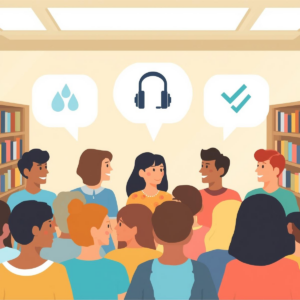
Culturally tailored communication involves more than translation. It means understanding cultural water use practices, respecting different landscape traditions and outdoor living patterns, using trusted messengers from within communities, reflecting cultural values in imagery and examples, and choosing culturally appropriate channels, ethnic media, community radio, places of worship, and neighborhood centers.
For instance, a campaign promoting water-efficient landscaping in a Latino community might acknowledge the cultural importance of green spaces for family gatherings while showcasing beautiful, functional alternatives that maintain outdoor living areas with less water. Materials would be professionally translated into Spanish and distributed through Spanish-language media, community centers, and cultural organizations.
Equitable Program Design and Communication
Water agencies can design conservation programs and communicate about them in ways that promote equity:
-
Enhanced incentives for disadvantaged communities: Offer higher rebates, free upgrades, or direct installation programs for low-income households, multifamily properties, and disadvantaged areas
-
Simplified application processes: Remove barriers like credit checks, homeownership requirements, or complex paperwork that exclude vulnerable populations
-
Multilingual customer service: Ensure phone support, online resources, and in-person assistance are available in customers’ primary languages
-
Targeted outreach: Proactively reach out to underserved communities rather than relying on self-selection, through door-to-door canvassing, community events, and partnerships with trusted organizations
-
Transparent communication about affordability programs: Clearly promote customer assistance programs, rate discounts, and payment plans so eligible customers know help is available
Amplifying Community Voices and Building Trust
Rather than water agencies being the sole voice on conservation and water policy, effective equity strategies elevate the voices of those most affected. This approach, often called “nothing about us without us,” ensures that communication is collaborative, not paternalistic.
Community advisory boards, customer panels, and participatory planning processes bring diverse voices into conservation program design, rate-setting discussions, and infrastructure investments. This not only makes programs more relevant but also builds community ownership and trust.
Many communities, particularly communities of color and low-income areas, have legitimate reasons to mistrust water utilities due to historical disinvestment, environmental injustice, water quality issues, or service shutoffs. Effective communication must acknowledge this history and work to rebuild trust through transparency, consistency, accountability, and demonstrated commitment to equitable service.
Measuring and Communicating About Equity Progress
Agencies should regularly measure and publicly report on water equity indicators and progress toward justice goals. Transparent communication about disparities, participation rates in rebate programs by income and race, water affordability by neighborhood, and infrastructure investment distribution helps build accountability and keeps equity central to water management. Data dashboards, annual equity reports, and regular community updates show that the agency is committed to tracking and closing gaps. Importantly, these communications should celebrate successes and highlight effective strategies that are working to advance water justice.
Marketing and Public Campaign Case Studies from Water Conservation Agencies
Real-world examples demonstrate how strategic communication can yield impressive results in water conservation. The following case studies highlight how different water agencies leveraged creative strategies to engage their communities and achieve measurable conservation outcomes:
Denver Water: “Use Only What You Need”
After Colorado’s 2002 drought, Denver Water made conservation a behavior change challenge, so it reframed the ask from sacrifice to eliminating waste with one clear idea, “Use Only What You Need,” and backed it with bold, minimalist visuals and humor that cut through clutter, from knotted-hose billboards to “Stop Running Toilets” and culture-poking lines that sparked talk and earned media. The campaign sustained momentum for a decade across outdoor, stunts, and attention-grabbing creative, driving a 21% drop in use in three months, building 83–89% awareness, and helping reduce overall water use by 22% by 2016, even as the population grew.
Southern Nevada Water Authority: Water Smart Landscapes Rebate Program
As Lake Mead dropped to historic lows, SNWA turned outdoor water use into a solvable behavior and service-design challenge by making turf removal financially irresistible through per-square-foot rebates, then removing friction with clear, step-by-step guidance on eligibility, design standards, approved plants, installation, and inspection. They reinforced the shift with demonstration gardens, before-and-after stories, and contractor and nursery partnerships that made desert landscaping feel vibrant and attainable, helping convert more than 250 million square feet of turf and save 12–15 billion gallons annually while reducing participating household use by roughly 19–21%.
Embracing Technology for Water Conservation Outreach and Education
 Digital tools and technology have reshaped how water conservation agencies communicate, educate, and support customers. When used well, technology does more than broadcast tips. It makes water use visible, reduces confusion, personalizes guidance, and creates faster pathways from awareness to action. That matters because conservation is rarely a one-time decision. It is a pattern of daily and seasonal choices, often influenced by habits, weather, home infrastructure, and what people believe is expected in their neighborhood.
The opportunity is not simply “more digital.” The opportunity is smarter engagement. Real-time data can help customers notice problems they would not otherwise see, like an irrigation line leak or an unnoticed running toilet. Portals and apps can remove friction, so customers can enroll in rebates, schedule audits, or adjust irrigation practices without getting stuck. Social media can create relevance and momentum, especially during drought peaks. Dashboards can reinforce transparency and shared responsibility. The key is to use technology thoughtfully. It should complement, not replace, traditional community engagement and human support, especially because many customers still rely on offline channels or need assistance to act on what they see.
Smart Meters and Real-Time Water Use Data
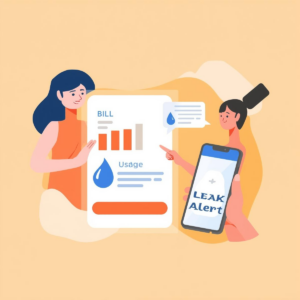
Advanced metering infrastructure (AMI) and smart meters create a fundamental shift. They move water communication from a monthly snapshot to a near-real-time feedback loop. Instead of learning about high usage when the bill arrives, customers can see daily or hourly patterns, identify sudden spikes that may signal leaks, and connect cause and effect faster. That immediacy is powerful for behavior change because it turns conservation from an abstract idea into a visible, trackable set of choices.
The strongest programs pair real-time data with proactive guidance. Alerts for unusual usage, “high overnight flow” warnings, and irrigation pattern insights help customers act before waste becomes expensive. Agencies can also use event-based messaging that responds to real conditions, such as heat waves, windy days, seasonal irrigation transitions, and drought stage changes. This is where technology becomes a service. It helps customers make the right choice at the right time rather than leaving them to interpret charts on their own.
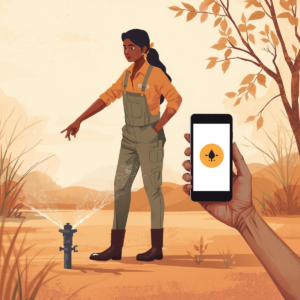
Smart home integration extends the impact. When water data connects to irrigation controllers, leak detection devices, and home automation platforms, customers can move from awareness to immediate correction. Some communities also use gentle gamification or social comparison tools, like milestones or neighborhood-level progress, to keep conservation top of mind. These features work best when they are opt-in and supportive, not shaming. Trust is preserved when the tone stays practical and empowering, and when agencies clearly communicate how data is used and protected.
Customer Portals and Mobile Apps
User-friendly portals and mobile apps put water information and conservation services directly into customers’ hands. They work best when they are designed around the tasks customers actually want to complete. Pay a bill. Understand usage. Get help with a leak. Apply for a rebate. Find drought rules quickly. Ask a question. Schedule an appointment. If the platform makes these tasks simple, customers come back. If it feels complicated or confusing, adoption stalls.
Well-designed platforms also support progression, not just transactions. A customer might start by paying a bill, then notice a usage trend, then explore tips, then enroll in a rebate program or request an audit. When the portal makes that pathway intuitive, it becomes a quiet driver of conservation outcomes. The most effective platforms also include alerts and reminders. These can include bill notifications, leak warnings, seasonal watering guidance, and rebate deadlines, all of which reduce missed opportunities and help conservation stick over time.
Digital tools should also reflect the realities of diverse communities. Mobile-first design matters because many households primarily access the internet through phones. Multilingual access matters because conservation information is only useful if it is understood. Accessibility compliance matters because agencies serve residents with varying abilities. The portal becomes a high-trust environment when it uses plain language, explains calculations clearly, and provides easy options for customer support, including phone and in-person help when needed.
Social Media Engagement
Social platforms have become essential for water conservation communication because they are fast, visual, and interactive. They allow agencies to share timely updates, answer questions, correct misinformation, highlight programs, and keep conservation visible during both drought emergencies and normal periods. Social works especially well when agencies stop treating it as a bulletin board and start treating it as a two-way engagement channel.
Engaging content tends to be specific and human. Quick tips framed around seasonal needs. Short videos showing how to adjust sprinkler heads. Time-lapse landscape transformations. Myth-versus-fact posts about drought rules. Behind-the-scenes facility tours that build understanding of where water comes from and how it is managed. Customer stories and simple challenges that make conservation feel doable. Agencies can also use user-generated content campaigns that encourage residents to share drought-tolerant yards, leak fixes, or small household upgrades, which builds social proof without heavy-handed messaging.
Paid targeting can help ensure the right message reaches the right audience, especially when rules vary by zone, when a rebate program is limited to certain areas, or when messaging needs to focus on high-use customer segments. Social can also play a major role in rumor control during drought stage shifts. The agencies that do this best maintain a consistent cadence, respond quickly to common questions, and link back to a single source of truth so the public knows where to verify details.
Interactive Data Visualization and Transparency
Water systems are complex, and that complexity can create confusion or skepticism if people feel they are being asked to change behaviors without understanding why. Interactive dashboards and visual tools help make water conditions tangible. Reservoir levels, snowpack, supply forecasts, conservation progress, neighborhood trends, and infrastructure investments become easier to grasp when presented visually and explained in plain language.
These tools support both public understanding and public confidence. They demonstrate transparency. They show that conservation is connected to real system conditions. They also help policymakers and community leaders communicate accurately, which reduces mixed messaging. The strongest dashboards anticipate questions and provide context, including what a metric means, why it matters, and what actions are being taken. They also avoid overwhelming users with technical details. Good visualization is not just data display. It is a guided interpretation.
Some agencies add real-time reservoir cameras, watershed monitoring, and water quality dashboards. These can build long-term literacy and reinforce that water management is ongoing, not only a crisis response. When paired with consistent communication, visualization becomes a trust-building asset that helps residents understand the shared effort behind conservation.
Websites as Conservation Hubs
A well-designed website remains the backbone of digital communication because it can serve as the central hub for conservation rules, tips, rebate programs, and customer services. In practice, the website is often the place people go when they have a question they need answered accurately. That means the site must be designed for speed and clarity, especially during drought moments when residents want quick answers.
Effective conservation websites tend to share a few characteristics. Clear navigation and strong search. Mobile-friendly layout. Plain-language writing. Multilingual support. Accessibility compliance. Simple action paths for key tasks like checking watering schedules, applying for rebates, requesting audits, reporting leaks, and understanding drought stages. They also integrate seamlessly with customer portals and online transactions, so customers do not bounce between confusing systems.
Many agencies benefit from building a “drought mode” approach. During severe periods, the homepage shifts to highlight rules, schedules, and urgent updates, while still maintaining evergreen education resources. The website becomes the single source of truth that all channels reference, which reduces confusion and improves consistency across staff, partners, and media.
Technology-Enabled Education and Outreach Experiences
Technology can also expand education beyond static content. Virtual workshops, live Q&A sessions, interactive quizzes, and short explainer videos can make conservation more approachable. Tools like rebate calculators, irrigation schedulers, and landscape planning guides help customers translate interest into concrete planning. For schools and youth audiences, digital learning modules can reinforce water literacy and create long-term cultural impact.
Digital signage and QR code access points can bridge physical and digital spaces. Signage at parks, community centers, libraries, and public facilities can direct residents to localized watering rules, conservation tips, and rebate programs, while also providing feedback channels for questions and concerns. This approach works especially well when customers need information in the moment, such as at a demonstration garden, a public landscape, or an event.
Some agencies also explore automated assistants for common questions, such as “What are my watering days?” or “How do I apply for the rebate?” These tools can help reduce call volume and improve response time, but they must be designed with careful guardrails. The goal is to increase clarity, not add confusion. Any automated guidance should point back to authoritative pages, and complex issues should always have a clear pathway to a human response.
Blending Digital and Traditional Communication
Technology creates powerful opportunities, but it also creates risks if agencies rely on it too heavily. The digital divide remains real. Gaps in internet access, device ownership, and digital literacy can exclude vulnerable populations, including low-income households, seniors, rural residents, and residents with limited access to technology or English-language platforms.
High-performing agencies take a blended approach. They maintain traditional channels like print materials, bill inserts, community meetings, phone hotlines, radio, and local television. They distribute resources through trusted community partners. They provide in-person support at libraries, community centers, or agency offices. They use multiple formats so customers can receive guidance in the way that best fits their reality. The intent is not to treat digital as the default and traditional as a backup. The intent is to design for inclusivity from the start.
Blending channels also strengthens trust. Digital tools are efficient, but human interaction is often what helps customers overcome skepticism, ask follow-up questions, and feel confident taking action. When agencies combine both, they can maximize reach while protecting equity and engagement quality.
Making Technology Work for Conservation Outcomes
The most important principle is that technology should serve the conservation goal, not the other way around. Digital tools are most effective when they are tied to specific behaviors, aligned with the agency’s messaging, staffed for responsiveness, and measured for impact. That means monitoring what customers click, what questions they ask, what programs they enroll in, and where they get stuck. It also means refining content, improving navigation, and adjusting channel strategies over time.
When agencies integrate smart data, strong digital design, and inclusive outreach, technology becomes a force multiplier. It helps customers understand their role, makes conservation easier to carry out, and supports the long-term cultural shift that water resilience requires.
Community and Stakeholder Engagement in Water Conservation
Water agencies do not operate in isolation; they are embedded within communities and networks of partners. Effective communication extends beyond public-facing campaigns to include meaningful engagement with customers, landscape professionals, agricultural producers, businesses, environmental organizations, policymakers, and other stakeholders. By actively involving these partners in dialogue and collaboration, water agencies remain responsive to community needs, culturally relevant, and supported by a broad coalition working toward shared water stewardship goals.
Centering Community Voices in Water Planning
The most effective and equitable water conservation initiatives are those co-created with the communities they serve. This participatory approach involves community members as partners in identifying conservation priorities, designing programs, and evaluating outcomes. In practice, this might mean community water planning processes where residents identify local water priorities and concerns, advisory boards and customer panels that include diverse representatives providing ongoing guidance, co-design of conservation programs where community members help design rebates and messaging, and community feedback mechanisms through surveys, focus groups, and public meetings.
Building Strong Partnerships Across Sectors
Effective water conservation requires partnerships across many sectors. Key partnerships include landscape and irrigation professionals who can promote and install water-efficient landscapes and systems; agricultural extension services and farm bureaus for agricultural water efficiency; environmental and watershed organizations for ecosystem protection and education; homeowner associations and property management companies for multifamily and community outreach; nurseries and garden centers for drought-tolerant plant promotion; schools and universities for youth education and research partnerships; local government agencies for coordinated land use and water planning; businesses and chambers of commerce for commercial water efficiency; and community-based organizations serving specific populations.
Engaging Landscape Professionals as Conservation Partners
Landscape designers, contractors, and maintenance professionals are on the front lines of outdoor water use. Water agencies can amplify conservation by equipping these professionals with training, certification, tools, and resources. Strategies include Water-Wise Landscaper certification programs that train professionals in efficient irrigation, appropriate plant selection, and sustainable design; providing technical resources like plant guides, design templates, and irrigation specifications; offering preferential rebate processing for certified professionals; featuring certified professionals in customer referral directories; and partnering on demonstration projects and case studies.
Fostering Public Participation and Advocacy
Water management is inherently political; it involves decisions about resource allocation, rate structures, and whose priorities are reflected in policy. Agencies that empower community members to become advocates for sustainable water management strengthen both conservation outcomes and democratic engagement. This can involve educating the public about water policy and how decisions affect communities, supporting community-led advocacy through training, data, and platforms for public input, amplifying marginalized voices to ensure those most affected by water challenges have opportunities to share their perspectives, and creating accessible public participation processes for rate hearings, planning meetings, and policy development. When community members feel informed, empowered, and supported to advocate for water stewardship, it creates a more engaged, resilient, and equitable water system.
Comparison with Other Agency Types
While this article focuses on water conservation agencies, the most effective approaches in water messaging are rarely “water-only.” They are public service communication practices that translate across missions, because the underlying challenge is the same. Agencies must earn attention, build trust, explain complex systems in plain language, and motivate people to take specific actions in real-world conditions that include limited time, competing priorities, and uneven access to resources.
Across public health, environmental services, transportation, energy, parks and recreation, social services, emergency management, and municipal administration, the strongest communication programs share a common backbone. They define clear objectives, identify priority audiences, craft messages that resonate with those audiences, select channels that reach people where they actually are, and measure whether communications led to understanding and action rather than assuming exposure equals impact.
Behavior Change Communication
Water conservation campaigns are, at their core, behavior change campaigns. The goal is not simply to inform the public that a drought exists or that watering rules changed. The goal is to make a specific set of behaviors feel doable and worthwhile today, then keep those behaviors going long enough to matter. That same behavior-change challenge shows up everywhere in government.
Public agencies routinely ask people to do hard things voluntarily. Recycle correctly. Use public transit. Reduce energy use during peak hours. Enroll in benefits on time. Prepare for emergencies. Adopt healthier habits. In each case, agencies succeed when they reduce friction, make the desired action feel normal, and connect the action to outcomes people care about. Water conservation has a long track record of combining creativity with practicality. It uses memorable messaging, simple step-by-step guidance, and “show your neighbors” social proof, while also pairing communications with incentives or supportive tools that make the behavior easier to do.
The most transferable lesson is this. Messaging alone rarely carries the load. The best water programs treat communication as part of the service design. They look for barriers. Confusing rules, unclear schedules, lack of tools, high upfront costs, limited language access, and then they work with partners to remove those barriers. When you translate this approach to transit, public health, or recycling, the same principle holds. If you want people to do something consistently, your communications must be matched by a clear, convenient pathway that makes follow-through feel straightforward.
Resource Scarcity and Urgency Communication
Water agencies are skilled in communicating about scarcity without creating panic or cynicism. That balance is directly relevant to other agencies dealing with constrained systems. Energy demand surges during heat waves. Roadway capacity collapses during peak hours and incidents. Emergency services face strain during crises. Public health systems experience surges during outbreaks. The common risk is that urgency messaging can either overwhelm people or make them feel blamed, especially when the public believes the system itself is part of the problem.
Water communication offers a strong model for holding two truths at once. Individual actions matter, and systemic actions are underway. The most effective scarcity messaging explains what is happening, why it is happening, what the agency is doing, and what the public can do right now that will have a meaningful impact. It also sets expectations about tradeoffs and uncertainty with transparency. That transparency is not optional in a scarcity context. Trust is the currency that determines whether people cooperate, especially when the ask is inconvenient.
This is also where tone matters. Urgency works best when paired with empowerment. People need clarity and agency, not just alarm. In practice, that means replacing vague calls to “do your part” with specific actions, timelines, and triggers. It means acknowledging emotions and frustrations. It also means updating regularly so the public does not fill gaps with rumors or misinformation during high-stakes periods.
Data-Driven, Personalized Engagement
Water utilities have helped normalize personalized public service communication. Smart meters, customer portals, usage alerts, and tailored recommendations take an abstract community challenge and make it personal and measurable. That same “feedback loop” model is already spreading across government services, because it can move people from passive awareness to informed action.
Energy utilities use similar tools to show customers where electricity use spikes, then recommend targeted reductions. Transportation agencies offer individualized route planning, service alerts, and real-time options that help people choose transit, avoid congestion, or adjust travel times. Public health agencies increasingly provide targeted reminders, risk guidance, and localized dashboards. Across these contexts, the lesson from water is that personalization works best when it is respectful, simple, and clearly tied to a benefit the user values.
Personalized data also raises a practical expectation. If you show people their data, they will want to know what it means and what to do about it. That is where clear language and actionable next steps become essential. When agencies do this well, they shift from broadcasting information to providing a service experience that helps the public make better decisions, one household or one commuter at a time.
Cultural Competence and Multilingual Communication
Water conservation agencies often serve communities with wide variation in language, household structure, housing type, income constraints, and cultural norms related to landscaping, outdoor gathering, and home maintenance. Their strongest outreach recognizes that “one message for everyone” is not equitable and it is not effective.
The transferable lesson is that cultural responsiveness is not a finishing touch. It is core to reach, comprehension, and trust. Agencies build stronger outcomes when they meet people where they are. That includes using the languages residents actually speak, working through trusted messengers, choosing culturally relevant examples, and offering materials in formats that fit how different audiences consume information. Accessibility includes plain language, multiple languages, and multiple formats such as print, audio, and video, plus an honest effort to match reading levels and community context.
Partnership and Network Approaches
Many of the most successful water conservation programs are not successful because a utility “posted more content.” They are successful because they built a network. Landscape professionals, community organizations, schools, neighborhood leaders, local businesses, and media partners become extensions of the message and the mission. That network approach is widely transferable, because trust often travels through relationships more effectively than it travels through official channels.
Transportation agencies can partner with employers, schools, and major event venues to shape commuting patterns and share service changes quickly. Health departments can partner with faith communities, clinics, and cultural organizations to increase credibility and reach. Environmental services teams can work with neighborhood associations and property managers to normalize correct recycling behaviors. In each case, the agency’s role shifts from sole messenger to coordinator and enabler, helping partners communicate accurate guidance in a voice and setting their audiences already trust.
This is also where two-way engagement strengthens outcomes. Campaigns improve when agencies treat the public as a source of insight, not just a target for compliance. Advisory groups, listening sessions, surveys, and participatory design methods can surface what people misunderstood, what barriers they face, and what messages actually resonate. That participatory approach is increasingly universal across public agencies because it improves both legitimacy and effectiveness.
What This Means Across Agencies
When you zoom out, the cross-agency takeaway from water conservation is simple. Effective government communication rests on clarity, empathy, cultural responsiveness, accessibility, consistency, and a genuine commitment to serving and engaging the public.
That foundation is what allows any agency to move from awareness to understanding, from understanding to action, and from action to sustained public cooperation. It is also what creates resilience. When an agency has built trust and a communication infrastructure before a crisis, the public is more likely to listen when urgency arrives.
For readers who want to go deeper on how to design and deliver these kinds of campaigns, A Comprehensive Guide to Public Communications for State and Local Government Agencies provides a practical, detailed look at many of the same principles that make water conservation outreach effective. Water agencies face familiar challenges that show up across government. They have to build trust during uncertainty, communicate complex information in plain language, reach diverse audiences with culturally competent and multilingual content, and choose channels that match how people actually receive and act on information.
What makes water conservation especially useful as a learning model is that it combines long-term behavior change with moments of real urgency, often in the same season. That mix forces agencies to get the fundamentals right. Clear calls to action, consistent messaging across platforms, credible data and transparency, and a steady rhythm of updates that keep people informed without overwhelming them. Because these dynamics closely mirror challenges in public health and other public service domains, many of the approaches that work in water conservation can be adapted and shared across agencies, especially when the goal is sustained public cooperation and measurable behavior change.
Strengthening Communications with Expert Support
 Managing water conservation communication, whether for a municipal water utility, a regional water authority, or a state water resource agency, requires strategic coordination, creative execution, and a deep understanding of community dynamics. Many agencies successfully manage this work in-house by leveraging expertise from operations staff, customer service teams, communications professionals, and conservation specialists. Internal teams bring invaluable institutional knowledge, local context, and trusted relationships critical for effective outreach. With the right training, tools, and support, many organizations build strong communication capacity from within.
At the same time, some agencies find that partnering with external experts, such as water conservation communications consultants, public engagement specialists, creative agencies, or behavioral scientists, can provide a helpful perspective, additional bandwidth, or specialized skills for high-priority efforts. Whether it’s developing a comprehensive conservation campaign, launching a major rebate program, refreshing brand identity and messaging, implementing advanced metering communications, or conducting community water planning with robust engagement components, outside support can complement internal strengths.
The key is finding the right balance: aligning communication approaches with your agency’s mission, community context, resource availability, and conservation goals. Whether managed internally or in partnership with external consultants, the most successful strategies root themselves in transparency, community engagement, creative excellence, and a clear understanding of who you’re trying to reach and why.
Ready to Strengthen Water Conservation Communication for Your Agency?
From managing drought restrictions and promoting landscape transformation to implementing conservation programs and engaging diverse communities, we understand the communication challenges your water agency faces: limited budgets, competing priorities, conservation fatigue, complex water science, and the need to motivate lasting behavior change across diverse populations.
At Stegmeier Consulting Group, we help water conservation agencies like yours develop clear, creative, and effective communication strategies. Whether you’re launching a turf conversion rebate program, responding to drought emergencies, building a year-round conservation culture, or engaging underserved communities in water stewardship, we’ll help you:
-
Craft compelling messages that break through the noise, inspire action, and shift cultural norms around water use
-
Design campaigns that balance urgency with empowerment, making conservation attractive and achievable
-
Ensure equity and inclusion in communications so all communities can participate in conservation programs
-
Streamline outreach across traditional media, digital platforms, community partnerships, and customer engagement channels
-
Gather community input through surveys, focus groups, and participatory processes that inform program design
-
Train internal teams to communicate consistently, creatively, and confidently about water conservation
-
Measure and communicate impact with clear data and storytelling that demonstrate conservation successes
Whether you lead a small municipal utility, manage a large regional water authority, or oversee state water conservation programs, our work is grounded in the same mission as yours: protecting water resources, building resilient communities, and ensuring sustainable water supplies for future generations.
Reach out today for a consultation. We’d love to explore how we can help you communicate more effectively, engage your stakeholders, and amplify the vital work you do to conserve and protect our most precious resource.