From Outreach to Impact: How Burlington County, New Jersey’s Veterans Expo Built a Model for Local Veteran Engagement
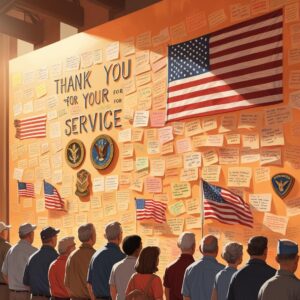
In Mount Laurel, New Jersey, a single event demonstrated how strategic communication and community-centered design can make a profound difference in the lives of those who served. Held at Rowan College at Burlington County (RCBC), the Burlington County Veterans Expo was more than just a service fair—it was a local government-led initiative rooted in respect, access, and informed connection.
Organized by the Burlington County Sheriff’s Office in collaboration with the New Jersey Department of Military and Veterans Affairs (DMAVA), the Expo exemplified how local agencies can meet veterans where they are—physically, emotionally, and bureaucratically. This case study explores how the Expo served as a communication-rich intervention that addressed common barriers veterans face when accessing support.
The Initiative: Burlington County Veterans Expo
Too often, veterans find themselves navigating fragmented systems, unclear information, and a lack of personal connection when seeking benefits. The Burlington County Veterans Expo was designed to address these issues head-on. It brought together a wide array of federal, state, and local partners, nonprofits, and veteran service organizations—all under one roof—to create a seamless, accessible, and dignified experience for veterans and their families.
Rather than requiring veterans to travel from office to office or comb through complex websites, the County reversed the equation: the services came to the veterans.
A Communication-Centered Approach to Veteran Support
At its core, the Expo was a communications success. It recognized that providing a service is only effective if it is clearly explained, accessible, and reinforced by trust. Burlington County’s approach was guided by four key principles:
- Clarity: Make benefits and services easy to understand.
- Access: Reduce logistical and emotional barriers.
- Trust: Use community institutions and personal interaction to build credibility.
- Integration: Deliver services holistically, not in silos.
Key Program Components
1. Veteran ID Cards: Tangible Recognition and Practical Utility
The Burlington County Sheriff’s Office issued free veteran ID cards to honorably discharged veterans, a gesture both symbolic and practical. These cards are often required to obtain discounts, access municipal veteran services, or confirm veteran status without carrying DD-214 forms.
Why It Works:
- Psychological Empowerment: Veterans left with something in hand—a physical acknowledgment of their service.
- Ease of Access: On-site processing cut down wait times and removed paperwork barriers.
- Trust in Authority: IDs issued by the Sheriff’s Office conveyed local legitimacy and respect.
2. On-Site Medical Screenings: Preventive Care Made Accessible
Veterans received free screenings for common conditions such as high blood pressure, glucose levels, and more. These screenings were provided by medical partners and designed to encourage early detection and promote health literacy.
Why It Works:
- Location Convenience: Providing screenings on-site reduced transportation and scheduling barriers.
- Immediate Value: Attendees left not just with information, but with real health insights.
- Health Engagement Gateway: The screenings opened the door to further conversations about preventative care and long-term health benefits.
3. Personalized Information on Federal and State Benefits
Representatives from the VA, DMAVA, and other government offices were available to explain veteran benefits, answer questions, and provide printed materials tailored to different needs—disability compensation, housing, healthcare, and education, among others.
Why It Works:
- Demystifying the System: Complex benefits were made accessible through plain-language explanations and human interaction.
- Tailored Guidance: Each attendee received one-on-one assistance relevant to their situation, increasing confidence and follow-through.
- Lowering Bureaucratic Intimidation: Face-to-face dialogue humanized government processes and empowered veterans to take action.
4. Resource Connections with Local Support Organizations
Over a dozen local service providers were present, including mental health counselors, legal aid organizations, housing support programs, job training providers, and the Burlington County Division of Military and Veterans Services. This multi-agency presence demonstrated a holistic understanding of veterans’ needs.
Why It Works:
- Interagency Collaboration: Veterans accessed a network of coordinated services rather than isolated programs.
- Immediate Referrals: Attendees could connect with support on the spot—reducing the drop-off that often occurs with delayed follow-up.
- Whole-Person Support: The Expo recognized that veteran wellness extends beyond health or benefits—it includes social, emotional, and community well-being.
5. Human-Centered Design and a Welcoming Atmosphere
The Expo’s greatest success came from how it felt. Rather than a bureaucratic process, it was designed as a community gathering where veterans were honored, supported, and seen.
Why It Works:
- Veteran-Sensitive Environment: Attendees were welcomed with respect, not processed as cases.
- Navigation Support: Volunteers assisted visitors in finding booths, explaining options, and providing mobility support when needed.
- Emotional Validation: Staff listened empathetically, ensuring that every veteran felt heard and appreciated.
Broader Communication Impacts and Lasting Value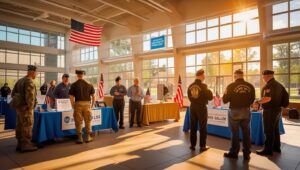
While the Burlington County Veterans Expo was a one-day event, its communication-centered design produced lasting effects. The initiative deepened public awareness, strengthened agency collaboration, and positioned veteran services as a civic priority.
Improved Awareness and Health Literacy
Many attendees reported discovering new programs and benefits they previously didn’t know existed, empowering them to take proactive steps toward support.
Stronger Community Ties and Interagency Collaboration
The event brought together a cross-section of local and state organizations, fostering shared understanding and reinforcing community networks.
Ongoing Outreach and Follow-Up Capacity
Feedback forms, mailing list signups, and post-event consultations helped convert one-time interactions into ongoing relationships with veterans.
Normalizing Veteran Conversations in Civic Life
By integrating veteran issues into broader community discussions, Burlington County reframed them as shared priorities, strengthening local belonging and mutual respect.
 Communication Lessons from Burlington County
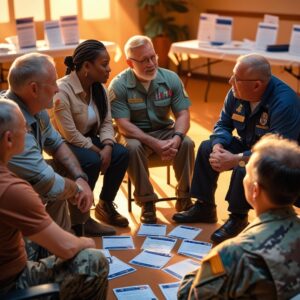
The Burlington County Veterans Expo demonstrates how thoughtful, human-centered communication transforms service delivery into community connection. The following lessons offer a blueprint for replication.
1. Bring the System to the People
Hosting a centralized event reduced complexity, making it easier for veterans to access multiple services without navigating bureaucratic layers.
Additional Insight: Public spaces like colleges and libraries create a welcoming setting that feels inclusive and non-intimidating.
2. Create Trust Through Personal Contact
Direct interaction with trained professionals, uniformed officers, and fellow veterans built emotional credibility and fostered belonging.
Additional Insight: Peer-to-peer staffing and testimonials strengthen authenticity—trust grows when the messenger reflects the audience.
3. Bridge Complexity with Clarity
The Expo’s communication materials simplified government jargon and offered immediate, actionable steps for follow-up.
Additional Insight: Clear take-home materials and follow-up instructions keep momentum going after the event.
4. Collaborate Across Sectors
Integrating health, legal, housing, and social services created a holistic framework for veteran support.
Additional Insight: Shared data systems and post-event debriefs can sustain cross-agency collaboration beyond the event day.
5. Design for Belonging, Not Just Attendance
From signage to tone, every element communicated care, safety, and inclusion.
Additional Insight: Small gestures—such as personal greetings, quiet spaces, and thank-you messages—reinforce respect and community trust.
6. Use Events as Feedback Loops
The Expo doubled as a listening forum, collecting insights that will shape future programs and outreach efforts.
Additional Insight: Exit surveys or comment boards turn engagement into co-creation, giving veterans a voice in shaping the next iteration.
7. Make the Invisible Visible
The event spotlighted veterans who had previously fallen outside traditional support networks, helping reconnect them with available resources.
Additional Insight: Strategic promotion through local media, churches, and VFW networks extends reach to veterans not yet connected to official channels.
Conclusion: From Respectful Communication to Lifelong Impact
The Burlington County Veterans Expo exemplifies how local government can evolve from a passive provider to an active community partner. Through collaboration, empathy, and clear communication, the County transformed a single event into a model for civic inclusion and long-term engagement.
The lesson is simple but powerful: when communication is intentional, veterans don’t just receive services—they experience connection, respect, and belonging.
Ready to Elevate Your Agency’s Public Communication?
We understand the unique challenges state and local government agencies face—from complex issues to diverse community needs. Our comprehensive approach can help you transform the way you connect with constituents, improve transparency, and highlight the valuable work your agency does every day.
Interested in learning more? Reach out to us today for a consultation. We’d love to discuss how our services can support your goals and help you build lasting trust with the communities you serve.