From Awareness to Action: Engaging Voters through Targeted Communication Fulton County, Georgia
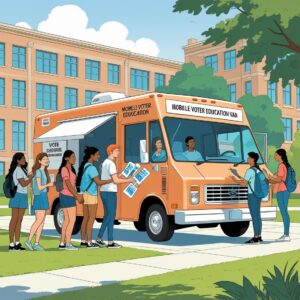 Fulton County’s Department of Registration & Elections brought democracy directly to its residents through a dynamic early voting awareness effort anchored by its Voter Education Mobile Unit. With a focus on real-time engagement, accessible messaging, and presence in high-foot-traffic locations, the county’s campaign made early voting feel approachable, flexible, and easy to understand.
Set on the campus of Georgia State University, the campaign reached students and young voters where they live and learn—offering a mobile hub of nonpartisan information and voter assistance. This case study explores how mobile outreach, digital messaging, and strategic partnerships helped Fulton County promote voting as both a right and a civic celebration.
The Initiative: Voter Education on the Move
Voter Education Outreach Unit with support from national civic engagement coalitions. The focus was clear: meet voters where they are—both physically and in terms of access to information.
The unit’s deployment on the campus of Georgia State University was strategic. University campuses are often filled with young, first-time voters who may be unfamiliar with voting procedures or hesitant to ask questions. By offering a mobile hub staffed with trained representatives, the campaign lowered the barrier for engagement. Instead of visiting a government building or navigating a website, students could walk up to a welcoming, branded van and receive clear, accurate information about how to vote.
The campaign also ensured that the information provided was accessible and useful. From understanding how to use a drop box to checking ID requirements, students received personalized guidance. Importantly, this model made civic engagement feel relevant and immediate, helping build voting habits that could carry forward for years.
Communication-Centered Program Activities
1. Voter Education Mobile Unit: Street-Level Engagement in Action
A central feature of the campaign was the deployment of the Voter Education Mobile Unit on the campus of Georgia State University. Parked near a central student building, the unit offered services and materials throughout the day, including:
- Personalized explanations of early voting procedures
- Guidance on mail-in and absentee ballots
- Locations and rules for drop boxes
- Answers to voter ID and eligibility questions
- Free printed materials, swag, and QR codes linking to official voting tools
Staffed by trained outreach representatives, the mobile unit created a low-pressure, informal environment where passersby could ask questions without needing to navigate official buildings or websites.
Why It Works
Mobile access is transformative because it eliminates many of the hurdles that typically discourage civic participation. By bringing voter education directly to where people live, work, and learn—rather than requiring them to seek it out—the campaign significantly reduced logistical challenges like transportation and scheduling conflicts. This approach also diminished the psychological barriers that can accompany government processes, particularly for young or first-time voters who may feel overwhelmed or excluded. The friendly, informal presence of the mobile unit created a low-pressure environment that invited curiosity rather than anxiety.
In-person engagement further contributed to the campaign’s effectiveness. Human interaction allows for the clarification of complex topics, and many voters benefited from being able to ask questions and receive immediate, personalized answers. This face-to-face dynamic helped replace confusion with confidence. Finally, the visual appeal of the branded van and signage not only attracted foot traffic but also conveyed professionalism and credibility—ensuring people recognized the information as trustworthy and official.
2. Consistent Messaging on Early Voting Options
The campaign promoted three key voting options: in-person early voting, absentee voting by mail or drop box, and Election Day precinct voting. Rather than focusing on one path, it emphasized flexibility, allowing voters to choose the option that best suited their needs.
Rather than focus on a single method, Fulton County’s communications promoted all three options equally—underscoring that voters could choose the method that best fit their schedule and needs.
Messaging Taglines Included:
- “Vote Early, Fulton County!”
- “Vote when it works for you—mail, drop box, or early in-person.”
- “Don’t wait—make your voice heard early.”
These taglines appeared across press releases, social media, signage, and printed handouts—repeatedly reinforcing the message of choice and convenience.
Why It Works
Messaging that emphasizes flexibility is especially effective because it acknowledges the diversity of voters’ lifestyles and circumstances. Many individuals face barriers to voting on a single day—be it work obligations, caregiving duties, health concerns, or limited transportation. By highlighting that multiple voting methods are available, the campaign removed excuses and offered realistic, manageable paths to participation. This approach helped voters feel empowered rather than constrained, which is critical for fostering a sense of agency.
Additionally, the campaign’s neutral tone was intentional and strategic. In a time of political polarization, nonpartisan language helped the message reach voters across the ideological spectrum. Avoiding partisan framing increased trust and minimized resistance from individuals who may otherwise be skeptical of government-led efforts. Finally, the campaign’s repeated use of core phrases and visuals ensured these ideas were retained. The more often people saw the message, the more likely they were to remember and act on it—especially when paired with engaging, visually distinctive formats.
3. Multi-Channel Communication Strategy: Digital, Media, and Partnership-Driven Amplification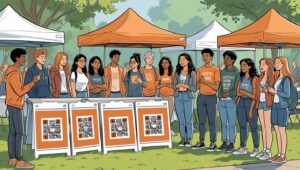
County Website and Newsroom
The county’s website served as the primary information hub. Press releases announced the campaign, shared dates and times, and provided instructions for accessing early voting options. This was the go-to source for reporters, community partners, and any resident wanting to confirm details.
Social Media Engagement
Fulton County Elections used Facebook, Twitter/X, Instagram, and LinkedIn to share updates, behind-the-scenes glimpses, and voter education content. Posts were visually engaging—featuring photos, videos, GIFs, and infographics—and paired with friendly, accessible language. Student-centered platforms like Instagram helped amplify reach and peer visibility.
The county also engaged in real-time responses to FAQs and reposted content from the Vote Early Day coalition to align with national messaging.
Onsite Signage and Printed Materials
At the point of engagement, physical materials added clarity and visibility. Branded tents and feather flags helped direct foot traffic, while bilingual signage and flyers addressed common questions. QR-coded flyers were especially effective, connecting students to online voter registration portals or ballot tools within seconds.
Partner and Coalition Messaging
By working with the Vote Early Day coalition, Fulton County extended the campaign’s reach through co-branded materials, shared hashtags, and toolkits. These assets increased the campaign’s algorithmic presence and made it easier for local partners to share consistent messages.
Influencer and Campus Channel Support
Student organizations and campus influencers helped spread the word. Georgia State University clubs reposted county content, created their own posts, and shared reminders through chat groups. The campaign benefited from informal endorsements and peer-to-peer encouragement, which often holds more weight than official announcements.
Why It Works
A multi-channel strategy succeeds because it respects the reality of how modern audiences consume information. By meeting people in multiple digital and physical spaces—from websites and social media to campus lawns and student bulletin boards—the campaign ensured no single channel bore the full burden of outreach. This diversified presence increased the likelihood that each voter would encounter the message in a format they trust and understand.
The use of peer amplification, especially through student organizations and informal influencers, added another layer of authenticity and reach. When voters see messages from their peers—not just government entities—they are more likely to view the content as relevant and relatable. Trusted messengers carry more weight than anonymous authority, particularly among younger voters. Consistent visuals and slogans, reinforced across all platforms, helped tie the campaign together into a recognizable and coherent experience. This consistency reduced confusion and built brand familiarity, which is essential for encouraging follow-through.
 Takeaways: Lessons from Fulton County’s Early Voting Strategy
- Mobility Equals Access Bringing voter education directly to communities removes logistical and psychological hurdles.
- Multi-Option Messaging Resonates Promoting a range of ways to vote empowers voters to choose what works best.
- In-Person Engagement Remains Powerful Face-to-face communication builds trust, especially with younger and first-time voters.
- Amplify Through Partnerships Leveraging national coalitions and local digital channels extends reach far beyond the event footprint.
- Consistency is Key Repetition of core messages across all touchpoints helps voters retain critical deadlines and instructions.
Conclusion: Voting in Motion
Fulton County’s Vote Early Day campaign demonstrated how mobility, clarity, and presence can reshape the voter experience. By positioning voting as a flexible, approachable, and celebrated act, the county built trust, reached students in a meaningful way, and reinforced that democracy doesn’t just happen in polling places—it happens wherever people are ready to engage.
This model serves as a scalable, replicable blueprint for other jurisdictions seeking to modernize voter outreach while staying rooted in community connection and trust. When communication is intentional, partnerships are leveraged, and access is prioritized, participation becomes a shared, celebrated norm.
Fulton County’s effort reminds us that voting doesn’t just begin on Election Day. It begins the moment someone feels seen, informed, and empowered to take part.
Ready to Elevate Your Agency’s Public Communication?
We understand the unique challenges state and local government agencies face—from complex issues to diverse community needs. Our comprehensive approach can help you transform the way you connect with constituents, improve transparency, and highlight the valuable work your agency does every day.
Interested in learning more? Reach out to us today for a consultation. We’d love to discuss how our services can support your goals and help you build lasting trust with the communities you serve.