
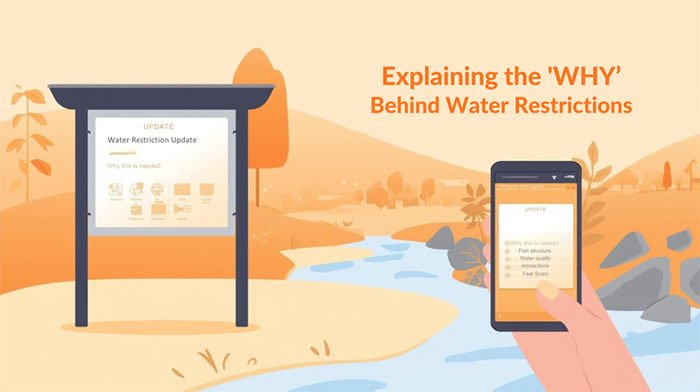
Explaining the “Why” Behind Water Restrictions
 Across Water Conservation Districts, water restrictions are becoming a more frequent and more essential communication topic. Drought cycles, climate variability, changing hydrologic conditions, infrastructure limitations, and peak demand pressures all influence when and how districts limit water use. Yet while restrictions may be necessary, they often frustrate customers who feel unprepared, confused, or inconvenienced by the change. When restrictions are communicated without explanation, customers may interpret them as arbitrary or overly strict, especially when conditions appear normal. A reservoir can look stable even when usable storage is dropping. Neighborhood landscapes can look unchanged even when demand is exceeding supply targets. Clear explanations are therefore critical for helping customers understand both the purpose and the urgency behind water restrictions.
Customers rarely arrive with background knowledge about supply constraints, system vulnerabilities, or the triggers used to set drought stages. They are focused on daily routines, home needs, landscape care, and keeping costs predictable. Without communication that explains the “why,” restrictions can feel like barriers to basic expectations of reliable service. Districts often hear complaints when watering schedules tighten or when certain outdoor uses are temporarily prohibited. They may also face pushback when program requirements change quickly, when enforcement increases, or when restrictions differ from neighboring jurisdictions. In each case, frustration stems not only from the restriction itself, but from not understanding the reasoning behind it.
Communicating the “why” prevents conflict, reduces misinformation, and encourages cooperation. When customers understand that restrictions protect shared supply, stabilize system reliability, support equitable access, and reduce the likelihood of more severe measures later, they are more likely to comply voluntarily. Restrictions shift from feeling punitive to feeling purposeful. By grounding communication in clarity, empathy, and relevance, districts help customers connect their actions to the long term reliability of the water system they depend on. This article explores communication strategies that help districts explain water restrictions more effectively, fostering trust and long term stewardship across diverse customer groups.
Why Clarity About Water Restrictions Matters
Customers need clear, timely, and context rich communication when water restrictions go into effect. Water Conservation Districts implement restrictions to protect shared supply, reduce avoidable losses during drought stages, and maintain system reliability during periods of heightened demand. Districts may also coordinate restrictions with retail providers, municipalities, or wholesale suppliers to ensure that requirements are consistent with regional conditions. When districts articulate these reasons clearly, customers better understand the necessity of the restriction and what actions are expected.
Without clarity, customers rely on assumptions that may not reflect operational realities. Some may believe a restriction is optional if the language is vague or the schedule is hard to interpret. Others may assume the restriction applies only to certain neighborhoods, customer types, or outdoor uses. Still others may think the restriction is excessive if they cannot see visible stress or if recent weather feels normal. These misunderstandings can lead to frustration, uneven compliance, and mistrust toward the district. Clear communication helps eliminate guesswork and equips customers with accurate expectations before violations or conflicts occur.
Clarity also strengthens credibility. Customers trust districts more when messages are consistent, specific, and transparent. A clear explanation such as “Storage is below the level needed to maintain reliable supply through the season” or “This restriction reduces peak demand that stresses the system and increases costs” reinforces district expertise and intention. When customers understand that restrictions are grounded in measurable conditions and community needs, they respond with more patience and cooperation, even when the restriction disrupts routines.
From Scarcity to Sustainability: Effective Communication Strategies for Water Conservation Agencies
This article is part of our series on strategic communication for Water Conservation Special Districts and Public Water and Sewer Utilities. To learn more and to see the parent article, which links to other content just like this, click the button below.
Explaining Ecological Vulnerabilities in Customer Friendly Language
Environmental stressors often drive water restrictions, yet those vulnerabilities are not always visible or intuitive to customers. Water Conservation Districts may tighten outdoor watering rules when watershed conditions, stream temperatures, or low flows increase ecological risk downstream. Districts may also coordinate with environmental and regulatory partners when certain water sources are stressed, when habitat needs require protection, or when poor water quality triggers precautionary limits. At the same time, operational factors like reduced storage, constrained treatment capacity, and system pressure during peak demand can create real limits that customers cannot see. Explaining these dynamics in clear, non technical language helps customers understand why restrictions matter.
Customers do not need a technical briefing, but they benefit from accessible explanations that connect restrictions to real outcomes. Rather than saying “Restricted due to environmental conditions,” districts can specify the impact in plain terms. For example: “Low streamflows and high temperatures can stress fish and wildlife, so we are reducing discretionary outdoor watering,” or “High demand is straining the system during peak hours, so watering is limited to protect reliable service for everyone.” These explanations transform abstract concepts into concrete reasoning that resonates with diverse households and businesses. When customers understand the underlying risk, they are more likely to adjust behavior voluntarily.
Providing context also reduces resistance. A customer is more likely to accept a reduced watering schedule when they understand that a small reduction across many properties can protect storage, stabilize supply, and reduce the likelihood of more severe measures later. Clear, concise explanations reduce skepticism by showing that the restriction is not about limiting convenience, but about protecting a shared resource and maintaining dependable service. When districts help customers visualize what is at stake, they build longer term support for conservation decisions.
Addressing the Emotional Side of Water Restrictions
Customers often react emotionally when routines, landscapes, or expectations are disrupted. Water Conservation Districts frequently encounter frustration when irrigation schedules change, when certain outdoor uses are temporarily prohibited, or when customers feel they are being asked to do more with less. Districts may also see strong community reactions when restrictions coincide with heat events, special occasions, or seasonal landscaping needs. Ignoring these emotional responses can undermine communication effectiveness, but addressing them directly strengthens trust.
Effective communication acknowledges emotion without undermining decisions rooted in system reliability, equity, and resource protection. Statements such as “We know this change can be frustrating, and we want to share why it is necessary right now” honor the customer’s experience while making space for explanation. This approach creates an atmosphere of empathy rather than authority. Customers feel seen, and that receptiveness increases their willingness to engage with the reasoning behind the restriction.
Districts can also use tone to guide how customers interpret the change. Warm, calm language helps people process disappointment more constructively. Clear explanations help prevent assumptions that restrictions are based on convenience or arbitrary judgment. When districts balance empathy with firm clarity, they demonstrate respect for customers and responsibility for the community’s water supply. This combination supports healthier interactions and reduces conflict during periods of heightened scarcity.
Why Visible Conditions Can Mislead People About Water Health
One of the most challenging communication barriers districts face is the disconnect between what people see and what is operationally true. A Water Conservation District may implement restrictions because storage is trending down, demand is exceeding targets, or a supply source is constrained, even when lawns still look green and reservoirs appear unchanged from the shoreline. Water quality factors can also be invisible. A source can look clear while algae risk, temperature shifts, or contamination indicators require caution. Customers often misinterpret these situations without guidance.
People rely on visual cues to judge stability. If recent rain occurred, many assume the drought is over. If a neighborhood pond looks full, they assume supply is plentiful. When visible conditions contradict the district’s message, customers may question the legitimacy of restrictions. That skepticism makes communication even more important. Districts must explain that many thresholds exist below the surface and cannot be assessed by sight alone.
Clear messaging bridges this perception gap. Phrases such as “Even though it rained recently, most of that water does not refill storage quickly,” or “Reservoir levels can appear stable while usable supply and seasonal outlook are declining,” help customers reconcile what they see with what is true. When districts explain that water systems are more complex than surface appearance, customers become more trusting and more cautious. This reinforces the importance of following restrictions and adopting recommended conservation practices.
Communicating Restrictions Proactively Before Visitors Arrive
 Proactive communication reduces frustration by preparing customers before restrictions take effect. Water Conservation Districts often share updates through websites, social media, email or text alerts, bill inserts, and partner channels to warn the public about upcoming watering changes or drought stage shifts. Districts may also coordinate proactive messages with cities, retail water providers, HOAs, or large commercial customers so expectations are consistent across the community. Early messages help people adjust plans and avoid surprise.
Proactive communication prevents emotional escalation. Customers who prepare for a restriction are less likely to feel blindsided or singled out. When people know in advance that watering days will change, that certain uses will pause temporarily, or that enforcement will increase, they respond with more patience and a clearer understanding of conditions. Proactive outreach also creates an opportunity to explain the operational and environmental reasoning before customers encounter a notice, a neighbor’s comment, or an enforcement interaction. It reduces pressure on frontline staff who would otherwise have to manage high volumes of reactive questions.
Proactive messaging is most effective when paired with timing and purpose. Customers appreciate knowing whether a restriction is temporary, seasonal, or tied to specific triggers such as storage levels, demand thresholds, or drought stage criteria. Including review dates, update cadence, or decision checkpoints further reduces uncertainty. When proactive communication is consistent and transparent, districts strengthen public trust and reduce conflict during rapid changes.
Using Layered Messaging to Ensure Consistent Understanding
Layered messaging uses multiple formats to reinforce the same information, helping districts reach a broader audience. Water Conservation Districts often combine web updates, social posts, press releases, bill messaging, mailers, signage at district facilities, and direct outreach to community partners so no single channel becomes a failure point. This matters most when restrictions change quickly, when confusion spreads across neighborhoods, or when different customer groups rely on different sources of information.
Layered messaging acknowledges that people absorb information in different ways. Some customers track updates digitally, while others rely on mailed notices, bill text, local news, or word of mouth. Ensuring consistency across these layers helps eliminate mixed messages that create doubt. For example, if the website lists one watering schedule but a flyer shared by a partner reflects an older version, customers may question what is current. Each layer should reinforce the “why” so people receive purpose driven explanations regardless of where they encounter the update first.
This approach also strengthens accessibility. Layered messaging allows districts to reach customers with different language needs, literacy levels, or technology access. Clear icons, plain language explanations, and a consistent structure support understanding across diverse audiences. By repeating purpose driven language across multiple layers, districts build a communication framework that supports clear, consistent understanding of restrictions and conservation expectations.
Why Districts Must Communicate Thresholds, Not Just Decisions
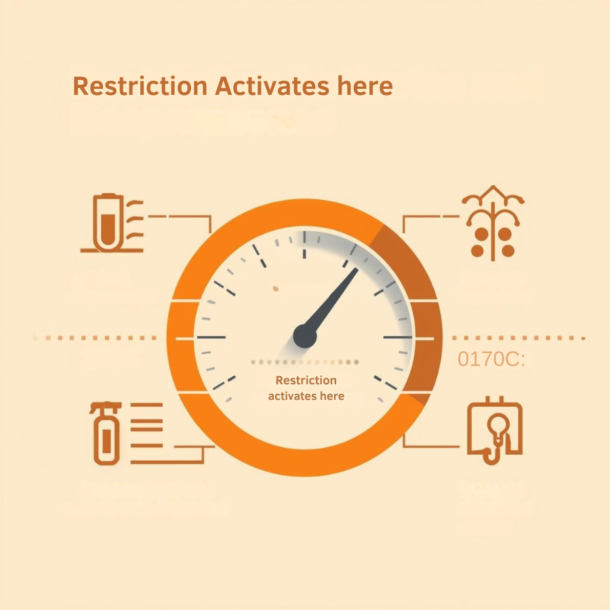
Customers often assume restrictions are subjective unless districts explain the thresholds that trigger them. Water Conservation Districts typically rely on measurable indicators such as storage levels, snowpack outlook, streamflow trends, groundwater conditions, demand curves, and drought stage criteria to determine when restrictions are necessary. Districts may also use operational thresholds such as treatment capacity, pumping limits, or pressure zone constraints during peak hours. When districts share these thresholds in plain terms, customers understand that restrictions are rooted in measurable conditions rather than preference.
Communicating thresholds increases transparency. Customers appreciate knowing that decisions follow a predictable framework. When they hear that a drought stage activates when supply projections fall below a specific target range, or that peak demand is threatening system reliability, the restriction feels objective. This transparency makes it easier for customers to respond with patience during prolonged stages or fluctuating conditions. Sharing thresholds also reduces the assumption that districts are being overly cautious or inconsistent.
Districts do not need to present thresholds in technical language to be effective. Simplified explanations such as “When storage drops below this level, we must reduce discretionary outdoor watering to protect essential needs,” or “When demand spikes during peak hours, pressure and reliability are at risk,” make the concept clear. Threshold based communication helps people understand not only what is changing, but why the change was triggered. This strengthens alignment between districts and the public, supporting long term conservation behavior.
Making Restrictions Understandable Through Comparisons and Analogies
Comparisons and analogies help customers grasp complex water system dynamics. Water Conservation Districts can use simple analogies to explain drought stages, storage drawdown, peak demand strain, groundwater recharge, and the time lag between rainfall and usable supply. These tools translate technical concepts into relatable, memorable ideas that reduce confusion and increase cooperation.
People understand restrictions more readily when districts frame them in familiar terms. Comparing peak demand to a rush hour traffic jam helps customers see why certain hours matter. Comparing storage to a savings account helps explain why a reservoir can look fine while long term supply is being depleted. Describing groundwater recharge as “refilling a sponge slowly, not pouring into a cup quickly” helps set expectations after rain. These analogies stick with customers and reinforce conservation behaviors beyond the moment of restriction.
Districts can use analogies across mailers, social media, community presentations, and customer service conversations. When comparisons are consistent and well chosen, they help unify messaging across channels. They also support customers with varying experience levels, reducing barriers for those unfamiliar with water management. Analogies make system dynamics accessible, improving compliance and strengthening trust.
Helping Customers See Conservation as a Shared Responsibility
Some customers initially assume restrictions exist to make district operations easier, not to protect shared supply and community reliability. Water Conservation Districts can counter this perception by framing conservation as a shared responsibility with clear benefits for everyone. When customers understand that restrictions help stabilize supply, reduce the risk of emergency measures, and support equitable access, cooperation increases and skepticism decreases.
People respond more positively when they feel their actions have meaningful impact. Framing messages with language such as “Help protect our community supply” or “Join your neighbors in reducing peak demand” gives customers an active role. They become part of the solution rather than passive recipients of rules. This approach reduces resistance because it positions conservation not as punishment, but as contribution. Many customers want to do the right thing, especially when the purpose is clear and the request feels fair.
Shared responsibility messaging works best when paired with clear explanations of how behavior influences outcomes. Districts can explain how a small reduction in outdoor watering across thousands of properties can preserve storage and prevent tougher restrictions later. They can also clarify how peak-hour use strains pressure and increases operational costs that ultimately affect ratepayers. When customers see the ripple effect of their choices, their sense of responsibility deepens. This supports long term conservation norms that hold even when conditions improve.
Addressing Misinformation and Common Assumptions About Water Restrictions
Misinformation often shapes customer reactions to restrictions, making clear communication essential. Water Conservation Districts frequently hear assumptions that restrictions are unnecessary because it rained recently, because a nearby lake looks full, or because a neighbor seems to be watering without consequence. Districts may also face misconceptions that drought stages are political, that conservation does not meaningfully affect supply, or that restrictions exist mainly to generate penalties. Left unaddressed, these narratives weaken cooperation and fuel frustration.
Districts can reduce misinformation by explaining what customers cannot see. Rainfall does not always translate into usable storage, and it may not improve conditions quickly. Supply can be constrained by treatment capacity, source availability, or seasonal forecasts even when things look normal. Demand can surge during heat events in ways that put pressure on the system, regardless of recent weather. When districts describe these realities in plain language, customers begin to understand that restrictions are responses to measurable conditions, not overreactions or convenience.
Proactive myth busting strengthens credibility. Districts can share common misconceptions alongside factual explanations through social media, bill inserts, FAQs, community partners, and customer service scripts. When customers recognize that the district understands their concerns and can explain decisions transparently, trust grows. That trust makes people more receptive to future updates and more likely to adopt conservation behaviors during critical periods.
Using Empathy as a Communication Tool
Empathy plays a central role in helping customers accept restrictions. Water Conservation Districts interact with people who feel stress about rising costs, landscaping investments, community expectations, and daily routines. Some customers take pride in maintaining a yard. Others manage properties, HOAs, or commercial sites with specific requirements. Some are already conserving and feel resentment when they believe others are not participating. Acknowledging these realities does not undermine authority. It strengthens connection.
Empathy centered communication validates customer experiences while reinforcing shared responsibility. Phrases such as “We understand this change may be frustrating, and here’s why it matters right now” bridge the emotional gap between expectations and necessary measures. This tone signals respect, reduces defensiveness, and opens the door for more productive conversations. Customers who feel heard are more willing to consider the reasoning behind restrictions and adjust behavior accordingly.
Empathy also supports long term relationships. When districts consistently demonstrate understanding, customers develop goodwill and patience during prolonged drought stages or unpredictable seasonal shifts. Empathy does not replace facts, but it helps people receive them with an open mind. Over time, that combination makes public communication more effective and reduces repeated conflict.
How Staff Shape Public Understanding of Restrictions
Frontline staff play a central role in helping customers interpret and accept water restrictions. Water Conservation Districts depend on customer service representatives, conservation program staff, field teams, and outreach partners to explain changes with clarity and empathy. Staff often handle questions about watering schedules, exemptions, enforcement, available rebates, and how to stay compliant without overcorrecting. Because staff are the human face of the district, their communication skills strongly influence public perception and cooperation.
Well prepared staff create experiences that feel consistent and trustworthy. When staff understand the reasoning behind each restriction, they speak with confidence and avoid uncertainty that can undermine credibility. Customers quickly sense hesitation. Staff with clear talking points, relatable examples, and shared language support a unified communication system across every interaction point, from phone calls to site visits. Districts strengthen this alignment by providing structured training, scenario practice, and plain language explanations that staff can adapt to different customer groups.
Staff presence also reinforces district accountability. When customers see teams answering questions, monitoring conditions, and modeling conservation behaviors, restrictions feel grounded in stewardship rather than announcements issued from afar. This visible commitment reassures the public that cooperation has purpose. Thoughtful staff communication can turn frustration into understanding and can transform brief moments of disappointment into opportunities for learning and partnership.
Giving Staff Clear and Consistent Talking Points
Staff communication is strongest when districts provide clear, concise talking points that explain both the rule and the reasoning behind it. Districts can develop short scripts for calls, counter interactions, field conversations, and community meetings where customers ask why restrictions changed or why enforcement is increasing. Talking points can also help staff explain program options such as rebates, audits, or irrigation adjustments that make compliance easier.
Talking points help staff avoid inconsistent wording or improvisation that could confuse customers. They also reduce cognitive burden during high volume periods. A simple structure makes these tools especially effective:
-
What the restriction is
-
Why it is currently in place
-
How long it is expected to last, if known
-
What support options or alternatives customers have
When staff deliver information in a consistent format, customers perceive unity and professionalism. This stability helps build trust and reduces conflict during moments of uncertainty.
Preparing Staff for Emotionally Charged Customer Moments
Some interactions occur during moments of frustration, stress, or confusion. Districts may speak with customers who are worried about landscape loss, annoyed by perceived inconsistency across jurisdictions, or concerned about penalties. Others may feel overwhelmed by changing schedules or unclear exemptions. These situations require more than facts. They require emotional intelligence and calm de escalation.
Districts strengthen staff performance by training teams in empathetic phrasing, calm body language, and reflective listening techniques. Acknowledging customer feelings does not compromise authority. It creates an atmosphere in which people feel respected and are more willing to listen. Staff can diffuse tension by validating concerns, clarifying what is controllable, offering practical steps, and pointing to support programs. These approaches help customers feel included rather than dismissed.
Preparing staff for difficult conversations also prevents burnout. When staff feel equipped to handle emotionally charged moments, they respond with greater confidence and patience. This improves customer experience and supports healthier morale during high stress operational periods.
Using Staff Visibility to Reinforce Credibility
Visibility helps the public trust both the restriction and the reasoning behind it. Districts that attend community events, maintain a presence during enforcement or outreach periods, and provide real time support through customer service channels signal that restrictions are actively managed. Visibility also communicates that the district is invested in helping customers succeed, not simply issuing rules.
Visibility supports transparency by showing that districts do not merely announce restrictions, but monitor conditions and review decisions. Customers are more likely to respect changes when they see consistent engagement and clear update cadence. This presence also creates opportunities to correct misinformation early and provide practical guidance that reduces repeat issues.
When integrated into the broader communication system, staff visibility becomes a strategic asset. It deepens public trust, supports compliance, and reinforces the district’s commitment to shared stewardship.
Why Some Restrictions Feel Arbitrary to Customers
Restrictions can feel arbitrary when customers cannot connect them to visible conditions or clear reasoning. Water Conservation Districts may limit outdoor watering even when landscapes still look healthy, or tighten schedules even after recent rainfall. Customers may also perceive inconsistency when neighboring jurisdictions have different rules, when exemptions feel unclear, or when enforcement appears uneven. Without explanation, decisions can feel inconsistent or unnecessary.
Clear communication helps customers understand that restrictions are tied to measurable thresholds, system capacity, and long term supply protection rather than momentary observations. Even when conditions appear normal, storage trends, demand projections, or source constraints may be reaching critical levels. When districts explain these dynamics, restrictions feel more intentional and less arbitrary. People may still feel disappointed, but they are more likely to accept the reasoning and adjust expectations.
Human Behavior and the Psychology of Compliance
Understanding customer behavior helps districts shape communication that supports cooperation. Water Conservation Districts often see that people test boundaries when requirements feel optional or hard to interpret. Social influence also matters. Customers notice what neighbors do, and perceived noncompliance can reduce motivation among those trying to follow the rules. Risk perception plays a role as well. People may underestimate system strain because they cannot see storage trends, demand spikes, or supply constraints.
Behavioral research shows people comply more consistently when they understand consequences, value the outcome, and feel respected by the authority issuing the directive. Communicating the “why” helps meet these needs. When customers see that their choices affect shared reliability and long term affordability, and when districts speak in a tone that treats people as partners, compliance increases. Most people want to make responsible decisions. Clear communication gives them the tools to do so.
Districts can also use simple behavioral nudges to support compliance. Placing reminders at decision points, providing clear schedules, reinforcing positive norms, and highlighting practical steps all help shape behavior. By applying behavioral insights, districts make conservation easier to adopt and reduce unnecessary conflict during high stress periods.
Designing Visitor Touchpoints That Explain the “Why” at the Right Time
Effective communication depends not only on what districts say, but on when and where customers encounter the message. Water Conservation Districts benefit from placing restriction explanations at key touchpoints such as bill delivery, email and text alerts, website landing pages, social media updates, community partner newsletters, and customer service scripts. These are moments when people are ready to make decisions about watering, maintenance, or household routines. Well timed touchpoints reduce confusion and lower the chance that customers rely on rumors or outdated assumptions.
Timing also shapes comprehension. Early placement sets expectations before restrictions begin. Reinforcement during the active period clarifies requirements in real time. Follow up messaging can highlight progress and reinforce why the community’s effort mattered. When districts design multiple touchpoints that reinforce the same reasoning, customers internalize the purpose behind restrictions even if they miss one channel.
Touchpoints should account for emotion as well as logistics. People may feel rushed, skeptical, or frustrated when rules change. A message that acknowledges common concerns while explaining the reasoning behind a restriction can reduce defensiveness and build willingness to cooperate. Thoughtful touchpoint design turns routine updates into moments that strengthen trust and shared stewardship.
Helping Customers Understand the Difference Between Short Term and Long Term Impacts
Many customers struggle to differentiate between short term events and long term supply pressures. Water Conservation Districts often face confusion when a brief restriction tied to a heat-driven demand spike is interpreted as a permanent drought measure. Other customers assume a long term drought stage will lift quickly after a storm. Without explanation, people often assume that every restriction follows the same timeline even when the underlying causes differ.
Short term restrictions typically address immediate operational strain or acute risks, while long term restrictions address persistent supply imbalance and cumulative hydrologic stress. Customers benefit from simple distinctions. Short term actions may respond to demand surges, equipment constraints, or temporary source limitations. Long term actions reflect storage outlook, seasonal projections, drought stage criteria, and the need to protect reliability over months, not days.
Context improves cooperation because it calibrates expectations. If customers assume temporary measures are permanent, they may feel unnecessary discouragement. If they assume long term restrictions are short lived, they may respond with impatience or disregard. Clear communication helps people understand what is driving the restriction now, what the district is monitoring, and what needs to change before requirements can be eased.
How Agencies Can Frame Restrictions as Community Choices Rather Than Limitations
Customers respond more positively to restrictions when they perceive them as part of a community effort rather than imposed limitations. Water Conservation Districts can frame conservation as shared responsibility that protects reliable service and supports fair access. When districts connect restrictions to a clear community benefit, people are more willing to participate and less likely to view requirements as arbitrary.
This framing shifts language from instruction to collaboration. Messages such as “Together we can protect our community supply” or “Your choices help maintain reliable water for essential needs” position customers as contributors rather than rule followers. When people understand that their behavior supports a collective goal, they feel more motivated and less constrained. This approach respects customer autonomy and recognizes their ability to make responsible decisions.
Community choice framing works best when paired with clear benefit statements. Districts can explain how cooperation helps avoid emergency restrictions, stabilizes system pressure during peak hours, and protects long term affordability. When customers can see who benefits and how, buy in strengthens. The message becomes purpose driven, not simply restrictive.
Communicating to New Customers and First Time Participants
New customers often struggle most with restrictions because they lack familiarity with local drought stages, supply sources, and community norms. Water Conservation Districts can anticipate this by providing simple orientation content that explains what changed, why it changed, and how to comply without overcorrecting. Districts can build this clarity into welcome materials, new account emails, bill inserts, and easy to find web pages that summarize current requirements and common questions.
New customers also rely heavily on surface cues and neighbor behavior. If messaging is inconsistent or hard to locate, they may assume watering is unrestricted or that requirements are merely suggestions. Early, structured communication reduces confusion and increases cooperation by setting expectations before customers develop habits that conflict with current rules. It also reduces staff workload by preventing avoidable misunderstandings.
Districts can strengthen first time clarity by using a consistent structure. Start with what is required, add one sentence explaining why, and end with practical steps and support options. When people quickly understand purpose and how to comply, they are less likely to feel blocked by restrictions and more likely to adopt conservation behaviors immediately.
Explaining Water Science in Ways People Can Use
Public education helps customers understand the science behind restrictions without requiring technical expertise. Water Conservation Districts can use simple graphics and short narratives to explain storage drawdown, evaporation, watershed response time, groundwater recharge, and why demand spikes matter. Districts can also explain why restrictions may persist even after rain, and how seasonal outlook and supply planning influence decisions. When science is understandable, restrictions feel more reasonable and less personal.
The most effective educational content makes abstract concepts tangible. Customers may not study hydrology, but they can understand examples tied to everyday life. A graphic showing how long it takes groundwater to recharge, or how quickly peak demand can drain system buffers, helps people visualize why restrictions exist and why timing matters. When the system story is clear, customers are more likely to cooperate and share accurate information with others.
Education also supports long term stewardship by shaping norms beyond a single drought stage. When people understand how water systems behave, they are more likely to conserve during future seasons and to support investments that strengthen resilience. Over time, clear storytelling helps build a culture where restrictions are anticipated, respected, and understood as part of responsible community water management.
Strategic Communication Support for Water Conservation Districts
 Clear communication around water restrictions requires strategy, timing, empathy, and consistency. Many Water Conservation Districts reach a point where internal capacity is no longer enough to support the level of public engagement these situations demand. Restrictions require rapid updates, defensible explanations, and coordinated messaging across websites, alerts, partners, and customer service. This is often the moment when districts choose to partner with an external resource like Stegmeier Consulting Group (SCG), not because they lack expertise, but because they need a structured communication system that supports clarity across every channel.
SCG helps districts build communication frameworks that reduce confusion and support public trust. This includes designing workflows that handle repeated customer questions, developing templates that explain the reasoning behind restrictions, and strengthening internal alignment so that staff and leadership deliver consistent messages during emotionally charged moments. When districts have a predictable and replicable communication system, they can manage difficult conditions with confidence and communicate restrictions in a way that strengthens relationships rather than eroding them.
Partnering with SCG also gives districts access to research informed strategies that meet the needs of communities with different backgrounds, abilities, and expectations. This helps ensure that customers receive information in formats they can understand and use. Clear communication is not only a public service. It is a foundational tool for resource protection, operational stability, and long term customer confidence. Districts that invest in stronger systems now are better prepared for future shortages, drought cycles, and changing conditions.
Conclusion
Explaining the “why” behind water restrictions is one of the most important communication responsibilities a Water Conservation District can carry out. Customers are far more willing to cooperate when they understand the measurable conditions, community impacts, and stewardship values driving each decision. When districts share reasoning early and consistently, they reduce conflict, limit misinformation, and help customers align routines with current needs. Transparency turns uncertainty into understanding.
Effective communication transforms restrictions from a source of frustration into an opportunity for education and partnership. When customers feel included in the reasoning, they are more likely to accept short term disruption, adjust expectations, and adopt conservation habits that persist beyond a single season. This shift strengthens long term stewardship and creates a culture of responsibility across neighborhoods, businesses, and community institutions.
Districts that prioritize clarity build credibility during routine operations and during times of scarcity. They help customers understand not only what is changing, but why it matters and what will be reviewed next. This clarity supports immediate compliance and broader public support for sustainable water management, ensuring that the community’s water system remains reliable, resilient, and prepared for future variability.
SCG’s Strategic Approach to Communication Systems
Align your agency’s messaging, processes, and public engagement strategies
Agencies that communicate effectively build stronger trust with staff, stakeholders, and the public. Whether you are implementing QR code systems, improving internal communication workflows, or strengthening agency wide alignment, SCG can help you develop a communication system that supports consistent decision making and long term organizational success. Use the form below to connect with our team and explore how a strategic communication framework can elevate your agency’s impact.