Engaging Agriculture vs. Residential Users: Tailoring Water Communication by Audience
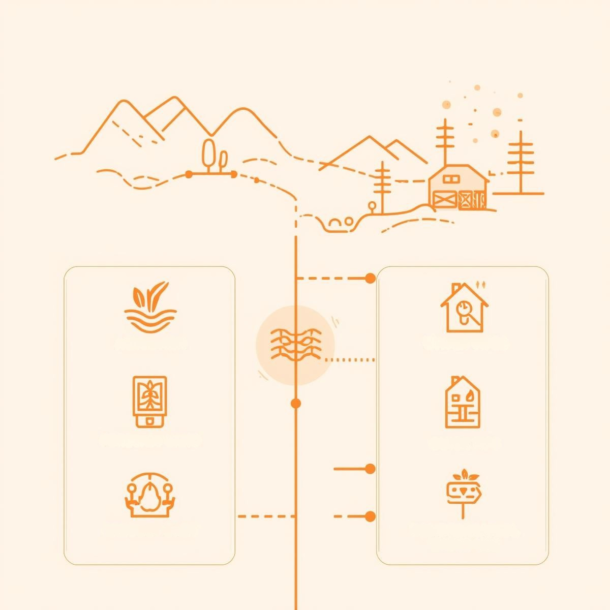 Water conservation messaging cannot follow a one size fits all approach because agricultural and residential users interpret guidance through very different needs, pressures, and daily realities. Water conservation districts, water management agencies, irrigation districts, and watershed organizations increasingly recognize that both groups influence water reliability, yet they respond to communication in distinct ways. Residential users engage with water through household habits, outdoor landscaping, and community expectations, while agricultural users depend on water for livelihood, crop health, and long term operational planning. Tailoring communication to each audience helps districts and partner agencies build trust and reduce resistance during periods of scarcity or shifting supply conditions.
Residential users often encounter water messaging through utility bills, district newsletters, neighborhood signage, HOA communications, and social media updates. Their concerns tend to revolve around convenience, cost, aesthetic expectations, and a desire to comply without feeling singled out or restricted. Agricultural users, however, must weigh guidance against economic pressures, regulatory requirements, crop timing, and long term planning tied to planting, harvesting, and water delivery schedules. A message that resonates with a homeowner may feel irrelevant or incomplete to a producer managing large acreage or coordinating with irrigation deliveries. Agencies that understand these differences avoid generic messaging and instead speak to each group’s motivations, constraints, and decision making processes.
Effective communication systems bridge these two worlds by acknowledging the legitimacy of both perspectives. Agricultural stakeholders want transparency, predictability, and timely updates that support operational decisions. Residential communities want clarity, practical direction, and explanations that help them understand why restrictions or schedules change. When districts tailor their messages strategically, both audiences gain a clearer understanding of how their actions influence water supply reliability, ecological health, and community access to water dependent spaces. This alignment strengthens cooperation and fosters shared stewardship across the broader watershed.
Understanding How Each Audience Uses Water
Agricultural water use follows a scale and rhythm that differs fundamentally from household consumption. Irrigation districts and water management agencies understand that allocation decisions, delivery timing, and on farm irrigation choices can determine crop viability and economic stability. Watershed organizations also see how agricultural withdrawals and return flows can influence stream conditions, wetlands, riparian health, and downstream users. Water conservation districts often operate in the middle of these dynamics, translating system constraints into guidance that supports both production needs and community reliability.
Residential water use, by contrast, is dispersed and behavioral. Households make daily choices about irrigation timing, indoor efficiency, car washing, pool maintenance, and use of community water features. These choices may seem small individually, but collectively they influence peak demand, seasonal shortages, and the condition of local lakes, rivers, and reservoirs. Residential behavior also shapes public perception. People often interpret conservation guidance through what they see in their neighborhood, which can affect how seriously they take drought stages, watering schedules, or voluntary requests.
Recognizing these differences helps districts craft communication that feels respectful rather than prescriptive. Agricultural users respond best to data informed explanations, predictable timelines, and plain language guidance that reflects operational realities. Residential users often respond more readily to practical examples, simple action steps, and framing tied to community pride, fairness, and protecting local resources. The more precisely districts understand how each group interacts with water, the more effectively they can tailor messages that strengthen compliance and reduce conflict during high pressure periods.
From Scarcity to Sustainability: Effective Communication Strategies for Water Conservation Agencies
This article is part of our series on strategic communication for Water Conservation Special Districts and Public Water and Sewer Utilities. To learn more and to see the parent article, which links to other content just like this, click the button below.
Why Generic Water Messaging Fails Both Groups
Generalized water conservation messages often feel incomplete because they do not reflect audience needs. An agricultural user reading a slogan like “Use Water Wisely” may find it meaningless without specific context. A residential user may interpret the same message as a broad recommendation and assume others bear more responsibility. Water conservation districts routinely observe that vague messaging creates confusion when communicating drought stages, reservoir conditions, or use restrictions. Wildlife agencies face similar challenges when trying to balance habitat protection with community water expectations. Outdoor recreation departments find that unclear messaging leads to user frustration during seasonal closures, while park districts see households inadvertently ignore conservation requests they did not fully understand.
Generic messaging also undermines trust. Agricultural users accustomed to precise operational data tend to distrust communication that lacks specificity or fails to acknowledge economic impacts. Residential users may distrust messaging that feels overly technical or disconnected from their lived experience. Both groups need communication that speaks to their realities without oversimplifying the complexities of water management.
Agencies that rely on broad slogans or one size fits all messaging often spend more time managing misunderstandings than promoting conservation. Tailored communication, on the other hand, supports compliance by demonstrating that agencies understand their audiences. When people feel seen and respected, they engage more willingly with conservation goals and interpret restrictions as thoughtful rather than arbitrary.
Motivations and Values That Shape Water Behavior
Agricultural and residential users make water decisions based on different motivations, and communication must reflect these underlying values. Agricultural users prioritize stability, predictability, and the long term viability of their operations. Water conservation districts and irrigation districts that communicate with growers often find that transparency about reservoir forecasts, seasonal allocations, and delivery timing leads to higher cooperation. Wildlife agencies recognize that agricultural partners respond strongly to habitat protection narratives that support ecosystem health and long term resource sustainability. Outdoor recreation departments also benefit from agricultural collaboration because water availability upstream shapes recreational safety downstream.
Residential users, by comparison, respond to messages framed around environmental responsibility, neighborhood identity, and personal benefit. Water conservation districts frequently use messaging that emphasizes community pride or the value of water efficient landscapes. Wildlife agencies sometimes frame residential conservation in terms of protecting urban wildlife corridors or reducing pressure on nearby streams. Water management agencies appeal to families by connecting water behavior to outdoor access, safe swimming conditions, and the health of community spaces.
Recognizing these motivational differences helps agencies avoid ineffective communication. Agricultural users respond best to messages grounded in data and operational forecasting, while residential users respond to communication that feels personal, emotional, and community oriented. Agencies that incorporate these differences into their messaging frameworks create systems that resonate broadly while respecting the unique values of each audience.
How Communication Builds Bridges Between Agricultural and Residential Perspectives
Conflict between agricultural and residential users often emerges when communication emphasizes differences rather than shared goals. Water conservation districts frequently observe tension when reservoir levels fall and both groups feel impacted. Wildlife agencies navigate similar conflict when species protection measures affect irrigation diversions or residential landscaping restrictions. Outdoor recreation departments see tensions rise when recreation access competes with agricultural water needs. Park districts experience community frustration when program adjustments reflect broader watershed realities.
Communication becomes a bridge when it acknowledges the legitimacy of both perspectives and explains the interconnected nature of the water system. When agricultural users see how residential conservation reduces pressure on reservoir levels, they feel supported rather than blamed. When residential users understand the scale and economic importance of agricultural operations, they become more empathetic and less reactive during scarcity. Agencies that frame conservation as a shared responsibility help reduce antagonism and build mutual respect.
Visual storytelling helps build this bridge. Side by side comparisons of agricultural and residential water use, flow diagrams showing where water moves throughout the watershed, and simple graphics that illustrate shared impacts can shift public perception. When agencies position communication as a tool for unity rather than division, they support long term cooperation across diverse user groups.
Using Data Visualization to Tailor Messaging for Each Audience
Data visualization helps agencies communicate water conditions in ways that resonate differently with agricultural and residential users. Water conservation districts often use simple graphics to show seasonal reservoir patterns to residential communities that may misinterpret natural variation as a crisis. Agricultural users, however, typically want more granular details such as watershed inflow projections, expected allocation levels, and historical comparisons. Wildlife agencies rely on visuals that connect water levels to habitat health, while outdoor recreation departments focus on visuals that link water conditions to access or safety. Park districts adapt graphics to illustrate how community conservation influences local landscapes and facility operations.
Tailored visualization helps avoid miscommunication. Residential users benefit from visuals that emphasize clarity and emotional tone, such as color coded drought phases or simplified timeline charts. These tools help families understand how everyday behaviors influence long term supply. Agricultural users require more precise visual layers that highlight uncertainty ranges, operational thresholds, or potential regulatory triggers. Agencies that offer separate visual products for each audience avoid overwhelming homeowners with technical details while still respecting the needs of agricultural operators.
The most effective systems maintain consistency across visual design while adjusting complexity by audience. This approach ensures that agricultural and residential users still feel part of the same communication network, even when receiving different depths of information. When visuals are cohesive yet audience specific, they reinforce trust in the communication system and support alignment across the entire watershed.
Message Framing: How Different Narratives Influence Agricultural and Residential Users
Message framing plays a critical role in how each audience interprets water guidance. Water conservation districts often frame residential messages around shared community benefits, emphasizing how small household changes protect local reliability and reduce the likelihood of stricter stages. Wildlife agencies frame agricultural messages around habitat resilience, showing how water efficiency supports native species and long term ecological stability. Outdoor recreation departments use safety framing when water conditions affect users directly, while park districts use identity framing by highlighting how community pride grows through responsible water use.
Agricultural users tend to respond positively to messages framed around operational security and resource stewardship. Phrasing that emphasizes partnership, long term planning, and clear reasoning resonates strongly in agricultural settings. By contrast, residential users are more influenced by emotional framing, such as protecting local wildlife, preserving green spaces, or maintaining quality of life. Each group interprets the same water constraints through a different lens, making framing a decisive factor in communication success.
Agencies that adapt their framing strategies accordingly achieve more durable behavioral change. A message that encourages agricultural producers to optimize irrigation efficiency must feel collaborative and data driven. A message that encourages residents to adjust outdoor watering schedules must feel accessible, supportive, and personally relevant. Framing is not merely a stylistic choice. It is an essential tool for translating water management principles into actions that each audience understands and values.
Communication Timing: Why Each Audience Needs Information at Different Moments
The timing of communication influences how effectively different user groups respond. Agricultural users operate on long planning cycles tied to crop rotations, irrigation windows, and seasonal forecasts. Water conservation districts and irrigation districts that work with growers understand that early communication is essential. Wildlife agencies must also communicate early when habitat protection schedules or minimum flow requirements affect irrigation decisions. Outdoor recreation departments coordinate with agricultural timing because upstream use affects downstream safety. Park districts interact with timing primarily when residential behaviors influence community water availability.
Residential users respond to a much shorter decision cycle. Many households make watering decisions day by day or week by week. Communication that feels too early may be forgotten, while communication that arrives too late feels reactive or confusing. Agencies must time residential messaging around weather changes, drought declarations, and seasonal transitions to support clear behavior shifts. This timing ensures that homeowners adjust their habits promptly without feeling overwhelmed.
By aligning communication timing with audience decision cycles, agencies avoid misunderstandings and strengthen compliance. Agricultural messages need forecasting and planning horizons that respect farming realities, and residential messages require flexible, timely prompts that support immediate action. When timing aligns with audience rhythms, water guidance feels intuitive and relevant rather than burdensome.
How Trust Is Built Differently in Agricultural and Residential Communities
Trust is foundational to any water communication strategy, yet it emerges through different channels depending on the audience. Agricultural communities value transparency, consistency, and predictability from agencies. Water conservation districts often observe that timely updates and clear explanations improve relationships with growers. Wildlife agencies earn trust by demonstrating respect for agricultural knowledge while balancing ecological goals. Outdoor recreation departments gain agricultural trust when acknowledging how upstream decisions influence downstream users. Park districts contribute by highlighting how coordinated water strategies strengthen the whole community.
Residential trust, by contrast, grows through relatability and convenience. Households appreciate communication that feels clear, friendly, and easy to act on. When messages avoid jargon and offer concrete examples, residents view agencies as partners rather than distant authorities. Residential trust also builds through visibility. Community signage, social media updates, and public education programs show residents that agencies are engaged, attentive, and invested in local needs.
Agencies that understand these different trust pathways design communication systems that meet both audiences where they are. Agricultural trust grows vertically, relying on long term consistency and operational reasoning, and residential trust grows horizontally, relying on personal relevance and frequent touchpoints. Tailoring communication to these distinct trust models helps agencies maintain credibility even during periods of scarcity or difficult decision making.
Why Conflict Arises and How Transparent Communication Reduces It
Conflict between agricultural and residential users often arises when one group perceives inequity in water allocations or restrictions. Water conservation districts may face public frustration when reservoir levels limit community uses while agricultural operations continue nearby. Wildlife agencies navigate tensions when habitat protections intersect with irrigation needs or residential landscaping. Outdoor recreation departments encounter conflict when peak flows for recreation coincide with other water demands. Park districts hear complaints from residents who feel their conservation efforts go unnoticed while large scale water uses dominate public perception.
Transparent communication reduces these tensions by clarifying how decisions are made and why certain priorities must be balanced. When agencies explain that agricultural allocations support regional food systems, and that residential conservation reduces peak demand and helps avoid stricter stages, communities understand the broader context. Transparency also helps address misunderstandings about where water comes from, how it is stored, and how it moves through the watershed.
Conflict rarely disappears entirely, but clear and honest communication helps shift conversations from blame to shared responsibility. Agencies that show the reasoning behind decisions, the data that guide them, and the constraints they operate under build a sense of collective stewardship. This shifts the tone from competition to collaboration, supporting a more resilient and community aligned water system.
Communication Channels: Why Agriculture and Residential Users Require Different Platforms
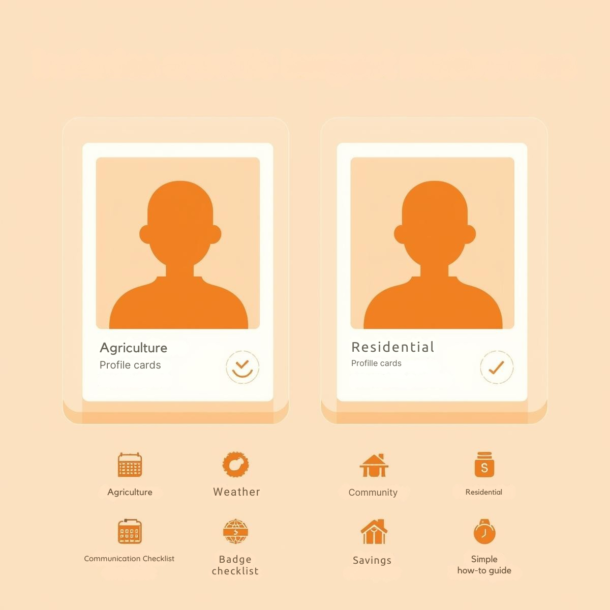 Agricultural users typically rely on communication channels that support long term planning, regulatory compliance, and operational decision making. Water conservation districts and irrigation districts working with growers understand that email bulletins, seasonal briefings, forecast reports, and direct outreach through agricultural associations carry far more weight than mass messaging. Wildlife agencies frequently coordinate through watershed councils or landowner partnerships, where more technical information can be discussed in depth. Outdoor recreation departments often relay water condition implications through irrigation district networks because upstream decisions influence downstream safety. Park districts engage agricultural partners less directly, but still recognize how farm communication networks shape regional understanding of water availability.
Residential users respond to an entirely different set of communication channels. Social media, neighborhood signage, short videos, community newsletters, and district program materials all allow agencies to frame water guidance in ways that feel personal and accessible. Wildlife agencies use community centered platforms to highlight how residential water choices affect habitat corridors. Water conservation districts rely on digital alerts and community signage to help families interpret drought phases or watering schedules. Residential communication relies on repetition, clear visuals, and brief messages because homeowners generally engage in short decision cycles.
Because these communication ecosystems are so distinct, agencies benefit from designing parallel but aligned channel strategies. Agriculture receives the depth it needs, while residential communities receive messaging that fits everyday life. This dual approach ensures that both groups remain informed without overwhelming one or neglecting the other. When channels are chosen intentionally for each audience, communication feels strategic rather than scattershot.
Tone and Language: What Works for Agriculture vs. Residential Users
Tone plays a defining role in how water guidance is received. Agricultural users prefer communication that is straightforward, technical where necessary, and grounded in long term resource management. Water conservation districts often observe that growers respond best when language acknowledges operational pressures and avoids oversimplifying complex decisions. Wildlife agencies communicating with agricultural partners use a tone centered on collaboration, emphasizing ecological outcomes without shifting blame. Outdoor recreation departments adopt a practical tone that ties water levels to impacts on flow, safety, and shared watershed conditions. Park districts highlight community benefits in ways that respect agricultural realities while focusing on local engagement.
For residential users, tone must feel approachable and relevant. Communication that feels friendly, encouraging, or community oriented is far more likely to influence household behavior. Wildlife agencies often frame residential messages around protecting local ecosystems. Water conservation districts highlight how water choices support neighborhood reliability and protect shared community resources. Outdoor recreation departments translate conditions into simple, relatable concepts that help families make decisions confidently. Park districts rely on upbeat, neighborhood friendly messaging that aligns with community identity.
Language barriers can emerge if one tone is applied to both groups. Agricultural users may interpret residential style messaging as superficial, while residential users may find agricultural tone overly formal or distant. Agencies that tailor tone thoughtfully ensure that each audience feels respected and understood, which strengthens cooperation across diverse water users.
Creating Audience-Specific Visuals for Water Behavior Change
Visual communication is a powerful tool, but visuals that resonate with one group may miss the mark with another. Agricultural users benefit from visuals that show trend lines, soil moisture data, allocation forecasts, or watershed dynamics. Water conservation districts that work with growers often present spatial maps or charts that illustrate how water management decisions affect multiple users across the system. Wildlife agencies use agricultural oriented visuals to demonstrate ecological thresholds and long term patterns. Outdoor recreation departments incorporate flow graphs or hazard indicators that help agricultural stakeholders see the downstream impacts of upstream use.
Residential visuals must remain far simpler. Graphics showing drought stages, seasonal watering schedules, irrigation tips, or system snapshots help families interpret guidance quickly. Park districts frequently use icons and color coding to reduce cognitive load, allowing residents to understand expectations without navigating technical charts. Wildlife agencies adapt these visuals to highlight how backyard behaviors influence urban wildlife or stream health. Water conservation districts rely on simple, consistent graphics for community signs, mailers, and social posts so residents can act quickly.
Using separate visual templates for agricultural and residential audiences allows agencies to speak to each group’s level of expertise without creating confusion. Both audiences receive accurate information, but in formats tailored to their comfort and daily context. This type of audience centered visual strategy reduces frustration, improves decision making, and encourages broader participation in conservation efforts.
How Feedback Systems Differ Between Agriculture and Residential Users
Agricultural and residential users provide feedback through different pathways, and agencies must structure systems accordingly. Agricultural users tend to share feedback directly with staff, through advisory committees, watershed groups, or scheduled meetings. Water conservation districts receive operational insights from growers who understand how water conditions influence both crops and community reliability. Wildlife agencies gather ecological feedback through landowners who observe habitat patterns closely. Outdoor recreation departments hear from agricultural partners when water management decisions shape downstream safety. Park districts sometimes receive agricultural input when community events involve farmland or rural spaces.
Residential feedback is more distributed and often more emotional. Homeowners respond through comment portals, QR code surveys, social media messages, or conversations with staff at community events. Wildlife agencies gather residential feedback on habitat impacts near neighborhoods. Water conservation districts collect insights through customer service channels, email replies, and short feedback tools that capture real time perception. Park districts receive input through community boards, volunteer groups, and facility staff who interact daily with local families.
When feedback systems align with audience tendencies, agencies gather more reliable insights. Agricultural users need structured, data oriented channels, while residential users respond to quick, convenient tools. Effective communication systems integrate both approaches so that agencies hear from each audience in ways that feel natural, accessible, and respectful.
Why Agricultural and Residential Users Interpret Restrictions Differently
Restrictions create stress for both groups, but the reasons behind that stress differ dramatically. Agricultural users interpret restrictions as operational threats that influence yield, revenue, and long term viability. Water conservation districts and irrigation districts often witness these concerns during drought declarations, where allocation cuts may affect both crops and system reliability. Wildlife agencies observe how restrictions influence habitat management decisions and how agricultural partners weigh ecological and economic pressures. Outdoor recreation departments must communicate when upstream limitations affect downstream water based activities. Park districts handle residential frustration that stems from restrictions that feel inconvenient or inconsistent with community habits.
Residential users interpret restrictions through a personal and household lens. Limits on lawn watering, garden irrigation, or vehicle washing feel like disruptions to routine rather than structural threats. Families may perceive restrictions as unfair if agricultural use appears more substantial or if they do not understand the broader system. Park districts help reduce residential frustration by explaining how conservation supports community facilities. Water conservation districts connect restrictions to local reliability and seasonal stability, while wildlife agencies highlight ecological benefits.
These divergent interpretations require communication that contextualizes restrictions for each audience. Agricultural messages must speak to operational planning and long range water conditions. Residential messages must emphasize community impact, ecological reasoning, and practical steps. When agencies tailor the explanations, both groups feel that their concerns are acknowledged rather than dismissed.
Aligning Messages Across Both Audiences Without Creating Confusion
Even when agricultural and residential users require distinct messaging, agencies still benefit from maintaining a unified communication framework that prevents mixed signals. Water conservation districts often serve as connectors by framing core guidance consistently while varying tone and depth for each group. Wildlife agencies adopt a similar strategy by grounding all messaging in ecological principles so that both audiences receive a shared foundation of understanding. Outdoor recreation departments extend this alignment to the visitor experience, ensuring that safety and resource protection messages do not contradict irrigation advisories. Park districts reinforce clarity by using consistent color schemes, phrasing, and drought stage labels so residents encounter a familiar communication system regardless of where they access information.
A unified framework does not require identical language. Instead, it ensures that the underlying message remains stable. Agencies can use the same key points across audiences, such as why conservation matters, how water levels are changing, and what actions are most impactful. The delivery style shifts, but the logic remains constant. This consistency reduces confusion, especially during drought phases when public scrutiny intensifies and agricultural users face higher operational pressure. Residential users also benefit, as repeated exposure to aligned messaging strengthens trust and decreases the perception that agencies communicate inconsistently.
Maintaining alignment also helps prevent misinterpretation between groups. When agricultural messaging acknowledges residential conservation efforts, and residential messaging highlights the role of agriculture in regional water systems, both groups feel respected rather than pitted against each other. Agencies that intentionally connect these narratives foster a sense of shared responsibility, which reduces tension and encourages cooperative behavior. When the public sees that both groups receive messages rooted in fairness and transparency, communication becomes a bridge instead of a dividing line.
Coordinating Multi-Agency Messaging for Complex Water Systems
Water communication rarely comes from a single source. Reservoir operators, water conservation districts, irrigation districts, watershed organizations, wildlife agencies, and municipal utilities each manage parts of the larger system. When drought stages shift, when contaminants are detected, or when conditions change quickly, messages must move across multiple organizations seamlessly. Coordination prevents contradiction. It also ensures that agricultural users and residential users receive timely, accurate, and aligned information.
Multi-agency coordination often begins with establishing shared terminology. For example, agencies may adopt a unified drought stage system with the same color coding and action categories. Wildlife agencies may contribute ecological thresholds, while water conservation districts provide customer and community facing messaging that translates these thresholds into everyday meaning. Outdoor recreation departments clarify implications for boating, fishing, or trail access. Park districts apply the shared framework in public signage so residents encounter it across facilities and community programs. This shared system creates a cohesive communication environment where users do not need to interpret conflicting definitions.
Coordination also strengthens credibility. When agencies present a unified stance on restrictions or conservation goals, both agricultural and residential users see that decisions arise from collaborative resource management rather than isolated mandates. This transparency reduces skepticism and increases compliance. Agencies can also issue joint statements, shared dashboards, or integrated communication toolkits so that information flows consistently across platforms. When users see that agencies are aligned, they feel more confident acting on the guidance.
Balancing Fairness in Messaging: Preventing Perceptions of Inequity
Fairness is one of the most significant emotional drivers in how people interpret water communication. Agricultural users may feel unfairly targeted when restrictions affect crop planning, while residential users may believe agriculture receives too much water relative to community needs. Agencies must address these perceptions thoughtfully by grounding communication in transparent data, ecological reasoning, and shared responsibility.
Water conservation districts help reduce tension by explaining how allocation systems function and how decisions are tied to legal, ecological, and operational requirements. Wildlife agencies provide clarity on how habitat protection influences allocation frameworks, reinforcing the idea that decisions stem from ecological thresholds rather than preference. Outdoor recreation departments highlight the downstream impacts of both agricultural and residential choices, showing how each group influences flow, safety, and overall watershed conditions. Park districts reinforce fairness by connecting conservation to community benefits like safe playfields, healthy plantings, and sustainable program operations.
Perceptions of fairness also depend on tone. Messaging that appears accusatory toward one group can quickly erode trust. Instead, agencies benefit from highlighting how each audience contributes to long term sustainability. When agricultural users see that their conservation actions protect habitat and community reliability, and when residents understand the economic and food supply implications of agricultural water use, communication becomes more empathetic and balanced. Fairness emerges from transparency, consistency, and respect, not from identical messaging for both groups.
Supporting Behavior Change Through Incentives and Positive Reinforcement
Behavior change requires more than simply presenting rules or recommendations. Agricultural and residential users respond to different motivators, and agencies must tailor incentive structures to each context. Agricultural users are more likely to adopt conservation practices when agencies highlight long term operational stability, potential cost savings, and alignment with watershed goals. Water conservation districts often partner with growers to promote shared stewardship projects that strengthen local ecosystems. Wildlife agencies reinforce positive outcomes by showcasing how agricultural conservation supports habitat continuity. Outdoor recreation departments emphasize how collaborative water management reduces safety risks. Park districts highlight community recognition programs that celebrate agricultural partners who contribute to local sustainability.
Residential users respond strongly to individualized incentives. Agencies can encourage households to adopt conservation behaviors by offering simplified tips, recognition programs, or neighborhood challenges. Wildlife agencies link residential behavior change to visible ecological improvements, such as healthier streams or stronger habitat corridors. Water conservation districts reinforce behavior change by connecting it to avoided restrictions, local reliability, and the protection of shared community resources. Park districts use positive reinforcement through signage, social media spotlights, or program-based rewards.
When incentives match each audience’s motivations, behavior change feels rewarding rather than burdensome. Both agricultural and residential users see themselves as contributors to a shared solution, which strengthens long term compliance and fosters a culture of water stewardship across the region.
Strategic Communication Support for Your Water Conservation District
 Water communication requires more than distributing updates or posting restrictions. It demands a structured system that helps water conservation districts, water management agencies, irrigation districts, and watershed organizations reach multiple audiences with clarity and consistency. Many organizations possess rich data and strong operational insight, but they do not always have the time or internal capacity to translate these elements into communication that resonates with both agricultural and residential audiences. This is often why districts choose to partner with an external resource like Stegmeier Consulting Group (SCG). They recognize that effective communication requires thoughtful design, intuitive messaging, and clear processes that support staff while strengthening community understanding.
SCG helps districts build communication systems that reduce confusion, align messaging across platforms, and produce outreach materials that feel coherent to diverse audiences. This includes designing templates, refining tone, structuring internal workflows, and helping staff feel confident delivering messages on complex or emotionally charged topics. SCG also supports districts with audience analysis and message mapping so that communications reflect the real motivations, pressures, and expectations of the people they serve. This reduces friction, improves compliance, and ensures that conservation messages do not get lost in translation.
When districts adopt a stronger communication system, they gain consistency and relief from the strain of reactive messaging. Instead of scrambling to explain rules or defend decisions, they can proactively guide both agricultural users and residential households with messages that feel fair, grounded, and actionable. Over time, this approach builds trust and shifts public perception from passive recipients of information to active partners in water stewardship.
Conclusion
Agricultural and residential water users represent two distinct groups with unique motivations, pressures, and expectations. Their experiences with water management differ significantly, yet both groups play an essential role in regional sustainability. Water conservation districts, irrigation districts, watershed organizations, and partner agencies can bridge these differences by tailoring messages that acknowledge each audience’s needs while reinforcing a shared sense of responsibility. Communication that honors these differences fosters cooperation instead of conflict, helping each group understand its role within the broader water system.
When agencies build communication strategies rooted in empathy, clarity, and transparency, they reduce misunderstanding and strengthen the public’s willingness to engage constructively. Agricultural users benefit from operational reasoning and long term planning insights, while residential users respond to personal context and community impact. By aligning these messages under a unified framework, agencies create a cohesive narrative that supports better decision making, maintains trust during challenging conditions, and encourages stewardship across all user groups.
Water communication is not simply about awareness. It is about cultivating understanding. When agencies employ communication systems that respect the complexity of their audiences, the result is a more informed public, smoother operations, and stronger community partnership around the shared goal of water sustainability.
SCG’s Strategic Approach to Communication Systems
Align your district’s messaging, internal processes, and public engagement strategies
Agencies that communicate effectively build stronger trust with staff, stakeholders, and the public. Whether you are implementing QR code systems, improving internal communication workflows, or strengthening district-wide alignment, SCG can help you develop a communication system that supports consistent decision-making and long-term organizational success. Use the form below to connect with our team and explore how a strategic communication framework can elevate your agency’s impact.