Empowering Residents Through Digital Access — Volusia County, Florida’s Communication Strategy for the “Community Connect” App Launch
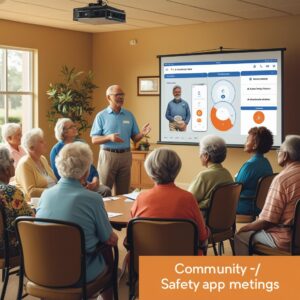 Florida’s Atlantic coast, Volusia County—home to Daytona Beach, Deltona, and a mix of urban, suburban, and coastal communities—faces growing demands for real-time public safety communication in a rapidly evolving digital landscape. Residents want timely updates on law enforcement activity, emergency alerts, and neighborhood safety—delivered in clear language and without dependence on traditional media or social platforms.
To meet this need, the Volusia County Sheriff’s Office (VSO) launched “Community Connect,” a mobile app powered by Atlas One and customized for local use under the Connect Volusia initiative. The app combines real-time 911 integration, location-based alerts, and anonymous tip submission in a single platform. Its launch was supported by a communications campaign focused on four core strategies:
- Reframing the app as a transparency and empowerment tool
- A multi-channel launch including local media and community events
- Integration with Air One helicopter tracking and live 911 feeds
- Two-way engagement through anonymous tips and user feedback
This case study explores how VSO’s public communication strategy—centered on simplicity, accessibility, and resident participation—transformed a digital tool into a trusted community resource.
Volusia County, located on Florida’s east coast, spans urban hubs, rural neighborhoods, and coastal communities—making consistent public safety communication a challenge. Before the launch of the “Community Connect” app, most residents relied on social media, radio broadcasts, or third-party scanner apps for updates about sheriff activity or local emergencies. This left information fragmented, and residents often received details too late or not at all. Moreover, increasing scrutiny around public trust in policing created an urgent need for more direct, real-time, and non-sensationalized updates.
In response, VSO retired its previous notification platform, SaferWatch, and adopted a new mobile app powered by Atlas One—customized for local use under the “Connect Volusia” initiative. The Sheriff’s Office aimed to position the app not just as a utility, but as a trust-building tool that made every resident feel plugged into their community’s safety, regardless of age, tech-savviness, or media habits.
Communication Strategy
1. Reframing the App as a Transparency and Empowerment Tool
The Volusia County Sheriff’s Office made a conscious decision not to market “Community Connect” as just another crime or safety app. Instead, they led with messaging that framed the platform as a transparency initiative—an extension of the Sheriff’s commitment to public accountability and open communication. Early talking points emphasized that residents would now have access to near real-time information previously available only to first responders. The phrase “See what we see” appeared across press releases, video walkthroughs, and community flyers, reinforcing the sense of shared visibility.
Rather than overwhelming residents with technical details, the messaging prioritized emotional and civic benefits: peace of mind, faster decision-making in emergencies, and reduced dependence on rumor-prone social media channels. App launch materials included short videos featuring deputies explaining how residents could receive alerts about school lockdowns, traffic closures, or helicopter operations. VSO also highlighted how the app could help people stay informed without needing a Facebook account, a critical point for older residents and families concerned about misinformation on social platforms.
Why It Worked: This framing tapped into a broader desire for direct access to trusted information. Rather than positioning the app as a convenience or tech novelty, VSO presented it as a civic resource and safety companion. The focus on transparency made the public feel like partners in the county’s emergency response efforts, not passive recipients of filtered updates. This built early credibility and overcame initial skepticism from those wary of “just another app.”
2. Coordinated, Multi-Channel Rollout with Local Touchpoints
To ensure widespread awareness and adoption, VSO planned a multi-layered communication launch that blended traditional media, social platforms, and in-person community engagement. A press release announcing the app’s availability was picked up by regional newspapers and major television stations, including local CBS and NBC affiliates. Broadcast segments demonstrated how to download and navigate the app, showing real-time alerts and how to submit anonymous tips. This helped demystify the technology and validated it through trusted media sources.
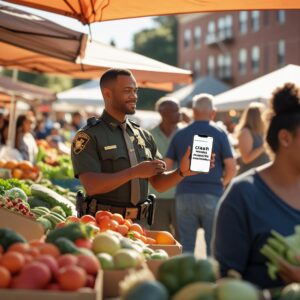
At the same time, the Sheriff’s Office activated its digital platforms—Twitter, Facebook, Instagram, and its official website—with a steady cadence of posts that included FAQs, app walkthroughs, and engagement prompts. These posts were tailored to each platform’s audience and often featured local landmarks, making the app feel relevant to day-to-day community life. Importantly, VSO also partnered with civic organizations, schools, and business associations to distribute flyers, table at local events, and answer questions face-to-face.
Why It Worked: This omnichannel approach ensured that no resident group was excluded from the conversation. Whether someone heard about the app from a deputy at a farmer’s market or saw a demo on the evening news, the message remained clear and consistent. Trusted messengers—such as community leaders and school resource officers—reinforced the credibility of the tool. By saturating multiple channels at once, VSO increased both visibility and trust.
3. Integrating Real-Time 911 Feeds and Air One Helicopter Tracking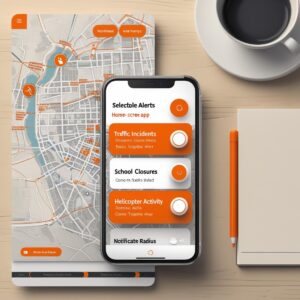
One of the campaign’s most innovative features was showcasing the app’s integration with live 911 call feeds and the Air One helicopter system. Residents could view the location and purpose of air patrol activity and receive push alerts about ongoing emergencies in their immediate vicinity. This real-time integration gave the public access to verified information moments after it was dispatched to first responders, creating an unprecedented level of immediacy in law enforcement transparency.
To communicate this capability, VSO created visual walkthroughs that showed what users would see on their phones during an incident. For example, a push alert might read, “Crash investigation underway at LPGA Blvd and Clyde Morris—avoid area.” The messaging emphasized clarity and utility, avoiding jargon and focusing on actionable guidance. The Sheriff’s Office also addressed potential concerns about constant alerts by explaining how users could customize notifications by radius or topic.
Why It Worked: This was where the app’s real value became clear. Many residents had previously called 911 or the Sheriff’s Office when they saw a low-flying helicopter or a sudden police presence, unsure of what was happening. Now, they had a passive, non-intrusive way to stay informed. The ability to see activity as it happened reduced anxiety and speculation. It also positioned the Sheriff’s Office as transparent, responsive, and willing to share control of the public narrative.
4. Encouraging Two-Way Interaction Through Tips and Feedback
The communication campaign made it clear that the app wasn’t just for consuming information—it was for contributing to public safety. Residents could submit anonymous tips, upload photos or videos related to ongoing investigations, or report suspicious activity. To normalize this behavior, the Sheriff’s Office featured real-life examples of how community-submitted information had already led to successful interventions, such as locating a missing person or identifying a stolen vehicle.
VSO also used in-app feedback tools to invite ongoing resident participation. After major incidents, users were prompted with short surveys asking if the information had been helpful. Periodically, the Sheriff’s Office posed questions like “What new features would you like to see?” through social posts linked to the app. These responses weren’t ignored—they were incorporated into future updates and reflected in public responses, strengthening the perception that the app was being shaped by the community itself.
Why It Worked: The two-way nature of the app reinforced a relationship of mutual trust and value. Residents were not just watching public safety unfold—they were contributing to it. This sense of ownership encouraged adoption and sustained engagement, especially among those who might otherwise be passive consumers of law enforcement information. By closing the loop and showing that input mattered, VSO built loyalty and momentum.
 Communication Lessons from Volusia County
- Lead with Values, Not Just Features: When introducing a new public safety app, it’s tempting to list technical capabilities—push notifications, GPS alerts, live feeds—as the main selling points. Volusia County took the opposite approach. They framed “Community Connect” as an extension of the Sheriff’s Office’s values: transparency, accountability, and partnership with residents. This shifted the conversation from a transactional “download our tool” to a shared mission of public safety. By positioning the app as a civic resource, VSO gave residents a reason to care beyond convenience. The emphasis on values also resonated with audiences who might not consider themselves “tech people,” but who care deeply about staying informed and protecting their neighborhoods.
- Saturate Multiple Channels with Consistent Messaging: Volusia County didn’t rely on a single avenue to spread the word. They orchestrated a layered launch that touched nearly every communication channel residents might encounter—local TV news, printed flyers at community events, social media posts, and direct engagement through civic groups. Each channel carried consistent visuals, language, and key messages so that whether a resident heard about the app at a farmers market or saw it featured on the evening news, the core narrative stayed the same. This omnichannel approach minimized confusion, ensured repeated exposure, and built credibility by pairing law enforcement messaging with the validation of trusted community voices and media outlets.
- Show, Don’t Just Tell: One of the most effective aspects of the campaign was VSO’s choice to demonstrate the app in real-life scenarios rather than rely on abstract descriptions. Video walkthroughs and screenshots showed residents exactly what they would see on their phones during an emergency, from a helicopter patrol location to a traffic crash notification. This visual storytelling helped demystify the technology and bridged the gap between curiosity and download. It also reassured skeptical residents that the app delivered practical, usable information, not just generic alerts. The ability to picture the tool in action made the benefits tangible, driving adoption across diverse demographic groups.
- Build Two-Way Communication from Day One: Many public safety tools start as one-way broadcast channels and only later experiment with community feedback. Volusia County embedded two-way interaction into the launch itself. Residents could submit anonymous tips, upload photos, and respond to short in-app surveys within days of downloading. By showcasing early success stories—like community tips that led to locating missing persons—VSO signaled that the public’s contributions were valued and impactful. This early feedback loop turned passive users into active participants, fostering a sense of shared ownership. It also helped the Sheriff’s Office refine app features in direct response to resident needs, reinforcing that the tool was evolving with the community, not just for it.
- Address Pain Points Proactively: One of the quickest ways to lose new users is through notification fatigue. VSO anticipated this risk and incorporated clear, simple instructions on how to customize alert settings by topic and radius. This guidance was woven into launch materials, social media posts, and event demos so residents learned from the start that they had control over their experience. By removing the fear of “too many alerts,” VSO made it easier for residents to commit to keeping the app installed and active. This proactive troubleshooting built trust and helped maintain long-term engagement rather than a post-launch drop-off.
- Connect the Tool to Everyday Life: While the app’s primary purpose was emergency communication, VSO strategically highlighted features that applied to daily routines—road closure alerts during commutes, helicopter flight information for those living under common patrol routes, and updates on school safety. By positioning “Community Connect” as a tool for everyday decision-making, not just rare emergencies, VSO ensured that residents would open the app frequently. This frequent use reinforced habit, making it more likely that in a true emergency, residents would already be comfortable navigating the platform and trusting its updates.
- Leverage Trust Through Familiar Faces and Local References: Volusia County understood that even the most innovative tools need trusted messengers to vouch for them. Deputies, school resource officers, and community leaders appeared in videos, press events, and in-person demonstrations. These familiar faces brought a human element to the technology, reassuring residents that the app was not an impersonal corporate product but a locally managed service. Including local landmarks and references in social media graphics further localized the tool, making it feel homegrown and relevant. This blend of trust and familiarity helped bridge any skepticism residents might have toward law enforcement technology.
Conclusion
The “Community Connect” app campaign in Volusia County demonstrates how thoughtful public communication can transform a digital platform into a trusted community asset. Rather than positioning the app as a one-size-fits-all tech solution, the Volusia County Sheriff’s Office took a strategic approach: communicating access, accountability, and empowerment at every stage. From launch to feedback, every touchpoint was designed to emphasize usability, inclusivity, and the shared goal of public safety.
What made this initiative especially effective was its ability to meet residents where they are—geographically, digitally, and emotionally. By blending real-time information with transparency and interaction, the campaign helped redefine the role of technology in modern law enforcement. The Sheriff’s Office didn’t just deliver a tool; they invited the public to co-create a safer, more informed county. For agencies across the country seeking to build trust and improve emergency communication, Volusia County offers a replicable blueprint grounded in access, clarity, and collaboration.
Ready to Elevate Your Agency’s Public Communication?
We understand the unique challenges state and local government agencies face—from complex issues to diverse community needs. Our comprehensive approach can help you transform the way you connect with constituents, improve transparency, and highlight the valuable work your agency does every day.
Interested in learning more? Reach out to us today for a consultation. We’d love to discuss how our services can support your goals and help you build lasting trust with the communities you serve.