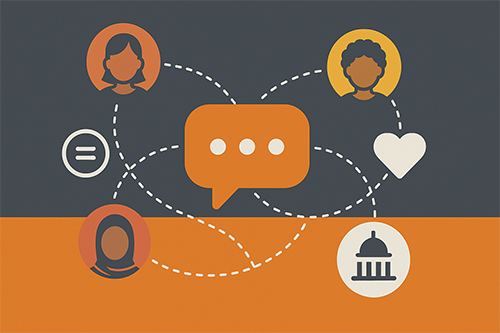
Connecting with Communities: Strategies for Inclusive and Equitable Government Communication for State and Local Government Agencies
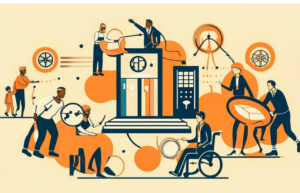 In our increasingly diverse society, effective communication by state and local government agencies is crucial for fostering trust, engagement, and inclusivity. Agencies play a vital role in informing, empowering, and engaging their communities. However, to create a truly inclusive community, it is essential to ensure that every individual, regardless of their background or abilities, has access to vital information and services. This guide explores the key pillars of inclusive and equitable communication—language access, cultural sensitivity, accessibility, and the role of inclusive language—and how leveraging modern technology can address communication challenges.
Language Access
Language barriers can significantly hinder the effectiveness of public communication. Without access to information in their primary language, residents may miss out on essential services, fail to comply with regulations, or not participate fully in public life. For instance, a city with a substantial Spanish-speaking population could face challenges if emergency broadcasts are only available in English, leaving a significant portion of the community uninformed during critical situations.
The Importance of Language Access
Language access ensures that every individual, regardless of their linguistic background, can understand and engage with government communications. This is particularly vital during emergencies, public health campaigns, or when sharing legal and regulatory updates. Ensuring effective language access fosters trust and inclusion within the community and allows governments to reach underserved populations more effectively.
Technological Solutions for Language Access
- Automated Translation Services: Tools like Google Translate provide instant translations for digital content. While useful for initial comprehension, professional translation software or certified translators should be used for critical communications to ensure accuracy and cultural appropriateness.
- Multilingual Websites: Content management systems such as Drupal or WordPress support multilingual features, allowing agencies to efficiently manage information in multiple languages. Including a visible language selector improves accessibility and user experience.
- Interpretation Services: Platforms with real-time interpretation, like Zoom or Microsoft Teams, enable inclusive participation in public meetings and hearings, fostering equitable civic engagement.
Cultural Sensitivity
Cultural sensitivity goes beyond translation—it requires understanding and respecting cultural nuances that shape how messages are received. A public health campaign encouraging vaccination, for instance, will resonate more effectively if it considers cultural beliefs about medicine and government trust.
Why Cultural Sensitivity Matters
Cultural sensitivity ensures that communication resonates with diverse populations. Messages that align with community norms and values are more likely to be trusted and acted upon. Neglecting cultural nuances can result in miscommunication, mistrust, or unintended alienation.
Cultural sensitivity in public communication must also be context-specific. For example, language or imagery that promotes inclusivity in an urban setting may be perceived differently in a rural community. Understanding these local perspectives through stakeholder mapping allows agencies to balance inclusivity with cultural awareness. Partnering with a strategic communications firm can help navigate this balance effectively, ensuring messages serve both the public good and the agency’s reputation.
Technologies to Enhance Cultural Sensitivity
- Engagement Platforms: Social media management tools such as Hootsuite or Sprout Social allow agencies to segment audiences, tailor messaging, and analyze engagement trends across cultural groups.
- Cultural Competence Training: Online learning platforms like LinkedIn Learning or Coursera offer courses in cultural awareness, enabling staff to communicate with empathy and respect across diverse populations.
Examples of Cultural Sensitivity in Action
- Partnering with community leaders to co-design public health messages that address vaccine hesitancy in immigrant populations.
- Using inclusive visuals in marketing materials that reflect the diversity of the residents served.
Accessibility & Compliance
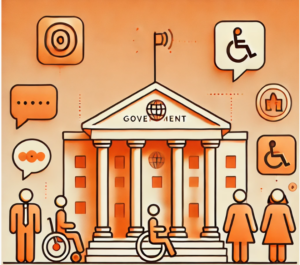 Accessibility ensures that all individuals, including those with disabilities, have equal access to public communications and services. Compliance with the Americans with Disabilities Act (ADA) is not only a legal requirement—it’s a moral commitment to equity.
Understanding Accessibility
Accessibility involves designing communications and environments that accommodate a wide range of needs, including visual, auditory, mobility, and cognitive differences. It means creating materials and platforms that people of all abilities can understand, navigate, and interact with. This includes ensuring websites are compatible with screen readers, videos include accurate captions or transcripts, documents follow accessible formatting, and physical environments are organized in ways that support safe and independent access for all.
Technologies to Support Accessibility
Technology plays a critical role in supporting accessibility and ensuring compliance with ADA and WCAG standards. The following tools and platforms help agencies make their digital and printed materials more inclusive for all users.
- Web Accessibility Evaluation Tools: Tools like WAVE and Axe assess digital content for ADA and WCAG compliance, offering actionable insights for improvement.
- Accessible Document Production: Programs such as Adobe Acrobat Pro can generate screen reader–friendly PDFs. Adding alt text to images and structured headings ensures equitable information access.
- Captioning and Transcription Services: Services like Otter.ai and Rev provide captions and transcripts for videos, improving accessibility for individuals with hearing impairments.
Examples of Accessibility in Action
- Adding alt text to images on government websites to aid visually impaired users.
- Ensuring public service announcements feature American Sign Language and closed captioning.
Using Inclusive Language
Inclusive language is a cornerstone of equitable communication. It respects and reflects the diversity of the community, avoiding terms or phrases that could alienate or offend. By incorporating inclusive language, government agencies demonstrate their commitment to diversity, equity, and inclusion.
Why Inclusive Language Matters
Inclusive language fosters an environment of dignity and belonging. It reduces bias, prevents unintentional exclusion, and strengthens relationships between agencies and the communities they serve.
Practical Tips for Inclusive Language
- Use Gender-Neutral Terms: Opt for inclusive words such as “firefighter” instead of “fireman.”
- Avoid Stereotypes: Describe people accurately without reinforcing cultural or demographic assumptions.
- Adopt People-First Language: Say “person with a disability” rather than “disabled person.”
- Be Culturally Aware: Adapt tone and phrasing to suit local contexts while avoiding exclusionary jargon.
- Use Accessible Language: Simplify complex terms to improve readability for diverse literacy levels.
- Seek Feedback: Invite diverse community members to review key communications before release.
Strategies to Overcome Challenges
 Even with strong intent, implementing inclusive communication strategies presents several challenges. Organizations may struggle with limited staffing or budgets, uneven access to technology, outdated systems, or gaps in training and cultural competence. These obstacles can slow progress and make it difficult to maintain consistent, accessible communication across platforms. The following approaches offer practical ways to address these barriers and support more effective, inclusive public engagement.
Solutions to Common Challenges
- Leverage Technology: Use AI-powered translation, captioning, and chatbot tools to expand reach cost-effectively.
- Form Partnerships: Collaborate with nonprofits, advocacy groups, and cultural organizations to extend capacity and authenticity.
- Invest in Training: Offer ongoing professional development in cultural competence, accessibility standards, and inclusive communication best practices.
Real-World Applications
- Partnering with disability advocacy organizations to improve accessibility at public events.
- Engaging cultural leaders to co-produce multilingual public service campaigns.
Conclusion
State and local government agencies play a pivotal role in ensuring every voice is heard and valued. By prioritizing inclusive communication and leveraging modern technology, agencies can meet compliance standards while building trust and meaningful engagement with residents. Inclusive communication transforms outreach from a one-way message into a dialogue that strengthens community cohesion.
True inclusion is an ongoing practice—one that evolves with community demographics, social context, and technology. Agencies that embrace this mindset set the standard for equitable governance and transparent public service.
Ready to Elevate Your Agency’s Public Communication?
We understand the unique challenges state and local government agencies face—from complex issues to diverse community needs. Our comprehensive approach can help you transform how you connect with constituents, improve transparency, and highlight the valuable work your agency does every day.
Interested in learning more? Reach out to us today for a consultation. We’d love to discuss how our services can support your goals and help you build lasting trust with the communities you serve.