Community Feedback Loops in Water Management
 Water management depends not only on scientific data and operational systems but also on the voices of the people who rely on those resources every day. Water conservation districts, water management agencies, irrigation districts, and watershed organizations all serve communities with diverse expectations, varying levels of water awareness, and different relationships to their local environment. When communication flows only one way, agencies may miss critical insights that shape how water systems are understood and how conservation behaviors take root. Community feedback loops help bridge this gap by transforming residents, customers, and water users into active contributors who help refine messaging, highlight emerging concerns, and identify opportunities for improved water stewardship.
Effective feedback systems do more than collect opinions. They create structured channels for listening, responding, and adapting communication strategies based on what people actually experience. Residents can share how drought restrictions affect household routines and neighborhood expectations. Growers and irrigators can identify confusion around allocation schedules, reporting requirements, or timing changes that affect operations. Customers can flag conflicting guidance across channels, or point to local conditions that updates may not yet reflect. These insights give agencies a clearer picture of how water guidance is interpreted on the ground and reveal gaps that internal teams might not otherwise see. When agencies integrate this feedback thoughtfully, they improve both message clarity and public trust.
Feedback loops also demonstrate transparency by showing that agencies value input and act on it. Communities become more engaged when they see that their concerns matter, and agencies benefit from a more responsive communication system that evolves with real world conditions. As drought cycles intensify and water pressures increase, successful water management relies on meaningful dialogue between agencies and the people they serve. Feedback loops make that dialogue possible.
Why Feedback Loops Strengthen Communication Systems
Feedback loops play a foundational role in understanding how people interpret water guidance and how communication strategies should evolve over time. They reveal whether messages are reaching their intended audience, whether water users understand the reasoning behind restrictions and triggers, and whether community members feel informed enough to comply. Water conservation districts often discover that residents interpret drought stages differently than intended, especially when rules change mid season. Water management agencies learn how rate, rebate, and enforcement messaging influences participation and perceived fairness. Irrigation districts gain insight into how allocation notices, scheduling updates, and operational constraints are understood by producers and landowners. Watershed organizations uncover misconceptions about what actions actually protect local streams, habitat, and long term supply. Each insight helps refine how information is framed and delivered.
These loops strengthen communication because they provide continuous calibration. A message that worked during early drought awareness phases may not resonate once conditions worsen. A graphic that felt intuitive in January may confuse residents in July when restrictions tighten and exceptions become more nuanced. Community input signals when adjustments are needed and ensures that agencies do not rely on outdated assumptions. With regular feedback, communication becomes more precise, timely, and aligned with how people actually process information.
The existence of a feedback loop also sends a powerful cultural signal. It shows that agencies value participation rather than solely enforcement. People feel more respected when they are invited to share their experiences, and their willingness to follow guidance increases when they believe the agency is listening. Communication systems built on dialogue rather than one sided messaging cultivate deeper trust and long term support for water management decisions.
From Scarcity to Sustainability: Effective Communication Strategies for Water Conservation Agencies
This article is part of our series on strategic communication for Water Conservation Special Districts and Public Water and Sewer Utilities. To learn more and to see the parent article, which links to other content just like this, click the button below.
Designing Feedback Systems That Communities Will Actually Use
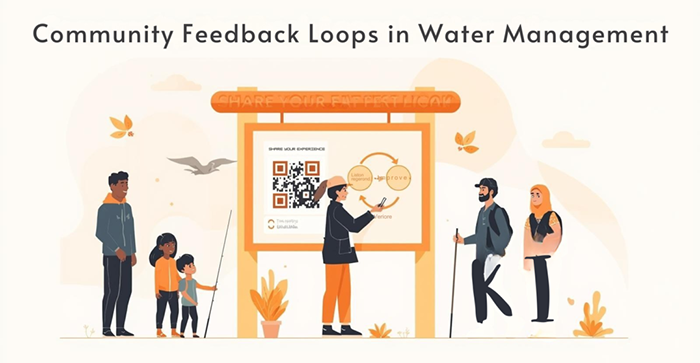
A feedback loop succeeds only when it feels accessible, convenient, and meaningful to the people who participate. Agencies must design systems that meet customers and water users where they already are rather than expecting them to adopt unfamiliar processes. Water conservation districts often use QR codes on rebate flyers, demonstration garden signage, and conservation workshop materials where people naturally pause. Water management agencies incorporate brief survey links into drought stage updates, customer advisories, and treatment or watershed newsletters to capture timely reactions. Irrigation districts include quick comment forms in digital scheduling notices so growers and landowners can respond directly from the field or jobsite. Watershed organizations collect input at community events, restoration days, and education programs where conversations already occur.
The design of the feedback request matters as much as the placement. People engage more readily when prompts are short, respectful, and specific. A message such as “Help us improve drought updates and conservation guidance” feels clearer than “Give feedback.” A prompt like “Tell us about your experience with watering schedules and irrigation restrictions” helps residents focus on a topic rather than wondering what the agency wants to know. Clarity encourages participation and reduces hesitation.
Meaning also drives engagement. Communities respond when they understand that their input leads to visible outcomes. When agencies close the loop by sharing how feedback shaped updated drought alerts, clearer watering guidance, or improved customer FAQs, people feel that their time mattered. This creates a self reinforcing cycle. As agencies demonstrate responsiveness, more people contribute. As more people contribute, communication becomes stronger and more effective.
Building Trust Through Transparent Communication Cycles
Transparency is essential for maintaining trust, especially when water conditions change rapidly. Agencies that communicate openly about how decisions are made and how feedback influences those decisions create a stronger relationship with the public. Water conservation districts often publish short updates explaining how customer input shaped rebate messaging, watering schedule explanations, or enforcement reminders. Water management agencies share results from community listening sessions to demonstrate how drought stage guidance, allocation messaging, or conservation priorities were refined. Irrigation districts release operational updates that incorporate producer observations alongside system constraints, helping water users understand why timing shifts occur. Watershed organizations report community feedback on restoration signage and public education materials, showing how input improved clarity and reduced confusion.
Transparency reduces speculation and strengthens credibility. When communities see clearly how decisions evolve, they are less likely to assume hidden motives or inconsistencies. This clarity is especially important during drought restrictions, when emotions can run high and customers may feel frustrated by tighter rules or changing schedules. Transparent communication helps people understand not only what is happening but why decisions were necessary.
Clear communication cycles also reinforce a sense of partnership. When agencies share what they heard, what they changed, and what comes next, they demonstrate accountability. People trust organizations that communicate openly, follow through visibly, and remain attentive to community concerns. These cycles become the backbone of effective water stewardship communication.
Using QR Codes, Digital Forms, and On Site Conversations to Capture Real Time Insights
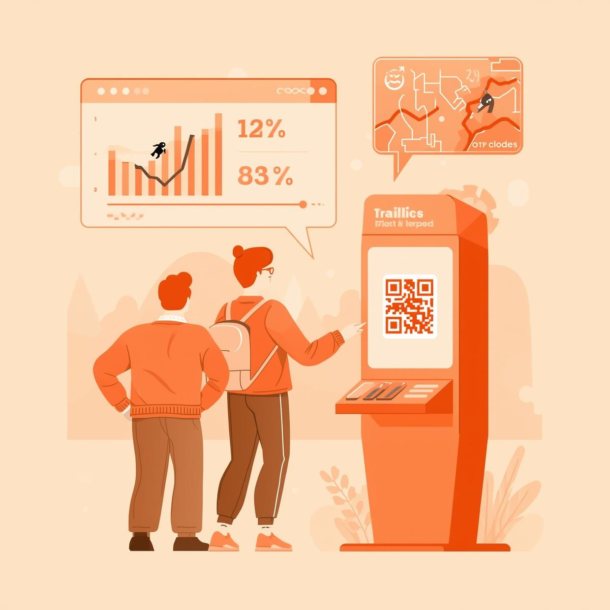
Real time communication plays a central role in effective feedback loops. Many customers and water users notice confusion, contradictions, or practical barriers in the moment, not after they return home. Water conservation districts increasingly rely on QR codes placed on program materials, demonstration sites, and public outreach signage to make it easy for people to share what they notice. Water management agencies use digital forms embedded in drought advisories, supply updates, and customer dashboards so people can quickly flag unclear guidance, shifting restrictions, or emerging concerns. Irrigation districts often add mobile friendly survey links to schedule notices and gate change alerts that allow producers to respond immediately. Watershed organizations use these tools at restoration sites and community education events to gauge how residents understand seasonal water guidance and local watershed conditions.
QR codes and digital forms work because they meet people in the moment. A customer who notices a confusing watering schedule is far more likely to provide feedback when the prompt is physically in front of them. A resident who struggles to interpret drought stage changes is more inclined to share concerns when a short form appears at the top of an email update. These tools reduce friction, shorten response time, and capture details that might otherwise be forgotten. When agencies combine on site prompts with digital accessibility, they maximize the likelihood of hearing from people whose perspectives matter most.
On site conversations remain essential even when digital tools are prominent. Staff interactions often provide context that surveys cannot capture. Customer service teams hear when residents are confused about drought stages, exemptions, or enforcement timing. Conservation program staff learn how households interpret rebate steps, inspections, and installation guidance. Field crews and water masters hear directly from water users about operational impacts, access issues, or conditions that influence timing. Community outreach staff hear concerns from seniors, families, and business owners about how rules affect daily routines. These conversations offer nuance, emotion, and lived experience. When staff are trained to surface and relay these insights, agencies add a human dimension to their feedback loops that enhances understanding.
Turning Community Input Into Actionable Themes
Feedback becomes meaningful when agencies translate raw input into themes that guide communication decisions. This requires structure, consistency, and cross departmental coordination. Water conservation districts often categorize feedback into rule interpretation challenges, rebate process clarity, and customer expectations about what changes by drought stage. Water management agencies group submitted observations into messaging clarity, perceived fairness, and questions about decision triggers and timelines. Irrigation districts classify responses based on schedule impacts, access and delivery constraints, and communication timing preferences. Watershed organizations organize community comments by restoration understanding, local conditions awareness, and education message consistency.
These categories help agencies identify recurring patterns. If multiple residents report confusion about drought stage rules, communication updates become a priority. If customers consistently flag mixed signals across email and web updates, teams can refine templates and tighten approval workflows. If water users continue to misinterpret scheduling notices, irrigation districts can improve diagrams, add plain language explanations, and adjust where key details appear. This thematic analysis helps agencies determine what messages require clarification and which audiences need targeted outreach.
Themes also reveal unmet needs that may not surface during internal planning. People often identify emotional sticking points or practical obstacles that staff did not anticipate. A well structured feedback loop surfaces these insights early, allowing agencies to adjust communication strategies before misinformation spreads or frustration grows. When agencies act on these themes, they build communication systems that feel responsive rather than passive.
Closing the Loop: Showing Communities How Their Input Shaped Decisions
Closing the feedback loop is one of the most important parts of community engagement. People are far more likely to participate again when they see the tangible results of their contributions. Water conservation districts demonstrate closure by posting updates that show which drought messages were revised based on customer input, or how rebate instructions were clarified to reduce drop off. Water management agencies share before and after examples of customer FAQs, dashboards, or restriction notices that reflect community suggestions. Irrigation districts update scheduling communications with clearer visual cues that emerged from user feedback and report back on what changed and why. Watershed organizations release seasonal summaries explaining how resident comments influenced outreach materials, restoration signage, or educational program design.
Sharing these results builds trust and reinforces community participation. Even a short update such as “Here is what we heard and what we changed” signals accountability. Communities appreciate knowing that their voices shaped decisions and strengthened communication accuracy. This transparency creates a sense of partnership, where agencies and customers work together rather than operating in isolation.
Closing the loop also reduces frustration. When communities see that their concerns have been acknowledged and addressed, they feel heard. They understand that communication is not a one time effort but a continuous cycle of listening and improving. This sense of shared effort is especially important in water management, where decisions affect daily life and require long term public cooperation. Agencies that consistently close the loop foster deeper relationships and maintain stronger support for ongoing conservation efforts.
Ensuring Equity in Feedback Collection
 Equitable participation is essential for feedback loops to reflect the full community. Some groups face barriers that make engagement less accessible, and agencies must intentionally design systems that do not exclude them. Water conservation districts often work with communities that have limited internet access or language differences that influence how information is received. Water management agencies serve customers with varying levels of digital comfort and different needs for plain language, translation, and accessible formats. Irrigation districts engage landowners, operators, and seasonal staff who may not see digital prompts unless they are placed strategically and delivered through trusted channels. Watershed organizations reach residents of all ages, abilities, and cultural backgrounds, which means feedback methods must be inclusive by design.
Equitable communication begins with recognizing varied needs. Some people prefer speaking with staff rather than using a digital form. Others rely on translation, simple visuals, or plain language to understand what feedback is being requested. Agencies achieve equity when they offer multiple avenues for participation, including phone based input, in person conversations, text message options, printed flyers, QR codes, and accessible digital forms. This variety ensures that feedback comes from a wide representation of the community rather than a narrow subset.
Equity also requires continuous assessment. Agencies must monitor who is participating and who is not, adjusting their communication methods when certain audiences remain underrepresented. This iterative approach strengthens the accuracy of feedback loops and ensures that water decisions and conservation communication reflect the experiences of all people who rely on these resources. By prioritizing inclusivity, agencies build communication systems that support fairness and long term public trust.
Creating Feedback Opportunities Throughout the Visitor Journey
Feedback loops function best when they follow a person’s natural experience with water information and services. Agencies improve the quality of input when they design opportunities at multiple touchpoints rather than relying on one centralized method. Water conservation districts often begin by gathering pre season feedback through program enrollment forms, rebate portals, or drought awareness emails, where customers can share concerns before changes take effect. Water management agencies collect input as customers engage with dashboards, bill inserts, and restriction notices, capturing impressions while information is still fresh. Irrigation districts gather feedback at the moment of operational change, such as after a schedule update or delivery adjustment, when the impact is immediate and specific. Watershed organizations extend these channels by soliciting feedback after community events, restoration activities, or education programs.
This multi stage approach recognizes that people notice different things at different times. Before a season shifts, customers may focus on whether restrictions affect their routines and landscapes. During implementation, they respond to message clarity, enforcement consistency, and the practicality of guidance. Afterward, they reflect on what worked, what confused them, and where communication gaps appeared. When agencies map feedback opportunities across this full arc, they gain richer insights and a more accurate picture of how messaging lands with the public.
The timing also helps agencies understand which communication moments have the greatest influence on behavior. Real time feedback on restriction notices might reveal confusion about stage thresholds, while post season surveys might uncover frustration that was not expressed earlier. When agencies integrate all phases of input, they develop communication strategies that reflect the true customer journey rather than isolated snapshots.
Engaging Community Partners to Strengthen Listening Efforts
Partnerships expand the reach of feedback loops and deepen an agency’s understanding of community perspectives. Water conservation districts often collaborate with neighborhood associations, homeowners groups, and local nonprofits that have strong relationships with residents. Water management agencies partner with municipal departments, community based organizations, and business groups that can surface questions and concerns quickly. Irrigation districts work with grower associations, farm bureaus, and local boards that can provide operational insights grounded in daily realities. Watershed organizations partner with schools, conservation groups, libraries, and cultural organizations to broaden who participates in feedback opportunities.
These partners are trusted messengers who help surface concerns that may not reach agencies directly. A neighborhood group may flag consistent confusion around a particular watering schedule. A business association might raise questions about outdoor water use compliance and timing. A school program could share that families do not fully understand why certain rules exist. Each of these insights helps agencies refine communication in ways that feel community centered rather than top down.
Partnerships also extend the feedback loop into spaces where agencies may not have a strong physical presence. Faith groups, service organizations, and cultural associations can help distribute surveys, host discussions, or relay experiences from residents who seldom engage with government systems. This distributed approach strengthens representation and ensures that feedback includes perspectives from across the community.
Turning Community Feedback Into Narrative Insights
Feedback loops generate data, but they also generate stories. These stories contain emotional nuance, context, and motivation that pure metrics cannot capture. Water conservation districts often receive comments about household routines, neighborhood pressure, or confusion that surfaced during a restriction change. Water management agencies gather stories about how customers experienced a new drought stage announcement, a billing message, or a program change. Irrigation districts hear narratives from landowners and operators about what schedule shifts mean in practice and where communication details are most easily missed. Watershed organizations collect stories from residents who notice creek changes, restoration impacts, or community concerns tied to local waterways.
Narrative insights reveal how people experience water management in real life. They help agencies understand where frustration begins, where confusion peaks, and where reassurance is needed most. A story about unclear messaging may highlight a communication gap that data alone would miss. A narrative about feeling respected during an enforcement interaction may reveal the importance of tone and human connection. These insights allow agencies to design communication that addresses not only factual gaps but emotional needs.
When agencies analyze feedback through a narrative lens, they strengthen their ability to communicate with empathy. They move beyond transactional interactions and begin to address the lived experiences of the people they serve. This narrative understanding becomes especially important during drought, when emotions influence how rules are perceived and whether people feel motivated to support conservation efforts.
Using Feedback to Predict Communication Needs Before Issues Escalate
Well designed feedback loops allow agencies to identify patterns early, often before they result in widespread confusion or frustration. Water conservation districts may notice a cluster of comments expressing uncertainty about what changes at each drought stage, signaling a need for clearer graphics or revised language. Water management agencies might detect recurring confusion about exemptions, enforcement timing, or how decisions are triggered. Irrigation districts may observe repeated questions about scheduling notices, delivery windows, or operational constraints that require better explanation. Watershed organizations may see concerns about conditions that residents interpret differently than technical summaries, indicating a need for clearer context.
These early signals help agencies intervene proactively. Instead of waiting for issues to escalate into complaints or misinformation, they revise communication materials while concerns are still manageable. This proactive approach reduces tension and builds confidence in the agency’s responsiveness. It also prevents small misunderstandings from snowballing into broader distrust.
Predictive insights also support long term planning. Consistent questions about a particular stage may indicate that the design needs reconsideration. Repeated confusion about a rule could signal the need for plain language revisions. Regular feedback about timing might reveal when customers prefer to receive updates. These patterns help agencies evolve communication systems to be more intuitive and aligned with community expectations.
Aligning Internal Teams Around Community Insights
Feedback loops function effectively only when internal teams are prepared to analyze, share, and use the insights they receive. Water conservation districts often maintain multiple functions, from customer service and conservation programs to field operations, each of which touches water messaging in different ways. Water management agencies coordinate work among operations, engineering, public affairs, and customer support teams who observe conditions and public reaction firsthand. Irrigation districts collaborate across water masters, office staff, and board leadership, all of whom influence how updates are delivered and interpreted. Watershed organizations align restoration teams, educators, and communications staff who translate local conditions into public understanding. This internal complexity means that insights gathered from the public must move efficiently across teams to influence decisions.
Internal alignment begins with a shared understanding of what feedback means. Agencies benefit from consistent interpretation frameworks that allow teams to distinguish between isolated comments and meaningful patterns. When insights are categorized consistently, teams can compare trends over time, identify emerging concerns, and understand how different audiences respond to communication materials. This structure helps prevent misinterpretation and ensures that the agency speaks with one unified voice rather than separate messages from different departments.
Clear distribution channels also support alignment. Agencies that hold regular cross team discussions about community feedback develop a common awareness of how customers interpret drought information. These conversations give staff a broader perspective on how their work influences the public. A field team that hears how residents interpret watering schedules may adjust how and when signage or notifications are delivered. A communications specialist who learns of repeated confusion about stage thresholds may update visuals or revise plain language descriptions. When internal teams operate with shared context, they craft communication materials that feel cohesive and intentional.
Incorporating Community Voices Into Long Term Water Planning
Short term feedback enhances communication during active drought cycles, but long term participation shapes sustainable water strategies. Water conservation districts rely on community input when planning for program expansion, incentive design, and long term behavior change initiatives. Water management agencies use customer perspectives to guide infrastructure planning, demand management approaches, and communication priorities that will persist across cycles. Irrigation districts gather insights that shape scheduling modernization, notification improvements, and long range operational planning tied to water availability. Watershed organizations use community voices to guide restoration priorities, education strategies, and collaborative projects that protect local waterways over time.
Long term planning benefits from recurring engagement rather than one time surveys. Consistent feedback cycles help agencies track how perceptions change over time as drought conditions intensify or water availability fluctuates. Over multiple seasons, agencies begin to see which messages resonate, which behaviors persist, and which communication gaps remain. This longitudinal perspective supports more refined decision making and ensures that planning reflects not only agency priorities but also community realities.
Strengthening long term participation also deepens trust. When residents see that their voices shape future investments, they become more supportive of conservation efforts and more understanding of necessary restrictions. They recognize that drought management is not a temporary inconvenience but an ongoing partnership. Agencies that include community perspectives in planning build a foundation for water strategies that are resilient, adaptive, and widely supported.
Strengthening Public Understanding Through Transparent Reporting
Transparency is a cornerstone of effective water management, and reporting is one of the clearest ways agencies demonstrate it. Water conservation districts often publish seasonal summaries that show how community input affected program messaging, restriction explanations, or outreach materials. Water management agencies release updates on supply conditions, drought stage changes, and demand trends that incorporate both technical data and customer experience signals. Irrigation districts publish operational summaries, scheduling guidance, and system updates that reflect water user feedback and frequently asked questions. Watershed organizations share restoration progress, local condition updates, and community engagement summaries through newsletters, open house events, or online platforms.
Transparent reporting builds credibility by showing communities how decisions are made and how their input contributed to them. When agencies explain the rationale behind restrictions, visual updates, or communication adjustments, residents develop a clearer understanding of the decision making process. They become less likely to interpret changes as arbitrary and more likely to see them as responsible actions grounded in shared information. This clarity reduces confusion and strengthens compliance with water guidance.
Transparency also reinforces accountability. Agencies that communicate openly about what they heard, what they changed, and what challenges remain build stronger relationships with the people they serve. Public reporting helps residents feel informed and included, fostering an environment where they are more likely to participate in future feedback opportunities. When transparency becomes routine, communities begin to see water management as a shared endeavor rather than a distant administrative process.
Building Feedback Literacy Among Community Members
Feedback loops operate best when communities understand how to participate effectively. Many people want to share insights but are unsure what type of information agencies need. Water conservation districts can improve participation by explaining which observations assist drought communication efforts, such as unclear watering guidance, confusing program steps, or mismatches between posted rules and lived experience. Water management agencies strengthen participation when they help customers understand how to report service concerns, communication contradictions, or questions about stage thresholds. Irrigation districts improve feedback quality by clarifying when water users should report delivery impacts, scheduling confusion, or access constraints. Watershed organizations enhance resident engagement by showing how feedback on local conditions, signage clarity, and education materials helps shape seasonal outreach.
Building feedback literacy empowers people to contribute more meaningfully. A resident who understands that specifics matter will provide clearer descriptions of the issue they experienced. A customer who knows what to look for will flag the exact sentence or graphic that created confusion. A water user who recognizes the value of timely observations will provide input when it can still influence decisions. When communities understand the purpose of feedback, the quality and usefulness of the information improves significantly.
This literacy also strengthens the relationship between agencies and the public. When people see that their contributions help shape communication materials, they feel more invested in conservation outcomes. They become partners rather than passive recipients of information. Over time, this dynamic shifts public perception, builds shared ownership, and supports more effective water stewardship.
Strategic Communication Support for Your Water Conservation District
 Community feedback loops thrive when agencies have clear internal processes, consistent communication standards, and staff who feel confident using input to guide decisions. Many water conservation districts find that although they gather meaningful feedback, they lack a structured framework for turning those insights into communication improvements across every channel. Water management agencies face similar challenges when public comments, call center themes, and field observations come from multiple sources but do not always flow into a unified communication system. Irrigation districts and watershed organizations often recognize that community input is valuable but need additional organizational clarity to interpret patterns, prioritize updates, and maintain consistency across platforms.
Because of these challenges, many organizations choose to partner with an external resource like Stegmeier Consulting Group (SCG). People at these agencies often appreciate support in building communication systems that can respond efficiently to public input while still meeting operational realities. SCG helps teams clarify feedback roles, create decision making pathways, and develop tools that connect community insight to communication strategy. This structured approach ensures that listening, transparency, and data informed messaging align rather than compete with one another.
When agencies have the right systems in place, community feedback becomes an asset that elevates communication rather than a burden that complicates it. SCG works alongside teams to design workflows, refine message clarity, and integrate community perspectives into conservation communication. The result is a communication system that feels more responsive, more coherent, and more trusted by the people it serves.
Conclusion
Community feedback loops bring water management communication to life by transforming it from a static system into a dynamic conversation. Water conservation districts, water management agencies, irrigation districts, and watershed organizations all benefit from communication structures that allow residents, customers, and water users to share experiences and concerns. Feedback loops help agencies understand how messages are interpreted, where confusion emerges, and what information people need to feel confident in their water related decisions. When communication becomes a two way exchange, guidance feels less like enforcement and more like collaboration.
These loops also build public trust. Communities respond positively when they see that their concerns are acknowledged, their insights matter, and their ideas lead to actual improvements. Transparent updates and responsive adjustments reinforce the belief that agencies are working in partnership with the public. This is especially important during drought cycles or periods of water stress, when clarity and credibility shape behavior more than any single rule or advisory.
Ultimately, feedback loops are not simply tools for gathering information. They are relational structures that invite people into the work of water stewardship. When agencies listen consistently and respond thoughtfully, they cultivate communities that feel informed, respected, and motivated to support conservation efforts. Strong water communication depends on these relationships, and feedback loops are the foundation that keeps them thriving.
SCG’s Strategic Approach to Communication Systems
Align your agency’s messaging, processes, and public engagement strategies
Agencies that communicate effectively build stronger trust with staff, stakeholders, and the public. Whether you are implementing QR code systems, improving internal communication workflows, or strengthening agency-wide alignment, SCG can help you develop a communication system that supports consistent decision-making and long-term organizational success. Use the form below to connect with our team and explore how a strategic communication framework can elevate your agency’s impact.