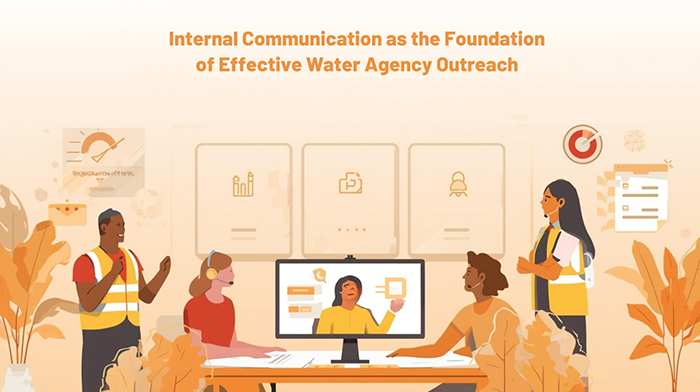
Internal Communication as the Foundation of Effective Water Agency Outreach
Effective water communication begins long before messages reach the public. Water conservation districts, municipal water agencies, irrigation districts, and watershed organizations all depend on internal communication systems that help staff interpret conditions consistently, share updates quickly, and coordinate responses across teams. When internal communication is strong, external messaging becomes clearer, faster, and more trustworthy. When it is weak, even well designed public campaigns struggle to gain traction. This connection is often overlooked, yet it forms the backbone of successful water conservation outreach.
Staff across departments must understand not only what the agency is communicating but why certain messages matter at specific moments. Drought escalation, seasonal restrictions, infrastructure issues, and community concerns all require internal alignment. When teams lack shared context, public communication risks becoming inconsistent or confusing. Residents notice when different staff members give different answers or when updates conflict with one another. Strong internal communication prevents these gaps by ensuring staff speak with one voice.
Internal communication also shapes organizational culture. Water agencies that prioritize transparency, clarity, and mutual support internally are better equipped to maintain public trust during challenging periods such as drought emergencies, sudden water shortages, or rapid policy changes. By building communication systems that flow smoothly from leadership to frontline staff, agencies strengthen the foundation that makes all public outreach possible.
Why Internal Alignment Matters for Public Trust
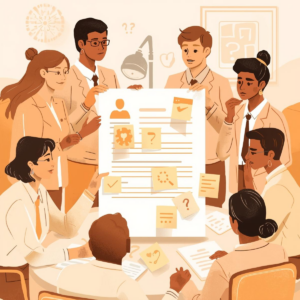 Public trust is influenced not only by what water agencies say but by how consistently they say it. When residents receive accurate and unified information, they interpret the agency as competent and reliable. Water conservation districts and municipal water agencies therefore benefit from ensuring that every staff member understands current water conditions, upcoming policy changes, and ongoing outreach strategies. This alignment helps prevent confusion among residents and reduces the likelihood of misinformation circulating within the community.
Internal alignment also reduces staff stress. Teams that have access to timely updates and clear explanations feel better prepared to respond to questions from residents or partner organizations. This confidence shows in their interactions, which improves the overall quality of public engagement. Staff who understand the reasoning behind conservation guidelines are more likely to communicate with empathy and clarity, especially during difficult circumstances.
Effective internal coordination strengthens the agency’s external communication rhythm. When field staff, communication officers, leadership teams, and customer service personnel all share the same understanding, outreach becomes more strategic and more consistent. Over time, this consistency reinforces the agency’s reputation as a steady and trustworthy source of information.
From Scarcity to Sustainability: Effective Communication Strategies for Water Conservation Agencies
This article is part of our series on strategic communication for Water conservation agencies. To learn more and to see the parent article, which links to other content just like this, click the button below.
Internal Information Flow During Drought and Emergency Conditions
Drought escalation and water emergencies place enormous pressure on agencies to communicate clearly and quickly. This can only happen when internal communication channels function well. Water management agencies often rely on rapid exchanges between hydrologists, field crews, communication teams, and leadership. If these exchanges are delayed or fragmented, public updates may arrive too slowly or present outdated information.
A strong internal communication system ensures that relevant updates reach team members immediately. This may include sudden drops in reservoir levels, infrastructure failures, unexpected demand spikes, or emerging environmental stressors. Staff must not only receive the information but also understand its implications. For example, a reservoir threshold might trigger new watering limitations or require adjustments to the messages customer service teams share with residents. When internal updates arrive without context, staff struggle to translate them into clear public guidance.
During rapidly changing conditions, internal communication must feel predictable and dependable. Agencies with established internal protocols for drought stages, emergency alerts, and message approvals can move swiftly without confusion. This preparedness helps teams remain calm and coordinated, which allows external communication to maintain a steady and composed tone.
Creating Shared Understanding Across Departments
Water communication often requires collaboration among diverse teams. Field crews observe operational realities. Communication staff translate conditions for the public. Leadership defines policy direction. Customer service teams respond to questions and concerns. Water conservation districts and irrigation districts must unify these groups through consistent internal messaging so all staff understand how their roles fit into the broader conservation strategy.
Shared understanding develops through both structure and culture. Structured systems may include internal briefings, drought condition dashboards, message libraries, or clear chains of communication. Cultural components include trust, mutual respect, and a recognition that communication is a collective responsibility. When staff appreciate how their work influences public understanding, they approach communication more intentionally.
This clarity helps prevent bottlenecks. For example, if field staff report a sudden irrigation system malfunction or observe misuse of district facilities, communication teams need timely updates to adjust public messaging. Likewise, customer service teams must know when new watering schedules, restrictions, or incentives are in effect. Shared understanding creates a seamless internal ecosystem, resulting in stronger, more coordinated outreach.
The Role of Leadership in Internal Communication Consistency
 Effective internal communication begins with leadership. Whether in water conservation districts, watershed organizations, municipal water agencies, or irrigation districts, staff look to leaders for clarity, tone, and direction. Communication systems only work when leadership models the behavior and consistency they expect across the organization. When leaders communicate with alignment and intention, staff experience greater confidence and the public receives clearer messages. The agency’s external communication becomes more reliable as a result.
Setting a Unified Message Framework
Strong communication depends on a shared message foundation. Leaders serve as the architects of that foundation by defining what the organization wants staff to reinforce, why those messages matter, and how they should be communicated. When expectations are not explicit, teams often fill in gaps with assumptions. This leads to mixed interpretations among maintenance crews, customer service teams, conservation staff, and administrative units.
Leadership prevents this drift by developing message frameworks that outline key points, appropriate tone, and contextual explanations staff can use across interactions. Agencies benefit from revisiting these frameworks regularly, especially during periods of drought, emergency changes, or infrastructure strain. A consistent message foundation gives staff the confidence to answer questions accurately and reduces the cognitive burden of improvising responses under pressure.
Modeling Transparency and Accountability
Residents notice when staff appear confident and informed. Staff notice when leadership provides the same level of clarity internally. Leaders who communicate early, share reasoning, and acknowledge uncertainty reinforce a culture where staff feel trusted and respected. This is especially important for water agencies where staff often communicate complex scientific or regulatory information to the public.
Transparency also includes acknowledging mistakes or communication breakdowns. When leaders treat these moments as opportunities for learning rather than blame, they set a precedent for open dialogue. Staff become more willing to surface concerns or inconsistencies when they see leadership modeling accountability. This iterative approach strengthens communication systems over time.
Coordinating Cross Department Communication
Water agencies operate as interconnected systems. What happens in one part of the organization influences many others. Leadership plays a critical role in aligning communication across departments so the agency speaks with one voice. Without structured coordination, different units may address the same public issue in different ways. This creates confusion for both staff and residents.
Leaders can support alignment by establishing regular communication checkpoints such as cross team briefings, message alignment reviews, or operational huddles. Even simple practices like circulating weekly message summaries or maintaining a centralized repository of approved public messages improve consistency across the agency.
Internal Training as a Tool for Stronger External Messaging
Training is often viewed through the lens of compliance or technical skill, but it is equally important as a communication tool. Water conservation districts, municipal water agencies, irrigation districts, and watershed organizations all benefit from training programs that help staff interpret conservation rules, explain water science in plain language, and respond to difficult public questions with calm confidence.
Effective training helps staff understand how internal decisions connect to external messaging. For example, a frontline employee may know that watering restrictions have tightened, but without training, they may not understand the hydrological or operational reasons behind the change. Training bridges this gap by explaining the why, which strengthens the clarity and credibility of public communication. Staff who grasp the purpose of each guidance point are better positioned to communicate with empathy and accuracy.
Training also supports internal consistency. When teams receive message refreshers before drought escalations, new conservation campaigns, or required changes to outdoor watering schedules, agencies prevent outdated or conflicting information from reaching the public. Training does not need to be lengthy. Short scenario discussions, concise message updates, or quick-reference video modules can keep teams aligned and confident. The goal is to prepare staff so well that external communication feels natural, unified, and grounded in shared understanding.
Digital Tools That Strengthen Internal Coordination
Technology plays an increasingly important role in how water agencies share information internally. Digital dashboards, message libraries, shared communication calendars, and real-time alerts help teams stay connected even when staff work across multiple sites or in the field. Water conservation districts often rely on these tools to synchronize updates about reservoir conditions, system impacts, or operational changes. Watershed organizations use similar digital platforms to track streamflow data or habitat conditions that influence conservation messaging.
Digital tools help reduce bottlenecks by making information easily accessible and centralized. Instead of relying on long email chains or informal updates, staff can quickly access authoritative information through consistent internal platforms. This not only accelerates communication but also reduces the risk of misinterpretation. When everyone uses shared tools and works from the same source of truth, cross-departmental coordination becomes more reliable.
However, technology only strengthens communication when staff feel comfortable using it. Agencies benefit from onboarding new employees to digital tools, offering refresher sessions, and ensuring that internal systems remain intuitive. When digital platforms support rather than overwhelm staff, internal communication becomes more streamlined, and public-facing messaging becomes more responsive to real-time operational needs.
Building a Culture of Communication Across Field and Office Teams
Internal communication often breaks down when field teams and office-based staff operate with different assumptions or rhythms. Field crews see real-time operational conditions, identify water loss patterns, observe resident behaviors, and experience emerging issues firsthand. Office teams focus on policy, message refinement, and long-term planning. Water management agencies rely heavily on both groups to inform public communication. When these voices are connected, outreach becomes far more grounded and effective.
A strong internal communication culture values both types of knowledge equally. Field staff must feel encouraged to report observations that influence public messaging, such as unexpected spikes in local water use, irrigation system failures, or community confusion about new rules. Office teams must keep field crews updated on drought guidance, conservation priorities, and policy adjustments. When the loop closes between field realities and administrative planning, agencies strengthen internal trust and reduce communication gaps.
Building this culture requires consistent habits rather than isolated actions. Short daily check-ins, shared logs of field observations, and designated communication liaisons help bridge the divide between office and field. When staff see that their insights shape communication decisions, they become more invested in both internal and external messaging success.
Internal Message Testing Before Public Release
Strong public communication begins with internal clarity. Water conservation districts, watershed organizations, and municipal water agencies benefit from testing draft messages internally before sharing them with the public. This process helps identify wording that may cause confusion, lead to misinterpretation, or elicit unintended reactions from residents. It also ensures that staff understand the content thoroughly enough to explain it confidently during conversations.
Message testing typically involves reviewing draft language with staff at different levels of the organization. Frontline employees may notice practical issues that leadership or communications teams do not, such as how a phrase might be interpreted at a customer service counter or how a resident might misunderstand watering schedule instructions. Office teams may spot inconsistencies with broader conservation policies. Leadership may refine tone or strategic emphasis. This collaborative refinement strengthens clarity and ensures alignment.
Internal message testing also enhances staff ownership. When staff feel included in shaping public communication, they deliver messaging more confidently and consistently. Over time, this practice elevates communication quality and reduces gaps between intended messages and public interpretation.
How Internal Feedback Strengthens External Campaigns
Internal feedback serves as an early indicator of how the public may respond to a campaign. When staff share concerns, uncertainties, or suggestions about draft messaging, agencies can adjust before any confusion reaches the community. Water management agencies often rely on this internal insight because staff interact directly with residents, contractors, and landowners. Their firsthand experience helps refine messaging so it remains accessible and relevant.
Feedback also reveals barriers that leadership may not see. Customer service teams may notice recurring caller questions that highlight communication gaps. Field staff may observe confusion around signage, watering schedules, or system changes. Water conservation districts that gather this insight early can design communication that directly addresses prevalent concerns. This prevents unnecessary frustration and improves the clarity and credibility of public outreach.
Internal feedback also strengthens alignment across teams. When communication teams collaborate closely with operational units, customer service agents, and technical specialists, messaging reflects a more complete view of community needs and system realities. This cohesion results in campaigns that feel practical, trustworthy, and grounded in real-world context.
Designing Internal Updates That Are Clear and Actionable
Internal communication must be more than informative. It must be actionable. Staff should understand what is changing, how it affects their work, and what the agency expects them to communicate externally. Water conservation districts, watershed organizations, and water management agencies often rely on internal updates during drought transitions, regulatory changes, or infrastructure adjustments. These updates must provide sufficient clarity without overwhelming staff.
A strong internal update typically includes three components. First is context, which explains why a change is necessary. Second is the specific action or behavior expected from staff. Third is the public-facing message staff should reinforce. This structure ensures staff can connect internal direction to external guidance, reducing confusion and strengthening unity across the organization.
Internal updates should also be easy to access. Staff should not have to search through email threads or old documents. A shared dashboard, internal resource library, or concise quick-reference sheet helps ensure that everyone works from the same information. When updates are streamlined, accessible, and clear, staff feel supported and confident.
Encouraging Two Way Communication Across All Roles
 Effective internal communication is never one-directional. Water agencies thrive when staff at all levels feel comfortable sharing insights that strengthen public communication. Field observations, customer concerns, system performance issues, and community reactions all offer valuable information that can improve conservation messaging.
Encouraging two-way communication requires intentional design. Agencies may use regular check-ins, open feedback channels, or structured discussion prompts during staff meetings to ensure input is welcomed. When field teams feel empowered to surface recurring issues, such as misunderstood restrictions or irrigation challenges, agencies can adapt messaging quickly before problems escalate.
Two-way communication also builds team cohesion. Staff recognize that their observations influence communication strategies, which strengthens their commitment to agency goals and enhances communication effectiveness over time.
Creating Predictable Channels for Staff Input
Two way communication thrives when staff know exactly where and how to share insights. Water conservation districts benefit from establishing predictable mechanisms such as weekly operational huddles, structured feedback forms, or rotating check-ins that invite updates from field crews, customer service representatives, and conservation program staff. Clear channels reduce hesitation and ensure insights flow consistently rather than sporadically.
Lowering the Barriers to Sharing Observations
Staff are more likely to offer meaningful feedback when the process feels simple, safe, and valued. Agencies can encourage participation by minimizing formality, providing anonymous options for sensitive concerns, and making feedback a normal part of everyday workflow. When staff see that sharing observations does not require extra administrative effort, participation increases.
Connecting Staff Feedback to Visible Outcomes
Two way communication becomes stronger when employees see their input reflected in real decisions. Agencies can acknowledge staff contributions during internal briefings, highlight feedback-driven updates in message summaries, or model how operational insights informed recent public guidance. This reinforces the idea that staff perspectives influence agency direction and encourages ongoing engagement.
Training Supervisors to Facilitate Open Dialogue
Supervisors play a central role in cultivating or hindering communication openness. Agencies can support them by offering brief training on how to solicit feedback, respond without defensiveness, and elevate staff insights effectively. When supervisors model curiosity and respect, two way communication becomes embedded in team culture.
Ensuring Feedback Loops Include Field, Office, and Technical Teams
Different roles hold different pieces of information. Field staff observe community behavior and system conditions. Office teams track data trends and policy implications. Technical teams understand infrastructure constraints. Encouraging participation across all groups ensures communication reflects the full operational picture rather than a single vantage point.
Internal Communication Systems That Support Rapid Response
Water conditions can shift quickly, and agencies must communicate changes with speed and precision. Water conservation districts, irrigation districts, and municipal utilities rely on internal communication systems that support rapid decision-making. Without strong internal coordination, even well crafted public alerts may arrive too late or lack the clarity residents need to act.
Rapid response begins with predictable internal pathways. Staff must know who monitors conditions, who issues updates, and who translates those updates into public-facing messages. When these pathways are clear, the organization moves as one coordinated system. This prevents confusion during stressful periods and ensures frontline staff are not forced to improvise explanations.
Technology strengthens rapid response capacity. Shared dashboards, internal alert systems, and real-time digital communication platforms help teams remain aligned as conditions change. Agencies that invest in these tools typically find that public communication becomes faster, more accurate, and more trustworthy.
Maintaining Message Consistency Across Shifts, Locations, and Programs
Water agencies operate across multiple sites, schedules, and service areas. Staff may work from treatment plants, field stations, administrative offices, customer service centers, or watershed monitoring zones. With so many operational components, message consistency is essential.
Consistency depends on shared reference materials. Agencies benefit from maintaining a single authoritative source for all drought messages, watering rules, and conservation guidance. Whether through a digital message library or centralized internal portal, staff must always know where to find current approved language.
Cross-team coordination also strengthens consistency. Staff on early shifts must share insights with those on later shifts. Field teams must align with office teams. Customer service staff must have the same information as conservation program staff. Strong cross-unit communication ensures that residents receive clear, unified guidance regardless of whom they interact with.
Preparing Staff to Communicate During Difficult Situations
Public conversations about water restrictions often involve frustration, confusion, or worry. Staff are frequently the first to hear these emotions. Their ability to respond with empathy and clarity significantly influences public trust. Water conservation districts and water management agencies therefore benefit from preparing staff for challenging conversations.
Preparation begins with understanding emotional drivers. Residents who express anger may actually feel anxious about their ability to comply. Those who seem dismissive may not fully grasp the stakes. Staff who learn to interpret these emotions can respond more effectively.
Practical tools are also essential. Short scripts, message frameworks, and scenario training help staff feel grounded during difficult encounters. Some agencies create decision trees for responding to common situations. These tools help staff stay calm, consistent, and supportive during high stress interactions.
How Internal Collaboration Shapes Long-Term Public Engagement
Long term conservation success requires sustained public engagement. Agencies with strong internal collaboration develop long lasting community relationships because their messaging remains clear, timely, and grounded in real operational realities. Water conservation districts and watershed organizations benefit from treating communication as a shared responsibility across teams.
Collaboration strengthens early detection of public needs. Field teams observe confusion or misuse. Customer service staff hear questions that reveal communication gaps. Communication officers refine messaging based on these insights. Leadership uses the combined information to adjust priorities and strategy. This cycle makes outreach more accurate and responsive.
Internal collaboration also supports anticipation. When agencies expect a wave of questions after a drought update, they can prepare consistent answers. When crews observe stress in a watershed or distribution zone, communication teams can design context-based guidance. A proactive, collaborative approach builds community trust and strengthens stewardship.
Strategic Communication Support for Your Water Conservation District
 Strong internal communication systems give water agencies the stability and alignment needed to communicate effectively with the public. Water conservation districts, water management agencies, irrigation districts, and watershed organizations all manage complex responsibilities across staffing, operations, fieldwork, infrastructure, and conservation programs. When internal messaging is inconsistent or unclear, even the best external communication strategies struggle to gain traction. Clear internal communication ensures staff share a unified understanding of policies, priorities, and expectations, which strengthens the resident experience and improves public confidence.
A strategic internal communication system clarifies how information moves between teams and how staff interpret and act on that information. When field crews, customer service representatives, conservation specialists, and leadership all share a consistent message foundation, the public receives guidance that feels coherent rather than fragmented. This alignment reduces uncertainty, minimizes operational friction, and helps staff respond confidently to questions about drought rules, watering schedules, emergency conditions, or conservation programs.
People at these agencies often choose to partner with an external resource like Stegmeier Consulting Group (SCG) when internal communication systems need to adapt to new pressures or when messaging challenges become more complex. SCG helps agencies assess internal workflows, clarify responsibilities, strengthen cross-department coordination, and build message frameworks that support long-term consistency. Rather than offering quick fixes, SCG focuses on durable structures that help agencies maintain alignment even as conditions shift. This partnership-oriented approach ensures that communication improvements remain scalable, sustainable, and strategically grounded.
Conclusion
Internal communication is the backbone of effective public communication. When water conservation districts and water management agencies invest in internal alignment, they gain the clarity needed to manage public expectations, respond to environmental shifts, and build trust with the communities they serve. Staff who feel informed and supported communicate more confidently, which improves resident experiences and strengthens public understanding of conservation practices.
Strong internal systems also help agencies respond more effectively during high-pressure situations such as drought escalation, infrastructure failures, or rapid regulatory changes. When teams understand both the message and the reasoning behind it, they deliver guidance with greater accuracy and empathy. This reduces confusion, minimizes complaints, and reinforces public confidence in agency decision-making.
Ultimately, agencies that prioritize internal communication build a foundation that elevates every external message. By equipping staff with shared language, clear responsibilities, and aligned workflows, organizations improve daily operations and strengthen long-term stewardship relationships with their communities. Internal communication is not simply an operational function. It is a strategic asset that shapes how effectively agencies fulfill their mission.
SCG’s Strategic Approach to Communication Systems
Align your district’s messaging, processes, and public engagement strategies
Water conservation districts that communicate effectively build stronger trust with staff, stakeholders, and the communities they serve. Whether you are strengthening internal alignment, improving internal communication workflows, or building durable systems that support coordinated outreach, Stegmeier Consulting Group (SCG) can help you develop a communication system that supports consistent decision making and long term organizational success. Use the form below to connect with our team and explore how a strategic communication framework can elevate your district’s impact.