Future of Water Agency Messaging: AI, Smart Meters, and Personalized Nudges
Water communication is entering a new era as water conservation districts, water management agencies, irrigation districts, and watershed organizations explore how artificial intelligence, smart meter data, and personalized behavioral nudges can strengthen conservation efforts. These agencies increasingly manage public expectations during drought cycles, infrastructure strain, and shifting climate patterns. Traditional communication methods still matter, yet new tools now make it possible to tailor messages to individual households, detect water-use anomalies in real time, and share highly localized updates that feel relevant rather than generic. These emerging technologies help agencies meet residents where they are, which improves both understanding and compliance.
As digital systems evolve, the public expects more timely and personalized information. Residents want clarity about their own usage, reassurance about how decisions are made, and insights into how their efforts contribute to community resilience. Water conservation districts benefit from tools that help identify usage trends, predict surges, and send alerts before small issues become large ones. The challenge is not simply adopting new technology, but integrating it into communication systems in a manner that feels transparent, respectful, and accessible. When agencies harness these tools thoughtfully, they create messaging that resonates across diverse audiences and supports sustainable long-term behavior change.
AI-driven communication, smart meter analytics, and personalized nudges offer new opportunities to connect data with human behavior. These tools transform communication from broad announcements into targeted guidance that empowers residents to make better decisions. Agencies that embrace this shift can build stronger partnerships with the public, enhance trust, and position their communities to respond more effectively to future water challenges.
The Rise of Real-Time Water Use Communication
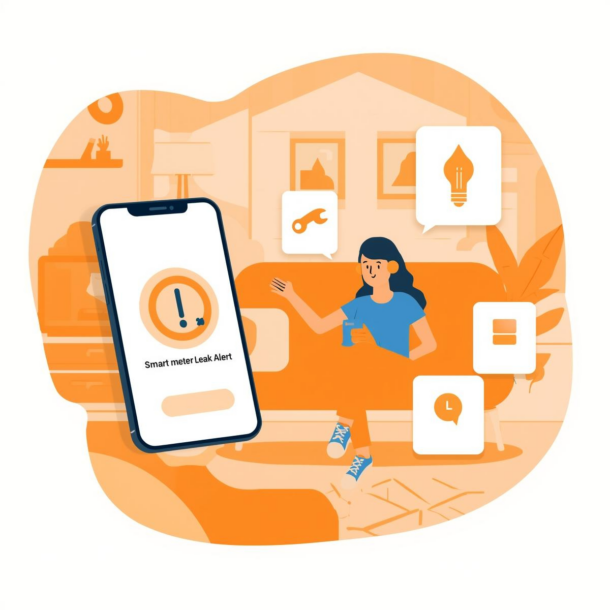 Real-time data is reshaping how water agencies communicate with residents. Smart meters allow water conservation districts and municipal utilities to monitor usage patterns hour by hour, which provides a clearer picture of community demand and individual consumption. These insights allow agencies to adjust messaging quickly, especially during periods of drought escalation or seasonal peak use.
Real-time communication also allows agencies to intervene earlier. Instead of relying on monthly billing cycles or seasonal updates, staff can detect spikes or anomalies as they occur. This enables more supportive, personalized communication. A household that experiences a sudden increase in usage may receive a message encouraging them to check for leaks or verify irrigation schedules. Residents respond well when communication feels proactive rather than punitive. They are more likely to adjust behavior when alerts arrive at the moment they matter most.
To use real-time communication effectively, water agencies must integrate data streams into accessible platforms. Dashboards, text alerts, mobile apps, and email notifications all help translate complex data into usable guidance. When residents can see their own water use clearly, they become more aware of the choices that influence conservation outcomes. This transparency strengthens trust and motivates behavioral change.
From Scarcity to Sustainability: Effective Communication Strategies for Water Conservation Agencies
This article is part of our series on strategic communication for Water conservation agencies. To learn more and to see the parent article, which links to other content just like this, click the button below.
AI as a Tool for Predictive and Adaptive Communication
Artificial intelligence offers water agencies the ability to analyze patterns that would be impossible to detect manually. AI can review historical usage data, weather forecasts, seasonal patterns, and demographic trends to anticipate when demand will rise or when specific communities may require targeted messaging. Water conservation districts can use AI-driven predictions to adjust operational plans, anticipate usage spikes, or prepare for drought-related restrictions.
One of the most promising benefits of AI is its ability to tailor communication. Instead of sending the same message to every resident, AI can segment audiences based on behavior, geography, or past engagement. This enables agencies to deliver highly relevant messages such as reminders for residents who irrigate most frequently during peak hours, or alerts for neighborhoods that historically experience outdoor leaks. Tailored messages often outperform universal announcements because they feel more personal and timely.
AI also improves internal communication workflows. Many agencies struggle to synthesize large amounts of data quickly enough to support responsive messaging. AI can help summarize trends, highlight anomalies, and recommend communication strategies that align with emerging patterns. This not only supports staff decision-making but also strengthens the organization’s ability to respond effectively during rapidly changing conditions.
Personalized Nudges That Encourage Sustainable Behavior
Personalized nudges help residents connect daily choices with broader conservation goals. Water conservation districts, water management agencies, and irrigation districts increasingly rely on behavior-centered messaging because it feels supportive rather than directive. When these nudges reflect local conditions, environmental needs, and individual habits, communities are far more likely to participate in conservation willingly and consistently.
Using Behavioral Science to Shape Conservation Nudges
Behavioral science shows that people are more likely to adjust their actions when messages appeal to identity, social norms, and achievable steps. Agencies can design effective nudges by highlighting shared progress or showing how a resident’s behavior compares to similar households. Water management organizations often rely on this approach because people naturally gravitate toward behaviors that align with community norms.
These approaches work because they tap into motivation rather than compliance. Messages that acknowledge community effort or explain why a specific action matters create a sense of participation. When people see that their small adjustments make a measurable difference, they feel more invested in long-term stewardship.
Adapting Nudges to Local Environmental Conditions
Nudges are most effective when they match what is happening in the environment. A reminder to adjust irrigation carries more weight when it references an upcoming heat spike or forecasted rainfall. Irrigation districts often see higher engagement when messages explain not only what action to take but why it matters at that moment.
Local context also helps residents understand that conservation needs shift throughout the year. Watershed organizations may send reminders when streamflow conditions are stressed or when snowpack levels fall earlier than expected. Water conservation districts can adjust messaging during seasonal demand peaks, helping residents plan responsibly. When nudges are grounded in real conditions, communities become more receptive and more adaptive.
Designing Nudges That Reinforce Progress Instead of Punishment
Positive reinforcement motivates behavior change more effectively than warnings. Messages that highlight improvement, celebrate reductions in use, or acknowledge community participation strengthen engagement and reduce defensiveness. Some agencies highlight neighborhood achievements to promote pride and collective stewardship.
- “Your household helped reduce demand by ten percent this week.”
- “Your area led the district in efficient irrigation yesterday.”
By reinforcing progress instead of focusing on what residents did wrong, agencies cultivate a supportive atmosphere that encourages sustained participation.
Leveraging Social Comparisons in a Fair and Respectful Way
Comparing usage to similar households can be a powerful motivator, but only when applied thoughtfully. Agencies must ensure comparisons feel fair, accurate, and respectful. Water conservation districts may group homes by lot size, landscaping type, or irrigation system. Watershed organizations may reference patterns among similar user groups to emphasize shared responsibility.
Tone matters. Phrasing such as “Most homes like yours use fifteen percent less water during summer months” suggests opportunity rather than criticism. This creates a cooperative mindset and avoids alienating residents who may already feel they are doing their part.
Ensuring Personalization Does Not Feel Intrusive
Personalized messages must remain respectful and appropriately general. Residents may become uncomfortable if nudges appear too granular or imply that every action is monitored. Agencies can avoid this by referencing broader patterns rather than specific individual behaviors.
Explaining how data is collected and how insights inform messaging also builds trust. Water management agencies that include plain-language assurances about privacy and purpose see higher acceptance of personalized guidance. When residents feel respected and informed, personalization becomes helpful rather than intrusive.
How Smart Meter Data Improves Public Understanding
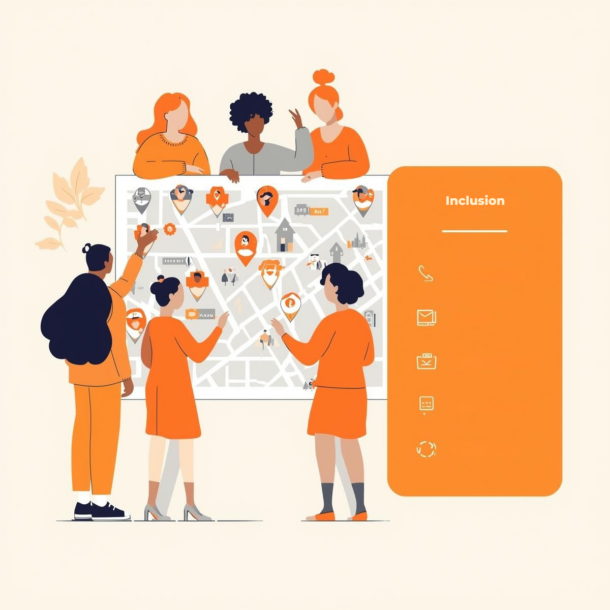 Smart meters offer one of the most powerful tools for helping communities understand their water use. Unlike traditional bills, which reflect consumption only after the fact, smart meter systems give water conservation districts and local utilities immediate insight into how water is used throughout the day. This level of detail helps residents make sense of their own habits, which improves both awareness and long-term conservation behavior. When people see the connection between routine activities and overall water demand, they begin to adjust in ways that feel achievable and meaningful.
Smart meter data also makes communication more concrete. Instead of relying on general messages such as “reduce outdoor watering,” agencies can show users how irrigation patterns spike during certain hours or demonstrate how small adjustments can significantly lower neighborhood demand. These specific insights turn abstract conservation messages into actionable guidance. Residents appreciate when agencies offer clarity about what matters most and why certain behaviors have outsized effects on the system. Communication becomes grounded in real-world patterns rather than broad appeals.
This clarity also strengthens trust. Many communities express skepticism when agencies introduce new restrictions or modify watering schedules. By sharing smart meter data, agencies demonstrate transparency in how decisions are made. Showing trends such as early morning peak use, evaporation loss during hot afternoons, or neighborhood-level inefficiencies helps residents understand the reasons behind policy changes. When communication reflects real data, it reduces perceived unfairness and encourages more cooperative behavior across diverse user groups.
AI-Enhanced Segmentation for More Effective Outreach
The strength of AI lies in its ability to sort through large datasets quickly and identify patterns in public behavior. This capability allows water conservation districts, irrigation districts, and water management agencies to segment audiences in more sophisticated ways than traditional communication methods. Some agencies may need information about households that irrigate heavily or rely on large landscaping areas. Others may focus on neighborhoods with older infrastructure that experience frequent leaks. AI-driven segmentation helps tailor messages to these distinct groups so each one receives communication that feels relevant and timely.
Segmentation also improves communication efficiency. When agencies send general drought alerts, some residents may pay attention while others tune out because the message does not apply directly to them. With AI, agencies can target communication based on specific behaviors or locations. A household with consistently high evening irrigation may receive a reminder about evaporation loss. A neighborhood showing an uptick in leak-related anomalies may receive tips for identifying underground issues. These personalized messages reduce noise and increase outreach effectiveness by meeting people where they are.
This approach also supports equity. Communities differ in their access to information, comfort with technology, and capacity to adjust behaviors. AI helps agencies identify populations that may not be reached through digital tools, users with historically low engagement, or neighborhoods that require multilingual communication. When segmentation is applied responsibly, communication becomes more inclusive and more responsive to community needs. This leads to stronger conservation outcomes and improved satisfaction with agency efforts.
Using AI to Simplify Complex Water Data for the Public
Water data can be overwhelming for residents, even when agencies share charts or dashboard snapshots. Reservoir storage levels, groundwater fluctuations, snowpack projections, and seasonal usage patterns all contain important meaning, yet they often require interpretation. AI can help simplify these technical datasets into clear, accessible messages the public can understand. Water management agencies increasingly rely on tools that convert complex metrics into plain-language summaries that highlight the most relevant insights.
AI-powered translation tools can distill technical datasets into narrative explanations such as “reservoir levels are declining faster than normal due to extended heat” or “neighborhood consumption increased during the last two weekends.” These explanations help residents understand what the data means rather than forcing them to interpret raw numbers. When the public understands trends clearly, they feel more informed and more confident in responding to conservation guidance.
Visualization tools enhanced by AI also support public comprehension. Automated charts that highlight anomalies, comparisons, or meaningful shifts make trends more obvious. These visual tools not only increase transparency but also strengthen the emotional connection between residents and conservation goals. When people can see how collective behavior influences storage levels or demand reduction, they are more motivated to take part in long-term conservation efforts.
Personalized Nudges That Reflect Local Conditions
While behavioral nudges are most effective when tailored to individuals, they become even more powerful when connected to local environmental conditions. Water conservation districts and watershed organizations can adjust nudges based on weather patterns, temperature spikes, or drought-related stressors. A message encouraging residents to delay irrigation because rainfall is forecasted, or a reminder to reduce watering cycles during a heatwave, aligns personal behavior with local environmental needs.
These locally adapted nudges help residents understand that conservation requirements shift throughout the year. A reminder linked to streamflow conditions, or a nudge referencing early snowmelt and declining runoff, provides context that makes behavior change feel necessary rather than arbitrary. Seasonal insights create natural teaching moments where residents understand not only what action to take but why it matters immediately.
Personalized nudges rooted in real-world conditions also humanize communication. When agencies demonstrate awareness of community realities, weather impacts, and operational pressures, the public interprets messaging as thoughtful and considerate. This strengthens community buy-in and increases long-term willingness to participate in conservation practices that support system resilience.
Ensuring Equity in AI-Driven Water Communication
As agencies adopt AI tools, equity must remain central to communication design. Not all residents have the same access to digital platforms, familiarity with apps, or comfort interpreting automated alerts. Water conservation districts must ensure that AI-enabled communication enhances inclusion rather than deepening disparities.
Equitable AI communication begins with transparency. Residents must understand what data is collected, how it is being used, and how privacy is protected. Clear explanations help prevent misunderstandings and ease concerns related to surveillance or automated decision-making. Agencies that openly describe how AI supports leak detection, improves conservation outcomes, or enhances customer service build trust more quickly.
Equity also requires offering multiple communication pathways. While AI-generated alerts may help many residents, others benefit from printed mailers, phone-based support, workshops, or in-person conversations. Water agencies that maintain a hybrid communication system ensure that no population is excluded as digital tools expand. When digital messaging is treated as an enhancement rather than the only method, agencies reach more people with greater clarity and respect.
Building Public Trust in AI and Smart Water Tools
Adopting new technology often raises questions, especially when it influences personal water-use communication. Water conservation districts and water management agencies must build trust intentionally, because residents do not automatically accept AI-driven alerts or smart meter analytics. Many communities become more receptive when communication is respectful, transparent, and directly connected to meaningful household or community benefits.
Trust grows when agencies explain the purpose behind new tools. Smart meter alerts can help residents detect leaks early, reduce unnecessary costs, or better understand their irrigation patterns. Personalized nudges can prevent unintentional overwatering or help neighborhoods meet conservation goals. AI-driven segmentation can reduce irrelevant messages by ensuring residents receive only the updates that matter to them. When agencies connect technology to everyday value, the public sees these tools as supportive rather than intrusive.
Consistency also strengthens trust. Agencies that use AI tools reliably, update communication channels frequently, and respond quickly to questions demonstrate competence. Over time, the technology becomes familiar and dependable. The more consistently residents experience accurate alerts, meaningful insights, and helpful reminders, the more willing they become to rely on these tools during periods of drought or operational strain.
Integrating AI Into Staff Workflows Without Overwhelming Teams
Technology should support staff rather than create new burdens. Water conservation districts, irrigation districts, and municipal utilities often operate with limited staff capacity, which makes thoughtful implementation essential. When integrated well, AI streamlines communication tasks, identifies trends more quickly than manual review, and frees staff to focus on interactions that require human reasoning and empathy.
The first step is identifying which tasks AI can meaningfully improve. AI tools can flag anomalies in usage data, summarize feedback from residents, or draft preliminary communication templates that staff can refine. These capabilities reduce repetitive work and allow communication teams to focus on strategic planning, community engagement, and message development. Agencies that match AI capabilities to specific workflow challenges see smoother adoption and more efficient operations.
Training is equally important. Staff must understand how AI tools work, what their outputs mean, and how to verify accuracy before using the information publicly. Water agencies benefit from piloting AI features within a single department or use case before scaling up. This approach helps staff build confidence, identify necessary adjustments, and develop internal champions who can support broader implementation. When staff feel empowered and prepared, AI strengthens communication rather than complicating it.
Digital Platforms That Support AI-Enabled Communication
AI gains much of its value when paired with strong digital communication platforms. Websites, mobile apps, customer portals, QR-code systems, and text-based alert tools allow agencies to distribute AI-generated insights quickly and effectively. Water conservation districts can use these platforms to share real-time usage data, irrigation guidance, or leak alerts. Watershed organizations can use them to communicate streamflow updates or drought stress indicators.
Digital platforms also support personalized communication. When residents log into a customer portal, they can receive insights tailored to their usage, irrigation habits, or conservation progress. When they scan a QR code on a bill insert or at a community event, they can receive location-specific updates tied to current environmental conditions. Linking data to practical, easy-to-access digital tools makes conservation messaging more usable and more relevant.
For digital platforms to succeed, they must be intuitive. Residents should not need technical expertise to interpret dashboards or read usage summaries. Simple visualizations, clear labels, and plain-language explanations help bridge the gap between complex analytics and everyday decision-making. When agencies pair accessible digital platforms with AI-driven insights, they elevate transparency and empower residents to participate more effectively in conservation efforts.
Personalized Messaging That Encourages Long-Term Water Stewardship
Personalized conservation messages are most effective when they help residents see themselves as part of a larger community effort. Water conservation districts may use AI insights to highlight neighborhood progress, identify seasonal trends, or reinforce individual contributions to meeting conservation goals. These approaches make communication feel human and relatable, which increases the likelihood of long-term behavior change.
Residents are more willing to adopt new habits when messaging reflects their lived experience. A tailored reminder about irrigation efficiency during a heatwave or an alert tied to an upcoming rain event feels relevant and timely. When agencies share real data showing reductions in neighborhood water use or improvements in reservoir levels following community action, residents gain a sense of collective momentum. This emotional connection is one of the strongest predictors of sustained stewardship.
Personalized messaging also enhances agency credibility. When guidance is accurate, timely, and reflective of real conditions rather than generic campaigns, communities interpret it as thoughtful and trustworthy. This trust strengthens cooperation during drought emergencies, supports compliance with restrictions, and deepens public commitment to responsible water use.
Balancing Automation With Human-Centered Communication
Even as AI tools expand, human communication remains essential. Residents still depend on the expertise and empathy of staff, particularly during confusing or stressful moments. Water conservation districts and water management agencies must find the right balance that allows automation to enhance communication while ensuring that people remain at the center of decision-making and public interactions.
Automated tools excel at rapid detection and immediate response. They can identify leaks, flag unusual usage patterns, or signal environmental stress before the public is aware of it. Yet when residents have questions, concerns, or emotional reactions to new policies or alerts, they benefit from speaking with a knowledgeable staff member who can provide context and reassurance. Agencies that intentionally combine automated alerts with supportive human follow-up create a communication system that feels both efficient and compassionate.
Maintaining this balance requires clear decisions about which messages should always come from a human voice and which are appropriate for automation. Policy explanations, nuanced restrictions, controversial changes, or community feedback responses typically require a human communicator. Meanwhile, routine reminders, leak alerts, and general conservation tips can be automated. This hybrid approach preserves efficiency without sacrificing connection, helping residents trust both the tools and the people behind them.
Performance Dashboards That Communicate Progress Clearly
Dashboards have become a central element of modern water communication systems. They allow water conservation districts, irrigation districts, and watershed organizations to share trends in reservoir levels, household consumption, and conservation progress. When designed well, dashboards transform complex system-wide data into accessible visuals that residents can understand at a glance.
Dashboards work best when they emphasize clarity rather than technical density. Many residents are unfamiliar with terms such as acre-feet, evapotranspiration, or groundwater recharge. Agencies that translate these measures into plain-language explanations make the information more useful. Charts showing reservoir decline, neighborhood-level consumption shifts, or target progress create meaningful context that helps people interpret conservation messaging.
Transparent dashboards also strengthen trust. When the public can see the same information that agencies use to make decisions, communication becomes more collaborative. Residents gain insight into why restrictions tighten, why watering schedules change, or why drought response measures escalate. This transparency empowers residents to make informed choices and reinforces confidence in agency decision-making.
Creating Feedback Loops That Improve AI Communication Over Time
AI-driven communication becomes stronger when water conservation districts intentionally gather feedback from the communities they serve. Data alone cannot show how messages are interpreted, whether tone feels respectful, or what barriers prevent specific groups from engaging. Agencies must design feedback loops that provide insight from staff, residents, and key user groups.
Feedback can come from short QR-code surveys, digital polls, customer service interactions, community meetings, or frontline staff observations. Each channel reveals different dimensions of public response. Some residents may find nudges motivating. Others may feel overwhelmed by frequent alerts. Some neighborhoods may understand dashboards clearly, while others may need simpler explanations. Feedback helps agencies refine both message content and delivery methods.
Strong feedback loops operate continuously rather than occasionally. When agencies review input regularly, they can adjust message timing, tone, or segmentation models. This iterative improvement not only increases communication effectiveness but also signals to residents that the district is listening. Over time, this strengthens public partnership and encourages broader participation in conservation efforts.
Strategic Communication Support for Your Water Conservation District
 Effective communication in water management requires more than adopting new tools. It depends on systems that align technology, message clarity, and organizational processes so residents receive guidance they trust and understand. Water conservation districts and water management agencies often choose to partner with an external resource such as Stegmeier Consulting Group (SCG) to strengthen these systems and support strategic modernization.
SCG helps organizations build communication frameworks that integrate AI tools, data-driven insights, and human-centered messaging into a cohesive structure. This includes evaluating which technologies align with district goals, designing message pathways that support transparency, and developing internal processes that keep communication consistent across staff, departments, and digital channels. SCG also assists teams in adjusting workflows so new tools enhance efficiency rather than add complexity.
This approach centers on clarity, alignment, and community trust. By pairing modern communication tools with proven organizational strategies, water conservation districts can strengthen public understanding, improve responsiveness, and support long term behavioral change. Districts that communicate with both precision and empathy position themselves to navigate drought cycles, infrastructure strain, and evolving public expectations with greater confidence.
Conclusion
The future of water communication blends technological innovation with human connection. AI, smart meters, and personalized nudges offer powerful tools for improving clarity, detecting issues early, and guiding residents toward more sustainable water use. Yet these tools succeed only when integrated into communication systems that remain transparent, accessible, and aligned with community needs.
Water conservation districts and water management agencies must continue developing systems that help residents understand not just what actions are needed but why those actions matter. As climate pressures intensify and water supplies face increasing strain, communication becomes a cornerstone of resilience. Agencies that embrace both innovation and empathy will be best positioned to build public trust, strengthen conservation outcomes, and steward their water resources responsibly.
SCG’s Strategic Approach to Communication Systems
Align your agency’s messaging, processes, and public engagement strategies
Agencies that communicate effectively build stronger trust with staff, stakeholders, and the public. Whether you are implementing AI-enabled communication tools, improving internal workflows, or aligning district-wide messaging, SCG can help you develop a communication system that supports consistent decision-making and long-term organizational success. Use the form below to connect with our team and explore how a strategic communication framework can elevate your district’s impact.