
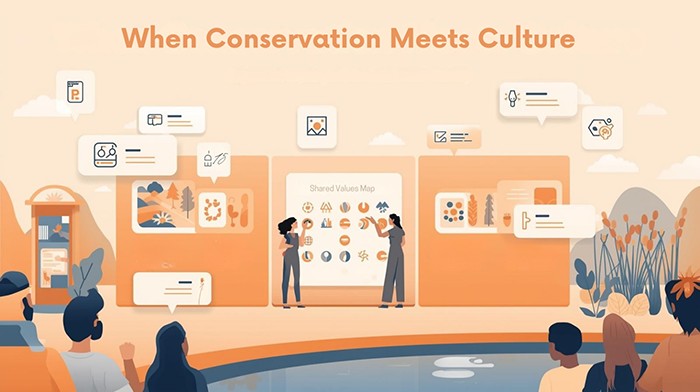
When Conservation Meets Culture: Framing Water Use With Local Values
Water conservation messages do not exist in a vacuum. They are interpreted through local histories, community identities, and cultural values that shape how people understand natural resources. Water conservation districts, water management agencies, irrigation districts, and watershed organizations all depend on public cooperation to protect limited supplies. Yet the public brings different cultural expectations to their interaction with water systems, which means that conservation guidance must be framed in ways that resonate with these cultural perspectives. When agencies align conservation messages with local values, communities become more willing partners in the stewardship process.
Communities form their beliefs about water through lived experience. Agricultural regions may see water as a shared lifeline and part of community identity. Coastal or river-dependent regions may view water as a source of livelihood, food, and generational learning. Places shaped by drought often treat water conservation as cultural wisdom passed down over time. These identities influence how residents interpret rules and best practices. Agencies that acknowledge these differences create communication that reflects the realities of the community rather than relying on generic messaging. This alignment strengthens understanding and reduces resistance when behavioral changes become necessary.
Water scarcity creates pressure on both agencies and the public. Residents want to understand why certain restrictions exist and how their actions support a sustainable system. Agencies aim to communicate guidance that is technically accurate while remaining culturally sensitive. When conservation and culture intersect, communication becomes more than instructions. It becomes a conversation about identity, responsibility, and shared values. This perspective supports longer lasting behavioral change and strengthens trust between communities and the organizations that serve them.
Why Culture Matters in Water Conservation Communication
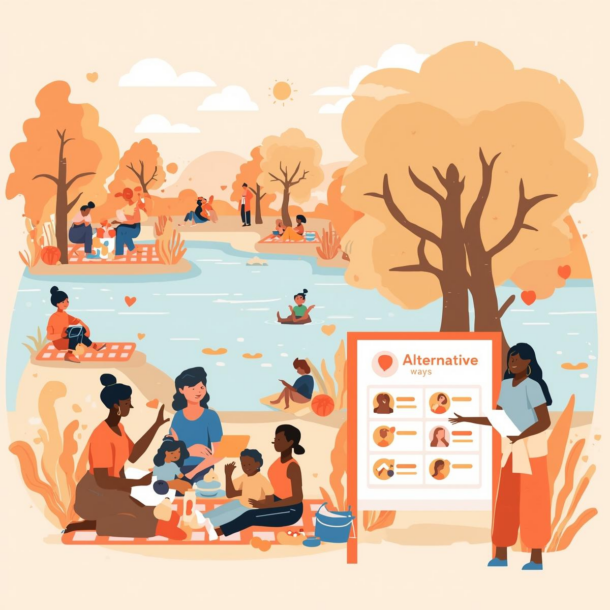 Culture shapes how people see their relationship to land and water. In many regions, recreation and family gatherings are closely connected to water based traditions such as fishing, swimming, food preparation, agricultural practices, or seasonal celebrations. Water management agencies that acknowledge these cultural connections create messaging that feels relevant rather than imposed. Watershed organizations also strengthen community engagement when they communicate how water supports ecosystems and species that carry cultural or historical meaning for local residents.
Cultural framing influences emotional responses. Some communities respond positively to conservation messages that align with their values related to stewardship, heritage, or shared responsibility. Others may react defensively if a message contradicts long held cultural norms. Water conservation districts frequently encounter residents who associate water access with freedom, livelihood, or personal identity. When conservation guidance respects these cultural associations, it becomes easier for communities to understand why certain behaviors are necessary. Culture adds meaning to conservation, which helps messages feel less restrictive and more like shared commitments.
Ignoring culture can weaken communication. Agencies that rely solely on regulatory language or technical explanations may inadvertently create distance between themselves and the public. People may view the agency as disconnected from daily life or as enforcing rules without understanding community realities. When agencies integrate cultural perspectives into their messaging, they create communication that feels grounded in the place, which reinforces trust and encourages cooperation.
From Scarcity to Sustainability: Effective Communication Strategies for Water Conservation Agencies
This article is part of our series on strategic communication for Water conservation agencies. To learn more and to see the parent article, which links to other content just like this, click the button below.
Understanding Local Perspectives on Water Use
Local perspectives on water use are shaped by climate, geography, economic livelihood, and community identity. Water conservation districts in drought prone regions often engage residents who already practice conservation habits due to long experience with scarcity. These communities may expect detailed explanations of why restrictions change across seasons. In contrast, regions with historically abundant rainfall may interpret restrictions as unfamiliar or unnecessary unless agencies explain broader watershed pressures. Watershed organizations serving communities that rely on fishing or riparian ecosystems may find that ecological explanations resonate more deeply.
Views about personal and collective responsibility also differ. Some communities emphasize household conservation behaviors. Others focus on cooperative responsibility, where water is viewed as a shared community asset. Irrigation districts must often balance these perspectives by offering messages that connect personal actions to broader community outcomes. When residents understand how shared water use affects their neighbors, their sense of responsibility shifts. Agencies that articulate these connections clearly help residents adopt behaviors that align with environmental needs and community norms.
Local histories shape perceptions as well. Communities that have experienced water shortages, contamination events, or infrastructure failures often carry strong memories of vulnerability. These memories become reference points for interpreting future conservation messages. Water management agencies can strengthen communication by acknowledging these histories and using them to frame present day guidance. When conservation feels like a continuation of community resilience, it is more likely to take hold.
Respecting Cultural Traditions While Encouraging Conservation
Many communities rely on water for cultural practices, family gatherings, food traditions, agricultural rituals, or seasonal celebrations. Water conservation districts strengthen communication when they recognize these traditions and explain conservation in ways that preserve cultural dignity. Watershed organizations serving regions with fishing or harvesting traditions often work with communities whose practices carry deep cultural or spiritual meaning. Irrigation districts may serve agricultural communities where water reflects not only livelihood but identity.
Balancing cultural tradition with conservation requires empathy. When agencies communicate guidance without acknowledging cultural practices, residents may feel dismissed or marginalized. Water management agencies can bridge this gap by framing conservation as a tool that protects the landscapes, waterways, and traditions that communities value. Messages that highlight how conservation sustains long term access to culturally significant water sites help residents see themselves as participants in stewardship.
Cultural respect also strengthens voluntary cooperation. When people believe that their identities and practices are valued, they are more willing to adjust behaviors. Agencies that engage cultural leaders, elders, or local organizations in the communication process build trust that supports conservation during both routine operations and periods of water scarcity.
Identifying Water Practices With Cultural Significance
Understanding which water related traditions matter most to a community allows agencies to design conservation messages that feel cooperative instead of disruptive. Water conservation districts can begin this work by meeting with cultural leaders and listening to how families or community groups use water during gatherings, ceremonies, agricultural practices, or seasonal activities. Watershed organizations may identify traditional fishing, harvesting, or riparian-related practices that depend on healthy water systems. Irrigation districts can observe patterns of water use tied to agricultural cycles, food production, or community events. These early insights help agencies avoid messaging that unintentionally conflicts with culturally important customs.
Once agencies understand these practices, they can explain conservation guidance in ways that preserve cultural meaning. Instead of focusing solely on behavioral limits, agencies can show how conservation helps safeguard cultural resources and traditions for future generations. This framing aligns conservation with cultural continuity, which encourages communities to adapt voluntarily. When people see that conservation protects rather than diminishes cultural expression, they interpret guidance as supportive rather than restrictive.
Identifying culturally significant water uses also helps agencies anticipate sensitive areas where conservation messages must be particularly thoughtful. By showing respect for these practices, agencies create deeper partnerships built on trust and shared stewardship.
Working With Cultural Leaders to Co-Create Messages
Cultural leaders play a vital role in shaping communication that resonates across communities. When water conservation districts collaborate with elders, community organizers, faith leaders, or cultural educators, they gain insight into tone, phrasing, and narrative framing that will connect most effectively with local values. Watershed organizations may invite cultural advisors to review signage drafts or help refine outreach campaigns. Irrigation districts often collaborate with agricultural associations or long standing community groups that hold generational knowledge about water use. These collaborations help messages feel authentic rather than externally imposed.
Co-created messages carry added legitimacy because they reflect the community’s voice. When cultural leaders participate in message development, residents view communication as grounded in lived experience. This shared authorship reduces tension during periods of scarcity because guidance does not feel like a directive from outside the community but a jointly shaped stewardship practice. Collaborative message creation demonstrates respect, encourages dialogue, and strengthens long term relationships.
These partnerships also help agencies navigate cultural nuances that could otherwise become communication barriers. Cultural leaders understand how certain phrases, symbols, or examples will be interpreted and help agencies tailor messaging to avoid misunderstandings. By working together, agencies and communities create guidance that feels meaningful, relevant, and supportive.
Offering Conservation Alternatives That Honor Tradition
Some cultural practices rely on water use patterns that may need to shift during drought or heightened scarcity. Agencies can help communities adapt by offering alternatives that maintain cultural meaning while reducing water impact. Water conservation districts might collaborate with community groups to identify gathering spaces that require less water intensive maintenance. Watershed organizations may suggest alternative locations or seasonal timing for water related activities that protect sensitive ecosystems during periods of stress. Irrigation districts can help agricultural communities modify practices temporarily while preserving the traditions tied to planting, harvesting, or community celebrations.
Providing alternatives shows that the agency’s goal is not to eliminate tradition but to help communities continue it in sustainable ways. When these options are presented respectfully and with cultural understanding, residents interpret conservation as supportive rather than restrictive. This collaborative problem solving approach reinforces stewardship and demonstrates that cultural heritage and water conservation can coexist.
Clear explanations also help communities understand how these adjustments protect the waterways, riparian zones, or reservoirs that hold cultural or historical significance. When cultural meaning is preserved, communities become more open to temporary changes required during water shortages.
Communicating How Conservation Protects Cultural Heritage
Many communities view water as part of their heritage. Water conservation districts can strengthen public communication by explaining how water scarcity threatens not only ecological systems but also cultural continuity. For example, guidance may emphasize how reliable streamflow protects community gathering places, fishing traditions, or seasonal events tied to water. Watershed organizations can highlight how culturally meaningful species depend on stable water systems. Irrigation districts may show how sustainable water use supports agricultural heritage and the community identity built around it.
When residents understand that conservation safeguards their own cultural practices, the emotional connection to the guidance deepens. Conservation becomes not simply a requirement but a way of honoring community identity. This perspective encourages long lasting commitment to water saving behaviors.
Agencies that frame conservation through cultural protection help residents see how their actions contribute to preserving something larger than immediate operational needs. This alignment between cultural meaning and conservation creates more authentic, cooperative engagement during both normal operations and periods of scarcity.
Framing Conservation Through Shared Community Values
Shared values create powerful anchors for conservation messaging. Many communities prioritize themes such as family wellbeing, land stewardship, responsibility to future generations, and pride in place. Water conservation districts can frame their messages around these values to create communication that resonates naturally across cultural groups. Watershed organizations often highlight ecological protection as a value shared by diverse residents. Irrigation districts may emphasize the role of water in supporting local agriculture and community livelihoods.
Framing messages through shared values shifts communication from directive to collaborative. Instead of telling residents what they must do, agencies can explain why specific behaviors protect something the community deeply cares about. This reduces defensiveness and increases emotional buy in. People are more receptive to guidance that affirms their identity and values.
Shared values also unify messaging across platforms. Whether residents receive updates through signage, digital notifications, community meetings, or conversations with staff, value centered communication creates a recognizable message identity. This consistency strengthens trust during drought or heightened water restrictions. When people feel the agency speaks from a shared values framework, they engage more openly and more confidently.
Aligning Conservation Messages With Community Identity
 Conservation messages resonate more deeply when they reflect the identity of the community served. Water conservation districts often work in regions where water plays a central role in local history, agriculture, or shared cultural traditions. When agencies acknowledge these connections, communities feel that guidance is grounded in lived experience rather than imposed from outside. Watershed organizations may highlight how protecting water sources preserves landscapes that define local identity. Irrigation districts can show how sustainable water management supports long standing agricultural traditions that shape community pride.
Identity informed messaging also reduces resistance to behavioral change. People are more willing to adapt when they believe guidance supports something familiar rather than challenging their way of life. Messages that honor community history, acknowledge cultural uses of water, or celebrate shared water related customs create positive emotional associations. This helps minimize frustration during periods of drought or policy adjustments.
Community identity evolves over time, which means messaging must also evolve. As populations shift, new cultural groups emerge, or regional stories change, agencies must remain attentive to these developments. Adapting communication to reflect current realities shows respect and ensures ongoing relevance. When agencies reflect and reinforce community identity in their messaging, they strengthen the sense of belonging necessary for long term stewardship.
Listening to Cultural Leaders and Community Voices
Effective conservation communication is shaped by the people who understand local values best. Cultural leaders, community elders, neighborhood advocates, and established organizations provide insight into which messages will resonate and which may unintentionally alienate. Water conservation districts benefit from early and ongoing engagement with these leaders to ensure communication aligns with community perspectives. Watershed organizations may consult with long standing stewardship groups, environmental coalitions, or cultural associations. Irrigation districts often seek input from growers, farmworker groups, or residents who hold deep generational knowledge about land and water.
Listening builds trust. Communities are more willing to accept guidance when they feel heard and respected. Engagement also helps agencies avoid missteps such as conflicting with cultural traditions or using language that carries unintended meaning. Incorporating community voices into message development demonstrates authenticity and strengthens credibility.
This collaborative approach creates communication that feels tailored rather than generic. It also ensures that messaging reflects the community’s lived experience, not just technical or regulatory perspectives. Over time, partnerships with cultural leaders create smoother communication during drought cycles, emergency restrictions, or shifts in policy. The more deeply agencies listen, the more effective their conservation outreach becomes.
Understanding Local Narratives About Water Scarcity
Communities develop stories about water scarcity based on their history, landscape, and lived experience. These narratives shape how residents interpret conservation guidance. Some regions have endured decades of recurring drought, which may make residents more receptive to calls for conservation. Other communities may rarely encounter scarcity, which means conservation messages must emphasize planning, prevention, and long term resilience. Water conservation districts strengthen communication by learning how these narratives influence community reactions. Watershed organizations may find ecological narratives more effective in areas where water dependent species are central to local culture. Irrigation districts may find that narratives rooted in agricultural resilience resonate more strongly in farming communities.
Local narratives explain differences in responses to agency messaging. A community with vivid memories of past shortages may react quickly and calmly to restrictions. Another community may require additional context to understand the urgency. Agencies that recognize these narrative histories position themselves to communicate with greater empathy and clarity.
Narratives also influence trust. When agencies show that they understand the community’s relationship with water, residents interpret guidance more positively. When communication contradicts local narratives without explanation, confusion and resistance grow. Agencies increase credibility by acknowledging these stories and integrating them into conservation messaging that feels grounded in place.
Using Cultural Symbols and Imagery to Support Understanding
Symbols and imagery help bridge cultural differences and make conservation more accessible. Water conservation districts can incorporate culturally meaningful visual cues into signage, digital communication, printed materials, and community outreach campaigns. These cues help residents understand key messages even before reading accompanying text. Watershed organizations may highlight landscapes, rivers, or species that hold cultural or historical importance. Irrigation districts may use imagery that reflects local agricultural heritage, longstanding farming practices, or familiar icons associated with rural community life.
Imagery communicates values in ways that text alone cannot. Photos of local families participating in water saving efforts or graphics that depict culturally significant water practices can evoke emotional connection and reinforce shared responsibility. When symbols reflect the community’s identity, residents interpret conservation guidance as relevant and respectful rather than generic.
Using cultural imagery requires sensitivity. Agencies must work with cultural leaders to ensure that symbols are used accurately and respectfully. When done well, visual communication helps strengthen understanding, build cultural resonance, and support long term stewardship by creating a personal connection to conservation messages.
Tailoring Messages for Multigenerational Communities
Communities span multiple generations who receive and interpret water information differently. Older residents may rely on traditional practices, community memory, or analog communication methods. Younger generations may be more responsive to digital messages, interactive tools, or visual storytelling. Water conservation districts can design communication that acknowledges these different perspectives to ensure no audience group feels overlooked. Watershed organizations may center ecological lessons for school aged children, while irrigation districts highlight practical guidance for families managing both household and agricultural water use.
A multigenerational approach supports equity. When messages appeal to only one age group, others may disengage from conservation efforts. Agencies can create continuity across generations by grounding communication in shared values such as protecting community resources, ensuring future access, and supporting family wellbeing. These themes bridge age differences and unite residents around common goals.
Multigenerational communication also strengthens long term conservation habits. Children often influence household behavior, and older adults sometimes adjust practices when younger family members model stewardship. Messages that encourage families to adopt conservation habits together help reinforce community norms that persist across seasons and drought cycles.
Connecting Water Messaging to Place Based Knowledge
Local landscapes shape how people understand water and conservation. Communities supported by snowmelt, river systems, reservoirs, or aquifers interpret guidance differently based on their relationship to specific water sources. Water conservation districts can strengthen messaging by tying guidance directly to the local hydrologic system. Watershed organizations may describe how water flows through creeks, wetlands, or groundwater basins. Irrigation districts can explain how seasonal shifts influence availability for growers, livestock, or community operations.
Place based framing reduces confusion by grounding conservation messages in familiar landmarks or visible environmental features. Instead of broad statements about scarcity, agencies can explain how local rivers are running lower than average or how reservoir levels affect both urban and agricultural users. These specifics help residents see the real world connections between their actions and the health of the watershed.
Place based knowledge also includes traditional ecological understanding carried across generations. Many communities have longstanding practices based on weather patterns, soil conditions, or seasonal cycles. Acknowledging and integrating this local intelligence creates a collaborative relationship with residents. When agencies honor these traditions rather than dismiss them, communication becomes more relational and more effective.
Engaging Youth Through Culturally Relevant Education
Youth engagement is essential for long term water stewardship. Children and teenagers shape household behavior, influence peers, and carry conservation values into adulthood. Water conservation districts can create culturally relevant educational programs that reflect local traditions, stories, and community identity. Watershed organizations may offer field based learning connected to local streams or wetlands. Irrigation districts may develop programs illustrating how water supports local agriculture and why efficient irrigation protects community livelihoods.
Culturally meaningful education fosters pride and relevance. When young people see their own community values reflected in lessons, conservation becomes personal rather than abstract. Educational activities that integrate local history, cultural heroes, or traditional uses of water help youth understand why conservation matters now and in the future.
Youth oriented communication also strengthens family participation. When children bring home new knowledge or conservation habits, households often shift behaviors collectively. Over time, these small shifts become community norms that support long term conservation outcomes. Investing in youth education is therefore an investment in generational resilience and sustainable water management.
Collaborating With Cultural Institutions and Local Organizations
Partnerships with cultural institutions deepen the reach and credibility of conservation messaging. Museums, community centers, cultural councils, libraries, and faith based organizations often hold trusted relationships with residents. Water conservation districts can collaborate with these institutions to co host workshops, distribute culturally relevant materials, or support events that celebrate local identity. Watershed organizations may partner with environmental groups that serve culturally or linguistically diverse communities. Irrigation districts may work with agricultural cooperatives or heritage groups that understand how water supports both livelihood and tradition.
These partnerships broaden communication pathways. Cultural institutions understand how communities prefer to receive information and can help agencies refine their tone and delivery. Messages shared through trusted cultural channels carry added legitimacy and often achieve stronger engagement.
Collaborations also support continuity. Agencies can work with cultural partners to establish recurring conservation events, storytelling initiatives, or community led programs that blend water education with cultural celebration. This repeated interaction builds conservation culture over time, strengthening trust and reinforcing long term stewardship.
Recognizing Water as a Cultural Resource
For many communities, water represents far more than a utility or natural resource. It may symbolize heritage, renewal, resilience, identity, or spiritual connection. Water conservation districts that acknowledge water as a cultural resource create communication that resonates more deeply with residents. Watershed organizations often highlight how rivers, wetlands, or springs hold symbolic meaning. Irrigation districts can emphasize how water sustains multigenerational agricultural traditions and shared community livelihoods.
Cultural significance varies widely across regions. In some communities, water is tied to ancestral stories or ceremonies. In others, family gatherings, seasonal celebrations, or local crops rely on specific water conditions. Messages that reflect this cultural meaning feel relevant instead of abstract. They convey respect and give residents a reason to engage emotionally with conservation guidance.
Recognizing water as cultural enhances conservation from a technical task to a shared community responsibility. When people feel that protecting water also protects their identity and traditions, they become more willing to modify behaviors and support long term stewardship.
Addressing Misinformation Through Culturally Aware Communication
Periods of water scarcity often lead to rumors, fragmented information, or oversimplified narratives. Water conservation districts can counter misinformation by grounding communication in cultural context and community norms. Watershed organizations may correct ecological misunderstandings by tying explanations to familiar landscapes or species. Irrigation districts can use culturally resonant examples to clarify how water allocations, drought stages, or system constraints actually work.
Culturally aware communication reduces defensiveness. When agencies correct misinformation with empathy and respect rather than technical language alone, residents interpret the message as supportive. This approach also encourages dialogue. People become more willing to ask questions or share concerns, which gives agencies insight into emerging misunderstandings before they escalate.
Proactive communication prevents misinformation from taking root. Agencies that clearly explain the “why” behind conservation early in the drought cycle reduce the likelihood that communities will rely on incomplete or inaccurate sources. This strengthens trust and helps keep conservation efforts focused and coordinated.
Honoring Indigenous Knowledge in Water Messaging
Indigenous communities hold deep, long standing knowledge of water systems, hydrology, and sustainable practices. Collaborating with Indigenous nations helps water conservation districts design messaging that reflects place based ecological understanding and cultural perspectives. Watershed organizations may partner with tribal councils to learn how water scarcity affects culturally important species or habitats. Irrigation districts may gain insight into land stewardship practices that support sustainable water use.
Honoring Indigenous knowledge requires meaningful engagement rather than symbolic acknowledgment. Agencies can invite Indigenous leaders, educators, or cultural advisors into message development processes, community meetings, or educational programs. These collaborations ensure that communication reflects authentic narratives and avoids misrepresenting cultural practices.
Integrating Indigenous perspectives also strengthens equity. By amplifying voices historically underrepresented in environmental decision making, agencies model inclusion and deepen community trust. This broader perspective enriches conservation narrative and reinforces the long term relationship between people, water, and place.
Designing Place Based Campaigns That Reflect Local Culture
Effective conservation campaigns align with the cultural identity of the community they serve. Water conservation districts may design campaigns featuring local landmarks, community traditions, regional crops, or familiar waterways. Watershed organizations can highlight local species or ecological features that residents immediately recognize. Irrigation districts may incorporate imagery or messaging that reflects agricultural heritage, multigenerational farms, or local irrigation history.
Place based campaigns help messages feel grounded rather than generic. When residents see their own landscapes, stories, or cultural references reflected in conservation materials, they develop stronger emotional connections. This connection increases message retention and willingness to participate in conservation efforts.
Campaigns that mirror community identity also encourage pride. Residents feel recognized and understood, which strengthens cooperation during periods of scarcity. Place based messaging helps position conservation as a continuation of community values rather than a departure from them.
Framing Water Conservation Through Shared Stories
Stories help people connect emotionally to complex topics like drought, scarcity, or system constraints. Water conservation districts can share stories about local families adapting to new conservation techniques or community groups protecting water sources. Watershed organizations may highlight stories of restored streams or revitalized wetlands. Irrigation districts can share stories of growers using innovative water efficient methods to preserve long term viability.
Shared stories emphasize resilience instead of restriction. They help counter feelings of helplessness by showing that everyday actions make a meaningful difference. Stories also strengthen collective identity by demonstrating how neighbors and community leaders contribute to stewardship.
Narrative framing also aids comprehension. Concepts such as groundwater decline, recharge cycles, or reservoir thresholds become easier to understand when presented through real examples and personal experiences. When residents see themselves reflected in these stories, conservation feels like a shared journey rather than a set of instructions.
Encouraging Stewardship Across Cultural Communities
Stewardship takes different forms across cultures. Some communities emphasize collective responsibility, while others focus on individual actions, spiritual obligations, or multigenerational traditions. Water conservation districts can strengthen messaging by acknowledging these differences and aligning guidance with existing cultural practices. Watershed organizations may highlight traditional ecological knowledge that already supports water health. Irrigation districts can emphasize how efficient water use protects agricultural heritage and secures future harvests.
Engagement increases when communities feel seen and valued. When agencies affirm cultural strengths and accomplishments in stewardship, residents often respond with greater pride and willingness to participate. This recognition fosters relationship building and encourages voluntary cooperation across cultural groups.
Stewardship messaging also benefits from continuity. When agencies consistently communicate how cultural practices support water health, these connections become part of the community narrative. Over time, this narrative reinforces water saving behaviors as shared norms rather than temporary responses to crises.
Building Long Term Relationships Through Cultural Understanding
Sustained conservation requires relationships built on trust, cultural awareness, and ongoing participation. Water conservation districts nurture these relationships by engaging communities consistently rather than only during drought emergencies. Watershed organizations that maintain open dialogue with cultural leaders throughout the year demonstrate reliability. Irrigation districts that incorporate cultural considerations into planning, signage, and program design create an environment where residents feel understood and respected.
Cultural understanding also helps agencies anticipate challenges before they arise. As demographics shift and community values evolve, agencies that stay connected to cultural leaders and residents can adapt their communication strategies proactively. This foresight prevents friction and helps maintain cooperation during periods of scarcity.
Long term relationships build community resilience. When residents trust their water agency, they respond more quickly to guidance, participate in conservation programs, and support long term planning efforts. These relationships become a foundation for sustainable water management shaped by mutual respect and shared cultural understanding.
Strategic Communication Support for Your Water Conservation District
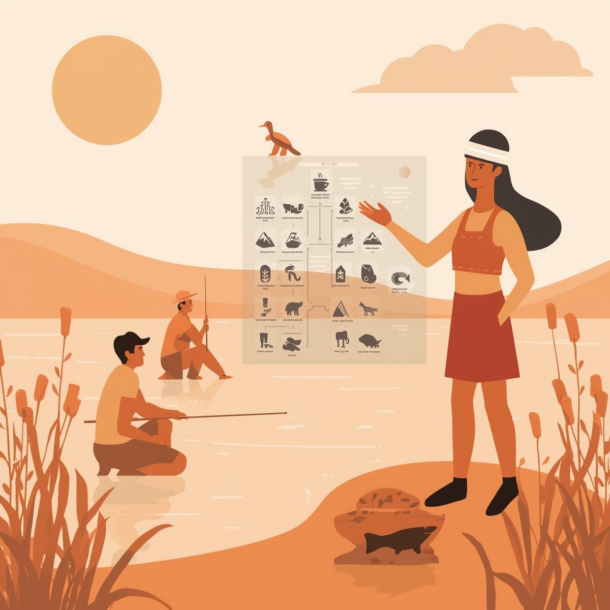 Culturally aligned water communication requires systems thinking, active listening, and a deep understanding of the communities served. Many water conservation districts choose to partner with an external resource like Stegmeier Consulting Group (SCG) when navigating complex cultural dynamics, especially when water scarcity intersects with longstanding traditions and local identity. SCG helps districts build communication systems that honor cultural background while clearly conveying technical guidance.
SCG supports districts by aligning internal communication among engineering teams, conservation staff, outreach specialists, and leadership. This includes creating message maps, briefing frameworks, culturally aware communication guides, and workflow structures that help staff communicate confidently and consistently. SCG also facilitates community listening sessions, reviews signage and digital materials for cultural resonance, and helps districts craft outreach strategies that reflect local values.
These structured communication systems reduce confusion, support voluntary conservation, and strengthen trust during both ordinary conditions and periods of scarcity. SCG’s approach ensures that technical accuracy, cultural relevance, and organizational alignment work together to support long term water stewardship.
Conclusion
Culture shapes how communities interpret every aspect of water conservation. When water conservation districts understand and respect local values, traditions, and communication norms, they create messages that resonate naturally with the people they serve. Culturally grounded communication supports cooperation, reduces friction, and strengthens relationships essential for long term stewardship.
When residents see conservation as aligned with their identity rather than imposed upon it, they become more willing to adopt sustainable behaviors and support district initiatives. Cultural awareness also builds resilience because communities that feel respected are more likely to engage constructively during droughts or environmental stress.
By integrating cultural understanding into every layer of communication, water conservation districts foster trust, strengthen participation, and build a long lasting foundation for protecting water resources across generations.
SCG’s Strategic Approach to Communication Systems
Align your district’s messaging, internal processes, and public engagement strategies
Water conservation districts that communicate clearly and consistently build stronger trust with staff, stakeholders, and the communities they serve. Whether your district is improving drought-stage messaging, refining internal communication workflows, implementing QR code systems, or strengthening alignment across technical and outreach teams, SCG can help you design a communication system that supports accurate information flow and long-term organizational effectiveness. Use the form below to connect with our team and explore how a strategic communication framework can elevate your district’s impact.