
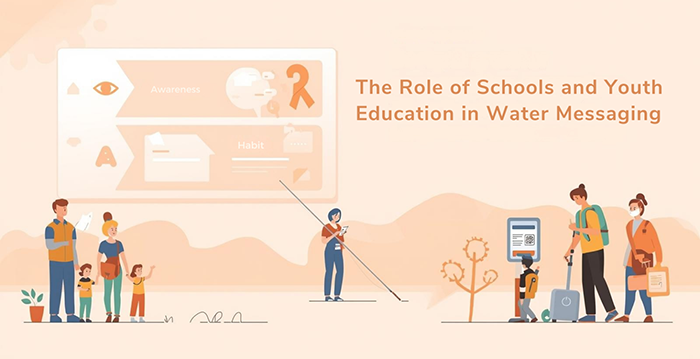
The Role of Schools and Youth Education in Water Messaging
Water conservation messages resonate most deeply when they reach people early in life, long before habits form and before drought behaviors become reactive. Schools, youth programs, and child focused community spaces give water conservation districts, water management agencies, irrigation districts, and watershed organizations a powerful platform for shaping how the next generation understands water. Children learn quickly, remember consistently, and influence household decisions more than many adults realize. When water messaging is integrated into classrooms, field trips, youth clubs, and community partnerships, young people become both learners and amplifiers of conservation behaviors.
Youth education plays a unique role because students engage with water topics from a place of curiosity rather than obligation. Teachers introduce concepts through storytelling, hands on science, and local examples tied to rivers, aquifers, reservoirs, and neighborhood watering practices. Districts and partner water agencies reinforce these lessons through classroom toolkits, interactive demonstrations, and youth friendly conservation activities that make water systems feel real and understandable. Families often hear these messages again when children bring home projects, share a new “water saver” challenge, or explain why certain watering schedules exist. This creates a multi directional communication loop that strengthens understanding across generations. Instead of relying on direct adult messaging alone, agencies benefit from a household where children help translate water conservation into daily practice.
This approach builds long term cultural change. When children grow up learning why drought occurs, how watersheds and local supplies respond to scarcity, and what everyday actions reduce waste, they internalize these lessons as part of their identity. They carry those values into adulthood and eventually pass them forward through workplaces, neighborhoods, and their own families. Water conservation districts that invest in youth centered communication are shaping present day outcomes while also preparing communities for future water challenges that may be longer and more complex than past cycles. Youth education becomes a foundational pillar of sustainable water communication.
Why Youth Education Matters for Water Conservation Behavior
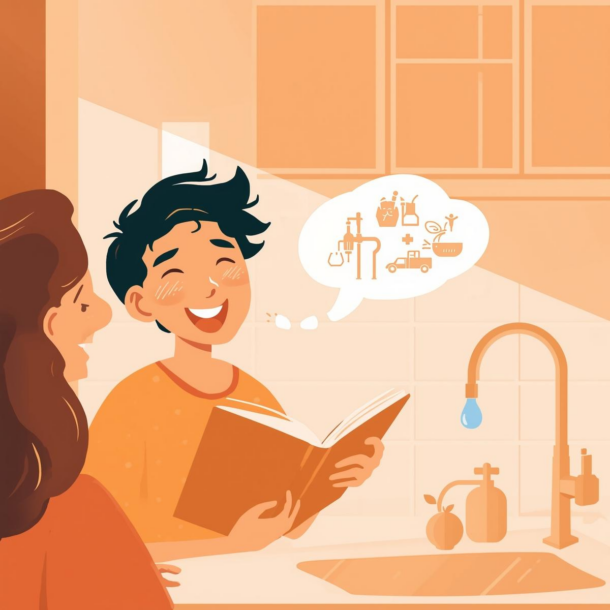 Youth respond to environmental messages differently than adults. They are motivated by exploration, fairness, and a desire to protect the places they know. Water conservation districts often find that students are quick to ask why reservoirs drop, why lawns turn brown in summer, or why watering schedules change during dry months. Watershed organizations see young people connect easily with the idea that clean water depends on healthy land, which makes concepts like pollution prevention and stream protection feel meaningful rather than abstract. Irrigation districts notice that students become curious about where water comes from and how timing, efficiency, and maintenance affect availability for farms and communities. When agencies meet that curiosity with clear, age appropriate explanations, kids absorb conservation concepts with surprising speed and confidence.
Children also act as powerful communicators within their families. When a student learns how drought affects local supply reliability or how watering schedules protect limited resources, they often bring that knowledge home in a way adults actually hear. Parents and caregivers may adjust behaviors because their children are paying attention, asking questions, and reminding them of a shared goal. This dynamic helps districts extend their reach into households that may not regularly engage with utility notices, websites, or public meetings. Youth education creates a ripple effect that multiplies the impact of formal water messaging and keeps the message present between seasons.
In addition, teaching children about water encourages long term planning. Young people who understand conservation begin developing practical habits early, like noticing leaks, respecting watering schedules, and valuing efficiency as normal behavior rather than a temporary sacrifice. They grow into adults who are more likely to support district initiatives, comply with drought stage guidance, and participate in programs that strengthen community resilience, from rebate programs to watershed stewardship efforts. Agencies that prioritize youth focused communication build a foundation for enduring community wide stewardship, where conservation becomes part of local culture instead of an emergency response.
From Scarcity to Sustainability: Effective Communication Strategies for Water Conservation Agencies
This article is part of our series on strategic communication for Water conservation agencies. To learn more and to see the parent article, which links to other content just like this, click the button below.
Partnering With Schools to Strengthen Water Messaging
Schools offer a structured, trusted environment where students encounter new ideas consistently over time, which makes them strong partners for water conservation districts. When water conservation districts collaborate with educators, they gain access to an audience that is receptive and capable of influencing household behavior. Children often carry classroom messages home, extending the reach of district communication far beyond school walls. This creates a multiplier effect. Concepts introduced in a school setting become reinforced through daily family routines, neighborhood conversations, and youth-led reminders that show up at the kitchen sink, in the yard, and in everyday community life.
Partnerships with schools also allow water conservation districts to embed water topics within broader educational frameworks. Teachers integrate messaging into science, geography, and environmental units, which gives students repeated exposure and strengthens long term retention. Districts benefit because these lessons provide context that short reminders or single announcements cannot achieve. When students understand why water matters, they become more aware of how supply, drought stages, and conservation requests connect to real decisions at home, at school, and across the community. This understanding supports compliance because it builds meaning, not just rules.
Co-Developing Lesson Materials With Educators
When water conservation districts collaborate directly with teachers during the development of lesson plans, the resulting materials become more accurate, accessible, and aligned with curriculum standards. Teachers appreciate content that is ready to use, visually clear, and tied to specific learning objectives. Districts benefit because this approach ensures the information students receive reflects current conditions, local data, and real resource management practices. It also helps districts present consistent language across grade levels so students build understanding in layers rather than encountering disconnected facts.
Even simple materials can improve understanding. A map showing local watersheds, a timeline illustrating drought progression, or a graphic explaining how reservoirs fill and draw down gives teachers concrete tools to spark discussion. When students see these examples, they connect classroom learning to local conditions they hear about in household updates, district notices, or community conversations. Local relevance makes conservation feel practical and personal. It helps students recognize that daily choices connect to shared supply and long term resilience.
Expanding Learning Through Field Trips and On-Site Programming
Field experiences deepen comprehension by helping students see water systems in action. Water conservation districts can demonstrate how water is sourced, stored, monitored, and managed during changing conditions, including why conservation requests shift by season. District staff can also show how efficiency tools work, such as smart irrigation settings, leak detection basics, and weather-based watering decisions. These real world touchpoints transform abstract concepts into lived experiences that students remember long after the lesson ends.
Field learning also strengthens the relationship between students and their local environment, which supports long term stewardship. When children see low reservoir markers, reduced streamflow, or dry landscapes in their own region, they develop empathy that influences behavior at home. This connection is difficult to achieve through classroom instruction alone. It also helps students understand that water planning is a community responsibility that depends on shared habits and shared expectations, not only on technical systems.
Using School Communication Channels to Reach Families
Schools maintain communication systems that families trust and engage with frequently. When water conservation districts share water messages through these channels, the reach expands significantly. Flyers, digital newsletters, classroom apps, and take home activities extend the message into homes where daily decisions occur. This creates alignment between what students learn and what families practice, especially when messages focus on a small set of clear actions. Examples include following watering-day schedules, checking for leaks, and understanding how drought stages affect community guidelines.
These channels are especially effective for reaching households that might not encounter district messaging through websites, community meetings, or public notices. Families often respond more actively when students are involved, and they tend to view school-based information as practical and credible. This strengthens the connection between household behavior and shared conservation outcomes across the district, including efficient irrigation, reduced waste, and stronger compliance during restrictive periods.
Youth as Messengers: How Children Influence Household Water Use
Children carry conservation lessons into their homes in subtle but influential ways. When water conservation districts teach youth about short showers, turning off water during toothbrushing, or identifying a running toilet, students begin modeling these behaviors. Districts often find that children share stories about local drought stages, reservoir conditions, and the reasons behind watering schedules, prompting families to become more mindful of water use. Youth programs also help children recognize waste in everyday routines, which can lead households to make small changes that add up over time.
Youth influence works because children speak from enthusiasm rather than enforcement. Their curiosity sparks attention in the adults around them. A child who asks why sprinklers are running during a restricted period starts a conversation that may lead the family to adjust irrigation habits. A child who explains why fixing leaks matters can shift household priorities. These small but meaningful contributions accumulate, helping water conservation districts support consistent behavior across an entire community, one household decision at a time.
This household influence is especially powerful during prolonged drought or periods of heightened water stress. Children who understand the reasons behind restrictions are more likely to support them, and their support can reduce tension within households when routines need to change. Water conservation districts that invest in youth messaging create advocates who help bridge the gap between district guidance and everyday decision making at home. The result is a more cooperative, more resilient community response that holds steady even when conditions fluctuate.
Designing Water Messages That Resonate With Young Learners
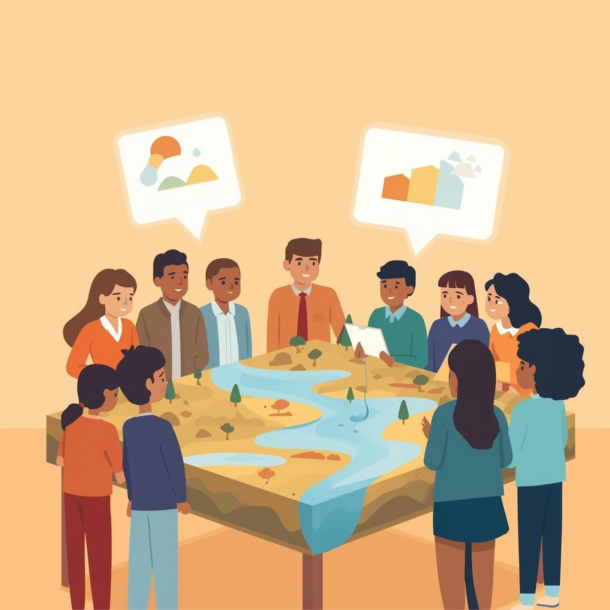 Effective youth communication requires messages that are simple, concrete, and rooted in relatable experiences. Water conservation districts often begin with examples children can observe, such as lawns turning brown during heat, reservoirs dropping, or community watering schedules changing throughout the year. District educators introduce real world stories that connect scarcity to shared supply, showing why conservation requests shift and how daily habits protect reliability. Youth programs translate water wise concepts into everyday actions, such as using refill stations, reporting leaks, and understanding why watering at certain times reduces waste.
Youth messaging succeeds when it avoids abstract explanation and focuses on what children can observe. A student who sees a demonstration of how soil absorbs water will understand dry conditions more clearly than a student who simply hears a definition. A child who watches a simple model show runoff versus infiltration grasps how watering choices affect waste. By connecting messages to physical examples, water conservation districts help students internalize concepts that might otherwise feel distant or complex. These observable moments create memory anchors that children can recall later when they notice real decisions being made at home.
Messages must also appeal to a child’s sense of agency. Young learners respond strongly when they feel their actions make a difference. When water conservation districts frame conservation as something children can do today, rather than something adults solve later, engagement increases. Empowerment lays the groundwork for lasting habits because it turns conservation into identity and everyday choice, not a one time lesson.
Hands-On Experiences That Strengthen Understanding
Children learn best when they can touch, build, experiment, or observe. Water conservation districts provide hands-on opportunities by guiding students through watershed demonstrations, soil moisture comparisons, and simple leak-detection activities that show where water is commonly wasted. District staff can also demonstrate irrigation efficiency basics, including how timers, weather, and plant needs influence watering decisions. These experiences help students understand that conservation is not only about intention. It is also about using the right practices at the right time.
Hands-on experiences deepen understanding because they connect information to lived experience. When children see how a small amount of water changes a model watershed, or how shade and sun affect evaporation, they form mental links that support long-term learning. These interactions spark curiosity and encourage questions that strengthen comprehension. Curiosity keeps learning active, which helps conservation messages stick and makes students more likely to notice water patterns in their daily routines.
These experiences also connect learning across environments. What a child learns in a classroom about evaporation becomes more meaningful when paired with observing a dry landscape or learning why watering in the heat wastes water. A lesson about irrigation efficiency gains context when children later notice sprinklers running on windy days or when they see household watering-day reminders. Layered experiences create a multi-dimensional understanding that strengthens the impact of district messaging and makes conservation feel relevant across settings.
Creating Youth-Friendly Visuals and Communication Tools
Visual communication is essential in youth education because children process images faster than text. Water conservation districts create posters, illustrated maps, and simple drought graphics that show how water levels change over time and what each stage means for daily choices. Districts also use diagrams to explain reservoirs, watersheds, and treatment systems in ways that feel understandable and local. Youth tools, such as activity sheets and interactive worksheets, help students connect conservation concepts to concrete steps they can practice at home.
These visuals translate complex topics into accessible concepts. A diagram of the water cycle makes evaporation, precipitation, and infiltration easier to grasp. A color-coded drought chart helps children recognize the meaning of different stages. When visuals appear consistently across settings, students form stronger memory associations, improving their ability to recall and explain water information. Consistency also helps families engage because visuals become shared reference points for conversations at home.
Youth-friendly tools encourage participation. Children enjoy materials they can create, modify, or share, such as stickers, activity journals, and take-home conservation cards. When water conservation districts design tools that invite interaction, they turn communication into a creative experience rather than a passive one. This deepens engagement and retention, helping conservation messages stay with children long after the initial lesson and travel naturally into households.
Integrating Water Messaging Into Youth Programs Beyond the Classroom
Youth programs offer a natural platform for water education because they blend learning with fun. Water conservation districts introduce conservation lessons through school clubs, community partner programs, and youth-focused challenges that encourage families to adopt small changes together. Districts can also support themed activity kits or seasonal projects that help students track water use behaviors and share progress with peers. These program settings allow students to learn in a relaxed context, which makes the lessons more memorable and less likely to feel like another requirement.
These youth settings also support positive reinforcement. A child who completes a leak-check activity at home and then shares that success with a group learns that conservation is both doable and valued. Programs create opportunities to celebrate effort, not just outcomes, which is important for habit formation. When conservation is linked to teamwork, creativity, and pride, youth are more likely to carry the message forward and encourage others to do the same.
Integration across programs reinforces repetition. When children hear similar conservation messages across multiple activities, they begin to internalize the information. Repetition across varied environments builds familiarity without boredom. Water conservation districts that incorporate messaging across youth programs create a consistent foundation that strengthens habits as children grow and keeps conservation present even when drought news fades.
Bringing Families Into the Water Education Conversation
Youth education becomes far more powerful when it extends into family life. Water conservation districts encourage children to share what they learned by sending home simple recap sheets, family activity prompts, and seasonal checklists that make conservation feel manageable. Districts provide take-home materials that explain drought stages and invite families to practice habits together, such as adjusting watering schedules, fixing small leaks, and using water efficiently during routine tasks. When families can try small steps together, the lesson becomes routine rather than a one-off assignment.
When students bring conservation messages home, the result is a two-way learning environment. Children share enthusiasm, parents respond with curiosity, and families begin adopting practices together. This dynamic elevates district messaging from a school activity to a shared household commitment. Families often appreciate the clarity and simplicity of youth-oriented materials, which help break down topics that can feel technical. The student becomes both learner and teacher, strengthening the influence of water conservation district guidance.
This family-centered approach builds continuity across generations. When households discuss conservation together, children see adults modeling responsible behaviors, and adults feel reinforced by the enthusiasm of their children. The loop reinforces itself. Schools and districts teach youth. Youth engage their families. Families sustain the habits children bring home. This strengthens long-term participation and keeps conservation present through everyday choices across the district.
Youth Leadership Programs as Conservation Multipliers
Leadership opportunities empower children to become conservation ambassadors within their schools and communities. Water conservation districts can support youth advisory groups, student ambassador programs, and peer-to-peer education efforts that help translate water guidance into language other students understand. Districts also involve youth in community projects such as water-saving challenge campaigns, household tip sharing, and seasonal awareness events that align with drought-stage communication. These opportunities deepen student involvement by shifting youth from recipients of information to active participants in stewardship.
Leadership programs amplify impact because they give students ownership. Instead of simply receiving water information, youth help shape how messages are shared. They contribute ideas, design activities, and speak with peers or families. This involvement deepens understanding and creates responsibility that extends beyond individual behavior. Youth leaders become advocates who influence friends, siblings, and adults, acting as multipliers for district messaging and strengthening social norms around water wise habits.
These programs foster long-term engagement by nurturing environmental identity. Young people who learn to see themselves as caretakers of local water systems often carry that perspective forward into adulthood. They become volunteers, voters, and community members who support district initiatives years later. Youth leadership therefore functions as a communication strategy and as a long-term investment in community resilience.
Aligning School and District Messaging for Consistency
Consistent messaging across schools, households, and district outreach strengthens comprehension and retention. Water conservation districts coordinate with teachers so classroom language matches district language used in seasonal updates, drought stage explanations, and conservation requests. Districts can also provide shared symbols and visuals that teachers use in lessons, then repeat those same visuals in take-home materials so families see one coherent set of cues. Consistency reduces confusion and helps students recognize that conservation guidance connects across settings.
Alignment helps students connect learning across experiences. A child who learns about evaporation and heat-driven water loss in class may recall that lesson when discussing watering time-of-day at home. A student who studies watersheds will understand why runoff and overwatering waste shared supply. These connections reinforce the same ideas through different experiences, strengthening understanding and increasing the likelihood students remember the guidance when it matters in daily life.
Consistency also benefits families. When children and adults encounter the same phrasing, symbols, and visuals through school materials and district communication, they build shared understanding. This supports a unified approach to conservation and helps households feel confident about what to do. Water conservation districts that align messaging across institutions create a stable communication environment where students and caregivers can recognize, trust, and act on guidance with less friction.
Making Water Messaging Part of School Culture
When water education becomes part of a school’s culture, students encounter conservation reminders throughout the year rather than during isolated lessons. Water conservation districts contribute by offering curriculum supplements, poster series, and seasonal awareness events such as water stewardship weeks or drought readiness campaigns. Districts support classroom displays that explain local supply, storage, and seasonal demand. They also help schools install refill stations, create student-designed signage, or develop small demonstration gardens that highlight efficient watering and soil health.
Embedding water messaging in daily school culture normalizes conservation. Students begin seeing water as a shared community resource and recognize how choices have consequences. Familiarity reduces resistance and increases confidence in understanding water systems. When schools integrate messaging into traditions, activities, and physical spaces, students build lasting mental models of what responsible water use looks like. That familiarity helps them carry the message into household routines without feeling like they are starting from scratch each season.
Cultural adoption strengthens school-district relationships. When water conservation districts participate consistently in school life, teachers rely on them as partners, and students associate district presence with learning, curiosity, and community care. Over time, these relationships build a community-wide expectation that stewardship is a shared responsibility woven into routines and identity, not a topic that appears only during urgent restrictions.
Using Digital Tools to Support Youth Water Learning
Digital tools broaden the reach of youth-focused messaging and make learning more interactive. Water conservation districts share short explainer videos and interactive graphics that illustrate how storage changes and why conservation requests adjust seasonally. Districts also provide simple dashboards or kid-friendly visuals that show drought stages and what each stage means in practical terms. Digital scavenger hunts, quizzes, and virtual tours of local water systems can reinforce learning and keep students engaged beyond a single lesson.
Digital tools support understanding by presenting information in formats that match how many students learn. Children are accustomed to tapping, exploring, and watching short content segments. When district messaging is delivered through interactive maps, brief videos, and simple simulations, students stay engaged longer and retain more information. These tools help teachers introduce complex topics in digestible ways and support families who want to revisit the information at home.
Digital resources strengthen consistency between learning and real life. When a child learns about drought stages through a classroom tool and then recognizes the same symbols in a district update or a take-home worksheet, comprehension deepens. Digital tools also support recall by giving families a shared reference they can revisit. These resources connect conceptual learning with lived experience, helping students understand water systems as dynamic and connected to everyday choices.
Connecting Youth Programs With Real-World Water Challenges
When children see how water issues affect their own communities, conservation becomes personal and meaningful. Water conservation districts can show students how drought impacts local supply, storage, and the timing of conservation requests. District educators can connect classroom concepts to visible community indicators, such as lower reservoir levels, dry landscapes, and seasonal restrictions designed to protect reliability. These connections help students recognize that water planning is not an abstract idea. It is something their community navigates together.
Real-world connections help students understand that scarcity affects daily life. It influences household routines, neighborhood watering patterns, and community decisions that aim to keep supply stable for essential needs. When children see these impacts, conservation messages carry emotional weight. They begin recognizing how small behaviors connect to broader resilience and how collective effort protects the community’s ability to respond to dry periods.
Connecting youth learning with real conditions builds environmental literacy. Students who observe water challenges over time can track how conditions respond to rainfall, heat, and conservation actions. This supports critical thinking and strengthens the foundation for interpreting future messaging. When water conservation districts show children the real world stakes of stewardship, they help develop future decision makers who understand both the science and the community relevance of conservation.
Building Future Stewardship by Empowering Educators
Teachers play a central role in shaping children’s understanding of water systems. Water conservation districts strengthen youth messaging when they equip educators with tools, confidence, and support. Districts offer teacher trainings that explain local watershed dynamics, drought stages, and the practical reasons behind seasonal watering guidance. Educator toolkits can include watershed maps, drought stage visuals, and simple activities that teach efficiency and waste reduction through everyday examples students recognize at home and at school.
Supporting educators amplifies district communication because teachers can extend messaging to hundreds of students each year. Educators who feel confident delivering water lessons normalize conservation as part of regular learning rather than a special event. When water conservation districts provide clear materials and ongoing support, teachers build structured lessons that reinforce messaging throughout the school year. Continuity increases retention and improves the likelihood that students carry conservation habits forward.
This investment fosters sustainable partnerships. Schools value support that meets curriculum goals while also advancing community-wide conservation initiatives. Over time, teachers integrate district materials into standard practice, creating year-to-year continuity. Empowering educators builds a lasting bridge between schools and water conservation districts, ensuring youth-centered messaging remains active, accurate, and aligned with local needs across many school years.
Highlighting Youth Contributions to Community Water Solutions
When students see their efforts recognized, they feel empowered and more motivated to participate in conservation over the long term. Water conservation districts highlight student projects such as conservation posters, household challenge campaigns, or school-wide awareness efforts that help families understand drought stages and simple actions. Districts celebrate youth groups that support water wise landscaping projects, refill station initiatives, or classroom efforts to reduce waste. Recognition shows students that conservation is not only an adult responsibility. It is a shared community effort that values youth participation.
Highlighting these contributions demonstrates that children play a meaningful role in community solutions. Public recognition helps students understand their voice matters and stewardship is shared across generations. Families and schools benefit from seeing student work acknowledged, which reinforces the value of youth engagement and encourages ongoing participation. Recognition is most effective when it is connected to visible outcomes, such as improved understanding of watering schedules or increased attention to leaks and waste.
These recognitions deepen long-term commitment because students see evidence that their efforts have impact. Children who experience that connection are more likely to continue advocating for stewardship in later school years and into adulthood. Water conservation districts that celebrate youth participation create a positive feedback loop that strengthens communication, reinforces community pride, and sustains engagement year after year.
Strategic Communication Support for Your Parks and Recreation Agency
 Youth education becomes most effective when the district’s broader communication systems are strong, consistent, and intentionally designed. Water conservation districts often recognize that while teachers and youth leaders are eager partners, they need clear, adaptable messaging frameworks that align with district goals and seasonal conditions. District teams also benefit from consistent visuals, shared language, and cross-functional coordination so youth materials, household guidance, and drought stage updates reinforce one another instead of competing for attention.
Because building and maintaining these systems requires structure and expertise, many organizations choose to partner with an external resource like Stegmeier Consulting Group (SCG). People at water conservation districts often find value in SCG’s ability to translate conservation priorities into communication strategies that reach both youth and adults. SCG helps teams align messaging across schools, community partners, and digital platforms, ensuring that water concepts introduced in the classroom reflect the same clarity and tone used in public-facing district communication. This alignment strengthens comprehension and reinforces the behavioral goals districts work hard to promote.
When districts pair strong youth education with well designed communication systems, water messaging becomes more durable and meaningful. SCG supports organizations by developing frameworks, refining messages, and building processes that help youth outreach become a lasting part of community engagement. The result is a communication approach that resonates with students, empowers educators, and strengthens stewardship across generations, with a message environment that stays coherent even as conditions change.
Conclusion
Educating children about water creates a foundation for long term conservation behavior that benefits entire communities. Water conservation districts play an essential role in helping young people understand water cycles, drought impacts, and everyday conservation choices. When children learn these concepts in school and through district-supported programs, they internalize them in ways that shape future habits and influence household decision making. Early learning turns conservation into routine, not reaction.
Youth education also multiplies the impact of district communication. Students share what they learn, motivate their families, and participate enthusiastically in conservation initiatives. Schools extend the reach of district messaging, and district educators help bring curriculum concepts to life through local examples. The more consistently these messages align, the more students begin to view stewardship as a shared community value rather than a temporary response to drought. Shared understanding strengthens cooperation when conditions become difficult and helps families feel more confident about what to do.
Ultimately, investing in youth education means investing in the future. When today’s learners grow into tomorrow’s residents, voters, and stewards, their early experiences with conservation will guide their decisions. Water conservation districts that embed messaging in youth learning build communities that understand, support, and sustain responsible water use across generations, even as conditions and demands evolve.
SCG’s Strategic Approach to Communication Systems
Align your agency’s messaging, processes, and public engagement strategies
Agencies that communicate effectively build stronger trust with staff, stakeholders, and the public. Whether you are implementing QR code systems, improving internal communication workflows, or strengthening agency-wide alignment, SCG can help you develop a communication system that supports consistent decision-making and long-term organizational success. Use the form below to connect with our team and explore how a strategic communication framework can elevate your agency’s impact.