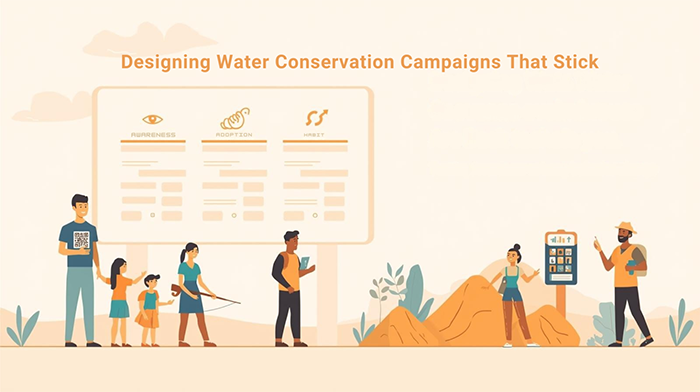
Designing Water Conservation Campaigns That Stick: Turning Awareness Into Long-Term Behavior Change
Designing water conservation campaigns that inspire lasting behavior change requires more than catchy slogans or visually appealing graphics. People engage with water differently across water conservation districts, water management agencies, irrigation districts, and watershed organizations, and they arrive with a wide range of motivations, levels of water awareness, and assumptions about what conservation should look like. Effective campaigns account for this diversity by recognizing that residents, ratepayers, agricultural users, and community partners do not all respond to the same messages or prompts. Instead, successful efforts are grounded in an understanding of the psychology behind how people make choices, how they interpret guidance, and what helps new behaviors persist beyond the immediate moment. When water conservation districts combine clear, practical direction with messaging that feels emotionally relevant and connected to shared values and local place, they can move people beyond short-term compliance and toward a deeper sense of responsibility. The result is more meaningful, long-term stewardship of limited water resources.
Water conservation districts also face the challenge of communicating during a time when water pressures are increasingly visible. Drought, climate variability, reduced streamflow, and seasonal demand spikes place added strain on systems that were once more predictable. Community members encounter watering restrictions, conservation alerts, rebate programs, landscape guidance, and shifting supply conditions. Yet not everyone understands why these conditions exist, how decisions are made, or how individual actions contribute to local outcomes. Effective conservation campaigns bridge this gap. They translate the “why” into approachable language, pair it with simple actions people can take immediately, and avoid the overload that can cause audiences to tune out. Campaigns grounded in behavioral insight help water conservation districts create communication that reaches both highly engaged residents and people who have not previously prioritized conservation.
Long term behavior change also requires repetition, reinforcement, and consistency. A resident may notice a drought stage update once and remember it only temporarily. A customer may reduce use for a week and then revert to familiar routines when the urgency feels less visible. Campaigns that stick rely on structured communication systems to sustain attention and encourage repeated engagement across seasons. When water conservation districts build campaigns that appear in the right places, at the right times, with messages that feel relevant to daily decisions, people are more likely to internalize conservation behaviors and continue them even when conditions stabilize. Over time, those repeated touchpoints turn short-term actions into durable habits.
Understanding How People Process Conservation Messages
 Public understanding of water conservation varies widely, which means water conservation districts must consider how people interpret guidance before designing campaigns. Some communities recognize drought conditions because they have lived through multiple cycles and understand local constraints. Others experience scarcity as abstract, or assume that water availability is consistent because they do not see supply fluctuations directly. Water conservation districts often find that customers underestimate how water is allocated, how seasonal demand drives system stress, or how outdoor irrigation influences peak use. They also encounter audiences who care about environmental outcomes but do not immediately connect everyday choices, like lawn watering schedules or fixture upgrades, to watershed health, supply reliability, or drought resilience. At the same time, many customers primarily interpret water through cost, convenience, and routine. Campaigns work best when they start from these real-world frames of reference.
People process information through filters shaped by experience, emotion, identity, and trust. Campaigns must acknowledge these filters to create messages that land effectively. Messages that emphasize shared responsibility often resonate with customers who see themselves as community minded and want to contribute to a collective solution. Messages that highlight place-based impacts, like local reservoir conditions or seasonal supply challenges, can connect with people who respond to visible, local cues. Messages that offer simple, immediate actions speak to individuals who want clarity without complexity. Messages that validate effort and progress, rather than focusing only on sacrifice, help reduce fatigue during prolonged dry periods. When water conservation districts design communication grounded in these motivations, conservation becomes practical, relatable, and easier to sustain.
Psychology also shapes how people engage with campaigns over time. People respond more positively when messaging feels supportive rather than punitive. They follow guidance more consistently when they understand the purpose behind it and when the requested actions feel achievable. They trust water conservation districts more when messages are transparent, consistent across platforms, and reinforced by predictable update rhythms. By considering these psychological factors, districts can build campaigns that do more than raise awareness. They shape understanding, encourage follow-through, and create the conditions for lasting behavior change that supports long-term water reliability.
From Scarcity to Sustainability: Effective Communication Strategies for Water Conservation Agencies
This article is part of our series on strategic communication for Water conservation agencies. To learn more and to see the parent article, which links to other content just like this, click the button below.
Identifying the Behaviors That Matter Most
A successful conservation campaign begins with clarity about which behaviors have the greatest impact. Water conservation districts often prioritize household and commercial behaviors that drive peak demand, such as outdoor irrigation frequency, sprinkler run times, and fixing leaks quickly. Water management agencies frequently emphasize behaviors tied to drought stage compliance, including adhering to watering day schedules, avoiding prohibited uses during restrictions, and responding promptly to conservation alerts. Irrigation districts identify high-impact operational and on-farm behaviors, such as improving irrigation efficiency, reducing tailwater losses, maintaining turnouts and canals to prevent seepage, and adopting scheduling practices that match crop needs. Watershed organizations focus on behaviors that protect source waters and stream health, including maintaining riparian buffers, reducing polluted runoff, and avoiding disturbance in sensitive corridors when flows are low.
These behavioral priorities must be communicated clearly so that people understand what is being asked of them. Ambiguous requests like “Use less water” or “Protect our streams” do not provide meaningful direction. Instead, actionable guidance such as “Water lawns no more than two days per week,” “Fix visible leaks within 48 hours,” or “Report broken irrigation sprinklers at this link” gives customers a concrete starting point. People are more likely to adopt new habits when expectations feel specific, achievable, and tied to the decisions they make in real life, like setting a timer, repairing a broken valve, or choosing a drought tolerant landscape option.
Water conservation districts and partner water agencies must also consider which behaviors are most difficult for people to change. Some habits require minimal effort, like turning off a hose or following a watering day schedule. Others require larger adjustments, like replacing turf, upgrading fixtures, or changing longstanding irrigation routines. Campaigns that rank behaviors by feasibility and impact create a roadmap for messaging and resource allocation. When water conservation districts focus on a small set of high value behaviors and connect them to practical supports, such as rebates, how-to guidance, or scheduling tools, they reduce overwhelm and improve the likelihood of sustained change.
Designing Messages That Motivate Rather Than Pressure
Motivational messaging acknowledges the challenges people face and frames conservation actions as meaningful contributions rather than obligations. Water conservation districts often use messages that connect actions to visible community outcomes, such as stabilizing summer demand, protecting neighborhood trees, or keeping local supplies more reliable through dry periods. Water management agencies emphasize how shared participation supports system reliability and reduces the need for more severe restrictions later. Irrigation districts highlight how efficient practices protect both productivity and long-term water availability, reinforcing that conservation and operational success can work together. Watershed organizations connect actions to ecological resilience, showing how conserving water supports stream health, habitat stability, and watershed recovery.
Messages that motivate focus on empowerment rather than guilt. They tell people that their actions matter and that even small changes contribute to collective outcomes. They avoid language that feels accusatory or demanding. Instead of saying “Stop wasting water,” agencies may frame communication as “Help protect our water by choosing efficient habits,” or “Join your neighbors in keeping demand down this week.” This shift in tone makes guidance feel inviting and achievable, which increases follow-through and reduces the defensiveness that can appear when restrictions feel stressful.
Motivational messaging also benefits from emotional resonance. People connect more deeply when messages align with values like family, fairness, community pride, reliability, and care for place. Campaigns that acknowledge these motivations demonstrate that water conservation districts understand local priorities, whether those priorities involve keeping costs manageable, sustaining landscapes, or protecting shared water sources. When messages reflect both practical and emotional significance, people are more likely to internalize them and maintain conservation behaviors long term.
Making Conservation Messages Easy to Remember
For a water conservation campaign to influence long-term behavior, messages must be memorable enough for people to recall them in daily life. Water conservation districts often find that customers forget guidance once an email scrolls out of view or a bill cycle passes, which means messages must be simple, repeatable, and anchored in familiar language. Water management agencies rely on phrasing that ties conservation to concrete decisions, like setting irrigation days, checking for leaks, or responding to drought stage updates. Irrigation districts benefit from concise reminders that match operational rhythms, such as scheduling irrigation by need rather than habit. Watershed organizations reinforce message recall by connecting conservation to recognizable local features, like a river reach, reservoir, or seasonal low-flow period.
Memorability depends on rhythm and structure. Short phrases, parallel wording, and visual consistency all help people retain information. Messages such as “Two days is enough,” “Fix leaks fast,” or “Check your schedule today” stay with customers because they are brief, easy to visualize, and easy to repeat. When water conservation districts reinforce the same language across bills, websites, social posts, mailed notices, and community events, familiarity strengthens retention. People are more likely to remember guidance when it is both concise and consistently displayed.
Environmental and situational cues also improve recall. When messages appear near the moment of decision making, they become tied to action. A reminder placed next to irrigation timer instructions, a rebate application confirmation, or a drought stage update on a dashboard connects the message directly to the behavior. Over time, these cues create mental associations that help people remember conservation guidance even when the original prompt is no longer present. Memorability becomes part of routine rather than a one-time reminder.
Testing Concepts Before Launching the Campaign
Effective campaigns benefit from early testing, even at a small scale. Water conservation districts often test messaging with customer advisory groups, call center teams, and community partners to see how people interpret key phrases. Water management agencies may pilot drought stage language and visuals with a small set of neighborhoods or service areas to evaluate whether the public understands what changes at each stage. Irrigation districts can test operational guidance with growers and field staff to ensure that recommended practices feel realistic and clear under real conditions. Watershed organizations often share draft concepts during workshops or community events to assess whether audiences understand the intended meaning and feel motivated to participate.
These pre-launch tests reveal whether messages resonate, whether visuals communicate effectively, and whether key ideas land with the intended audience. Even small adjustments can strengthen clarity. A phrase that feels intuitive to staff may confuse customers. A graphic that looks effective on a desktop screen may be hard to interpret on a phone. Testing helps agencies surface these gaps before messages are widely deployed, reducing the risk of rollouts that require major corrections later.
Testing also improves internal alignment. When teams review early feedback together, they develop shared language for describing campaign goals and priorities. Customer service staff understand the reasoning behind message choices, field teams know what to reinforce, and communications teams can anticipate common questions. This internal clarity supports external clarity and strengthens the campaign’s overall effectiveness.
Building Campaigns That Grow Over Time
Long-term behavior change requires long-term communication. Successful conservation campaigns expand in phases rather than relying on a single push. Water conservation districts often begin with awareness messages that introduce core concepts, then shift toward specific behaviors, program participation, and practical tools that reduce barriers to action. Water management agencies introduce consistent drought stage language early, then deepen guidance as conditions intensify, ensuring customers understand both current rules and what may come next. Irrigation districts may start with broad efficiency goals, then add more detailed scheduling, maintenance, and measurement practices as adoption grows. Watershed organizations can begin with place-based storytelling, then expand to concrete steps that connect daily conservation to watershed outcomes.
Campaign growth also requires moments of renewal. After several months, messages may feel familiar, which means agencies must refresh content to maintain attention without abandoning the core theme. Seasonal changes provide natural opportunities for variation. Spring can focus on irrigation readiness and leak checks. Summer can emphasize peak demand reductions and drought stage transitions. Fall and winter allow agencies to reflect on community impact, share progress, highlight program results, and introduce next year’s goals. This cadence helps conservation feel like an ongoing practice rather than an emergency-only response.
This ongoing evolution signals that conservation is not a short-term effort but a sustained commitment. When water conservation districts continue adapting campaign messaging, people are reminded that efficient water use requires continuous participation, especially as conditions fluctuate. Over time, the campaign becomes part of a long-term partnership between water agencies and the communities they serve, reinforcing shared responsibility and strengthening resilience across years.
Creating a Consistent Visual Identity for Conservation Campaigns
Strong visual identity helps conservation campaigns stand out and remain recognizable. Water conservation districts often use color palettes and icon sets that make drought stages, watering schedules, and priority actions easy to identify at a glance. Water management agencies may incorporate clear visual cues for restrictions, timelines, and “what changed” updates so customers can quickly understand what applies to them. Irrigation districts often use simple field-ready visuals, such as scheduling guides, measurement diagrams, or maintenance checklists that can be referenced during daily operations. Watershed organizations may incorporate place-based imagery, maps, and watershed symbols that connect conservation to local geography and shared water sources.
Consistency builds trust and familiarity. When people see the same font style, color pattern, and icon family across multiple touchpoints, they recognize the information as official and reliable. This reduces cognitive load and helps messages stand out in visually busy environments. Repetition also reinforces campaign themes, allowing customers to recognize new updates as part of an ongoing effort rather than isolated notices.
Visual identity must remain adaptable. A drought alert may require stronger contrast than a general conservation tip. A rebate message may need a different layout than a watering day reminder. Agencies benefit from design systems that allow variation while maintaining recognizable structure, so visuals support both clarity and relevance across different campaign goals and communication channels.
Using Social Norms to Encourage Conservation Behavior
Social norms are among the strongest behavioral drivers in public communication. When people believe others are making responsible choices, they are more likely to follow. Water conservation districts often highlight participation rates in watering schedules, leak repair efforts, or rebate programs to show that conservation is a shared community practice. Water management agencies can reinforce norms by sharing neighborhood-level progress, seasonal demand reductions, or “most customers are doing this” messaging that makes efficient behavior feel standard. Irrigation districts can use peer examples, showing how common practices like improved scheduling or system maintenance reduce waste without sacrificing outcomes. Watershed organizations can elevate community actions that protect streams, restore corridors, or reduce runoff, reinforcing that stewardship is a collective effort.
Norm based messaging works because people want to belong to the group acting responsibly. When messages show that conservation behaviors are common, individuals feel motivated to align with the perceived majority. For example, a statement such as “Most households in our service area water no more than twice per week” shifts perception from obligation to collective action. This framing reduces resistance and increases compliance because it reassures people that they are not acting alone and that their effort fits into a broader community pattern.
Norms also support long term habit formation. When conservation becomes part of community identity, people continue behaviors even when conditions improve. Water conservation districts that consistently reinforce these norms help customers internalize efficient use as a shared value rather than a temporary response to drought stress.
Creating Messages That Address Emotional and Practical Barriers
Behavior change requires more than education. People often understand the importance of water conservation but struggle with habits, routines, costs, or emotional responses that make change difficult. Water conservation districts hear from customers who worry that reducing irrigation will harm landscapes or make them feel out of step with neighborhood expectations. Water management agencies encounter people who feel overwhelmed by changing restrictions or uncertain about what applies to their property. Irrigation districts work with users who are unsure which efficiency steps matter most or who face operational constraints. Watershed organizations engage audiences who care deeply but do not know where to start, especially when the issue feels complex or long-term.
Addressing these barriers begins with empathy. Water agencies create stronger campaigns when they acknowledge challenges rather than ignoring them. A message that recognizes frustration, confusion, or effort feels more supportive and increases adoption. People respond positively when they feel seen and understood. Emotional validation reduces defensiveness and opens the door to practical guidance that feels respectful rather than corrective.
Practical barriers must also be addressed directly. Many households do not know how to adjust irrigation timers, interpret watering day rules, or identify inefficient sprinkler patterns. Some customers do not realize how quickly a small leak adds up. Some communities lack clear instructions for reporting issues or accessing support. When water conservation districts identify these barriers, they can design targeted how-to content, simple checklists, short videos, workshops, and customer support pathways that turn obstacles into manageable tasks. This reduces friction and empowers people to adopt new behaviors with confidence.
Using Stories to Reinforce Conservation Behaviors
Stories help people understand the meaning behind conservation actions. Water conservation districts often share narratives from customers who reduced irrigation without losing landscape quality, families who used rebates to upgrade fixtures, or small businesses that improved efficiency and lowered costs. Water management agencies can elevate frontline experiences from customer service teams or field staff who see how small changes add up during peak demand. Irrigation districts may share stories from growers or operators who adopted scheduling improvements and reduced losses while maintaining performance. Watershed organizations can highlight stories that connect conservation choices to local stream recovery, habitat protection, or community pride in caring for shared waters.
Stories function as both education and motivation. They give people a relatable example of how others make responsible choices, which increases the likelihood of imitation. A story about a neighborhood transitioning to water wise landscaping can inspire residents facing similar concerns. A customer narrative about finding and fixing a leak can make the action feel accessible and urgent. These examples help people understand the real world consequences of their decisions and the practical steps that made change possible.
Stories also strengthen emotional connection, which fuels long term engagement. Facts inform, but stories help people care and keep caring. Campaigns that integrate storytelling alongside practical guidance create messaging that appeals to both logic and emotion. This combination supports lasting behavior change and deepens community commitment to protecting water resources.
Maintaining Message Consistency Across Channels
Campaigns lose effectiveness when messages conflict across platforms. Water conservation districts often communicate through websites, social media, bills, email alerts, mailed notices, community events, and customer service interactions. Water management agencies may add dashboards, drought stage postings, and operational updates that also need alignment. Irrigation districts share guidance through meetings, printed field materials, direct outreach, and operational bulletins. Watershed organizations communicate through partner networks, workshops, educational materials, and digital storytelling. For messages to stick, all of these channels must reinforce the same core themes, definitions, and expectations.
Consistency helps people build mental models of what conservation looks like. When a customer sees the same watering message on a bill insert, a website banner, and a neighborhood sign, the guidance becomes familiar and easy to recall. People trust information more when it appears consistent across multiple sources. This coherence reduces confusion, strengthens credibility, and supports long term habit formation, especially when conditions change and people look for reliable cues.
Agencies also benefit from internal consistency. Staff who use the same key messages and explanations reinforce confidence among customers. When communication feels uniform regardless of platform or person delivering it, the public receives a more reliable experience. This consistency is essential for campaigns intended to influence behavior over months or years.
Embedding Conservation Messages in Everyday Experiences
Campaigns achieve the greatest impact when they reach people at moments of habit formation. Water conservation districts embed reminders in billing statements, customer portals, rebate confirmations, irrigation audit follow-ups, and seasonal watering schedule communications. Water management agencies incorporate cues into drought stage updates, service notifications, and “what changed” alerts. Irrigation districts integrate guidance into scheduling tools, maintenance routines, and field-ready checklists that reinforce efficient practices during daily operations. Watershed organizations place cues in community education settings, partner communications, and place-based outreach that ties everyday actions back to source water outcomes.
When guidance appears in familiar routines, conservation becomes a behavioral default. People rely less on memory because the system itself supports the desired action. This approach normalizes conservation and reduces cognitive load. Instead of feeling like an extra burden, conservation becomes part of the everyday decisions people already make about landscaping, maintenance, and seasonal planning.
Embedding messages in everyday experiences also increases exposure frequency, which improves retention. People who encounter the same tip repeatedly in different contexts are more likely to internalize it. Over time, this gentle repetition reinforces the idea that water conservation is part of community life rather than a temporary response to drought.
Reinforcing Conservation Messages Through Seasonal Campaign Moments
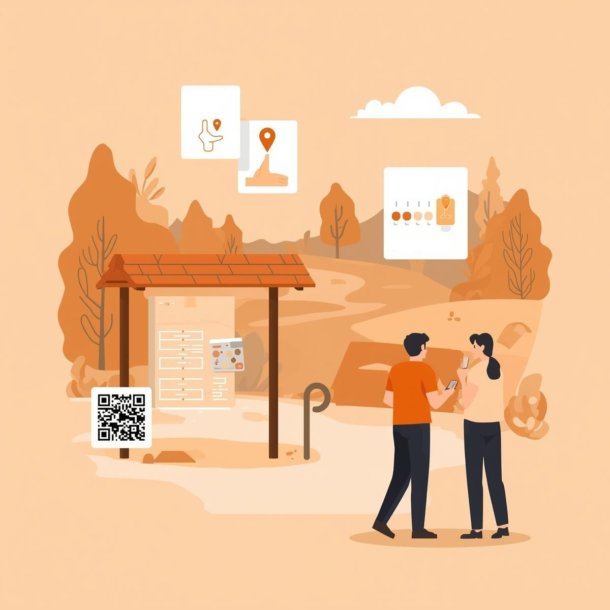 Water behaviors shift throughout the year, which means conservation messages must adapt to seasonal priorities. Water conservation districts often emphasize irrigation readiness, leak checks, and scheduling support in spring, then transition to peak demand reduction messaging during summer. Water management agencies align seasonal communications with drought stage changes, temperature-driven demand patterns, and supply conditions that can tighten quickly. Irrigation districts tailor seasonal outreach to operational needs and crop schedules, reinforcing efficiency practices during the periods of highest use and greatest risk of loss. Watershed organizations connect seasonal messaging to low-flow periods, habitat sensitivity, and watershed stress, helping the community understand why timing matters for both people and ecosystems.
Seasonal messaging reinforces long term behavior by making conservation feel timely rather than abstract. When people see guidance that reflects the conditions they experience in the moment, they are more likely to take action. A message about reducing sprinkler run time resonates more in July than in January. A reminder to check for leaks feels urgent when demand spikes. Aligning communication with seasonal context helps people understand why conservation matters right now and how their actions influence immediate conditions.
This seasonal cadence also provides natural opportunities for message renewal. Campaigns that evolve with each season maintain freshness without abandoning the core theme. Water agencies can revisit core behaviors while framing them in ways that match local conditions. Over time, people begin to anticipate seasonal messages, strengthening awareness and reinforcing conservation habits as part of the annual rhythm.
Spring Messaging: Preparing Communities for Shifting Water Conditions
Spring is one of the most influential periods for shaping conservation habits because residents begin planning landscaping, irrigation schedules, and seasonal maintenance. Water conservation districts often use this time to help customers prepare for likely dry-season conditions by promoting irrigation tune-ups, smart scheduling, and early leak detection. Water management agencies explain how spring conditions, such as low snowpack or early warming, can affect supply outlooks and demand expectations. Irrigation districts focus on readiness, emphasizing maintenance practices that reduce losses before peak season. Watershed organizations use spring to connect seasonal hydrology to later low-flow impacts, helping the public understand why early preparation supports summer resilience.
Spring communication builds long term behavior because it frames conservation as preparation rather than reaction. When water conservation districts provide early guidance, they help people adjust expectations for the year ahead. A customer who understands in April why demand reduction matters in June is more likely to adopt protective practices during peak season. A household that calibrates irrigation before summer begins typically uses less water overall. These early cues signal that conservation is part of an annual rhythm, not only an emergency response.
This season also supports habit formation. When water agencies introduce simple, manageable steps early, people have time to practice and internalize behaviors before restrictions tighten. Spring messaging becomes a gentle but powerful way to shape the decisions that define summer demand and fall recovery.
Summer Messaging: Managing Peak Demand and Visible Water Stress
Summer creates the most intense communication needs because demand often peaks and water stress becomes visible. Water conservation districts emphasize watering schedules, targeted outdoor irrigation reductions, and practical steps that protect supply reliability during the hottest weeks. Water management agencies communicate drought stage updates, rule changes, and clear “what to do now” guidance that reduces confusion when conditions shift quickly. Irrigation districts focus on efficient operations, reinforcing scheduling and maintenance practices that reduce losses during high-use periods. Watershed organizations highlight low-flow conditions and ecological stress, connecting community conservation actions to stream health and watershed resilience.
Summer messaging must be direct and consistent. During busy months, people make quick decisions in fast moving routines, which means agencies must communicate in ways that reduce cognitive load. Clear visuals, repeated cues, and plain language reminders help customers absorb information quickly. When water conservation districts maintain consistency across bills, alerts, websites, and customer interactions, they ensure the public receives reinforcement rather than mixed signals.
Summer also provides opportunities to highlight community progress. Sharing small success updates, such as reduced peak demand or increased program participation, sustains motivation. Even modest wins reinforce the idea that conservation is working, encouraging people to continue their efforts through the most water-intensive part of the year.
Fall Messaging: Transitioning From Peak Demand to Responsible Reset
Fall offers a natural moment for agencies to shift messaging from urgent demand reduction to reflective learning and preparation for future seasons. Water conservation districts use this season to share what was learned, reinforce the value of changes customers made, and encourage next steps like landscape adjustments or irrigation shutdown guidance where relevant. Water management agencies provide seasonal summaries and explain how conditions evolved, supporting public understanding of why certain decisions were made. Irrigation districts can focus on operational wrap-ups and improvements that reduce losses next season. Watershed organizations use fall to report on low-flow outcomes, habitat implications, and community actions that supported watershed resilience.
Fall messaging supports long term behavior because it invites communities to pause and reflect. When customers understand how their decisions contributed positively to reliability and resilience, they carry that sense of efficacy into the next year. When residents see the cumulative impact of water wise habits, they become more invested in continuing them. This period helps agencies transition from high-stress conditions into a future-oriented phase of communication.
Fall is also ideal for gathering feedback that strengthens next year’s campaign. People remember summer conditions clearly, which makes their reflections valuable for refining messages, improving visuals, and strengthening timing. Agencies that close the loop in fall build trust and anticipation for clearer seasonal communication in the following year.
Supporting Long-Term Behavior Change With Clear Calls to Action
Even the most compelling story or visual must lead to an actionable step. Water conservation districts develop calls to action that align with prioritized behaviors, such as checking irrigation schedules, requesting an audit, applying for rebates, or fixing leaks quickly. Water management agencies use calls to action tied to drought stage expectations, ensuring customers understand exactly what changes and what to do next. Irrigation districts provide operational steps that translate efficiency goals into practical actions. Watershed organizations connect conservation guidance to protective behaviors that support source waters and low-flow resilience.
Calls to action must be visible and easy to follow. Messages such as “Check your watering days today,” “Schedule a free irrigation review,” or “Report leaks and broken sprinklers here” give people a concrete task that fits into daily routines. Clarity reduces hesitation, and simplicity increases follow-through. When agencies pair calls to action with short how-to supports, examples, and reminders, they create pathways for continued engagement rather than one-time action.
Over time, calls to action become part of a larger behavioral framework. People begin to recognize the patterns agencies want them to adopt and anticipate what will be expected during different seasons and drought stages. When calls to action remain consistent across platforms, they become reliable signposts that anchor long term conservation habits.
Evaluating Campaign Impact to Strengthen Future Communication
Long term behavior change depends on continuous refinement, which means water agencies must evaluate which components of their campaigns are working. Water conservation districts track outcomes such as peak demand reductions, program participation, changes in outdoor use patterns, and shifts in public understanding through surveys, QR-based feedback prompts, and customer service trends. Water management agencies monitor compliance indicators, call volume patterns, digital engagement, and whether drought stage messaging reduces confusion during transitions. Irrigation districts evaluate adoption of efficiency practices, operational performance, and where communication improves consistency in field implementation. Watershed organizations assess engagement, partner participation, and whether outreach supports measurable improvements in awareness and protective behaviors.
Evaluation helps agencies understand whether messaging leads to measurable behavior change or whether adjustments are needed. If a community continues over-irrigating despite clear messaging, the district may need to refine visuals, adjust timing, or offer more practical supports. If customers consistently misinterpret a drought stage graphic, the design may need restructuring. Without evaluation, agencies risk repeating messages that feel intuitive internally but do not produce meaningful results externally.
Evaluation also strengthens internal alignment. When teams share data and discuss outcomes regularly, they build shared understanding about which strategies resonate. This collaboration keeps communication responsive rather than static. Over time, evaluation transforms campaign design into a continuous cycle of listening, learning, and improving, which supports long term behavior change.
Building Community Ownership of Conservation Messaging
When people feel they have a role in shaping conservation communication, they are more likely to support and repeat its messages. Water conservation districts build ownership by inviting customer stories, featuring neighborhood examples, and elevating practical tips that came from the community. Water management agencies can collaborate with local leaders, HOAs, schools, and community organizations to co-create messaging that reflects local norms and needs. Irrigation districts build ownership by working alongside users and operators to refine guidance that is both realistic and effective. Watershed organizations partner with volunteers, educators, and community advocates to bring local knowledge into storytelling and stewardship outreach.
Community ownership strengthens authenticity. Messages shaped by real experiences feel relatable and credible. They sound less like directives and more like shared commitments. This alignment between agency voice and community voice supports deeper connection to conservation goals and reduces resistance when changes feel challenging.
Ownership also increases reach. People share messages they feel connected to, especially when they see their own contributions reflected. A resident who helped refine watering guidance may share it with neighbors. A community group that participated in an outreach event may reinforce conservation tips through its own networks. These organic pathways extend campaign influence beyond official channels and strengthen long-term cultural adoption.
Strategic Communication Support for Your Water Conservation District
 Sustaining long term conservation behavior requires communication systems that are well structured, adaptable, and aligned with district goals. Many water conservation districts discover that while their teams bring deep expertise in programs, restrictions, and customer support, they may not have the internal capacity to maintain ongoing messaging frameworks that evolve across multiple drought cycles. Water management agencies face similar pressures when conditions shift quickly and communication must remain clear, consistent, and credible across many channels. Irrigation districts and watershed organizations also recognize that lasting behavior change depends on coordinated outreach, shared language, and repeatable tools that help staff communicate efficiently without losing accuracy or trust.
Because these challenges often exceed what internal teams can manage alone, many organizations choose to partner with an external resource like Stegmeier Consulting Group (SCG). SCG supports water conservation districts by helping them organize communication systems, clarify messaging priorities, and design repeatable structures that allow staff to sustain continuity across seasons. This partnership bridges the gap between strategy and execution, ensuring that conservation campaigns remain timely, consistent, and aligned with behavioral insight and community feedback.
When water conservation districts build communication systems with intentional design, they create campaigns that endure. SCG helps teams evaluate what is working, learn from customer feedback, and strengthen the clarity of messages that encourage lasting behavior change. With the right internal alignment and ongoing support, districts can deliver conservation guidance that remains consistent, credible, and effective across years, not just weeks or months.
Conclusion
Water conservation campaigns make the greatest impact when they move beyond awareness and into sustained behavior change. Water conservation districts, water management agencies, irrigation districts, and watershed organizations all rely on communication systems that help the public understand not only what to do but why their actions matter. By focusing on motivation, emotional connection, and clear guidance, water agencies create messages that resonate long after the first drought advisory appears. Long term engagement grows from communication that feels supportive, transparent, and grounded in local conditions and community priorities.
The most durable campaigns evolve with changing conditions and continue reinforcing core behaviors through multiple seasons. When districts refresh messaging, integrate community insight, and maintain consistency across platforms, they help people adopt conservation habits that become part of daily life. Effective water communication is not a one-time effort. It is an ongoing collaboration between water agencies and the communities they serve. When both sides participate in this partnership, lasting conservation becomes achievable.
Strong communication systems help bridge the gap between intention and action. They turn isolated reminders into reliable habits and transform customers and community members into active contributors to water protection. As environmental pressures grow, sustained behavior change becomes essential for resilient supplies, healthier watersheds, and stronger community trust.
SCG’s Strategic Approach to Communication Systems
Align your district’s messaging, processes, and public engagement strategies
Agencies that communicate effectively build stronger trust with staff, stakeholders, and the public. Whether you are implementing QR code systems, improving internal communication workflows, or strengthening agency-wide alignment, SCG can help you develop a communication system that supports consistent decision-making and long-term organizational success. Use the form below to connect with our team and explore how a strategic communication framework can elevate your agency’s impact.