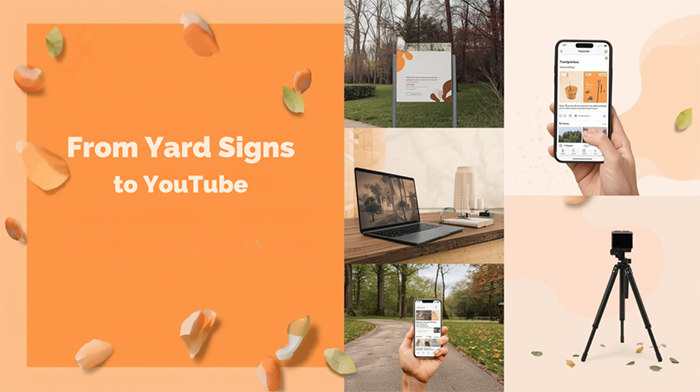
From Yard Signs to YouTube: Multi-Channel Outreach for Water Conservation
Water conservation outreach has expanded far beyond traditional methods, reaching customers and community members through field signage, billing and mail inserts, digital platforms, social media, and community based communication tools. Water Conservation Districts now integrate messages about water use into customer portals, drought stage dashboards, irrigation scheduling guidance, rebate applications, and community education programming. Districts also connect conservation guidance to local reliability goals through videos, how to resources, and practical demonstrations that show people exactly what to do at home. These overlapping modes of communication reflect a landscape where customers access information from multiple channels at the same time.
The challenge for Water Conservation Districts is not the number of tools available but how to use them cohesively. A customer who notices a yard sign about watering days may later encounter a related post on the District’s social media feed. A household that watches an educational video about drought resilience may receive a bill insert that reinforces the same actions, then see a matching drought stage graphic on the District website. If these channels align, communication feels intentional and supportive. If the tone, visuals, or explanations differ, people may become confused about what is required, what is recommended, or why guidance matters. Multi channel outreach succeeds only when the system feels consistent across formats.
Understanding how customers interpret and move between different communication channels helps Water Conservation Districts design outreach that is clear and dependable. A balanced system uses each channel for what it does best, connecting broad education with specific, time sensitive instructions tied to drought stages, heat events, and program deadlines. Multi channel outreach strengthens follow through, reduces complaints, and builds trust by helping customers see themselves as part of a shared conservation effort. When Districts coordinate tools strategically, they transform fragmented updates into a unified, customer centered communication experience.
Why Multi-Channel Outreach Matters for Water Conservation
 Customers do not rely on a single source of information when making decisions about water use. Water Conservation Districts often see that some customers respond best to printed materials like bill inserts or mailers, while others rely on email, text alerts, or social media updates. Many customers want a simple, visual explanation of what stage the community is in and what actions are expected. Others prefer deeper guidance through web articles, short videos, or step by step how to resources for irrigation tuning, leak checks, and rebate participation. These patterns show why multi channel outreach is essential for reaching the full range of customers effectively.
Multi channel outreach creates redundancy that reinforces understanding. Customers may see one message during seasonal planning, another during a heat driven demand spike, and another when they review a bill or open a District alert. Repetition across channels increases retention and reduces the cognitive effort required to interpret drought stages, watering schedules, and program requirements. When customers encounter the same reasoning multiple times, they are more likely to internalize the message and adopt the desired behavior. This layered reinforcement is especially important during drought cycles and high demand periods when conservation stakes are elevated.
Multiple channels also help Water Conservation Districts reach customers with different needs and abilities. A customer who struggles with dense policy language may benefit from a short video or a simple stage graphic. Another who prefers printed guidance may rely on mailers and bill inserts. Households with children may respond better to visual formats and quick actions that are easy to repeat. Local partners, schools, and community organizations can also amplify District messages in trusted settings. Districts that embrace this diversity create communication systems that are more inclusive, more accessible, and more responsive to real customer behavior.
From Scarcity to Sustainability: Effective Communication Strategies for Water Conservation Agencies
This article is part of our series on strategic communication for Water conservation agencies. To learn more and to see the parent article, which links to other content just like this, click the button below.
Understanding Customer Pathways Through Communication Channels
Customers move through communication channels in recognizable patterns that Water Conservation Districts can anticipate. Many begin with digital tools such as the District website, drought stage dashboards, customer portals, or search engines. Others first encounter information through neighborhood sources such as HOA updates, community newsletters, local social media groups, or school communications that reference watering schedules and conservation expectations. During heat events or restriction changes, many customers shift quickly to real time streams such as text alerts, email updates, social posts, and local news coverage to confirm what is required and when.
These pathways matter because each touchpoint shapes expectations. If the first message is unclear or inconsistent, customers may form assumptions that collide with later communications, including bill inserts, enforcement notices, or field signage. When District messaging aligns from the start, customers build accurate mental models of current conditions, what actions are required, and what behaviors are recommended. Consistency across early touchpoints also reduces frustration when a customer encounters a schedule reminder, a rebate deadline, or a restriction notice later in the season. People who feel prepared adapt more quickly and respond with greater understanding.
Mapping customer pathways also helps Districts identify gaps. A message that appears only on a website may never reach customers who rely on mailed materials or community word of mouth. Conversely, a social media campaign may miss customers who do not use those platforms and depend on bill inserts or local radio for updates. By understanding how customers move from awareness to action, Districts can design communication that meets people where they are. This strengthens operational efficiency, reduces avoidable calls, and supports long term trust.
The Role of Field Signage and Yard Signs in Community-Level Communication
Field signage remains a cornerstone of conservation outreach because it reaches customers where decisions and habits form. Water Conservation Districts use yard signs to reinforce watering days, drought stages, and simple action reminders. Districts also rely on signage at demonstration gardens, rebate partner sites, community events, and public facilities where people are already thinking about landscaping, irrigation, and seasonal maintenance. In some service areas, temporary signage supports neighborhood campaigns such as leak check weekends, irrigation tune up reminders, or heat week demand reduction asks.
Physical signs work well because they make conservation visible in the places where water use actually occurs. A sign positioned near a neighborhood entrance or along a common commute route keeps expectations present without requiring a screen. Yard signs also reinforce the idea that conservation is shared, not isolated to individual households. These signs become visual anchors that support digital messaging by echoing the same tone, colors, and phrasing used online. When customers encounter consistent cues across touchpoints, they experience the communication system as unified and dependable.
Signage also supports accessibility. Not every customer uses smartphones consistently, and some service areas have uneven connectivity. Physical signage ensures essential information is available regardless of digital access. Thoughtful design supports varied reading levels, language needs, and visual abilities, especially when paired with simple icons and short phrases. When Districts invest in clear, accessible signage, they reduce confusion and create equitable access to conservation guidance.
How YouTube and Video Content Expand Customer Understanding
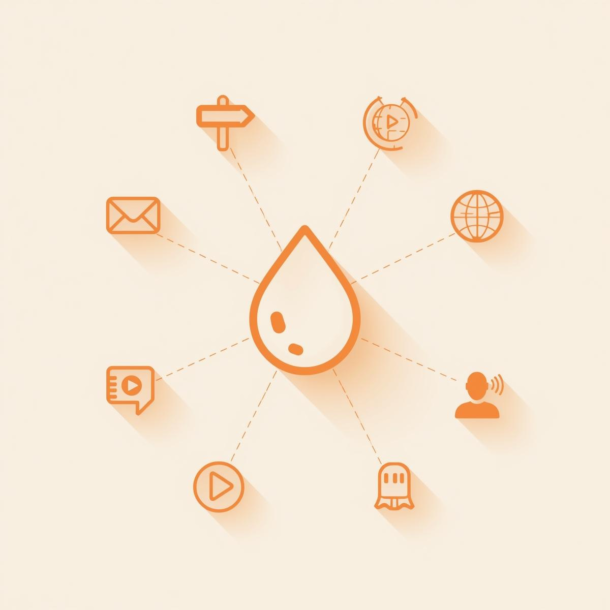 Video is a powerful medium for conservation outreach because it blends visual demonstration with clear explanation. Water Conservation Districts can use YouTube to show how to set irrigation controllers, identify common sprinkler waste, check for leaks, and choose drought smart landscaping practices. Video is also effective for explaining why drought stages change, what triggers restrictions, and how peak demand strains system reliability. When customers can see the steps and the reasoning, the guidance feels more practical and more credible.
Video deepens understanding by showing processes customers cannot easily observe, such as groundwater recharge lag time, seasonal demand curves, and how distribution constraints can appear during high heat even when supply looks stable. Video also supports emotional connection when it highlights real staff, local conditions, and real consequences. When customers connect emotionally to a message, they retain it longer and apply it more consistently across the season.
YouTube and similar platforms extend communication beyond a single moment. Customers can watch content before seasonal start up, share it with neighbors, and revisit it when they need a refresher. This ongoing availability strengthens learning over time and supports long term stewardship. When integrated with stage dashboards, bill inserts, and social content, video becomes a key element of a cohesive multi channel conservation strategy.
Leveraging Social Media for Real-Time Updates and Community Engagement
Social media allows Water Conservation Districts to communicate quickly as conditions change. Districts use posts, stories, and short videos to share drought stage updates, heat week demand reduction asks, temporary guidance changes, and program reminders such as rebates, workshops, and leak repair resources. These platforms help Districts adapt messaging in near real time, which is especially important when forecasts shift, demand spikes, or community questions surge.
Real time communication is valuable when conditions change faster than printed materials can keep up. A schedule reminder that was sufficient early in the season may need reinforcement during an extreme heat stretch. Social platforms also help Districts correct misinformation before it spreads, especially when rumors circulate about what is allowed or whether restrictions still apply after rainfall. When Districts maintain consistent tone and consistent “why” across posts, followers learn to trust that updates reflect current realities rather than outdated guidance.
Social media supports two way engagement. Customers ask questions, share observations, and flag confusing messages. These interactions help Districts see where instructions need simplification, where visuals need improvement, and which misconceptions are rising. When Districts treat social media as a conversation rather than a broadcast channel, they build stronger relationships with the community. This leads to higher cooperation during drought cycles and increased willingness to adopt conservation behaviors.
Email, Newsletters, and Customer Portals as Pre-Season and Pre-Decision Communication Tools
Email communication helps Water Conservation Districts set expectations before peak demand begins. Districts use seasonal kickoff emails to explain drought stage status, watering schedules, and the most important behaviors to adopt first. Newsletters highlight practical actions, upcoming programs, and links to how to resources. Customer portals and usage reports can reinforce personalized guidance by connecting conservation actions to individual patterns, such as irrigation timing, leak indicators, or seasonal consumption shifts.
Pre season and early season communication reduces friction later. When customers already understand the schedule, the reasoning behind it, and where to find updates, they are less likely to feel blindsided by enforcement messages or mid season restrictions. Early messaging also helps households plan, such as adjusting controllers, checking systems, and scheduling upgrades before heat arrives. When expectations align with conditions, the customer experience feels smoother and more predictable.
These channels also allow more nuance than a yard sign can provide. Districts can include brief context, link to short videos, and direct customers to the most current guidance page. This additional depth helps customers connect immediate actions to long term reliability and community outcomes. Integrating conservation messaging into standard customer communications ensures that people encounter the reasoning behind guidance before they feel pressured by changing conditions.
The Role of Websites and Interactive Tools in Modern Conservation Outreach
A website often serves as the backbone of a multi channel communication system. Water Conservation Districts use their websites to house drought stage information, watering schedules, FAQs, rebate details, and clear guidance pages that distinguish what is required from what is recommended. Interactive tools such as stage dashboards, watering day lookups, rebate finders, and simple calculators help customers make quick decisions with confidence.
Interactive tools strengthen understanding by making complex information easier to visualize. A stage gauge or a schedule lookup reduces confusion, especially when rules differ by zone, address, or season. Clear visuals help customers understand where they fit in the guidance and what to do next. These tools also reduce inbound calls by answering common questions in a format customers can absorb quickly.
Websites also help maintain consistency across channels. Social posts, yard signs, videos, and emails can all direct customers to one central page for the most current information. This reduces the risk of outdated messages circulating and creates a system that feels stable and reliable. When customers know where accurate information lives, they navigate drought stages and program decisions with greater clarity.
How District Staff Reinforce Multi-Channel Messaging
Staff connect the digital and physical communication ecosystem. Water Conservation Districts rely on customer service teams, conservation specialists, outreach staff, and field personnel to answer questions, clarify expectations, and explain the reasoning behind guidance. Field staff can reinforce messaging during site visits, audits, or community events. Customer service teams translate stage language into practical next steps. Outreach staff use workshops and demonstrations to help customers feel confident making changes.
Staff humanize communication in a way digital tools cannot. Many customers accept guidance more readily when it is explained respectfully by a knowledgeable person who understands local conditions and household constraints. Staff can also detect confusion in real time and surface patterns, such as which parts of a watering schedule are misunderstood or which rebate steps feel unclear. This feedback loop helps Districts improve the system continuously, not just the content.
Staff also help identify communication gaps. If customers repeatedly ask the same question, it may indicate that the website needs a clearer headline, a bill insert needs simpler language, or a social graphic needs a better visual hierarchy. Districts that treat staff insights as part of the communication system build continuous improvement into outreach. Over time, this strengthens operational workflows and public trust.
Balancing Authority and Collaboration Across Communication Channels
Each communication channel carries a subtle tone. Websites often feel formal. Social media leans conversational. Yard signs signal brevity and clarity. Videos create emotion and learning. Water Conservation Districts benefit from managing these tonal differences so authority and collaboration stay balanced. Drought stages, schedules, and enforcement requirements require firmness. Long term conservation and efficiency programs depend on voluntary cooperation and community partnership.
Balancing tone across channels prevents mixed messages. A clear rule explained with respectful purpose on a website can feel undermined if a related yard sign sounds abrupt or accusatory. A collaborative social post can feel inconsistent if a customer receives a notice that reads like punishment without context. Districts that align tone across platforms create communication that feels unified and trustworthy. Customers respond better when messaging reflects consistent respect, clarity, and purpose.
Good tone management also influences behavior. When customers interpret messages as cooperative rather than punitive, they are more likely to adjust behavior voluntarily and to stay engaged across the season. Tone becomes a strategic tool that shapes perception and strengthens shared stewardship. Districts that balance authority with collaboration help customers feel guided rather than controlled, which supports both compliance and long term trust.
Why Yard Signs Still Matter in a Digital World
Yard signs remain effective because they operate in highly visible neighborhood environments where digital messages may not reach. Water Conservation Districts use them to promote watering schedules, drought stage awareness, and simple actions like “Fix leaks fast” or “Water only on your days.” Their physical presence reinforces that conservation is a shared local responsibility, not a remote policy concept.
Unlike digital messages that customers may scroll past quickly, yard signs provide steady reminders in familiar settings. They anchor guidance in the physical environment where outdoor water decisions occur. Over time, these repeated visual cues support social norming. People begin to expect schedule adherence and visible efficiency as normal community behavior. When customers encounter the same message through both yard signs and digital campaigns, repetition strengthens comprehension and follow through.
Yard signs are also accessible. They communicate one core message at a time without requiring a device or an account. This clarity reduces confusion about restrictions and best practices. Even in communities with high digital engagement, yard signs remain reliable behavioral prompts that reinforce District priorities.
Short Video Content and the Rise of Conservation Storytelling
Short videos allow Water Conservation Districts to present conservation as practical, personal, and visually engaging. Districts can use short clips to show quick irrigation fixes, explain why stage actions matter, and demonstrate how small household changes protect community reliability. Short content is also well suited for highlighting real people, local landscapes, and community progress, which helps conservation feel relevant instead of abstract.
Video builds connection in ways written messages cannot. Seeing a conservation specialist explain a stage shift, or watching a simple controller adjustment, makes guidance feel less arbitrary and more achievable. People remember what they see. When customers understand the “why” through visuals and storytelling, they are more likely to stick with conservation behaviors beyond a single reminder.
Short form platforms also expand reach. Customers who may not read longer email updates will often engage with a thirty second video. The shareability of video helps messages travel through personal networks, not just official channels. When customers repost or forward content, conservation guidance moves faster and farther across the community.
Radio, Local News, and Community Bulletin Boards as Traditional Touchpoints
Traditional channels remain important, especially in communities with limited internet connectivity or customers who prefer familiar media. Water Conservation Districts partner with local radio and regional news outlets to share drought stage updates, heat week messaging, and urgent guidance. Community bulletin boards at libraries, community centers, hardware stores, and local businesses can reinforce schedules, program reminders, and workshop announcements.
These touchpoints carry credibility because they feel community centered and longstanding. When District messages appear on local radio or in neighborhood publications, they land as part of the community conversation. This can increase trust among customers who are less engaged online. These channels also reduce barriers for customers who may struggle with digital literacy, by meeting them where they already get information.
Traditional outlets are also valuable during fast changing conditions. If a major heat event triggers a demand reduction ask, local radio can help reach a broad audience quickly. Districts that integrate these channels into their strategy create a more resilient outreach system that keeps the community informed across different preferences and access levels.
Community Workshops and In-Person Outreach as Relationship Builders
In-person outreach builds relationships that digital tools cannot replace. Water Conservation Districts host workshops on irrigation efficiency, drought smart landscaping, leak detection, and rebate participation. Demonstration gardens and community events create hands on learning that helps customers feel confident changing habits. In-person formats also support customers who need practical help, such as understanding controller settings, identifying sprinkler overspray, or selecting lower water plant options.
Face to face engagement helps customers see the people behind the guidance. When residents meet District staff, hear local context, and ask direct questions, conservation feels more collaborative than restrictive. Workshops allow deeper explanation than a yard sign can provide. They also surface misunderstandings early, before frustration hardens into resistance. These conversations become part of a larger communication ecosystem where learning flows in both directions.
Workshops strengthen long term support. Customers who feel included are more likely to participate in programs, adopt practices, and share guidance with neighbors. Over time, these relationships help conservation become part of community identity rather than a temporary response. When Districts invest in relationship building, the entire communication ecosystem performs better.
When Multi-Channel Communication Fails. Gaps, Overload, and Inconsistency
Even strong communication systems can break down when messages across channels do not align. Common problems include conflicting schedule information, outdated web pages, inconsistent drought stage language, or partner organizations sharing different guidance. A District may update the website while an older mailer remains in circulation. Social posts may reference a restriction that a customer service script has not been updated to explain. Information overload can also occur when too many messages go out at once, causing customers to miss the most important action steps.
Breakdowns create frustration for customers who are trying to comply. When people encounter contradictory information, they may assume guidance is arbitrary or poorly managed. This undermines cooperation, increases complaints, and can escalate conflict during enforcement periods. Districts protect trust by prioritizing internal coordination and maintaining disciplined systems for updating content promptly across all platforms.
A successful multi channel strategy requires strong internal workflows, not just polished public content. Districts that audit channels regularly, assign clear ownership for updates, and integrate communication into operational decision making avoid common pitfalls. When channels reinforce each other rather than contradict each other, customers feel supported and confident. This alignment strengthens public understanding and improves conservation outcomes.
Coordinating Messages Across Departments and Partners
A multi channel outreach system succeeds only when internal teams and external partners communicate the same core messages. Water Conservation Districts often coordinate with cities, utilities, public works departments, HOA networks, landscaper partners, school districts, and community organizations whose messaging reaches broad audiences. Without coordination, each partner may share updates independently, creating contradictions that confuse customers and weaken trust.
Alignment strengthens credibility. When customers hear the same schedule and the same reasoning across emails, yard signs, videos, websites, and partner channels, they are more likely to believe the guidance is current and legitimate. Misalignment erodes confidence quickly, especially when customers compare notes across neighborhoods or social groups. Coordination also avoids duplicated effort. Shared templates, shared graphics, and shared messaging frameworks streamline communication while protecting clarity.
Good coordination requires clear workflows. Districts that establish routine check ins, shared content calendars, and simple approval paths ensure that updates reach the public quickly and consistently. When teams treat communication as a core operational function, the outreach system performs better. Customers notice when a District speaks with a unified voice, and they are more willing to adopt conservation behaviors when messaging feels organized and reliable.
Creating Messaging That Reflects Local Culture and Community Values
Water conservation resonates differently depending on local culture, landscaping norms, and community priorities. Water Conservation Districts serving agricultural communities often communicate through a lens of livelihood, stewardship, and seasonal cycles. Districts serving dense suburban or urban neighborhoods may need messaging that addresses HOA expectations, property pride, and fairness across customer groups. Messages that feel effective in one area may feel out of touch in another if they do not reflect local identity and lived realities.
Tailoring messages to community values reduces resistance. Referencing locally familiar landscapes, shared community concerns, or the desire to avoid stricter drought stages can turn a generic instruction into a message grounded in meaning. Connecting conservation to protecting neighborhood reliability, supporting local firefighting readiness, or sustaining community stability creates emotional relevance. People respond more positively when they recognize their own priorities in the guidance.
Developing locally aligned messaging requires listening. Districts that gather input from residents, community groups, service partners, and local leaders learn what resonates and what triggers pushback. This listening informs both content and delivery. In some communities, workshops and in-person demonstrations are most effective. In others, concise digital updates and strong visuals work best. When Districts ground outreach in community identity, they strengthen trust and improve long term cooperation.
The Role of Visual Branding in a Multi-Channel Water Conservation Campaign
Consistent visual branding ties together messages delivered across platforms. Water Conservation Districts benefit from recognizable graphics, consistent icons, and a stable color system that helps customers identify drought stage information quickly. When yard signs, social graphics, videos, bill inserts, and web pages share a visual language, customers process information faster and feel more confident that messages are connected and current.
A unified visual identity reduces cognitive load. When customers see the same stage gauge style or the same schedule layout across channels, they can interpret information at a glance. This reduces confusion during rapid changes and prevents the “Which version is correct” problem that emerges when different partners design materials independently. Strong visual branding anchors the communication system and strengthens recognition across channels.
Branding also shapes tone. A harsh visual style can make guidance feel punitive. A friendly and clear design can convey collaboration while still communicating authority. Districts that design branding with both clarity and emotional impact in mind help customers engage more positively. When branding supports comprehension and trust, communication becomes more effective across every channel.
Developing Communication Content That Adapts to Changing Water Conditions
Water conditions can shift quickly, which means communication must evolve at the same pace. Water Conservation Districts respond to drought cycles, heat driven demand spikes, supply constraints, and operational realities that require timely guidance. A system that cannot adapt risks circulating outdated schedules, unclear stage language, or mismatched program details that undermine customer confidence.
Districts that build adaptability into workflows respond more effectively. This includes maintaining templates for digital updates, printed materials, and social posts that staff can revise quickly. It also includes protocols for internal coordination so teams know when to update the website, when to push alerts, and how to synchronize customer service scripts. When workflows support rapid updates, gaps shrink and trust grows.
Adaptability also includes tone. When conditions worsen, communication must increase urgency without escalating conflict. When conditions improve, messaging must avoid implying unlimited water availability. Customers appreciate honesty and steadiness, especially when they know decisions reflect current data. Districts that communicate with balanced clarity sustain cooperation across changing conditions.
How Districts Measure the Impact of Multi-Channel Communication
Evaluating communication performance helps Water Conservation Districts improve over time. Districts track website traffic, stage dashboard usage, email open rates, text alert engagement, video views, and social interactions. They also track operational indicators such as call volume patterns, complaint themes, program participation, and field compliance trends tied to schedules or restrictions. These signals reveal which channels are reaching customers and where additional reinforcement is needed.
Qualitative feedback matters too. Customer service teams and field staff often hear directly where customers are confused or where a message landed well. Districts that capture this feedback and fold it into planning strengthen the system continuously. Listening helps identify whether messaging is too complex, visually unclear, or distributed through the wrong channel at the wrong time. It also reveals emotional responses that influence cooperation.
Measuring impact supports smarter strategy. If short videos consistently outperform text updates, Districts can shift effort toward visual explanation. If yard signs drive noticeable improvements in neighborhood compliance, Districts can expand sign programs strategically. When Districts evaluate, learn, and adjust, they build an outreach system that stays responsive to both environmental needs and customer realities.
Strategic Communication Support for Your Water Conservation District
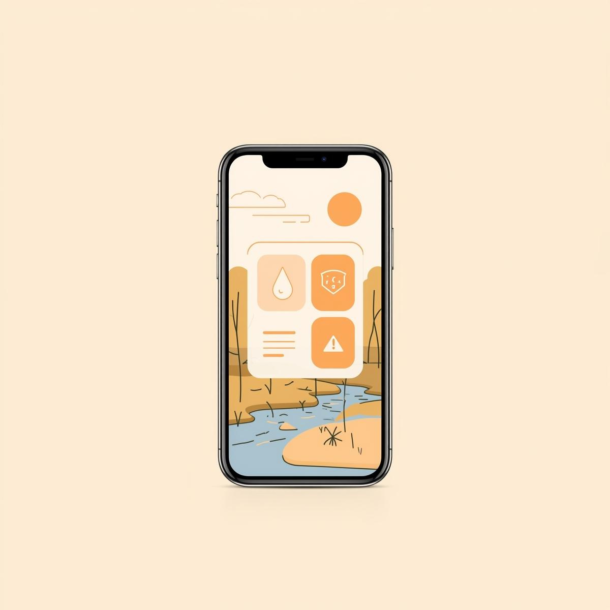 Multi channel conservation outreach demands clarity, consistency, and the ability to adapt quickly as conditions change. Many Water Conservation Districts choose to partner with an external resource like Stegmeier Consulting Group (SCG) because building and maintaining a cohesive communication system is a significant undertaking. Districts must coordinate messaging across field signage, customer communications, digital platforms, partner organizations, and community spaces. They must also ensure that each channel communicates with the right tone and the right level of detail, especially when conditions shift from week to week.
SCG supports Districts by helping them develop communication systems that are cohesive, scalable, and grounded in research based strategy. Rather than treating each channel as separate, SCG helps structure a communication ecosystem where websites reinforce alerts, printed materials mirror digital guidance, and program outreach aligns with operational priorities. This approach reduces friction for staff and strengthens clarity for customers. Districts often find that once the communication foundation is in place, conservation messaging becomes more intuitive and far more effective.
Working with SCG supports stronger internal workflows, clearer message design, and a tighter link between what Districts intend and what customers actually understand. With consistent messaging and better update processes, Districts are better equipped to respond to changing conditions, reduce confusion, and cultivate long term stewardship across the community.
Conclusion
Multi channel communication is now essential to successful water conservation outreach. Customers move between yard signs, videos, emails, websites, radio updates, community conversations, and direct support from District staff. When these channels operate independently, messages become fragmented and confusing. When they function as a coordinated system, each channel reinforces the others and strengthens understanding. Water Conservation Districts benefit from communication ecosystems that blend clarity with adaptability, ensuring that customers receive accurate, meaningful guidance no matter where they encounter it.
The strength of a multi channel approach is its ability to meet customers where they are. Some rely heavily on digital platforms. Others trust printed materials and traditional media. Many respond best to practical demonstrations and human conversation. By respecting these preferences, Districts build trust and encourage broader participation in conservation programs and drought stage actions. Each channel becomes part of a larger narrative about shared responsibility, reliability, and community resilience.
As conditions continue to evolve, Districts must remain thoughtful in how they structure and deliver messages. A well balanced communication system does more than inform. It reduces conflict, strengthens community cooperation, and creates lasting support for conservation initiatives. When Districts approach outreach holistically, water conservation becomes a shared commitment supported by clear, consistent, and respectful communication.
SCG’s Strategic Approach to Communication Systems
Align your district’s messaging, processes, and public engagement strategies
Water conservation districts that communicate effectively build stronger trust with staff, stakeholders, and the communities they serve. Whether you are implementing QR code systems, improving internal communication workflows, or strengthening district wide alignment, SCG can help you develop a communication system that supports consistent decision making and long term organizational success. Use the form below to connect with our team and explore how a strategic communication framework can elevate your district’s impact.