
Wildlife Education as a Communication Strategy: Turning Safety Messages Into Teachable Moments
Across parks and recreation settings, outdoor recreation departments, wildlife agencies, and park districts, one communication challenge appears again and again. Visitors frequently encounter wildlife without fully understanding the behaviors, risks, or ecological needs of the animals they are observing. Safety messages often attempt to bridge this gap. Yet warnings alone rarely inspire lasting behavior change. People may comply temporarily, but they do not always remember why certain rules exist or how their actions impact the broader environment.
Wildlife education transforms these moments. Instead of simply telling visitors what not to do, agencies can help them understand the natural behaviors that motivate safety guidelines. When a message teaches rather than only cautions, visitors make better decisions. They also develop a sense of connection to the land and its species. This emotional grounding strengthens stewardship and produces safer interactions for both people and wildlife.
Parks and recreation agencies increasingly recognize that effective communication does not separate safety from learning. Outdoor spaces have become classrooms that can reinforce ecological literacy, strengthen family engagement, and encourage responsible recreation. Wildlife agencies, in particular, have discovered that when visitors learn the reasoning behind a rule, their likelihood of following it rises dramatically. Safety becomes a shared responsibility rather than a directive imposed by an authority.
This article explores how agencies can turn routine wildlife safety messages into meaningful teachable moments. By weaving education into communication systems, organizations can influence long term behavior, improve safety outcomes, and enhance visitor experiences across diverse landscapes.
Why Wildlife Safety Messages Often Fail Without Education
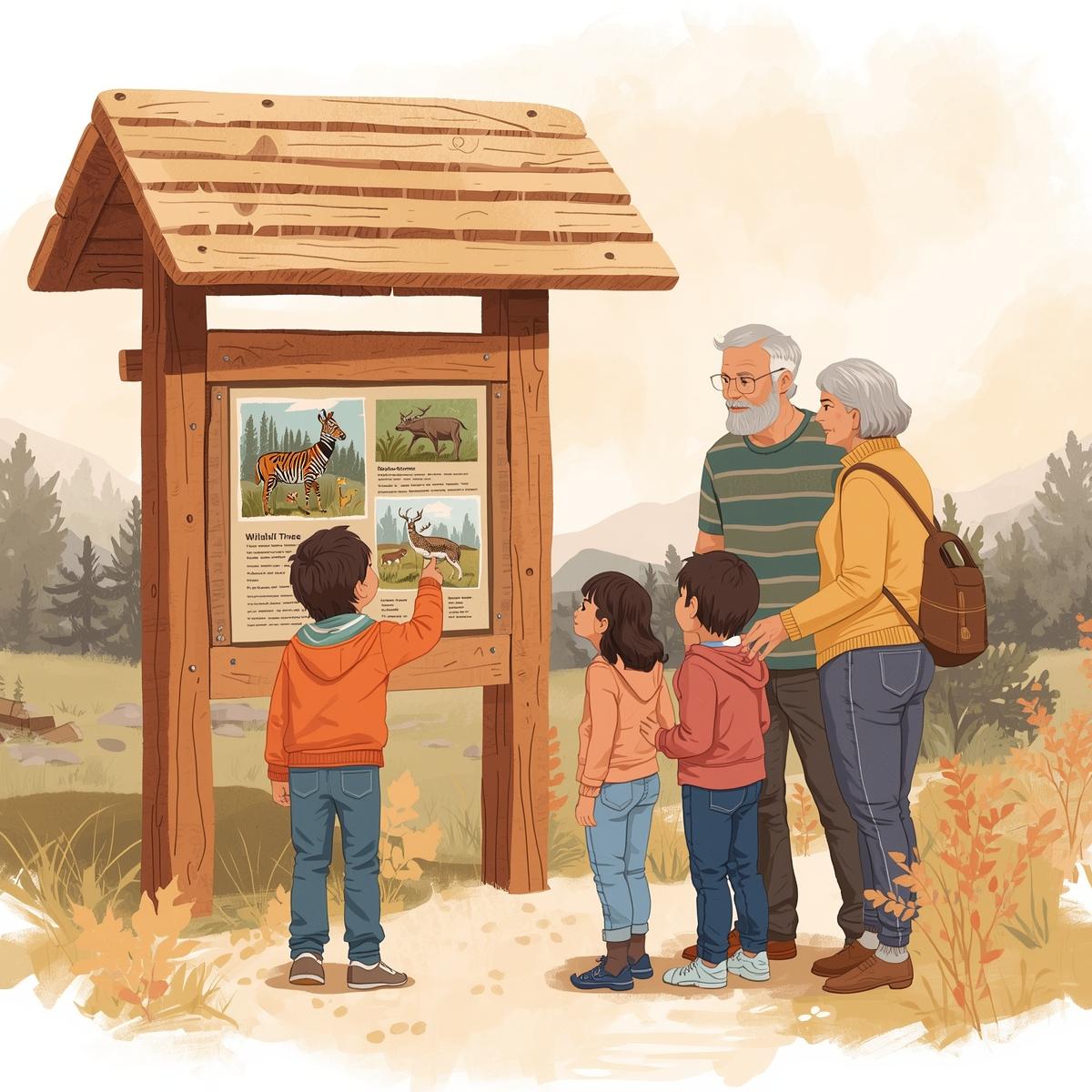 Visitors encounter wildlife while hiking, fishing, camping, boating, birdwatching, driving through natural areas, or simply picnicking at a recreation site. Many believe they already understand how to behave around animals. Some see themselves as experienced outdoorspeople. Others assume wildlife encounters will be harmless. Still others underestimate the stress caused by human proximity. Without education, these assumptions shape decisions that may place both people and animals at risk.
Parks and recreation agencies often rely on signs or ranger instructions to communicate safety rules. These messages tend to focus on maintaining distance, securing food, respecting habitat boundaries, or avoiding surprise interactions. Yet visitors do not always perceive these rules as essential. Some see them as overly cautious. Others are unsure whether the rules apply to particular species. Visitors who perceive themselves as responsible may assume they are exempt from restrictions. Without deeper understanding, safety guidance can be misinterpreted as mere suggestion.
This disconnect emerges because safety messages that lack educational context do not resonate with the visitor’s existing mental models. Wildlife agencies have found that people respond more positively when communication explains the natural behaviors behind the rule. For instance, visitors respond differently when told “Do not feed wildlife” compared with an explanation such as “Feeding wildlife causes them to lose their natural foraging instincts, which increases aggression and decreases survival.” The second message reveals the why. Visitors often comply more consistently when they understand the impact of their actions.
Outdoor recreation departments also observe that visitors interpret safety cues emotionally. If a rule feels accusatory or restrictive, resistance increases. If a rule feels informative, curious, or supportive, compliance rises. Education reframes a rule as an invitation to better understand the natural world. This shift strengthens both emotional connection and responsible behavior.
The underlying challenge is that rules alone are not persuasive. Education transforms them into meaningful choices that visitors willingly adopt.
From Trails to Tweets: Effective Communication Strategies for Parks, Recreation, Outdoors, and Wildlife Agencies
This article is part of our series on strategic communication for Parks, Recreation, Outdoors, and Wildlife agencies. To learn more and to see the parent article, which links to other content just like this, click the button below.
The Cognitive Science Behind Teachable Moments in Outdoor Spaces
Visitors absorb information differently while outdoors. Their attention is divided among scenery, family conversations, physical movement, and sensory experiences. Wildlife encounters feel immediate and exciting, which heightens emotional engagement. Cognitive science shows that people learn more effectively during moments that feel personally relevant. A teachable moment occurs when curiosity is high and the visitor feels directly connected to a situation.
Parks and recreation agencies can leverage these moments. When a family spots wildlife near a trail, they are primed for information. Their interest is already activated. A brief educational message placed nearby can deepen understanding instantly. Wildlife agencies have long used this psychological principle in interpretive design. Messages that connect an observed behavior to a simple explanation become memorable. A visitor who reads about how young animals rely on camouflage and distance from humans is more likely to stay back quietly. They understand their role in the encounter.
Outdoor recreation departments can support teachable moments by designing communication that matches how people process ideas. Short phrases work better than long paragraphs. Visual cues support memory. A friendly tone lowers emotional resistance. These design choices influence retention. When visitors remain calm, curious, and receptive, they absorb safety messages more fully.
Another cognitive factor is narrative structure. People remember stories more easily than instructions. If communication describes how an animal responds to stress or explains a behavior through a simple narrative, visitors internalize the message. They become more willing to modify their actions because they see themselves as part of the story. This connection strengthens stewardship and reduces risky behavior.
By understanding how attention, emotion, and memory work together, agencies can design wildlife communication that turns spontaneous encounters into meaningful educational experiences.
Transforming Warnings Into Learning Opportunities
Many wildlife safety messages take the form of caution signs. They warn visitors not to approach certain species, not to leave food unattended, or not to trespass into sensitive areas. While warnings are necessary, they often feel abrupt. They may even trigger defensiveness, especially among visitors who pride themselves on being experienced or responsible in the outdoors.
A more effective approach blends caution with curiosity. Parks and recreation agencies increasingly pair warnings with educational content that helps visitors understand the ecological or behavioral reasons behind the risk. This approach reframes the message as guidance rather than reprimand. Visitors feel respected and included in the stewardship mission.
For example, instead of stating, “Do not approach wildlife,” a sign might explain, “Wildlife protects their young by creating distance from people. Approaching too closely can cause animals to flee, abandon a nest, or respond defensively.” Outdoor recreation departments find that when visitors learn about protective instincts, they become more willing to modify their behavior.
Wildlife agencies often use storytelling to support this blending of enforcement and education. They may describe how a particular species reacts to human presence or how seasonal cycles affect stress levels. These details help visitors understand the broader context behind the rule. The result is improved compliance because visitors feel personally connected to the information.
This transformation of warnings into learning moments turns compliance into cooperation. Visitors adopt safer behaviors not because they are forced but because they understand the ecological importance of their choices. Education provides meaning. Meaning encourages commitment.
How Wildlife Education Supports Family Friendly Communication
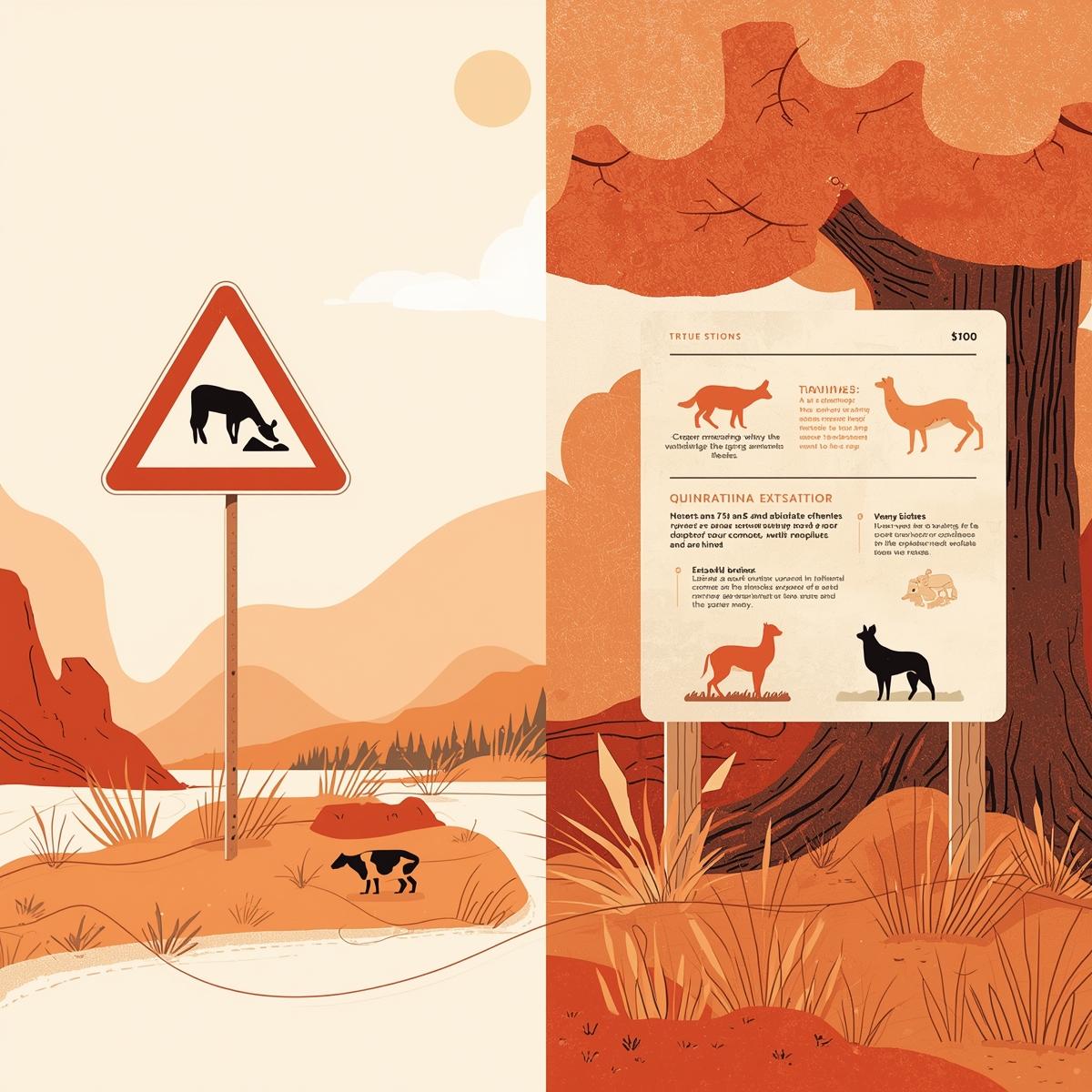 Families are among the most common visitor groups in parks, wildlife refuges, and trail systems. Parents, children, and grandparents often interpret wildlife encounters differently, which means agencies must design communication that resonates across generations.
Parks and recreation agencies observe that parents focus on safety and clarity. They want to know how far to stay from wildlife, which areas are safe to observe from, and what behaviors might startle an animal. When educational messages support these needs, parents feel more confident. Messaging becomes a tool that strengthens family decision making.
Wildlife agencies also note that children respond strongly to visual learning. Illustrations, simple explanations, and friendly animal graphics help children understand concepts like habitat protection, quiet observation, or respectful distance. When children learn these ideas, families adopt them together. Education becomes a shared experience.
Outdoor recreation departments often design signage with older adults in mind as well. Grandparents appreciate clear distances, predictable guidance, and explanations that support slower, more intentional movement. Educational content helps them feel informed without being overwhelmed.
By weaving wildlife education into safety communication, agencies create inclusive systems that support every member of a family. Children learn stewardship principles early. Parents feel informed. Older adults feel reassured. These outcomes strengthen visitor satisfaction while promoting safer interactions.
Designing Educational Messages That Support Safe Wildlife Viewing
The structure of an educational message shapes how visitors interpret it. Wildlife agencies and park districts that design communication intentionally achieve better outcomes. Messages should be concise, emotionally grounded, and easy to interpret.
A strong educational message often follows a simple pattern. It identifies a behavior, explains the reason behind the rule, and highlights the visitor’s role in supporting the environment. For instance, “Keep a safe distance from nesting birds. Sudden movements can cause parents to abandon their young. Give them space so they can thrive.” This format connects behavior to purpose and places the visitor in a meaningful role.
Parks and recreation agencies sometimes add small narrative elements to enhance retention. Describing how a species hunts, nests, or migrates helps visitors see the connection between their behavior and the animal’s needs. Visitors are more likely to comply when they feel connected to the story.
Outdoor recreation departments also consider tone carefully. Messages that are calm, informative, and supportive reduce defensiveness. Messages that feel punitive or controlling can trigger resistance. Simple adjustments in tone can transform a message’s reception.
The final element is consistency. Educational messages must appear at predictable intervals and align with other communication tools, such as digital platforms, ranger talks, or interpretive programs. When messaging remains consistent across channels, visitors internalize expectations more easily, which improves safety outcomes.
Supporting Risk Awareness Without Creating Fear
Wildlife encounters often bring excitement, curiosity, and a sense of wonder. The challenge for parks and recreation agencies and wildlife agencies is to communicate risk without dampening the visitor experience. Visitors need to understand the potential dangers, yet they should still feel welcomed and encouraged to explore. Striking this balance requires communication that emphasizes respect rather than fear.
Outdoor recreation departments have learned that tone influences how visitors interpret risk. Messages that overemphasize danger can discourage families from engaging with natural areas. Messages that underemphasize risk can lead to unsafe decisions. Education becomes the bridge. When visitors learn why certain animal behaviors require caution, they are more likely to make thoughtful choices.
For instance, explaining that large mammals become defensive when surprised helps visitors understand why staying on open trails matters. Similarly, describing how food conditioning alters wildlife behavior makes food storage rules feel reasonable rather than restrictive. When visitors see wildlife as living beings responding to stress rather than unpredictable threats, they adopt mindful behaviors willingly.
This approach is especially important for families. Children pick up on adult emotional cues. Parents who feel informed and steady are better able to model calm, responsible behavior. Grandparents who understand risk in practical terms, rather than as alarming warnings, feel more confident participating in outdoor activities. By blending education with safety guidance, agencies reinforce a positive, empowered outlook rather than fear-based avoidance.
Risk communication succeeds when it helps visitors remain alert yet appreciative, cautious yet curious. When designed with this goal in mind, wildlife education strengthens visitor satisfaction while supporting safe recreation.
Using Interpretation to Support Behavioral Change
Interpretation is one of the most powerful tools available to wildlife agencies, park districts, and outdoor recreation departments. Interpretive communication explains meaning, rather than only providing instructions. It connects visitors to the story of the land, the animals, and the ecological processes unfolding around them. When interpretation supports rules, those rules feel more like shared principles than mandates.
Visitors respond well to interpretation because it answers an internal question most people have when they encounter rules in outdoor settings: “Why does this matter?” When communication provides the answer in a simple, relatable way, visitors internalize the message more deeply.
For example, a sign near a shoreline may explain how disturbed bird nests lead to chick abandonment. A message near a forest edge may describe how wildlife travel corridors support seasonal movement. These short explanations give meaning to boundaries. They also highlight the visitor’s role in maintaining balance.
Interpretation also helps bridge cultural familiarity gaps. Not all visitors grew up spending time in wildlife areas. Some may not immediately understand why approaching animals is harmful. Others may interpret silence or distance rules as unfriendly or overly strict. Providing ecological context reduces misunderstanding and helps visitors feel included in the outdoor learning experience.
Parks and recreation agencies often use interpretive prompts such as “Did you know…?” or “Look closely and you may notice…” to activate curiosity. Wildlife agencies sometimes incorporate sketches or photos that show behaviors visitors may not otherwise recognize. Outdoor recreation departments may use small narrative snapshots to place the visitor inside a brief moment of ecological storytelling.
When interpretation supports safety communication, the result is stronger compliance and deeper engagement. Visitors feel they are learning rather than simply being corrected. This encourages them to carry responsible behaviors into future visits.
Placing Educational Messages at the Right Moments
Timing is a crucial element of communication design. Educational messages are most effective when placed at points where visitors naturally pause, observe, or make decisions. Parks and recreation agencies often find that poor placement reduces the impact of even the best message.
Trailheads, visitor centers, and parking areas are ideal locations for broad wildlife education that prepares visitors for their experience. These points give families and groups time to read, reflect, and discuss. A brief explanation of common wildlife behaviors found early in the journey lays a foundation for safer interactions later.
Wildlife agencies focus on placing species-specific messages in areas where encounters are more likely. For example, guidance about denning animals belongs near trails that cross or skirt sensitive areas. Information about migratory birds may appear near wetlands or overlooks. These location based cues help visitors connect educational content with what they are seeing.
Outdoor recreation departments also consider moments of decision making. Trail junctions, scenic turnouts, rest areas, and narrow passages are all locations where visitors slow down. Educational messages placed here are more likely to be absorbed. Some park districts experiment with layered communication, offering a short headline for quick comprehension followed by additional detail for those who want to learn more.
Different generations benefit from varied placement strategies. Children respond well to low placement and visually engaging elements near eye level. Adults prefer clear, predictable sign placement that feels consistent throughout the landscape. Older adults appreciate messaging located near benches, railings, or resting spaces where reading feels comfortable.
The success of educational messaging depends not only on its content but on when and where visitors encounter it. By aligning message placement with natural patterns of movement and attention, agencies can significantly improve learning and compliance.
Encouraging Stewardship Through Wildlife Education
Stewardship emerges when visitors feel a sense of connection to wildlife and understand how their actions shape the environment around them. Parks and recreation agencies and wildlife agencies increasingly rely on educational communication to help build this connection in ways that feel accessible and meaningful. When visitors begin to see themselves as active participants in conservation, their decisions reflect long term responsibility rather than short term convenience or impulse.
Outdoor recreation departments often observe that stewardship develops through a combination of knowledge, emotional connection, and repeated positive experiences. When visitors learn how wildlife responds to stress, how habitats are maintained, or how seasonal cycles influence animal behavior, they gain insight that reshapes how they move through these spaces. Education provides context. Context builds empathy. Over time, empathy becomes stewardship.
This process is reinforced through consistent exposure rather than one time instruction. Repeated encounters with thoughtful, educational messaging help visitors internalize expectations and values. Wildlife management organizations that prioritize this approach see visitors gradually shift from asking what they are allowed to do to considering what they should do to protect the environment.
Storytelling plays a powerful role in this transformation. A short narrative explaining how a species raises its young, migrates, or adapts to winter conditions can turn an ordinary sighting into a memorable moment. These stories humanize wildlife without anthropomorphizing it, helping visitors understand vulnerability and resilience. When a parent reads such a message aloud to a child, the lesson often carries forward beyond the visit itself.
Park districts sometimes extend stewardship messaging through follow up emails, digital resources, or QR linked content that revisits what visitors encountered on site. Wildlife agencies may highlight restoration efforts or conservation successes to show how individual actions contribute to broader outcomes. These messages celebrate progress while inviting visitors to imagine their own role in protecting shared resources.
Stewardship oriented communication also supports safer behavior. Visitors who feel responsible for habitat protection are less likely to leave designated trails, disturb animals, or attempt risky interactions. Education helps reframe boundaries as cooperative measures rather than restrictions imposed by authority.
When agencies intentionally blend wildlife education with stewardship values, they cultivate outdoor environments where care and responsibility feel natural. This shift strengthens trust, supports conservation goals, and contributes to safer, more respectful interactions between people and wildlife over the long term.
Building Community Norms Through Shared Wildlife Learning
Wildlife education does more than influence individual behavior. It helps shape community norms, the informal expectations that guide how groups behave when exploring natural spaces. In parks, wildlife areas, and outdoor recreation systems, community norms determine whether responsible behavior becomes something visitors feel obligated to practice or something they feel inspired to uphold. Parks and recreation agencies, wildlife agencies, and outdoor recreation departments all contribute to these norms through the communication systems they design and the experiences they curate.
Community norms form in subtle ways. Visitors observe each other. They interpret how others respond to wildlife. They notice whether people keep their distance, step off trail, feed animals, or speak loudly near sensitive habitats. When most visitors follow responsible practices, even newcomers quickly adapt. When responsible behavior appears rare or inconsistent, rule following becomes unpredictable. Wildlife education plays a foundational role in setting these expectations because it clarifies not only what visitors should do but why the behavior matters.
Parks and recreation agencies often find that groups, especially families, internalize norms together. Parents who learn about wildlife protection principles tend to reinforce them with their children. Grandparents who receive clear, supportive explanations can pass that guidance along during shared outings. Over time, a family’s traditions may begin to reflect the educational messages encountered on site. This generational transmission strengthens the social fabric of stewardship.
Community norms are also shaped by tone. Wildlife agencies that communicate in welcoming and supportive language send a signal that responsible behavior is both expected and achievable. Visitors are more likely to participate when they feel encouraged rather than corrected. Outdoor recreation departments often refine their communication tone each season to match shifting visitor demographics. For example, a site that attracts many first time visitors may adopt simpler, more reassuring messaging. A site that draws experienced hikers may use messages that emphasize collaboration and shared commitment.
Social modeling also plays a crucial role. When park districts deploy volunteer ambassadors, trail stewards, or interpretive hosts, they give visitors real time examples of desired behavior. Ambassadors who stay quiet during wildlife sightings, maintain distance, or guide families gently away from sensitive areas reinforce norms through demonstration. Younger visitors, especially, learn effectively by watching how adults behave. When they see respectful wildlife interactions modeled repeatedly, those behaviors become part of their natural response.
Community norms extend beyond the physical environment. Many wildlife agencies maintain active digital communities where visitors share photos, ask questions, or learn updates about habitat conditions. These online spaces provide opportunities to reinforce education long after the visit ends. When visitors see others celebrating responsible wildlife encounters or discussing best practices for outdoor stewardship, they begin associating these behaviors with the identity of the community. This reinforces long term behavior change and deepens emotional investment.
Outdoor recreation departments also strengthen community norms by incorporating wildlife education into group programs. Guided hikes, junior ranger activities, photography workshops, nature play programs, and volunteer events all provide platforms to reinforce consistent safety and stewardship principles. Visitors who learn together are more likely to practice consistent behavior because the information becomes part of a shared experience.
Community norms develop further when agencies recognize and celebrate responsible behavior. Some park districts highlight stories of visitors who helped protect habitat, reported hazardous wildlife encounters, or volunteered for conservation projects. A simple message acknowledging community participation fosters a sense of belonging. Visitors begin to perceive wildlife protection as a collective effort rather than a series of individual choices.
Another powerful influence on community norms is the way agencies respond to violations. Wildlife agencies often take care to intervene in ways that educate rather than shame. A respectful correction delivered by a ranger or staff member can shift group behavior without creating defensiveness. Families are more receptive to safety reminders when the tone remains understanding. This reinforces a culture where rules feel collaborative rather than authoritarian.
Infrastructure design also shapes norms. When outdoor recreation departments install clear viewing areas, switchbacks, educational displays, or protective barriers, they communicate behavioral expectations subtly yet effectively. Visitors interpret these physical cues as indicators of how the community behaves. For example, a well designed overlook near wildlife habitat shows visitors where to stand, how far to stay back, and how to observe respectfully. These small design choices create environments where responsible behavior feels natural.
Community norms also rely on consistency. When messages change abruptly across seasons or between different parts of a park, visitors may become confused. Parks and recreation agencies that coordinate signage, staff messaging, programming, and digital updates create a unified learning environment. Visitors internalize the norms more quickly because they see the same principles applied everywhere. Inconsistent communication, by contrast, weakens norm formation and leads to mixed behaviors.
Importantly, community norms support broader conservation goals. When visitors consistently practice distancing, respect closures, avoid interacting with wildlife, and share educational messages with others, they protect habitat integrity and reduce stress on animals. These norms amplify the effectiveness of stewardship efforts beyond what rules and enforcement alone could accomplish. Visitors become co protectors of the space, extending the agency’s reach.
Wildlife education, therefore, is not solely about delivering information. It is about cultivating a shared identity and a shared mission among visitors. Agencies that view communication as a tool for shaping community norms build stronger, more resilient outdoor cultures. Visitors return not only with memories but with a sense of belonging to a community that values and protects the natural world.
Integrating Wildlife Education Into a Larger Communication System
Wildlife education becomes even more effective when agencies view communication not as a single tool but as an interconnected ecosystem. In many parks and recreation settings, visitors do not encounter educational material in a linear order. Instead, they absorb information in fragments as they move through digital platforms, physical spaces, and social interactions. This fragmented experience means that each message must be part of a larger structure that guides visitors toward understanding through multiple touchpoints.
One of the most overlooked components of this ecosystem is pre arrival communication. Wildlife agencies and outdoor recreation departments often assume learning begins on site. In reality, many visitors begin forming expectations long before they arrive. If an agency provides information about wildlife safety, seasonal behaviors, or habitat sensitivities on its website, social pages, or reservation system, visitors arrive better prepared. They may already understand why certain areas are restricted or why noise reduction is encouraged along particular trails. This early priming increases the effectiveness of on site communication and lowers the emotional intensity of confrontational situations, such as rerouting a family through a sensitive nesting area.
Another vital component is environmental design. Agencies sometimes underestimate the power of physical layout in communication. A viewing platform that allows safe wildlife observation without obstructing habitat communicates values without words. A well designed trail junction reduces the cognitive load visitors feel when interpreting signs. A barrier placed in a habitat zone sends a clearer message than a sign alone. When agencies think of wildlife education through a spatial lens, they create environments that teach through experience.
Consistency across staff interactions also reinforces learning. When visitors hear aligned messages from rangers, volunteers, and educators, they begin to trust the agency’s authority and reasoning. Outdoor recreation departments sometimes invest in brief seasonal training for staff so that everyone uses similar phrases and explanations when discussing wildlife. This helps prevent the accidental spreading of contradictory information, which can confuse visitors and weaken the credibility of posted guidance.
Interpretive programming further strengthens communication systems. A visitor who participates in a guided walk or attends a short wildlife learning talk becomes primed to interpret signs more effectively. Families often remember the stories they hear in person and later associate those stories with caution messages encountered on trails. Park districts that integrate wildlife education into junior ranger programs, school visits, or summer activities also strengthen long term community learning. Children carry these messages home, spreading ecological understanding beyond the boundaries of the site itself.
Integrated communication also requires agencies to think about message fatigue. When visitors encounter too many signs or repeated reminders that feel identical, they begin to tune out. Wildlife agencies can counteract fatigue by varying tone, format, or placement without diluting overall consistency. A humorous sign, a visually striking graphic, or a short ranger recorded audio clip accessed through a QR code can refresh attention without altering the core message.
Finally, evaluation supports integration. Agencies that periodically assess which wildlife education messages succeed, which fall flat, and which need refinement can maintain a dynamic, evolving system. Surveys, on site observations, digital analytics, and feedback from staff help agencies understand how communication functions within real visitor journeys. Integration is not a static end state but an ongoing practice of adjustment and alignment.
Designing Wildlife Education for Long Term Behavior Change
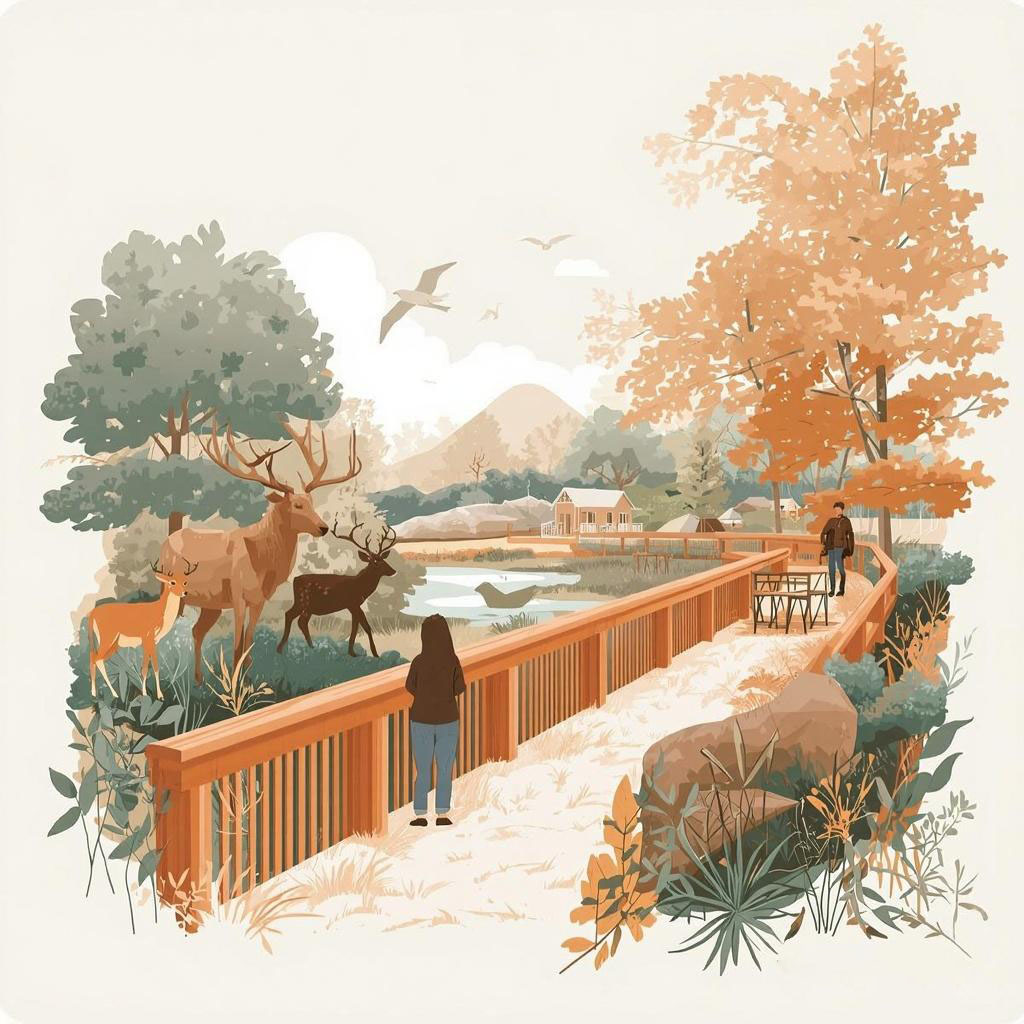 Long term behavior change also depends on social reinforcement, a factor often overlooked in outdoor communication planning. When visitors observe others modeling responsible wildlife behavior, the behavior gains social legitimacy. Parks and recreation agencies sometimes cultivate this effect by training volunteer trail ambassadors or interpretive hosts whose visible actions demonstrate appropriate behavior. For example, a volunteer who steps back quietly during a wildlife sighting not only reinforces safety protocols but also shows families how to respond without anxiety. These silent demonstrations shape behavior subtly but powerfully.
Another long term strategy involves identity shaping. Outdoor recreation departments understand that people tend to adopt behaviors that align with how they see themselves. Visitors who begin to view themselves as responsible stewards, careful observers, or conservation minded explorers are more likely to behave consistently with those identities. Agencies can foster this identity shift through messaging that uses inclusive language such as “thank you for helping protect our wildlife” or “as someone who cares about this place, your actions make a difference.” These phrases embed stewardship into the visitor’s self concept.
Memory retention also relies on simplicity and emotion. Messages that evoke wonder or appreciation tend to last longer than factual lists. For example, explaining that a species migrates thousands of miles, survives harsh conditions, or raises young in precarious nests helps visitors recognize that wildlife is both vulnerable and remarkable. This emotional recognition creates a durable mental association that influences behavior months or even years later.
Technology can support long term learning as well. Wildlife agencies sometimes create short follow up communications for visitors who participated in programs or scanned QR codes. A brief message that thanks them and reminds them of one simple wildlife tip reinforces learning long after the visit. Outdoor recreation departments also experiment with mobile friendly story maps that highlight species behaviors across seasons. When families explore these maps at home, they continue learning beyond the boundaries of the site.
Long term change also requires removing barriers to good behavior. If safe wildlife viewing areas feel inconvenient or poorly marked, visitors will default to closer, riskier approaches. If food storage lockers feel confusing or inaccessible, people may leave food in improper locations. Agencies must pair education with infrastructure that supports the desired behavior. When systems are intuitive, convenient, and predictable, visitors adopt responsible actions more effortlessly.
Finally, long term behavior change flourishes when visitors feel a sense of shared ownership. Agencies can foster this by celebrating community involvement in habitat restoration, offering citizen science programs, or highlighting volunteer contributions. When visitors feel they are part of something larger, they embrace wildlife safety as a collective commitment, not a set of isolated rules.
Strategic Communication Support for Your Parks and Recreation Agency
Wildlife education does more than improve safety. It strengthens trust, supports visitor satisfaction, and fosters stewardship across diverse landscapes. Many parks and recreation agencies, wildlife agencies, and outdoor recreation departments discover that improving these communication systems requires structured planning, research backed strategies, and consistent messaging. Because of this, organizations often choose to partner with an external resource like Stegmeier Consulting Group (SCG) to help design communication frameworks that are inclusive, clear, and easy for both visitors and staff to use.
SCG supports agencies in building communication systems that integrate wildlife education into every stage of the visitor experience. SCG helps departments analyze visitor behavior, develop consistent message frameworks, strengthen digital and on site communication, and design systems that support multigenerational learning. Agencies benefit from having a structured, research informed communication model that reinforces safety while elevating the overall visitor experience.
Whether your organization is building a new education campaign, revising existing wildlife safety messaging, or redesigning its full communication ecosystem, SCG provides guidance that helps align messages with agency goals, operational realities, and visitor needs. SCG focuses on communication systems that are sustainable, adaptable, and rooted in clear behavior change strategies.
Conclusion
Wildlife education strengthens every part of the visitor experience. It transforms caution messages into opportunities for learning. It shifts behavior not through fear but through understanding. It supports families, empowers new visitors, and reassures experienced outdoorspeople. Above all, it helps people see wildlife not as obstacles or attractions but as living participants in a shared environment.
Parks and recreation agencies, wildlife agencies, outdoor recreation departments, and park districts stand at the intersection of conservation and public engagement. Their communication systems shape how visitors interpret landscapes, understand species, and decide how to act. When wildlife education becomes a core communication strategy, agencies build stronger relationships with their communities and foster a culture of ongoing learning.
The long term impact is profound. A child who learns why distance protects nesting birds may teach that lesson to a younger sibling. A parent who understands food conditioning risks may change habits permanently. A visitor who once approached animals too closely may become a vocal advocate for responsible behavior. Education sets these ripples in motion.
In this way, wildlife education is not merely a communication tool. It is an investment in safer recreation, healthier ecosystems, and future generations of stewards who will care for the places we protect today.
SCG’s Strategic Approach to Communication Systems
Align your agency’s messaging, processes, and public engagement strategies
Agencies that communicate effectively build stronger trust with staff, stakeholders, and the public. Whether you are implementing QR code systems, improving internal communication workflows, or strengthening agency wide alignment, SCG can help you develop a communication system that supports consistent decision making and long term organizational success. Use the form below to connect with our team and explore how a strategic communication framework can elevate your agency’s impact.