Transparency in Action: How Multnomah County, Oregon Sheriff’s Office Reimagined Law Enforcement Communication
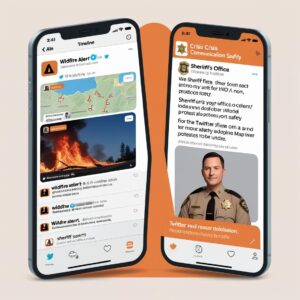 Trust in law enforcement across the United States has become increasingly fragile in recent years, tested by high-profile police-involved incidents, political polarization, and the speed at which misinformation spreads online. For the Multnomah County Sheriff’s Office (MCSO), which serves Oregon’s most populous and politically diverse county—including the city of Portland—these challenges were amplified by waves of civic unrest, natural disasters, and heightened scrutiny of government institutions. Rather than retreat into traditional, reactive communication models, MCSO took a different approach: proactive digital transparency.
From 2015 through 2022, MCSO launched and sustained one of the most comprehensive social media transparency efforts in local law enforcement. The campaign centered on building public trust through digital platforms—using real-time updates, officer storytelling, data sharing, and multimedia explainers to communicate not just what the agency was doing, but how and why. Partnering with the Portland Police Bureau (PPB) and other public safety organizations, MCSO positioned itself as a steady, non-partisan voice amid chaos and contradiction.
This case study examines the structure, strategy, and long-term success of MCSO’s communications transformation. It highlights how a local law enforcement agency turned its digital presence into a public trust engine—by listening actively, speaking clearly, and meeting the community where they are: online.
The Initiative: Digital Transparency Campaign
Program Structure and Oversight
The MCSO digital communications strategy was not a one-off campaign, but a sustained public engagement effort operating across seven years. While it began with a few social media accounts managed by public information officers, it quickly evolved into a structured program housed within the Strategic Communications Unit—featuring full-time content creators, sworn PIOs, videographers, podcast producers, and digital media specialists.
MCSO’s channels included:
- Twitter (primary for crisis messaging, 242K+ followers)
- Facebook (community engagement, 84K+ followers)
- Instagram (visual storytelling, 23.6K+ followers)
- YouTube & Podcasts (explainer content)
- FlashAlert & Press Releases (emergency notifications)
- Internal newsletters & cross-agency briefings
Crucially, MCSO also invested in training select precinct officers to contribute hyper-local posts—giving neighborhoods a direct voice in the broader public safety narrative. This decentralized, community-informed structure helped the campaign avoid bureaucratic stagnation and remain agile across changing social and political landscapes.
From Sirens to Social Media: Effective Communication Strategies for Law Enforcement & Public Safety Agencies
This article is part of our series on strategic communication for law enforcement and public safety agencies. To learn more and to see the parent article, which links to other content just like this, click the button below.
Communication Strategy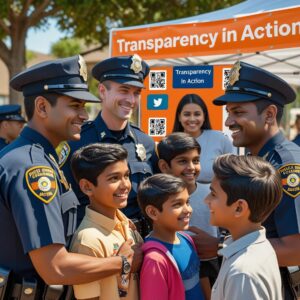
1. Digital Institutional Identity: Humanizing the Sheriff’s Office
MCSO developed a digital voice that felt both professional and personal. Officers and communications staff worked together to create messaging that struck a balance between authority and relatability. Instead of defaulting to legalese or crisis-only content, the agency regularly posted about officer milestones, community partnerships, and daily operations—like patrol briefings or outreach events. The tone was calm, consistent, and occasionally light-hearted, helping audiences see the agency as human beings, not just badges.
Why It Worked: This identity-driven strategy made MCSO feel more accessible and emotionally grounded. It allowed residents to build a relationship with the agency over time, rather than only during emergencies. In an era when public trust hinges on emotional connection, this digital voice provided a foundation for long-term engagement.
2. Real-Time Crisis Messaging with a Calm Voice
MCSO provided steady, verified information during protests, curfews, wildfires, floods, and other emergencies. Especially during the George Floyd protests in 2020, the agency used Twitter to issue non-inflammatory updates about protest zones, police presence, safety resources, and curfews. FlashAlert and government websites were also used for coordinated emergency messaging. Posts avoided sensationalism and emphasized safety instructions over commentary.
Why It Worked: This strategy provided stability during periods of fear, misinformation, and confusion. MCSO became a go-to source for trustworthy updates, helping counteract rumors and reinforcing the agency’s legitimacy. Calm, accurate communication built a sense of credibility that persisted beyond the crisis itself.
3. Decentralized Officer Storytelling for Neighborhood Relevance
By training officers to post neighborhood-specific content—from traffic alerts to positive community interactions—MCSO localized its messaging without losing alignment. These posts often featured familiar landmarks, events, or faces, helping the public connect with their local officers beyond the context of enforcement. The agency also provided clear editorial guidelines to ensure messaging stayed consistent with its overall tone and values.
Why It Worked: People are more receptive to messages when they feel directly addressed. This decentralized model created emotional proximity between officers and residents. It also demonstrated a willingness to share control—a powerful gesture in a field often criticized for centralized opacity.
4. Multimedia Translation of Complex Topics
The campaign used short videos, podcast episodes, and infographics to explain complex or misunderstood topics—such as how “calls for service” are triaged, how jail bookings work, or how deputies respond to mental health calls. These formats were tailored to be shareable, visually engaging, and easy to understand.
Why It Worked: By making information digestible and visually clear, MCSO reduced barriers to understanding. Voters and residents who may not read press releases or legal codes were still able to comprehend policies. This inclusivity widened the campaign’s reach and reinforced its credibility.
5. Dialogue with Diverse Political Audiences
Portland and Multnomah County house both vocal progressive activists and conservative communities. MCSO’s messaging walked a careful line—addressing racial justice protests with transparency and empathy while also supporting first responders and crime victims. The agency remained non-partisan in tone, even when engaging directly with criticism from both sides.
Why It Worked: By modeling restraint and openness, MCSO appealed to a broad spectrum of residents. It created space for disagreement without defensiveness, allowing multiple groups to see themselves in the conversation. That neutrality helped preserve public trust in a hyper-polarized environment.
6. Strategic Use of Metrics and Feedback
MCSO regularly assessed which content formats, topics, and platforms were most effective. Posts with high engagement were replicated or expanded (e.g., officer spotlights), while underperforming formats were reworked. Staff tracked public sentiment, adjusted language when needed, and used feedback loops to improve tone and reach.
Why It Worked: Treating communication as a dynamic, data-informed function allowed the agency to adapt and grow. It showed residents that MCSO didn’t just talk—it listened, learned, and changed. This responsiveness helped deepen trust and keep messaging relevant over a seven-year campaign.
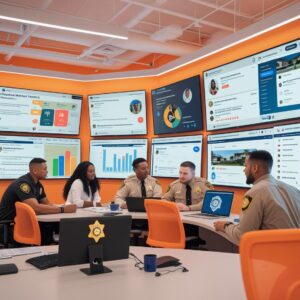 Notable Campaign Moments
- 2020 George Floyd Protests: MCSO used Twitter and livestreams to provide real-time, verified updates about protests, dispersals, and crowd safety.
- 2021–2022 Wildfires and Flooding: Social platforms delivered critical evacuation alerts, shelter info, and road closures using consistent visual formats.
- Weekly “Calls for Service” Reports: These posts helped demystify police activity by showing that most service calls related to welfare checks, property crimes, and non-violent assistance.
Impact and Outcomes
MCSO’s transparency campaign reached tens of millions across platforms and built one of the most engaged digital followings of any local sheriff’s department in the nation. The agency became a trusted voice during emergencies and a reliable explainer in calmer times. More importantly, it created a feedback-rich environment that allowed for continual improvement and local adaptation.
The campaign also had internal benefits. Officers reported better understanding of public expectations, while community relations staff noted increased attendance at outreach events. The agency’s public perception surveys reflected increased trust among both conservative rural areas and urban neighborhoods traditionally skeptical of policing.
Takeaway and Conclusion
The Multnomah County Sheriff’s Office demonstrated that law enforcement transparency isn’t just about publishing reports—it’s about building relationships. Through consistent digital storytelling, thoughtful tone, and honest engagement, the agency redefined how the public safety sector communicates with the people it serves. Their success wasn’t the result of a single viral post or flashy campaign, but rather years of steady, community-aware communication.
MCSO’s communications team understood that credibility must be earned daily. They trained officers to be communicators, created digestible explainer content, and responded to criticism with humility instead of defensiveness. This made the agency feel more human and more trustworthy, even in moments of tension or controversy.
Perhaps most impressively, MCSO succeeded in balancing a wide array of public sentiments—from progressive activists demanding reform to conservative residents focused on public order. By maintaining neutrality, respect, and clarity, they created a space where all voices could engage, and no one felt ignored.
As communities across the country demand more openness and accountability from law enforcement, Multnomah County’s model offers a roadmap. It shows that sustained, digital-first communication—grounded in local relevance, feedback loops, and emotional intelligence—is not only possible for government agencies but essential for modern public trust.
Ready to Elevate Your Agency’s Public Communication?
We understand the unique challenges state and local government agencies face—from complex issues to diverse community needs. Our comprehensive approach can help you transform the way you connect with constituents, improve transparency, and highlight the valuable work your agency does every day.
Interested in learning more? Reach out to us today for a consultation. We’d love to discuss how our services can support your goals and help you build lasting trust with the communities you serve.